
The garage door is often the largest moving object in your home, a crucial component for security, convenience, and curb appeal. When it’s time to replace your old, worn-out door or upgrade to an automated system, understanding the costs involved is paramount.
The question of “How much is a new garage door and opener installed? ” Doesn’t have a single, simple answer, as numerous factors influence the final price. From the material and style of the door to the type of opener and the complexity of the installation, each element contributes to the overall investment.
This comprehensive guide will break down the costs associated with installing a new garage door and opener. We’ll explore the variables that affect pricing, provide average cost ranges, and offer insights into how to get the best value for your money.
Whether you’re considering a basic, functional door or a high-end, insulated model with a smart opener, arming yourself with this knowledge will help you budget effectively and make informed decisions for your home.
Key Takeaways
- The average cost for a new garage door and opener installation typically ranges from $1,200 to $4,500, with most homeowners spending around $2,500.
- Garage door costs alone can range from $400 to $4,000+, depending on material, style, insulation, and features.
- Garage door opener costs typically range from $200 to $600 for the unit, plus installation fees.
- Installation labor is a significant part of the total cost, often ranging from $300 to $1,000+ depending on complexity and location.
- Key factors influencing price include door material (steel, wood, aluminum, vinyl, composite), style (traditional, modern, carriage house), insulation R-value, window options, and hardware (hinges, rollers, springs).
- Opener types vary (chain drive, belt drive, screw drive, direct drive), with belt drive and direct drive openers generally being more expensive but quieter.
- Additional costs may include permits, old door removal and disposal, electrical work, and unexpected structural repairs.
- Getting multiple quotes from reputable local installers is crucial for accurate pricing and ensuring quality work.

Credit: homeguide.com
Understanding The Components Of Garage Door Costs
The total price you’ll pay for a new garage door and opener installed is a sum of several distinct components. It’s essential to understand each of these to appreciate the pricing structure and identify areas where costs can fluctuate. These components include the door itself, the opener system, and the labor required for installation.
The Garage Door Unit: Materials, Styles, And Features
The garage door itself is often the largest single expense. The price of the door unit is heavily influenced by the materials used, the design aesthetic, and any added features like insulation or decorative elements.
Material Matters: A Cost Breakdown
The material of your garage door significantly impacts its price, durability, and maintenance requirements.
- Steel: This is one of the most popular and cost-effective options. Basic, uninsulated steel doors can start around $400 to $800. Insulated steel doors, offering better energy efficiency and noise reduction, typically range from $800 to $1,500. Higher-end steel doors with decorative overlays or premium finishes can cost more. Steel is durable but can dent and rust if not properly maintained.
- Aluminum: Lighter than steel and resistant to rust, aluminum doors are a good choice for coastal areas or humid climates. They are generally more expensive than basic steel doors, with prices ranging from $800 to $2,000, depending on the gauge of the aluminum and design. Frameless aluminum doors with glass panels are a modern, premium option that can cost significantly more.
- Wood: Natural wood doors offer a classic, warm aesthetic that many homeowners desire. However, they are also the most expensive and require the most maintenance. Basic wood doors can start around $1,000, but custom-designed or premium wood species can easily reach $3,000 to $7,000 or more. Wood doors are susceptible to rot, warping, and insect damage and require regular sealing and painting.
- Vinyl (PVC): A low-maintenance option that is resistant to rust, denting, and fading. Vinyl doors are typically priced similarly to mid-range insulated steel doors, often ranging from $900 to $2,000. They offer good durability and come in various styles and colors.
- Composite (Wood Composite): Made from a blend of wood fibers and polymers, composite doors aim to replicate the look of wood without the high maintenance. They are generally priced between $1,000 and $3,000, offering good durability and resistance to rot and insects.
Design And Style: Beyond Basic Functionality
The aesthetic appeal of your garage door plays a role in its cost. While a plain, raised-panel steel door is standard, more intricate designs command higher prices.
- Traditional Raised/Recessed Panels: These are the most common and generally the most affordable styles.
- Carriage House Style: Mimicking the look of old barn doors, these often feature decorative hardware and can add significant charm, increasing the price by 15-30% compared to standard panels.
- Modern/Contemporary: These doors often feature clean lines, minimalist designs, and can incorporate materials like glass or sleek metal finishes. They tend to be on the higher end of the price spectrum.
- Custom Designs: For homeowners seeking a truly unique look, custom-designed doors offer unlimited possibilities but come with the highest price tag, often starting at $2,500 and going well over $10,000.
Insulation And Energy Efficiency
Garage doors with insulation offer several benefits: improved energy efficiency for attached garages, noise reduction, and enhanced durability. The type and thickness of insulation affect the cost.
- Uninsulated: Basic doors offer no thermal protection.
- Polystyrene Insulation: Often found in mid-range doors, providing moderate insulation.
- Polyurethane Insulation: Offers higher R-values (a measure of thermal resistance) and is typically found in premium doors.
An insulated garage door can add $200 to $1,000 or more to the overall cost of the door unit compared to an uninsulated model. The R-value typically ranges from R-4 for basic insulation to R-16 or higher for premium options.
Windows And Hardware
Adding windows to your garage door can enhance natural light and improve aesthetics, but it also increases the cost. Decorative glass options, frosted glass, or impact-resistant glass will further elevate the price. Hardware, such as decorative hinges, handles, and premium roller options, can also add $100 to $500 or more.
The Garage Door Opener System
The garage door opener is the mechanical component that automates the door’s operation. While the door itself is a significant investment, the opener also contributes to the total cost.
Types Of Openers And Their Costs
There are several types of garage door openers, each with different operating mechanisms, noise levels, and price points.
- Chain Drive: These are the most common and generally the most affordable type. They use a chain to move the trolley along the opener rail. They are reliable but can be noisy. Prices for a chain drive opener unit typically range from $150 to $300.
- Belt Drive: These openers use a rubber belt instead of a chain. They operate much more quietly than chain drives, making them ideal for homes with living spaces above or adjacent to the garage. Belt drive openers are generally more expensive, costing between $250 and $400.
- Screw Drive: These openers use a rotating steel rod to move the trolley. They are faster than chain or belt drives but can be louder and require more maintenance. Screw drives typically cost between $250 and $400.
- Direct Drive: In this system, the motor is integrated into the opener trolley, moving along a stationary chain or belt. They are very quiet and offer fewer moving parts. Direct drive openers are often among the most expensive, ranging from $300 to $600.
- Wall-Mounted (Jackshaft) Openers: These are mounted on the wall next to the garage door and use a pulley system. They are excellent space-savers and very quiet but are typically the most expensive option, often costing $400 to $700 for the unit.
Smart Opener Features
Many modern openers come with “smart” capabilities, allowing control via smartphone apps, integration with smart home systems, and features like battery backup and remote diagnostics. These advanced features can add $50 to $150 to the opener’s cost.
Installation Labor: The Hidden Cost
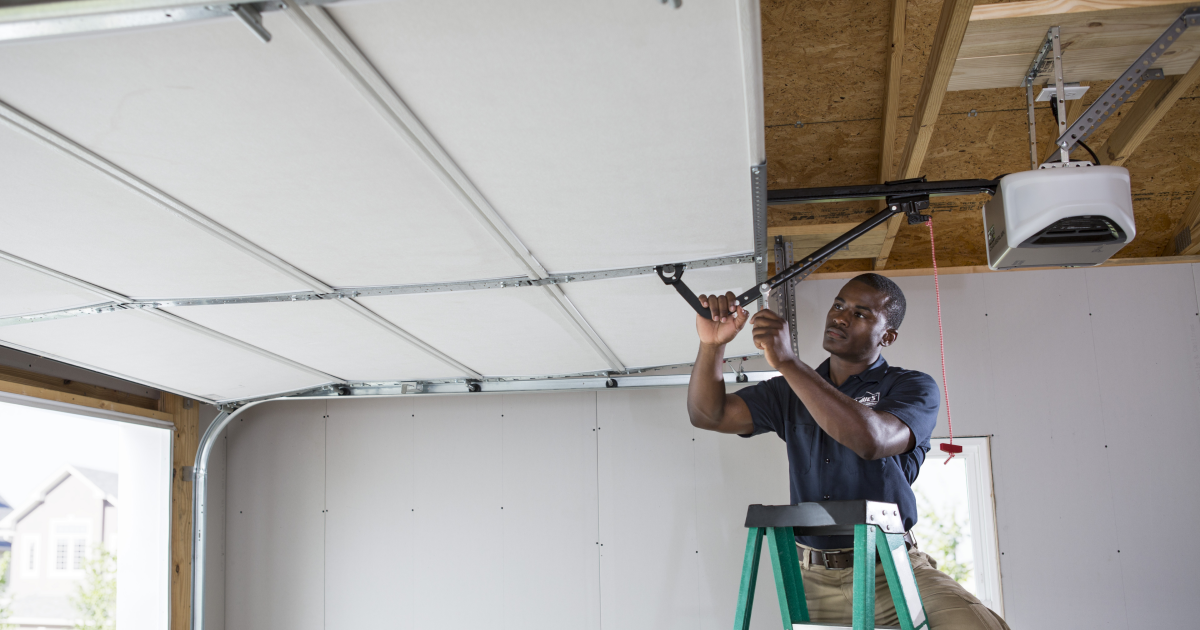
While the cost of the door and opener units are significant, the labor involved in installation is often a substantial portion of the total price. Professional installation ensures the door is properly balanced, the opener is correctly aligned, and all safety features are functional.
Factors Affecting Labor Costs
- Complexity of Installation: Installing a standard door on a pre-existing, level opening is less labor-intensive than installing a heavy wood door, a door on an unusually shaped opening, or a door requiring significant structural adjustments.
- Location: Labor rates vary significantly by region. Installers in major metropolitan areas typically charge more than those in rural areas.
- Installer’s Experience and Reputation: Highly experienced and reputable companies may charge more for their expertise and warranty offerings.
- Time Required: A straightforward installation might take 2-4 hours, while a more complex job could take a full day or longer.
- Old Door Removal and Disposal: Most installers will charge an additional fee, typically ranging from $50 to $200, for removing and hauling away your old garage door and opener.
- Electrical Work: If a new electrical outlet is needed for the opener, or if existing wiring needs to be upgraded, this will incur additional costs, often billed separately by an electrician or as part of the installer’s charge if they offer such services.
The average labor cost for installing a new garage door and opener can range from $300 to $1,000 or more. For a complete replacement, expect the installation labor to be roughly 25-50% of the total project cost.
Credit: www.lowes.com
Average Cost Breakdown: New Garage Door And Opener Installed
To provide a clearer picture, let’s look at average cost ranges for different scenarios. These figures are estimates and can vary widely based on the factors discussed.
Entry-level Installation
This scenario typically involves a basic, uninsulated steel or vinyl garage door and a standard chain drive opener.
- Garage Door Unit: $400 – $800
- Chain Drive Opener Unit: $150 – $300
- Installation Labor (including basic opener install): $300 – $600
- Old Door Removal/Disposal: $50 – $100
- Total Estimated Cost: $900 – $1,800
Mid-range Installation
This common scenario includes an insulated steel or composite door, possibly with a more decorative style, and a belt drive or mid-tier chain drive opener.
- Garage Door Unit: $800 – $1,500
- Belt Drive Opener Unit: $250 – $400
- Installation Labor: $500 – $800
- Old Door Removal/Disposal: $100 – $150
- Total Estimated Cost: $1,650 – $2,850
High-end Installation
This involves a premium insulated door (e. g. , wood, high-end steel, or composite), possibly with custom features, windows, and decorative hardware, paired with a quiet belt drive, direct drive, or jackshaft opener, potentially with smart features.
- Garage Door Unit: $1,500 – $4,000+
- Premium Opener Unit (Belt, Direct, Jackshaft): $400 – $700
- Installation Labor: $700 – $1,200+
- Old Door Removal/Disposal: $150 – $200
- Total Estimated Cost: $2,750 – $6,100+
It’s important to remember these are broad estimates. A custom wood door with a high-end jackshaft opener could easily push the total cost well over $7,000.
Factors Influencing The Final Price
Beyond the basic components, several other factors can influence the final price you pay for a new garage door and opener installation. Being aware of these can help you prepare your budget and avoid surprises.
Geographic Location And Local Market Conditions
As mentioned, labor rates are highly dependent on your geographic location. Areas with a higher cost of living generally have higher prices for services, including garage door installation. Furthermore, the availability of qualified installers and local competition can affect pricing.
In some regions, specialized installers might charge a premium for their services.
Permits And Inspections
Depending on your local building codes, you may need to obtain a permit for garage door replacement, especially if electrical work is involved or if the door’s structural specifications change significantly. Permit costs can range from $50 to $300, depending on your municipality. Some installers include this in their quote, while others leave it to the homeowner.
Structural Modifications And Unexpected Issues
Sometimes, the existing garage structure may not be perfectly suited for a new door, or unforeseen issues may arise during installation. This could include:
- Damaged framing: If the existing framing around the garage door opening is rotten or damaged, it will need repair or replacement, adding to the cost.
- Uneven surfaces: If the wall or floor is uneven, it might require adjustments for proper door sealing and operation.
- Reinforcement: Heavy doors or specialized installations might require additional structural reinforcement.
- Electrical upgrades: If your garage lacks a proper outlet near the opener location, or if the existing wiring is outdated and unsafe, an electrician may need to be called in, adding to the expense.
These unforeseen issues can add anywhere from $100 to $1,000+ to the total project cost. A thorough inspection by the installer before providing a final quote can help mitigate these surprises.
Brand And Manufacturer
Different brands offer varying levels of quality, features, and warranty coverage, which can impact price. Established brands with a reputation for reliability and customer service often come with a higher price tag, but they may offer better long-term value through durability and support.
Warranty And Service Agreements
The warranty offered on both the garage door and the opener can influence the initial cost. Longer or more comprehensive warranties, covering parts and labor for an extended period, may come with a slightly higher upfront price but offer peace of mind.
Always inquire about the warranty details before making a decision.

Credit: www.home.crs
Choosing The Right Garage Door And Opener: Tips For Value
Getting the best value for your investment involves more than just finding the lowest price. It’s about balancing cost with quality, durability, and your specific needs.
Prioritize Your Needs
Before you start shopping, consider what is most important to you:
- Security: If security is your top priority, opt for robust materials like heavy-gauge steel and consider features like reinforced hinges and secure locking mechanisms.
- Energy Efficiency: For attached garages, especially those connected to living spaces, insulation is key. Look for doors with higher R-values.
- Noise Level: If your bedroom is above the garage or you have close neighbors, a quiet belt drive or direct drive opener is a worthwhile investment.
- Aesthetics: How important is the look of your garage door to your home’s overall curb appeal? Choose a style and material that complements your home’s architecture.
- Maintenance: Are you willing to perform regular maintenance like painting or sealing? If not, opt for low-maintenance materials like vinyl or aluminum.
Get Multiple Quotes
This is perhaps the most critical step in ensuring you get a fair price. Contact at least three reputable local garage door companies. Ensure each quote includes:
- The specific model and manufacturer of the garage door and opener.
- Details about insulation (R-value, type).
- Cost of hardware (springs, rollers, tracks).
- Labor costs for installation.
- Cost of removing and disposing of the old door and opener.
- Any applicable taxes and fees.
- Warranty information for both parts and labor.
Compare the quotes not just on price but also on the quality of the products offered and the reputation of the company.
Consider The Opener’s Horsepower (hp)
Garage door openers are rated by horsepower (HP) or, more commonly now, by the force they can exert in pounds (e. g. , 1/2 HP, 3/4 HP, or 500N, 750N, 1000N). The required HP depends on the size, weight, and type of your garage door.
- Lightweight doors (e.g., aluminum, single-layer steel): A 1/2 HP (or equivalent force) opener is usually sufficient.
- Medium to heavy doors (e.g., insulated steel, wood composite): A 3/4 HP (or equivalent force) opener is recommended.
- Very heavy doors (e.g., solid wood, custom): A 1 HP or higher opener might be necessary.
Using an opener with insufficient power can lead to premature wear and tear or failure.
Look For Bundled Deals
Some companies offer package deals that include both the garage door and the opener, along with installation. These bundles can sometimes provide cost savings compared to purchasing each item separately.
Don’t Overlook Durability And Warranty
The cheapest option upfront might not be the most cost-effective in the long run. A higher-quality door and opener, backed by a solid warranty, can save you money on repairs and premature replacement. In my experience, investing a bit more in reputable brands often pays off.
Example Scenarios And Cost Variations
Let’s explore a couple of detailed examples to illustrate how costs can vary:
Case Study 1: The Energy-conscious Homeowner
Scenario: Sarah lives in a suburban home with an attached garage. She wants to improve her home’s energy efficiency and reduce noise from the garage. She chooses a mid-range, insulated steel garage door (R-value 10) in a traditional panel style and pairs it with a quiet belt-drive opener with smart features.
- Garage Door: Insulated Steel, Traditional Panel, R-Value 10 – $1,100
- Opener: Belt Drive with Smart Home Integration & Battery Backup – $450
- Hardware: Standard heavy-duty springs, rollers, tracks – Included in door price or $150
- Installation Labor: 3 hours @ $150/hour = $450 (Opener install bundled)
- Removal & Disposal: Old door and opener – $150
- Permit: $75
- Total Cost: $1,100 + $450 + $150 + $450 + $150 + $75 = $2,375
This falls comfortably within the mid-range average.
Case Study 2: The Curb Appeal Enthusiast
Scenario: Mark is renovating his older home and wants to significantly enhance its curb appeal. He opts for a premium carriage house style garage door made of composite material, featuring decorative iron hardware and a frosted glass window panel. He chooses a quiet, wall-mounted (jackshaft) opener for its sleek look and space-saving design.
- Garage Door: Composite Carriage House Style with Window Panel & Iron Hardware – $2,800
- Opener: Wall-Mounted (Jackshaft) Opener – $600
- Hardware: Heavy-duty, decorative – Included in door price or $250
- Installation Labor: 5 hours @ $175/hour = $875 (More complex install, jackshaft opener)
- Removal & Disposal: Old door and opener – $200
- Potential Electrical Adjustment: $100 (Minor wiring needed for jackshaft)
- Total Cost: $2,800 + $600 + $250 + $875 + $200 + $100 = $4,825
This example highlights how premium materials, specialized designs, and advanced opener types can increase the overall investment.
Comparing Opener Technologies
Choosing the right garage door opener technology is crucial for performance, noise level, and cost. Here’s a comparison of the most common types: