
A garage door is more than just an entrance to your home; it’s a complex mechanical system designed for convenience and security. At its heart are the garage door springs, the unsung heroes that counterbalance the immense weight of the door, making it easy to lift and lower.
These springs are under constant tension and are subject to significant wear and tear with every cycle of operation. Understanding how often these critical components need to be replaced is essential for maintaining the safety, functionality, and longevity of your garage door system.
Ignoring their condition can lead to sudden failures, potential accidents, and costly repairs.
The lifespan of garage door springs is not indefinite, and their eventual replacement is a certainty for every homeowner. Factors like usage frequency, spring type, environmental conditions, and maintenance practices all play a role in determining when this replacement will be necessary.
Proactive awareness and timely intervention can prevent inconvenience and protect your property and loved ones. This guide will explore the typical lifespan of garage door springs, the signs that indicate they need replacement, and what you can do to ensure your garage door operates safely and efficiently for years to come.
Key Takeaways
- Spring Lifespan Varies: Garage door springs typically last between 7 to 15 years or 10,000 to 20,000 cycles, depending on the type and quality.
- Signs of Wear: Look for visible rust, gaps in the coils, uneven tension, and the door feeling excessively heavy or difficult to lift.
- Types Matter: Torsion springs generally last longer than extension springs due to their design and placement.
- Usage is Key: The number of times your garage door opens and closes (cycles) is a primary determinant of spring life.
- Maintenance is Crucial: Regular lubrication and professional inspections can extend spring life and prevent premature failure.
- Safety First: Garage door springs are under high tension; replacement should ideally be handled by a qualified professional.
Credit: www.precisiondoor.net
Understanding Garage Door Springs: Types And Function
Garage doors are heavy, often weighing between 150 to 350 pounds or even more. Without the assistance of springs, lifting such a weight manually would be nearly impossible for most individuals. Garage door springs are engineered to store and release energy, creating a counter-balance that makes the door feel lightweight and easy to operate. There are two primary types of garage door springs, each with its own characteristics and lifespan: torsion springs and extension springs.
Torsion Springs
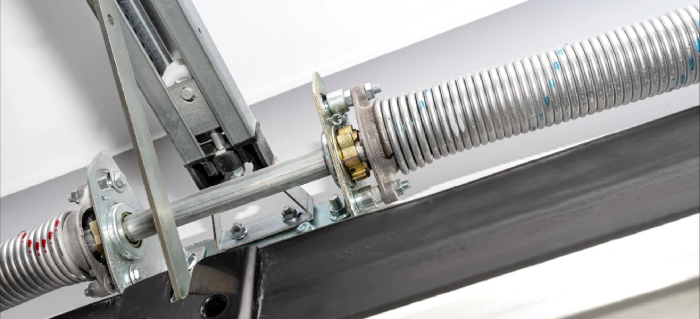
Torsion springs are mounted horizontally above the garage door, typically on a metal rod called a shaft. As the garage door moves down, the torsion springs wind up, storing potential energy. When the door is lifted, the springs unwind, releasing this stored energy to help lift the door.
This type of spring is generally considered more durable and safer than extension springs because they are mounted securely above the door and do not have the same risk of snapping and causing injury if they break. A standard garage door system usually has two torsion springs, though some wider doors may have three or four.
Extension Springs
Extension springs are mounted above the horizontal tracks on either side of the garage door. They run parallel to the vertical tracks. When the garage door is lowered, the springs stretch and store energy. As the door is lifted, the springs contract, using their stored energy to assist in lifting the door.
Extension springs are typically found in older garage door systems or in lighter-duty residential doors. They are often equipped with safety cables that run through them. These cables are crucial because if an extension spring breaks, the cable helps contain the broken spring, preventing it from flying across the garage.
The choice between torsion and extension springs can significantly impact the overall performance and maintenance needs of your garage door. Torsion springs are generally preferred for their longevity and safety features, making them the standard in many modern installations.
How Long Do Garage Door Springs Typically Last?
The lifespan of garage door springs is primarily measured in cycles, which represent one full opening and closing of the garage door. Most residential garage door springs are rated for a certain number of cycles, and this rating is a key indicator of their expected longevity. The quality of the springs, the weight of the garage door, and the frequency of use are all critical factors influencing how long they will last.
Cycle Ratings And Lifespan
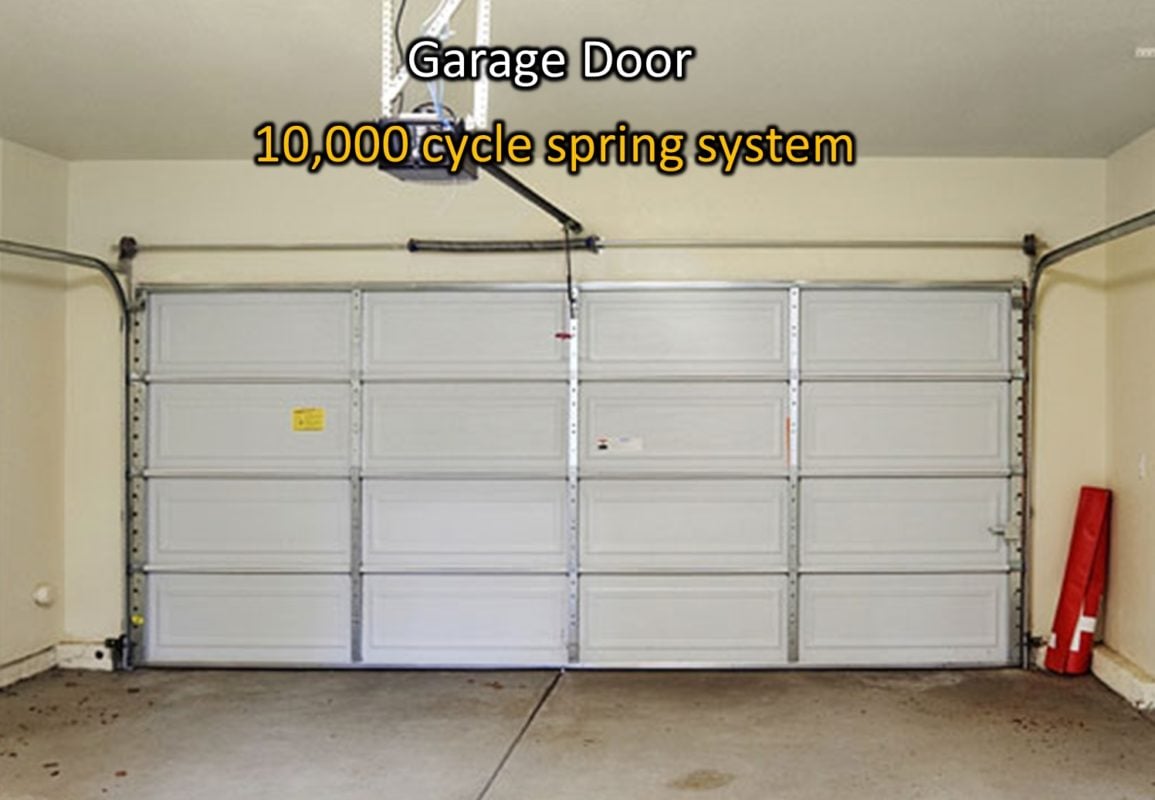
Residential garage door springs commonly come with cycle ratings ranging from 10,000 to 20,000 cycles. High-cycle springs can be rated for 25,000 cycles or more.
- 10,000-cycle springs: These are generally considered standard-duty and might last around 7-10 years for a typical household.
- 15,000-cycle springs: A step up in durability, these can often last 10-12 years.
- 20,000-cycle springs: These are high-quality springs and can be expected to last 12-15 years or more.
Calculating Your Door’s Cycle Usage
To estimate when your springs might need replacement, you can track your garage door’s usage. For example, if your garage door opens and closes an average of four times per day:
- Daily cycles: 4
- Annual cycles: 4 cycles/day * 365 days/year = 1,460 cycles/year
If you have 10,000-cycle springs:
10,000 Cycles / 1,460 Cycles/year ≈ 6.85 Years
If you have 20,000-cycle springs:
20,000 Cycles / 1,460 Cycles/year ≈ 13.7 Years
These are estimates, and actual performance can vary. Factors like the balance of the door, the condition of other components (like rollers and tracks), and environmental exposure can affect spring life.
Credit: veterangaragedoor.com
Signs Your Garage Door Springs Need Replacement
Recognizing the warning signs of failing garage door springs is crucial for preventing sudden failures and potential accidents. Springs are under immense tension, and a broken spring can cause the door to slam shut unexpectedly, posing a significant safety risk. Here are the most common indicators that your garage door springs may be nearing the end of their lifespan or have already failed:
Visible Gaps Or Rust
One of the most straightforward signs is a visual inspection of the springs.
- Gaps: If you notice a visible gap in the coils of your torsion spring (when the door is down), it’s a strong indication that the spring has likely broken. Torsion springs are designed to be tightly coiled when the door is open and slightly unwound when the door is closed. A noticeable gap when the door is in the closed position means the spring has lost its tension, likely due to breakage.
- Rust: While not always an immediate sign of failure, significant rust on the springs can weaken the metal over time, making them more susceptible to breaking. This is especially common in humid environments or areas exposed to salt.
The Garage Door Feels Unbalanced Or Heavy
A properly functioning garage door should feel relatively light and easy to lift manually (with the opener disengaged). If you notice the following, it could indicate spring issues:
- Difficulty Lifting: The door feels significantly heavier than usual, requiring considerable effort to lift manually.
- Jerky Movements: The door moves unevenly, with sudden drops or resistance in certain positions.
- Door Slams Shut: The door closes very quickly and forcefully, especially when manually operated. This is a dangerous sign that the springs are no longer providing adequate counter-balance.
- Door Won’t Stay Open: The door closes on its own or fails to stay in the open position.
Unusual Noises
As springs begin to weaken or break, they can cause unusual noises.
- Loud Bang or Snap: This is often the sound of a spring breaking. If you hear this, immediately stop using the garage door opener and inspect the springs.
- Screeching or Grinding: While sometimes related to opener issues or lack of lubrication on rollers, persistent screeching can also be a sign of stressed springs.
The Garage Door Opener Struggles
Your garage door opener is designed to lift a balanced door. If the springs are weak or broken, the opener will have to do all the work.
- Opener Motor Strain: You might hear the opener motor straining or struggling to lift the door.
- Opener Runs, Door Doesn’t Move: In severe cases, the opener’s chain or belt might move, but the door itself remains stubbornly in place because the springs aren’t providing the necessary assistance.
- Opener Trips Safety Mechanism: The opener might repeatedly engage its safety stop feature because it detects an abnormal load.
Uneven Sagging Of The Door
When the garage door is closed, both sides should be at the same height. If one side of the door appears to be sagging lower than the other, it could indicate a broken spring on that side, particularly with torsion spring systems where one spring might be responsible for a section of the door’s balance.

Credit: www.gatorgaragedoorrepair.com
Factors Affecting Garage Door Spring Lifespan
While cycle ratings provide a general guideline, several real-world factors can significantly influence how long garage door springs actually last. Understanding these can help you manage expectations and potentially extend the life of your current springs through proper care.
Usage Frequency (cycles)
This is the most direct determinant of spring life. A garage door in a household that uses it multiple times a day for entry/exit and vehicle parking will accumulate cycles much faster than a door used only occasionally. For instance, a family that leaves for work and school in the morning and returns in the evening might put 4-6 cycles on their door daily.
In contrast, a single individual might only use it once or twice.
Quality Of Springs
Not all garage door springs are created equal. Springs manufactured with higher-grade steel and superior coatings are designed to withstand more stress and resist corrosion better. Cheaply made springs may have lower cycle ratings or be more prone to early failure, even if they appear similar to higher-quality ones. When replacing springs, investing in high-cycle, quality-made springs is often more cost-effective in the long run due to their extended lifespan.
Door Weight And Balance
The weight of your garage door directly impacts the tension and stress placed on the springs. Heavier doors, such as those made of solid wood or with multiple panes of glass, will put more strain on the springs than lighter doors made of aluminum or composite materials. A poorly balanced door, where the spring tension isn’t correctly set, will also cause premature wear. If a door is too heavy for its springs, or if the springs are not properly adjusted to match the door’s weight, they will wear out much faster.
Environmental Conditions
The environment in which your garage door operates plays a significant role.
- Humidity and Salt: In coastal areas or regions where roads are salted in winter, corrosion is a major enemy of garage door springs. Rust weakens the metal, making it brittle and prone to snapping. Springs with protective coatings or those made of stainless steel can offer better resistance.
- Temperature Extremes: While less common as a primary failure cause, extreme temperature fluctuations can affect the temper of the metal over time, potentially contributing to wear.
Maintenance Practices
Regular maintenance is key to maximizing the lifespan of garage door springs and other components.
- Lubrication: Keeping the springs, rollers, and tracks lubricated reduces friction. While springs themselves don’t require lubrication in the same way rollers do, ensuring the entire system moves smoothly reduces strain on the springs. For information on lubricating rollers, see our guide on how to lube garage door rollers.
- Inspections: Periodic visual inspections for rust, gaps, or signs of wear can help catch potential problems early. Professional garage door technicians can also assess spring tension and the overall health of the system.
- Avoiding Manual Strain: Regularly forcing a malfunctioning opener or attempting to lift a door that feels excessively heavy can put undue stress on the springs and opener mechanism.
When To Replace Garage Door Springs: A Professional Perspective
While homeowners can often identify the signs that garage door springs need attention, the actual replacement process is inherently dangerous and should almost always be handled by a qualified professional. Garage door springs are under extreme tension, and improper handling can lead to serious injury or even death.
The Dangers Of Diy Spring Replacement
- High Tension: A single torsion spring can store thousands of pounds of energy. If it is released improperly during removal or installation, it can lash out with tremendous force.
- Specialized Tools: Replacing springs requires specific tools, such as winding bars for torsion springs and specialized wrenches for extension springs. Using incorrect tools or methods can lead to accidents.
- Incorrect Installation: Even if the old springs are removed safely, installing new ones incorrectly can lead to an unbalanced door, a malfunctioning opener, or a dangerous situation where the springs fail prematurely.
- Voiding Warranties: Many garage door manufacturers or professional installers will void warranties if DIY repairs are attempted on critical components like springs.
The Role Of Professional Technicians
Professional garage door technicians have the training, experience, and specialized tools necessary to replace springs safely and efficiently. They can:
- Accurately Assess Spring Needs: Determine the correct size, type, and cycle rating of springs required for your specific garage door.
- Safely Remove Old Springs: Use proper techniques and tools to de-tension and remove the old, potentially broken or weakened springs without causing injury.
- Install New Springs Correctly: Wind and install new torsion springs to the precise tension required to balance the door, or properly attach and secure new extension springs with safety cables.
- Balance the Door: Ensure the garage door operates smoothly and stays in any position when the opener is disengaged. This is a critical safety check.
- Inspect Other Components: While on-site, they can also inspect rollers, tracks, cables, and the opener for any other issues that might affect performance or safety.
When To Call A Professional Immediately
- You hear a loud bang or snap, indicating a broken spring.
- The garage door slams shut unexpectedly or feels extremely heavy.
- You notice a visible gap in a torsion spring or a frayed cable on an extension spring.
- The garage door opener is struggling significantly to lift the door.
- You are unsure about the condition of your springs or the safety of your garage door system.
For peace of mind and safety, consulting a professional is the most reliable approach when it comes to garage door spring replacement. The cost of professional service is often far less than the potential cost of injury or damage caused by a DIY attempt.
Cost Of Garage Door Spring Replacement
The cost of replacing garage door springs can vary based on several factors, including the type of spring, the number of springs being replaced, your geographic location, and whether you opt for standard or high-cycle springs. It’s also important to factor in labor costs, as professional installation is highly recommended.
Breakdown Of Costs
- Springs: A single garage door spring can cost anywhere from $30 to $80 for standard-duty torsion or extension springs. High-cycle springs or those made from premium materials can range from $60 to $150 or more per spring.
- Labor: Professional installation typically adds $100 to $250 or more to the total cost. This covers the technician’s time, expertise, and the use of specialized tools.
- Service Call Fee: Some companies may charge a separate service call fee, which can range from $50 to $150. This fee is often waived or applied towards the total repair cost if you proceed with the service.
Estimated Total Costs
Given these components, the total cost to replace one or two garage door springs typically falls between $150 and $400.
- Replacing a single torsion spring: You might expect to pay around $150 to $300.
- Replacing a pair of torsion springs (often recommended as they tend to wear at similar rates): The cost could be $250 to $400.
- Replacing extension springs (which usually come in pairs, one on each side): Costs are often similar to torsion springs, $150 to $350.
Example Scenario:
A homeowner in a suburban area notices their garage door is heavy and one torsion spring has a visible gap. They call a local garage door repair company. The technician arrives, assesses the door, and recommends replacing both torsion springs with high-cycle models to ensure longevity. The quote might break down as follows:
- Two high-cycle torsion springs: $120 ($60 each)
- Labor for replacement and balancing: $180
- Total Estimated Cost: $300
Factors Influencing Price
- Location: Labor rates and material costs can be higher in major metropolitan areas compared to rural regions.
- Spring Type: Torsion springs are generally more complex to install than extension springs, which can sometimes influence labor costs.
- Urgency: Emergency service calls outside of regular business hours may incur additional fees.
- Additional Repairs: If the technician discovers other issues, such as worn cables, rollers, or bent tracks, the total cost will increase. For more on overall garage door costs, explore how much a garage door costs.
When getting quotes, it’s advisable to ask for a detailed breakdown of costs, including parts and labor, and to inquire about any warranties offered on the springs and the installation work.
Extending The Lifespan Of Your Garage Door Springs
While garage door springs are consumables that will eventually need replacement, there are several proactive steps you can take to maximize their lifespan and ensure reliable operation. These practices focus on reducing unnecessary strain and preventing premature wear and tear.
Regular Lubrication
Proper lubrication is vital for the entire garage door system, and while springs themselves don’t typically require direct lubrication (as they operate by twisting or stretching, not rolling), ensuring other moving parts are lubricated reduces friction. Friction in the tracks, rollers, and hinges can make the door harder to operate, forcing the springs to work harder.
- What to Lubricate: Garage door rollers, hinges, and the opener’s chain or screw drive mechanism.
- What to Use: A silicone-based spray lubricant or a white lithium grease is recommended. Avoid using WD-40 on rollers, as it can attract dust and grime. For rollers, see our guide on how to lubricate garage door rollers.
- How Often: Typically, lubrication is needed every 6 to 12 months, or more frequently in dusty or harsh environments.
Keep Doors Balanced
A balanced garage door operates smoothly and puts the least amount of stress on the springs and opener.
- Manual Check: Disengage the garage door opener (usually by pulling a red emergency release cord) and try to lift the door manually. It should lift smoothly with moderate effort and stay open on its own when you release it halfway.
- Professional Adjustment: If the door is difficult to lift, closes too quickly, or doesn’t stay open, the spring tension may need adjustment. This is a task best left to professionals due to the inherent dangers.
Avoid Overloading The Door
Do not hang heavy items from the garage door or its components, as this adds unnecessary weight and stress to the springs and cables.
Inspect Regularly
Make it a habit to visually inspect your garage door springs at least twice a year. Look for:
- Rust: Especially on extension springs or in humid climates.
- Gaps: In torsion springs when the door is closed.
- Fraying Cables: On extension spring systems.
- Deterioration: Any signs of cracking or wear on the springs.
Address Opener Issues Promptly
If your garage door opener is malfunctioning, making strange noises, or not operating smoothly, address these issues promptly. A struggling opener can sometimes be a symptom of failing springs or can put additional strain on them. For opener troubleshooting, you might find our guides on resetting Liftmaster remotes or resetting your garage door opener helpful, but these do not address spring issues.
Use The Right Springs
When it’s time for replacement, ensure you or your technician installs springs with the correct cycle rating and tension for your specific door’s weight and size. Using lower-quality or incorrectly sized springs will lead to premature failure and potential safety hazards.
Garage Door Spring Failure: A Case Study In Preventative Maintenance
Consider the case of the Miller family, who experienced a sudden and inconvenient garage door failure. Their garage door, a sturdy wooden model, had served them well for over a decade. They used it multiple times daily, often without much thought to its mechanical workings.
One Tuesday morning, as Mr. Miller was leaving for work, the garage door opener engaged, the chain moved