
The garage door is often the largest and most frequently used moving part of your home. It shields your vehicles, provides security, and contributes significantly to your home’s curb appeal. However, the smooth operation of this essential component relies heavily on its spring system. These springs, whether torsion springs mounted above the door or extension springs running along the tracks, are under immense tension. They counterbalance the weight of the door, making it feel light enough to lift with relative ease and allowing the opener to do its job efficiently.
Over time, the constant stress and cyclical use cause these springs to weaken and eventually break. Ignoring the signs of wear can lead to inconvenient malfunctions, costly repairs, and even dangerous situations. Understanding how often garage door springs need attention, what factors influence their lifespan, and how to recognize when replacement is necessary is crucial for any homeowner.
This knowledge empowers you to maintain your garage door system, ensuring its longevity and your family’s safety.
Key Takeaways
- Lifespan Varies: Garage door springs don’t have a fixed replacement schedule; their lifespan depends on usage, quality, and environmental factors.
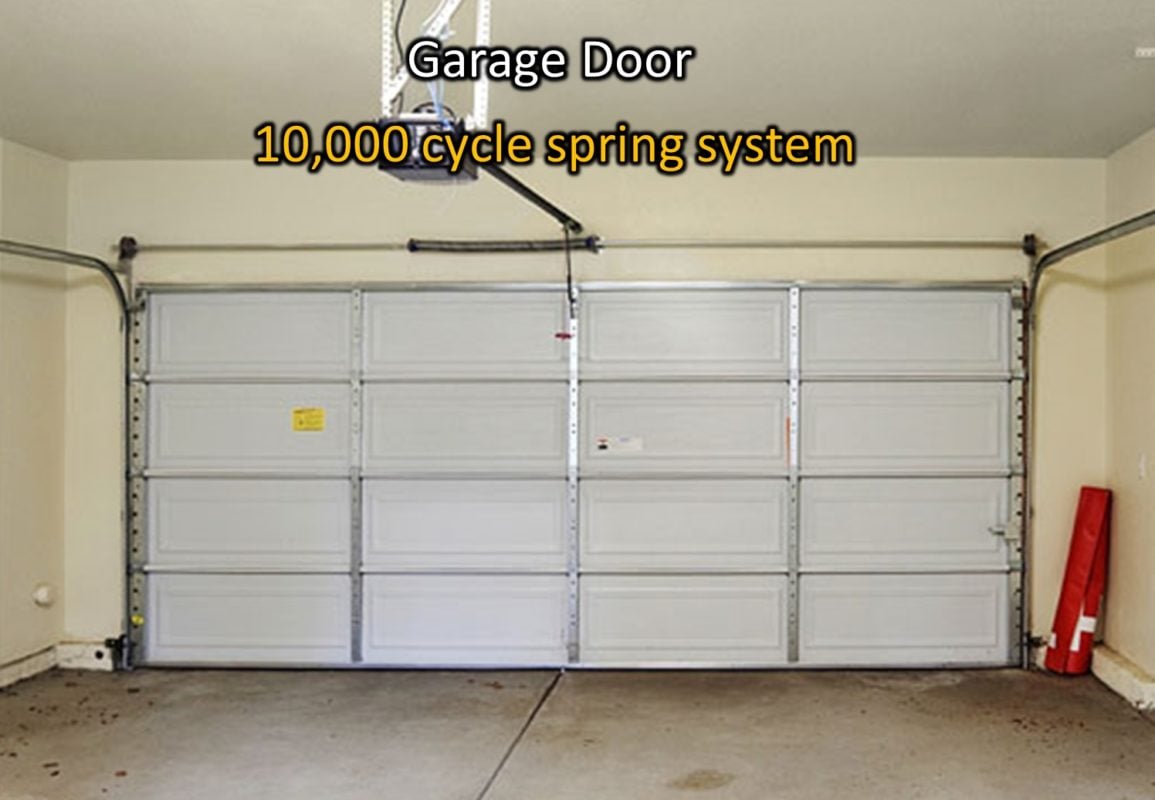
- Cycles, Not Years: Springs are rated by cycles (one open-and-close movement), typically ranging from 10,000 to 25,000 cycles.
- Signs of Wear: Listen for loud noises, observe slow or uneven door movement, and look for visible gaps or rust on the springs.
- Torsion vs. Extension: Torsion springs are generally more durable and require less frequent replacement than extension springs.
- Professional Replacement: Due to the extreme tension involved, garage door spring replacement is a task best left to experienced professionals to avoid serious injury.
- Regular Inspection: While not a replacement schedule, annual inspections by a qualified technician can help identify potential issues before they become critical.
- Cost Factor: The cost of garage door springs can vary, but it’s a worthwhile investment compared to potential damage or injury.

Credit: homeyardo.com
Understanding Garage Door Spring Types And Their Lifespan
The lifespan of your garage door springs is not measured in years, but rather in cycles. A cycle is defined as one complete opening and closing of the garage door. Every time you open and close your garage door, you add a cycle to the springs’ operational count. The quality of the springs and the type of spring system significantly impact how many cycles they are designed to endure before replacement becomes necessary.
Torsion Springs: Durability And Placement
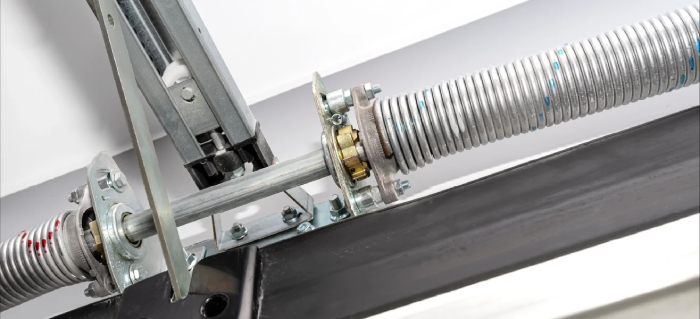
Torsion springs are mounted horizontally on a shaft above the garage door opening. As the door closes, the springs wind tighter, storing energy. As the door opens, they unwind, releasing that energy to lift the door. Torsion springs are generally considered more robust and are often found in higher-quality garage door systems. They typically come with a lifespan rating of 10,000 to 25,000 cycles. A household that uses its garage door an average of four times a day would see these springs last anywhere from 7 to 17 years. However, heavy usage, such as a garage used for a home business or frequent deliveries, can shorten this lifespan considerably.
Extension Springs: Simplicity And Lifespan
Extension springs are mounted above the horizontal tracks on each side of the garage door. They run parallel to the tracks. When the door is closed, the springs are stretched, storing energy. As the door opens, the springs contract, assisting in lifting the door’s weight. Extension springs are simpler in design and often less expensive. However, they typically have a shorter lifespan than torsion springs, often rated for 8,000 to 15,000 cycles. This means they might require replacement sooner, especially in homes with high garage door usage. Many older or lighter-duty garage doors utilize extension springs.
Factors Influencing Spring Lifespan
Beyond the inherent cycle rating, several external factors can accelerate spring wear and tear:
- Usage Frequency: As mentioned, more cycles mean faster wear. A family that uses the garage door 10-12 times a day will exhaust the lifespan of springs much faster than a household using it 2-3 times daily.
- Environmental Conditions: Rust and corrosion are major enemies of garage door springs. Homes in humid climates or areas with significant salt exposure (like coastal regions) will experience faster degradation of the spring material. Proper lubrication can mitigate some of this, but the environment still plays a crucial role.
- Spring Quality: Not all springs are created equal. High-quality springs made from superior steel alloys with protective coatings will naturally last longer than cheaper, lower-grade alternatives. When replacing springs, opting for a higher cycle rating can be a cost-effective long-term solution.
- Door Weight and Balance: A heavier garage door puts more strain on the springs. If the door is not properly balanced, meaning the springs are not correctly calibrated to the door’s weight, they will wear out prematurely. An unbalanced door often feels extremely heavy to lift manually or may not stay open at a certain height.
- Maintenance: Regular garage door maintenance, including proper lubrication of springs, rollers, and tracks, can extend their life. Neglecting maintenance allows friction and debris to build up, increasing stress on the spring system. We cover essential lubrication tips in our guide on how to lube garage door rollers for smooth, quiet operation.
Credit: www.precisiondoor.net
When To Consider Garage Door Spring Replacement: Recognizing The Warning Signs
Unlike a car’s oil change indicator, garage door springs don’t typically come with a direct warning light. Instead, homeowners must be attuned to subtle and not-so-subtle signs that their springs are nearing the end of their operational life or have already failed.
Proactive identification of these issues can prevent sudden breakdowns and potential damage.
Audible Clues: Listening For Trouble
One of the most common indicators of a failing or broken spring is noise. As springs degrade, the metal can become brittle, and the winding mechanism might develop issues.
- Loud Booms or Snaps: A sudden, extremely loud bang or snap often signifies a broken spring. This is the most definitive sign and usually happens when the door is in motion or when it’s operated immediately after the break.
- Creaking and Groaning: Persistent creaking, grinding, or groaning noises coming from the spring system, especially when the door is operated, can indicate significant wear, rust, or a lack of lubrication. While lubrication can sometimes help, these sounds can also signal that the spring is under stress and nearing failure.
Visual Indicators: What To Look For
A visual inspection can reveal a lot about the condition of your garage door springs. It’s advisable to perform these checks periodically, especially if you notice changes in the door’s operation.
- Gaps in the Spring: For torsion springs, a visible gap or separation in the coil is a clear sign of a break. Even a small gap means the spring is no longer functioning as a single unit and needs immediate replacement.
- Rust and Corrosion: Extensive rust or corrosion on the springs weakens the metal and reduces their tensile strength. If the springs appear heavily rusted, their lifespan is likely compromised, and replacement should be considered sooner rather than later.
- Sagging Appearance: If the springs appear sagged or stretched beyond their normal appearance, especially when the door is in the closed position, it could indicate they have lost their tension and are weakening.
Operational Changes: How The Door Behaves
The most functional indicators are changes in how your garage door operates. These can be gradual or sudden.
- Slow or Straining Operation: If your garage door opener seems to be struggling to lift or lower the door, or if the door moves significantly slower than usual, the springs may be weakening and losing their ability to counterbalance the door’s weight effectively.
- Uneven or Jerky Movement: A healthy garage door should move smoothly. If the door jerks, hesitates, or moves unevenly during operation, it’s a strong indication that the spring system is compromised. This unevenness is often due to a broken spring attempting to do the work of two.
- Door Falls or Closes Quickly: If the door drops suddenly when you release the opener or manual lift, or if it closes much faster than it opens, the counterbalance provided by the springs is failing. This is a particularly dangerous situation.
- Difficulty Opening Manually: When the garage door is open, try to lift it manually (after disengaging the opener). If it feels exceptionally heavy or resists lifting, the springs are likely weakened. Conversely, if it feels too light and springs upward uncontrollably, a spring may have broken. For guidance on manual operation, refer to how can I open my garage door manually: step-by-step guide.
- Door Won’t Stay Open: A properly functioning garage door should stay open at any position you leave it without the opener engaged. If the door creeps down when left open, the springs are not adequately counterbalancing its weight.
Credit: veterangaragedoor.com
How Often Should Garage Door Springs Be Replaced? The Data And Real-world Scenarios
Pinpointing an exact replacement frequency for garage door springs is challenging because, as discussed, their lifespan is measured in cycles and influenced by numerous variables. However, by combining manufacturer ratings, average usage statistics, and common failure points, we can establish realistic expectations and guidelines.
Manufacturer Ratings And Expected Lifespans
Most reputable garage door springs are rated for a specific number of cycles. These ratings are a crucial starting point for estimating when replacement might be needed.
- Standard Duty Springs: Often rated for 10,000 to 12,000 cycles. For a home using the garage door an average of 4 times per day, this translates to approximately 7 to 8 years of service.
- Heavy Duty/High Cycle Springs: These can be rated for 20,000 to 25,000 cycles or even higher. At the same average usage rate (4 cycles/day), these springs could last between 14 and 17 years.
Pro Tip: When purchasing replacement springs, always inquire about their cycle rating. Investing in higher-cycle springs can save money and hassle in the long run, even if the initial cost is slightly higher.
Calculating Potential Replacement Timeframes
To estimate when your springs might need replacement, consider the following calculation:
Estimated Lifespan (Years) = Spring Cycle Rating / (Average Daily Cycles * 365 Days)
Let’s look at a few scenarios:
- Scenario 1: Standard Springs, Average Use
- Spring Rating: 10,000 cycles
- Daily Cycles: 4
- Estimated Lifespan: 10,000 / (4 365) = 10,000 / 1460 ≈ 6.8 years*
- Scenario 2: High-Cycle Springs, Average Use
- Spring Rating: 20,000 cycles
- Daily Cycles: 4
- Estimated Lifespan: 20,000 / (4 365) = 20,000 / 1460 ≈ 13.7 years*
- Scenario 3: Standard Springs, High Use
- Spring Rating: 10,000 cycles
- Daily Cycles: 10
- Estimated Lifespan: 10,000 / (10 365) = 10,000 / 3650 ≈ 2.7 years*
These calculations are theoretical and don’t account for environmental factors or maintenance. However, they provide a useful baseline.
Real-world Observations And Expert Opinions
In my experience as a homeowner and through discussions with garage door technicians, springs often last longer than the lower-end estimates if well-maintained. However, it’s not uncommon for springs to fail prematurely due to the factors mentioned earlier, such as rust in coastal areas or exceptionally high usage.
Many garage door professionals recommend an annual inspection of the entire garage door system, including the springs. This allows them to spot early signs of wear, rust, or potential issues before they become critical failures. While this doesn’t dictate replacement, it provides peace of mind and can prevent unexpected breakdowns.
A common consensus among experts is that while springs *can* last 10-15 years or more, homeowners should be prepared for potential replacement around the 7-10 year mark, especially if they haven’t kept meticulous maintenance records or if they live in challenging environments. It’s always better to err on the side of caution with these high-tension components.
When Both Springs Need Replacement
Torsion spring systems typically use two springs, one on each side of the torsion tube. While one spring might break first, it’s standard practice and highly recommended to replace both torsion springs simultaneously. This is because:
- Equal Wear: Both springs have been subjected to the same number of cycles and environmental conditions. If one is failing, the other is likely not far behind.
- Balanced Operation: Replacing only one spring can lead to an unbalanced system, putting undue stress on the remaining original spring and the new one, potentially causing premature failure of either.
- Cost-Effectiveness: While it doubles the spring cost, replacing both at once saves on a second service call.
Extension springs are usually installed in pairs as well, and the same logic applies: replace both for optimal performance and safety.
The Dangers Of Broken Or Worn Garage Door Springs
The seemingly simple act of a garage door spring breaking can have significant consequences, ranging from inconvenience to severe injury. Understanding these risks underscores the importance of timely replacement and professional handling.
Safety Hazards
The primary danger associated with garage door springs lies in their immense stored energy. These springs are under extreme tension, designed to counterbalance the considerable weight of the garage door.
- Sudden, Violent Release: When a spring breaks, it can snap back with incredible force. This can cause the garage door to slam shut unexpectedly and violently. If anyone is near the door, especially children or pets, they could be caught and seriously injured.
- Projectile Hazard: In rare cases, a breaking spring can propel metal fragments, posing a projectile risk.
- Entrapment Risk: If a spring breaks while the door is partially open, the door can become unstable and fall, potentially trapping someone or something beneath it.
Operational And Property Damage Risks
Beyond direct physical harm, broken springs can lead to other problems:
- Inoperable Garage Door: A broken spring typically renders the garage door unusable until it’s replaced. This can be a major inconvenience, especially if it’s the primary entry/exit for vehicles.
- Damage to the Garage Door Opener: The opener is designed to assist a properly balanced door. If a spring breaks, the opener motor must bear the full weight of the door. This can overload and burn out the motor, leading to a much more expensive repair than just replacing the springs.
- Damage to the Door Itself: A sudden, uncontrolled descent caused by a broken spring can damage the door panels, tracks, or other components.
The Necessity Of Professional Replacement
Due to these significant safety risks, garage door spring replacement is NOT a DIY project for the average homeowner. The springs are under extreme tension, and attempting to remove or install them without specialized tools and expertise can lead to severe injury.
- Specialized Tools: Professionals use specialized winding bars, locking pliers, and safety equipment designed to safely handle the tension in garage door springs. Regular tools are insufficient and dangerous.
- Expertise and Training: Experienced technicians understand the precise tension required for different door weights and sizes. They know how to safely release tension, remove old springs, install new ones, and properly tension them.
- Risk Mitigation: A professional technician is trained to mitigate the risks associated with spring replacement, ensuring the job is done safely and correctly.
While the cost of a garage door technician might seem high, it is a crucial investment in safety and proper system function. Attempting a DIY replacement can lead to medical bills and repair costs far exceeding the professional service fee.
Cost Considerations For Garage Door Spring Replacement
When it’s time to replace your garage door springs, understanding the associated costs is important for budgeting and making informed decisions. The price can vary based on several factors, but it’s generally considered a worthwhile investment for safety and functionality.
Components Of The Cost
The total cost of replacing garage door springs typically includes:
- Parts Cost: This is the price of the actual springs. The cost varies depending on the type of spring (torsion vs. extension), the material quality, and the cycle rating (higher cycle springs are generally more expensive).
- Labor Cost: This is the fee charged by the technician for their time, expertise, and specialized tools. Since spring replacement is a hazardous job requiring specific skills, labor is a significant portion of the overall cost.
- Service Call Fee: Some companies may charge a separate fee just to come to your home and diagnose the problem, which is often rolled into the total repair cost.
- Additional Parts/Repairs: Sometimes, the technician may identify other worn components during the inspection, such as cables, rollers, or hinges, which might add to the final bill if you choose to have them replaced simultaneously.
Average Cost Ranges
According to industry estimates, the average cost to replace garage door springs can range from $200 to $400. This figure typically covers the replacement of one or two springs (depending on the system) and the labor involved.
- Single Spring Replacement: Might fall on the lower end, around $150-$250.
- Double Spring Replacement: Usually falls in the $250-$400 range.
These are general estimates, and actual costs can be higher or lower depending on your geographic location, the specific garage door model, the brand of springs used, and the complexity of the installation. For instance, homes with very heavy or custom garage doors might incur higher costs. You can explore general garage door cost factors in our article on how much for a garage door: costs, factors, and savings tips.
Factors Affecting Price
- Type of Spring: Torsion springs, being more complex to install, might sometimes command slightly higher labor charges than extension springs, although the parts themselves can be similarly priced.
- Cycle Rating: Springs with higher cycle ratings (e.g., 25,000 cycles) will cost more than standard 10,000-cycle springs.
- Brand and Quality: Premium brands or springs with specialized coatings for corrosion resistance may have a higher price point.
- Location: Labor rates vary significantly by region. Major metropolitan areas often have higher service costs than rural areas.
- Urgency: Emergency service calls outside of normal business hours might incur additional fees.
Example Cost Breakdown (Hypothetical):
| Component | Estimated Cost |
|---|---|
| 2 Torsion Springs | $80 – $150 |
| Labor & Service Fee | $170 – $250 |
| **Total Estimated** | **$250 – $400** |
When obtaining quotes, ensure they are itemized and clearly state what is included (parts, labor, warranty). It’s often wise to get quotes from 2-3 reputable local garage door companies to compare pricing and services. Always prioritize companies with good reviews and a proven track record of safe and reliable service.
Maintenance And Prevention: Extending Spring Life
While garage door springs have a finite lifespan based on cycles, proper maintenance can help them reach their rated potential and prevent premature failure. Proactive care is key to ensuring smooth operation and avoiding unexpected breakdowns.
Regular Lubrication
Lubrication is critical for reducing friction and preventing rust, both of which contribute to spring wear.
- What to Lubricate: Focus on the springs themselves, the rollers, and the hinges. The opener chain or belt also benefits from lubrication.
- Type of Lubricant: Use a garage door-specific lubricant or a silicone-based spray. Avoid using petroleum-based products like WD-40, as they can attract dust and debris and may degrade rubber components over time.
- Frequency: Lubricate your garage door system once or twice a year, or more often if you live in a coastal or high-humidity area. Always apply lubricant sparingly; excess can drip and attract dirt. For more detailed guidance, consult how do you lubricate garage door rollers for smooth operation?.
Visual Inspections
Make it a habit to visually inspect your garage door springs and the entire system regularly.
- Check for Rust: Pay close attention to any signs of rust or corrosion on the springs. If you see significant rust, consider having them inspected by a professional.
- Look for