
Maintaining your garage door is not just about keeping it looking good. It’s about safety, reliability, and saving money over time. Most homeowners don’t think about their garage door until there’s a problem—like loud noises, stuck panels, or a broken opener. But with regular care, you can avoid expensive repairs and make your garage door last much longer. Whether your door is steel, wood, or aluminum, simple maintenance keeps it working smoothly.
Many people overlook garage doors, but they are the biggest moving part in a home. They protect your car, your belongings, and sometimes even your family. If a garage door fails, it can cause injuries or make your home less secure.
Studies show that more than 30,000 injuries are linked to garage doors in the US each year. Routine maintenance is not only smart—it’s essential.
In this article, you’ll learn step-by-step how to maintain your garage door, what tools you need, which parts to check, and how to fix common issues. You’ll also find practical tips, tables to compare maintenance schedules, and answers to common questions.
By the end, you’ll feel confident to keep your garage door in top shape, even if you’re not an expert.
Why Garage Door Maintenance Matters
A garage door is more than just an entryway. It’s a complex system with springs, tracks, rollers, hinges, and electronic parts. If one part fails, the whole system can stop working. Regular maintenance prevents sudden breakdowns, saves money, and keeps your door safe.
Key reasons to maintain your garage door:
- Safety: Prevents accidents from broken springs or faulty openers.
- Security: Keeps your home protected from intruders.
- Longevity: Extends the life of your door and its parts.
- Cost savings: Reduces expensive repairs and early replacements.
- Smooth operation: Stops annoying noises and jerky movements.
Neglecting maintenance can lead to unexpected problems. For example, worn-out rollers can cause the door to come off track, or a weak spring can snap, making the door difficult or dangerous to operate.
Tools And Materials Needed For Garage Door Maintenance
Before you start, gather the right tools and materials. Having everything ready makes the job easier and safer.
Basic tools:
- Screwdrivers (flat and Phillips)
- Adjustable wrench
- Socket set
- Pliers
- Level
- Stepladder
- Clean rag
Materials:
- Garage door lubricant (not WD-40)
- Mild soap and water
- Silicone spray (for weatherstripping)
- Replacement parts (if needed: Rollers, hinges, springs)
- Safety glasses and gloves
Pro tip: Always use a garage door-specific lubricant. Ordinary products like WD-40 can attract dirt and cause parts to stick.
Step-by-step Garage Door Maintenance
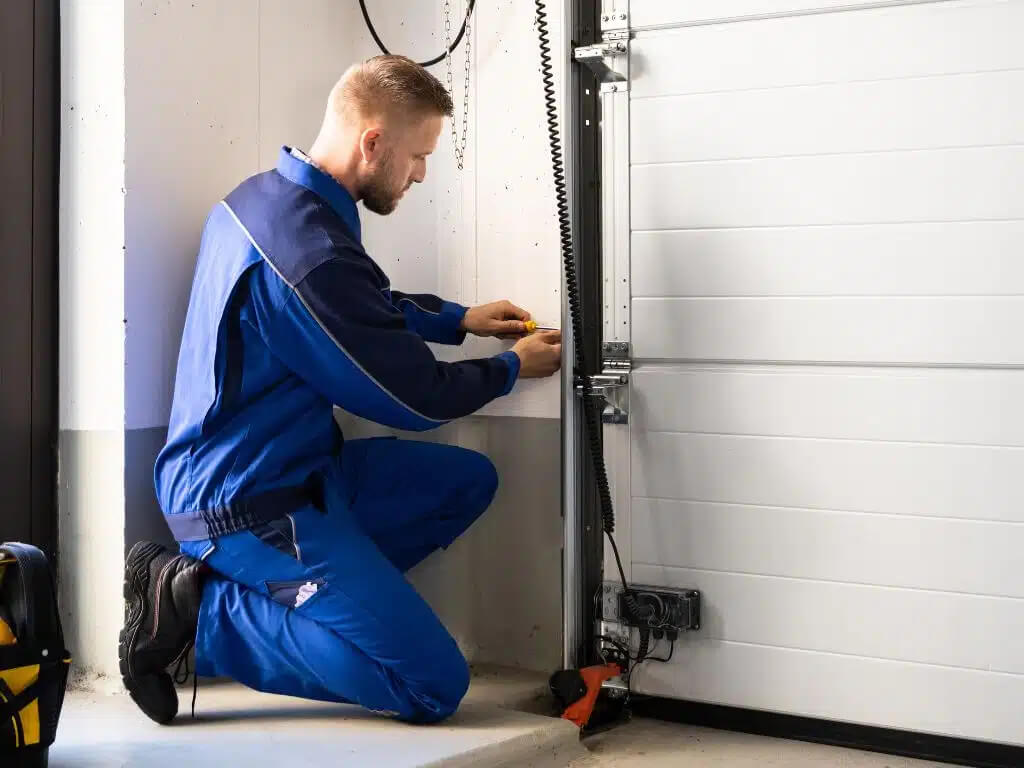
A complete maintenance routine involves several steps. Each step checks a different part of the door. Doing them in order helps you spot problems early.
1. Inspect The Door And Hardware
Start by looking at the garage door from inside and outside. Check for signs of wear, rust, dents, or cracks. Examine the panels, hinges, rollers, tracks, and springs.
What to look for:
- Loose screws or bolts
- Rust or corrosion
- Cracked panels
- Bent tracks
- Worn rollers
If you see damage, fix it right away. Small problems often turn into big repairs if ignored.
2. Clean The Garage Door
Dirt, dust, and grime can build up on your garage door. Cleaning keeps it looking good and protects the finish.
Cleaning steps:
- Mix mild soap with water.
- Use a soft sponge or cloth to wash the door.
- Rinse with clean water.
- Dry with a towel.
Tip: For steel doors, avoid abrasive cleaners. For wooden doors, check for signs of rot or peeling paint.
3. Lubricate Moving Parts
Proper lubrication is key for smooth operation and less noise. Lubricate all moving parts, but use the right product.
Parts to lubricate:
- Rollers
- Hinges
- Springs
- Tracks (wipe, but don’t lubricate)
Apply a small amount of lubricant. Wipe off excess to prevent attracting dust.
Frequency: Lubricate every 6 months.
4. Check The Balance Of The Door
A garage door must be balanced. If it’s not, the opener and springs will wear out quickly.
How to check balance:
- Disconnect the opener (use the release handle).
- Lift the door halfway by hand.
- Let go—the door should stay in place.
If the door moves up or down, it’s unbalanced. You may need to adjust the springs. For safety, call a professional for spring adjustments.
5. Inspect And Tighten Hardware
Garage doors move hundreds of times a year. Vibration can loosen screws, nuts, and bolts.
Go over all hardware:
- Hinges
- Brackets
- Track supports
Tighten anything loose. Use a wrench or screwdriver.
6. Check And Clean Tracks
Tracks guide the door as it opens and closes. Dirt and debris can cause the door to stick.
Track maintenance:
- Wipe tracks with a damp cloth.
- Remove any buildup.
- Look for bends or damage.
Do not lubricate tracks—just clean them.
7. Inspect Rollers
Rollers help the door move smoothly. Over time, they can crack or wear out.
Roller check:
- Look for cracks, chips, or worn edges.
- Replace any damaged rollers.
Most rollers last about 7 years. Nylon rollers are quieter than steel.
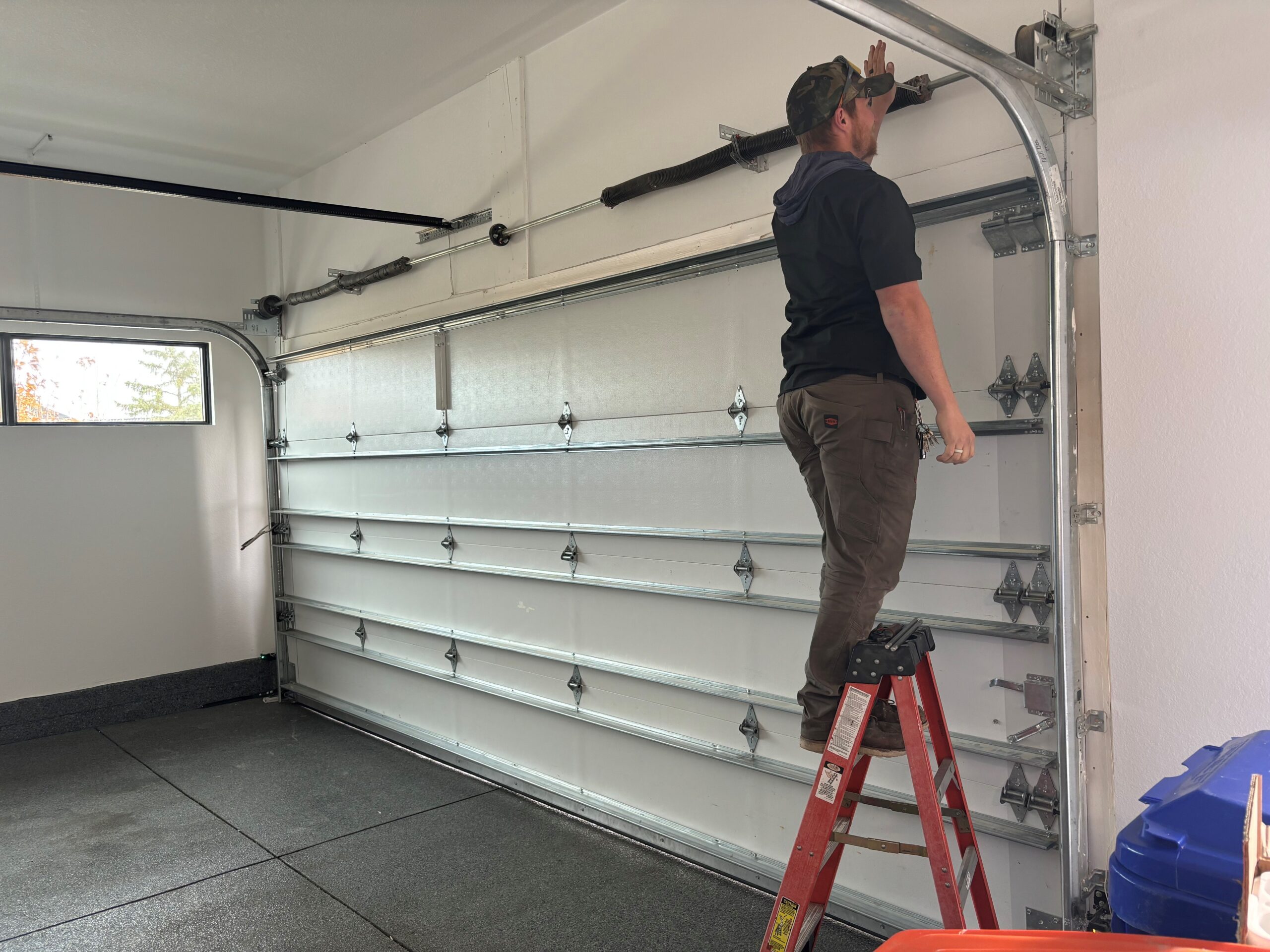
8. Test And Maintain Springs
Springs do most of the heavy lifting. Broken springs can be dangerous.
Spring check:
- Look for gaps or rust.
- Listen for squeaks or grinding.
If you notice problems, call a professional. Never try to adjust high-tension springs yourself.
9. Examine Cables
Cables work with springs to lift the door. Frayed or broken cables are a safety hazard.
Look for:
- Frayed wires
- Rust
- Loose ends
If you see damage, call a technician. Do not attempt cable repairs yourself.
10. Check The Weatherstripping
Weatherstripping seals the door against wind, rain, and pests. It wears out with time.
Inspect the bottom seal and the sides:
- Look for cracks or gaps.
- Replace any damaged strips.
Use a silicone spray to keep weatherstripping soft and flexible.
11. Test The Garage Door Opener
Modern garage doors use automatic openers. Opener problems can make the door unreliable.
Opener tests:
- Press the button—does the door move smoothly?
- Listen for noises.
- Check the remote battery.
- Inspect wiring for wear.
If the opener hesitates or makes loud noises, service it or consult a pro.
12. Test Safety Features
Garage door openers have safety features to prevent accidents.
Key features:
- Auto-reverse: Door should go up if it hits an object.
- Photo-eye sensors: Should stop the door if something is in the way.
How to test:
- Place a block under the door. Close it—the door should reverse.
- Wave your hand in front of the sensor—the door should stop.
If these features don’t work, adjust the sensors or call for repairs.
13. Inspect Door Alignment
Misaligned doors can cause uneven wear and noisy operation.
Check:
- Is the door level?
- Do both sides move at the same speed?
If not, the tracks may need adjustment. Use a level to check alignment.
14. Paint And Protect The Door
Painting isn’t just about looks. It protects wood and steel doors from weather.
For wood doors:
- Sand and paint every 2-3 years.
- Check for rot.
For steel doors:
- Touch up scratches to prevent rust.
Use exterior-grade paint.
15. Monitor For Unusual Sounds
Garage doors should not make loud noises. Listen as it opens and closes.
Common sounds:
- Squeaks: Usually need lubrication.
- Grinding: May indicate worn rollers or tracks.
- Banging: Could mean loose hardware.
Address strange noises right away.
16. Check Remote Controls And Keypads
Remote controls and keypads can stop working due to battery or wiring issues.
Steps:
- Replace batteries yearly.
- Clean keypad buttons.
- Check for signal interference.
If you have trouble, try resetting the opener.
17. Review Owner’s Manual
Most garage doors come with a manual. It has specific maintenance tips for your model.
Tip: Keep the manual in a safe place. Refer to it for troubleshooting.
Maintenance Schedule Comparison
Different parts of the garage door need maintenance at different intervals. Here’s a comparison:
| Part | Frequency | Task |
|---|---|---|
| Rollers | Every 6 months | Inspect, lubricate |
| Springs | Yearly | Inspect |
| Tracks | Every 3 months | Clean |
| Weatherstripping | Yearly | Inspect, replace if needed |
| Door panels | Yearly | Clean, paint |
| Opener | Yearly | Test safety features |
Non-obvious insight: Most people forget to check the opener’s safety features. This should be done at least once a year.
Choosing Garage Door Lubricants
Not all lubricants are the same. Using the wrong product can cause more harm than good.
| Lubricant Type | Best For | Pros | Cons |
|---|---|---|---|
| Silicone Spray | Weatherstripping, tracks | Long-lasting, repels moisture | Can be expensive |
| White Lithium Grease | Rollers, hinges | Thick, good protection | Messy if over-applied |
| WD-40 | Removing rust | Good for cleaning | Not a lubricant, attracts dirt |
Pro tip: Use white lithium grease for most moving parts. Avoid WD-40 as a lubricant.
Signs Your Garage Door Needs Professional Help
While most maintenance can be done at home, some problems need a professional. Don’t risk injury—call an expert if you see:
- Broken or stretched springs
- Frayed cables
- Bent tracks
- Door won’t open or close
- Opener fails repeatedly
Professionals have the right tools and training to handle these issues safely.

Common Mistakes In Garage Door Maintenance
It’s easy to make mistakes, especially for beginners. Here are some to avoid:
- Using the wrong lubricant: Causes buildup and damage.
- Ignoring small noises: These often signal bigger problems.
- Over-tightening bolts: Can crack panels or hardware.
- Trying to fix springs or cables alone: Dangerous, best left to professionals.
- Skipping maintenance: Leads to costly repairs.
Non-obvious insight: Many people over-lubricate their garage door. Too much grease attracts dirt and makes parts stick.
How Weather Affects Garage Door Maintenance
Weather plays a big role in garage door health. Extreme temperatures, humidity, and storms can cause wear.
Cold weather:
- Springs and lubricants stiffen.
- Panels contract, causing gaps.
Hot weather:
- Paint fades.
- Weatherstripping dries out.
Rain and humidity:
- Rust forms on steel parts.
- Wood doors swell or rot.
Adjust your maintenance for your climate. For example, in humid areas, clean and lubricate more often.
Wood Vs Steel Garage Doors: Maintenance Differences
Each material needs different care. Here’s a comparison:
| Material | Maintenance Needs | Durability | Common Issues |
|---|---|---|---|
| Wood | Paint, inspect for rot | Medium | Rot, swelling, peeling paint |
| Steel | Rust prevention, touch-up paint | High | Rust, dents |
| Aluminum | Minimal, clean regularly | High | Dents |
Tip: Wood doors need more frequent painting and inspection, while steel doors require rust checks.
How To Make Garage Door Maintenance Easier
Maintenance can seem overwhelming, but a few tricks help:
- Set a reminder every 6 months.
- Keep tools and lubricant in the garage.
- Use a checklist for each maintenance session.
- Watch tutorial videos for your door model.
- Record problems in a notebook for future reference.
Pro tip: Involve a family member. Two people make the job faster and safer.
When To Replace Your Garage Door
Even with good maintenance, garage doors don’t last forever. Most doors last 15–30 years, depending on use and material.
Signs it’s time to replace:
- Large cracks or rot
- Repeated breakdowns
- Outdated opener (older than 10 years)
- Poor security features
A new garage door improves safety, energy efficiency, and curb appeal.
Garage Door Maintenance Costs
Many homeowners worry about costs. The good news: regular maintenance is cheap compared to repairs.
Average costs:
- DIY maintenance: $20–$50 per year (lubricants, cleaning supplies)
- Professional tune-up: $80–$150 per visit
- Spring replacement: $100–$300
- New opener: $200–$500
Fact: Spending $50 a year on maintenance can save you $500 or more in repairs over time.
Garage Door Maintenance Tips For Beginners
If you’re new to garage door care, start simple:
- Focus on cleaning, lubrication, and tightening hardware.
- Don’t try to fix springs or cables—call an expert.
- Test safety features regularly.
- Keep a record of maintenance dates.
Non-obvious insight: Many people forget to check the weatherstripping. This small part can cause big energy losses if damaged.
Recommended Resources
To learn more about garage door maintenance and repair, visit Family Handyman for expert guides and how-to videos.
Frequently Asked Questions
How Often Should I Maintain My Garage Door?
Most experts recommend garage door maintenance every 6 months. Clean, lubricate, and check all parts twice a year. For high-use doors, check every 3 months.
What Is The Best Lubricant For Garage Doors?
Use white lithium grease or silicone spray. Avoid WD-40, as it’s not a real lubricant and attracts dirt. Apply lubricant sparingly to rollers, hinges, and springs.
Can I Fix Garage Door Springs Myself?
No. Garage door springs are under high tension and can cause injury. Always hire a professional for spring repairs or replacements.
Why Does My Garage Door Make Loud Noises?
Noises often mean lack of lubrication, worn rollers, or loose hardware. Lubricate moving parts and tighten bolts. If noise continues, inspect tracks and rollers.
How Long Does A Garage Door Last With Regular Maintenance?
Most garage doors last 15–30 years with proper care. Maintenance extends life and prevents costly repairs. Replace parts as needed to keep your door safe.
Maintaining your garage door is simple once you know what to check and how often. With these steps, tips, and insights, you can avoid most problems and keep your door working smoothly for years. Regular care protects your home, saves money, and gives peace of mind.
Make garage door maintenance a routine, and enjoy a safer, quieter, and longer-lasting door.