
If you’re planning to build, renovate, or upgrade your garage, one key detail often stands out: How wide is a double garage door? This question might seem simple, but the answer can affect everything from daily convenience to the future value of your home. Choosing the right garage door width is not just about fitting your vehicles; it’s about making your life easier and avoiding costly mistakes. In this guide, you’ll learn everything you need to know about double garage door widths, why they matter, and how to pick the best size for your needs.
You may think all double garage doors are the same size. They’re not. There are industry standards, but there are also exceptions. The “right” width depends on your property, car size, local building codes, and even personal lifestyle. Let’s break down the numbers, highlight the most common choices, and explore real scenarios so you can make a confident decision.
What Is A Double Garage Door?
A double garage door is designed to cover a two-car garage opening with a single, wide door. Unlike two separate single doors, a double door provides one large entryway for both vehicles. This setup is popular in modern homes for its clean look and convenience.
Why Homeowners Choose Double Doors
- Ease of use: One large door means fewer moving parts and a single point of entry.
- Style: Many homeowners prefer the unified appearance.
- Space efficiency: Without a center post, it’s easier to move wide vehicles, boats, or equipment.
But, double doors aren’t right for everyone. They require more headroom for the opener, and in the event of a mechanical failure, access to the garage can be completely blocked.
Standard Widths For Double Garage Doors
The most common question is: What is the standard width for a double garage door? Here are the typical sizes you’ll see in the United States.
| Double Door Size (feet) | Double Door Size (inches) | Most Common Use |
|---|---|---|
| 12 feet | 144 inches | Older homes, small garages |
| 14 feet | 168 inches | Compact cars, limited space |
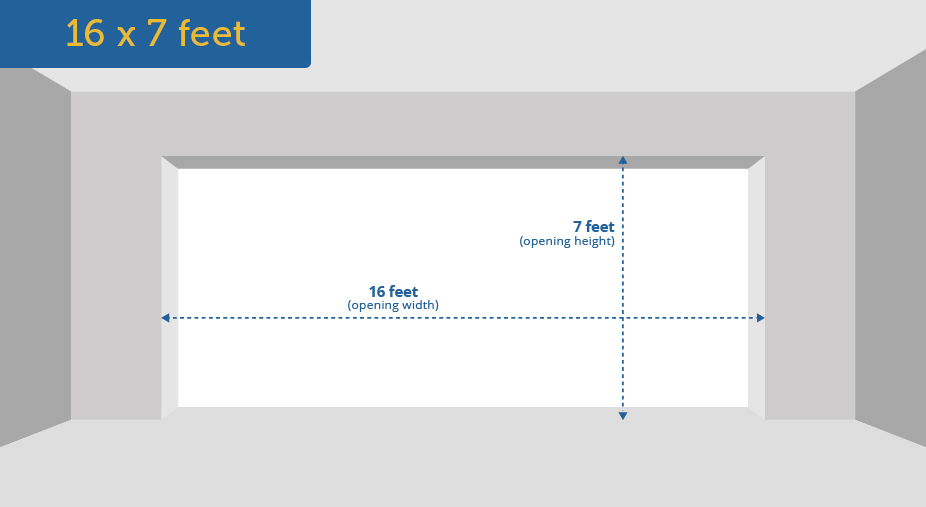
| 16 feet | 192 inches | Standard in most new homes |
| 18 feet | 216 inches | Large vehicles, extra storage |
The 16-foot wide garage door is the most popular size for double garages today. It offers enough room for two medium-sized vehicles to park side by side, with some space to open doors comfortably.
Why Not Go Smaller Or Larger?
A 12-foot or 14-foot door might save you money, but you’ll likely feel cramped, especially with SUVs or pickup trucks. On the other hand, 18-foot doors are great for oversized vehicles or for extra storage space, but they require a larger wall opening and cost more.
Height Matters Too
While width is the focus, don’t ignore height. Most double garage doors are 7 feet (84 inches) or 8 feet (96 inches) tall.
| Door Height (feet) | Door Height (inches) | Suitable For |
|---|---|---|
| 7 feet | 84 inches | Standard cars, most homes |
| 8 feet | 96 inches | Tall SUVs, trucks, roof racks |
Choosing the right height is critical if you drive a large SUV, truck, or van, or if you want to store roof-mounted equipment. Some custom homes even have doors taller than 8 feet, but these are less common.
Factors That Influence Double Garage Door Width
Not every garage can use the same door size. Here are the main factors that affect your choice:
1. Vehicle Size
Measure your vehicles, including mirrors, and consider future purchases. A compact car and a full-size pickup need different amounts of space. Allow at least 2 feet of extra width on each side of the widest car for comfort.
2. Garage Interior Space
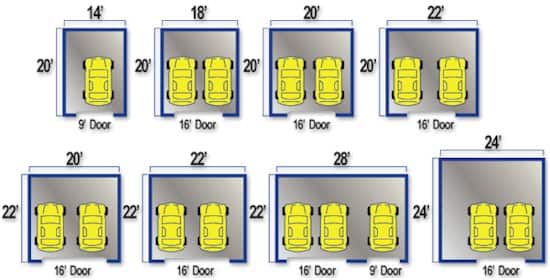
The width of your garage walls limits the door size. Most two-car garages are 20 to 24 feet wide. If the garage is on the smaller side, an 18-foot door may not fit.
3. Structural Support
A wider door means a wider opening. Your garage wall must be strong enough to support the load above the door. This sometimes requires extra framing or a steel beam.
4. Local Building Codes
Some regions have rules about garage door sizes, especially for fire safety or historic homes. Always check with your local building department before choosing a size.
5. Driveway Space
A narrow driveway makes it hard to park two cars side by side. If your driveway is tight, a larger door can make parking much easier.
6. Storage Needs
Do you keep bikes, tools, or a workbench in the garage? You may want a wider door for easier access to storage along the walls.
7. Aesthetics
Wider doors can look out of place on smaller homes. The garage door should match your home’s style and proportions.
Pros And Cons Of Different Double Garage Door Widths
Let’s look at the advantages and drawbacks of common double garage door sizes.
| Width | Pros | Cons |
|---|---|---|
| 12 ft | Lower cost; fits compact garages | Cramped for two cars; limits vehicle size |
| 14 ft | Fits smaller vehicles; affordable | Still tight for large cars or SUVs |
| 16 ft | Best for most homes; fits most cars | May not fit two extra-large vehicles |
| 18 ft | Plenty of space; fits trucks, storage | More expensive; needs larger garage |
Single Vs. Double Garage Doors: Which Is Better?
Some homeowners wonder if they should get two single garage doors (typically 8 or 9 feet each) instead of one double door. Here’s how they compare:
Single doors:
- If one opener fails, you can still use the other door.
- Offers more privacy for each car.
- Needs more wall space between doors (center post).
Double doors:
- Easier for wide vehicles or if you want to use the garage for hobbies.
- Cleaner, modern look.
- Can be more energy-efficient (less wall area exposed).
Choosing between these depends on your needs, but for most people, a double garage door is more flexible.
How To Measure For A Double Garage Door
Before ordering, precise measurement is crucial. Here’s how you do it:
- Measure the opening width: Inside edge to inside edge of the finished garage opening.
- Measure the opening height: Floor to the bottom of the header.
- Check side room: At least 3.5–5 inches on each side for tracks.
- Check headroom: Minimum 12 inches above the opening for the door and opener.
- Check backroom: Enough depth inside the garage to fit the door when it’s open (usually the door height plus 18 inches).
Tip: Never measure the door itself—always measure the finished opening. If in doubt, ask a professional installer to double-check.
Custom Double Garage Door Widths
While 16 feet is the standard, custom sizes are available. Builders sometimes order 15-foot or 17-foot doors for unique homes, or even larger for RV garages. Custom doors are more expensive, but they can solve unique problems:
- Fit unusual vehicle combinations (like a boat and a compact car)
- Work in non-standard garage designs
- Match architectural features
Keep in mind that custom sizes may have longer lead times and limited style options.
Garage Door Materials And How They Affect Width
Garage door width isn’t only about the opening; the material matters, too. Here’s why:
Steel
Most common for double doors. Strong, durable, and available in wide sizes with minimal flex.
Wood
Heavier than steel. Wide wood doors may need extra support to prevent sagging.
Aluminum
Lightweight and rust-resistant. Good for wide doors but can dent easily.
Fiberglass
Not as strong for extra-wide doors but good for humid climates.
Composite
A blend of materials. Can be made strong enough for wide openings but may cost more.
When ordering a wide double door, choose a material that won’t warp or sag. Wider doors put more stress on the frame and opener.
Insulation And Energy Efficiency
Wider doors have more surface area and can lose more heat. Insulated double garage doors can make a big difference, especially if your garage is attached to your home.
- Polystyrene panels: Basic insulation, adds some strength.
- Polyurethane foam: Better insulation, makes the door quieter and stiffer.
If you use your garage as a workshop or have living space above it, investing in a well-insulated door is wise.
Cost Of Double Garage Doors By Width
Price depends on material, design, and features, but here’s a rough guide for standard steel doors (excluding installation):
- 12-foot: $900–$1,200
- 14-foot: $1,000–$1,400
- 16-foot: $1,200–$2,000
- 18-foot: $1,600–$2,800
Custom doors, premium finishes, windows, or insulation will increase the cost.
Installation adds $300–$700 on average. Larger, heavier doors cost more to install.
Common Mistakes When Choosing Double Garage Door Width
Many homeowners regret not considering these points:
- Ignoring future needs: You may buy a larger vehicle or need extra storage later.
- Not measuring carefully: An inch can make the difference between easy parking and daily frustration.
- Overlooking building codes: Skipping permits can lead to fines or forced changes.
- Choosing style over function: A door that looks good but is too narrow is a daily headache.
- Forgetting about driveway alignment: If your driveway is angled, a wider door might be necessary for easy entry.
Insider tip: Always “test” your planned width with your current vehicles before ordering. Park them side by side, open all the doors, and measure the needed space.
How Double Garage Door Width Affects Home Value
A garage that’s easy to use is a selling point. Real estate experts agree: A 16-foot wide double garage door is ideal for most buyers. Too narrow, and buyers see inconvenience. Too wide, and it may look odd or out of place.
A practical, well-sized garage door can increase curb appeal and boost resale value. In high-end neighborhoods, buyers expect wider doors for luxury vehicles.
Upgrading Or Replacing Your Double Garage Door
If your current door is too narrow or outdated, upgrading can add comfort and value. Here’s what to consider:
- Framing changes: Widening the opening may require structural work.
- Permits: Most areas require a permit for changes to the garage door opening.
- Opener strength: Wider doors need more powerful openers.
- Style match: Choose a door that fits your home’s overall look.
Professional installation is recommended for large or custom doors. Mistakes with framing or balance can be costly and dangerous.
Popular Styles And Features For Double Garage Doors
The width isn’t the only factor. Modern double garage doors come with many features:
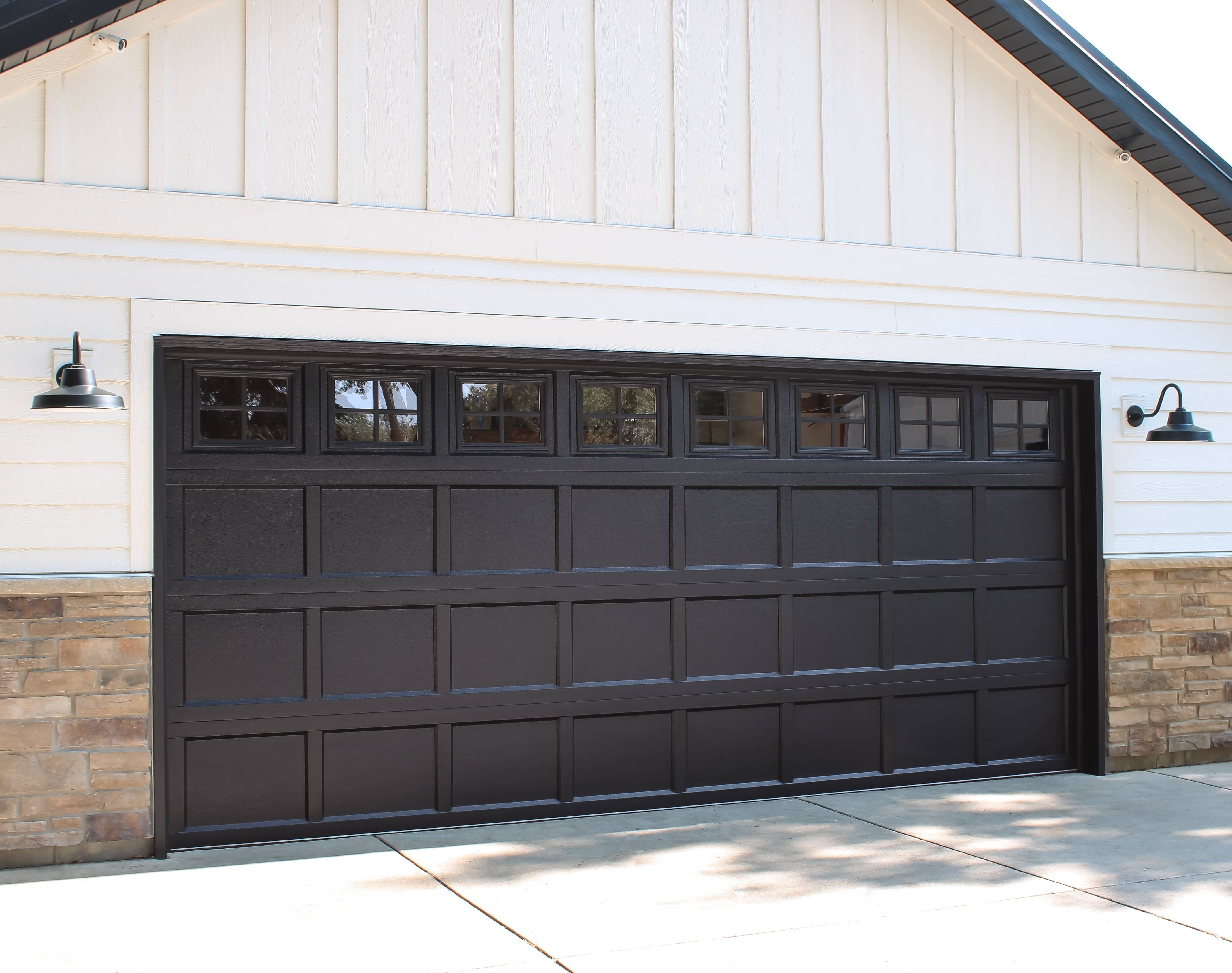
- Windows: Add light and style.
- Decorative hardware: Handles, hinges, and trim.
- Smart openers: Control your door with a smartphone app.
- Wind and impact ratings: Important in hurricane-prone areas.
Choose features based on your climate, security needs, and personal taste.
Real-world Examples
Let’s look at some scenarios:
- A suburban family: Two SUVs, kids’ bikes, and storage shelves. A 16-foot door is a tight fit; an 18-foot door gives more comfort.
- A retired couple: Compact cars, no extra storage needs. A 14-foot door works, but 16 feet leaves more room for visitors.
- A car collector: Multiple vehicles, often parked side by side. A custom 18-foot or even wider door may be needed.
No two garages are exactly alike. Think about how you’ll use the space, not just what’s popular.
Installation Tips And Best Practices
- Hire professionals for measuring and installation. Wide doors are heavy and dangerous if mishandled.
- Check opener compatibility. Not all openers can handle extra-wide doors.
- Maintain balance. A poorly balanced wide door can damage the opener and wear out quickly.
- Test safety features. Wide doors need reliable sensors to prevent accidents.
Maintenance For Wide Double Garage Doors
Wider doors have more weight and moving parts. Regular maintenance includes:
- Lubricate hinges and rollers every 6–12 months.
- Check the balance and spring tension yearly.
- Inspect weatherstripping for gaps or wear.
- Test the auto-reverse feature to ensure safety.
A little care extends your door’s life and keeps it operating smoothly.
When To Choose A Non-standard Width
Not every situation fits the mold. Choose a non-standard width if:
- Your vehicles are especially large or small.
- The garage is unusually shaped.
- You need wheelchair or equipment access.
- Your home’s architecture demands a unique look.
Custom does not always mean better. It means tailored to your situation.
Building Codes And Regulations
Always check local building codes before changing your garage door width. Codes may specify:
- Minimum and maximum door sizes
- Fire separation requirements
- Wind or impact resistance
- Setback from property lines
Ignoring codes can cause delays, fines, or even require you to redo the work.
A useful resource for building codes is the International Code Council.
Frequently Asked Questions
How Wide Is A Standard Double Garage Door?
The most common width for a double garage door is 16 feet (192 inches). Some homes use 14-foot or 18-foot doors, but 16 feet is considered standard for most two-car garages.
Can I Fit Two Suvs Through A 16-foot Wide Garage Door?
Yes, two medium-sized SUVs will fit through a 16-foot door, though it may be a tight squeeze. For extra-large vehicles or if you need more room to open car doors comfortably, consider an 18-foot wide door.
Is It Possible To Widen An Existing Double Garage Door?
Yes, but it often requires structural changes to the garage wall and header. You’ll need a professional to assess whether your garage can safely accommodate a wider door.
Does The Width Of The Garage Door Affect The Cost?
Absolutely. Wider doors use more material and require stronger openers and tracks, which increases both material and installation costs. Custom sizes or premium materials also add to the price.
What Is The Best Material For A Wide Double Garage Door?
Steel is the best all-around choice for most wide double garage doors due to its strength, durability, and availability in large sizes. For a more traditional look, wood is an option, but it requires more maintenance and support.
Choosing the right double garage door width is a decision that affects your daily life, your home’s curb appeal, and even its value. Take the time to measure carefully, consider your current and future needs, and consult with professionals if you’re unsure.
With the right information, you’ll end up with a garage that works for you—not against you.