
The sudden silence after a power outage can be unsettling, but when your garage door refuses to budge, it can escalate into a significant inconvenience. You might be stranded, unable to leave your home, or conversely, unable to secure your property.
This common predicament often leaves homeowners scratching their heads, wondering if the outage has permanently damaged their garage door opener. Fortunately, in most cases, a garage door that won’t open after a power outage is a solvable problem, often requiring simple troubleshooting steps rather than expensive repairs.
Understanding the mechanics behind your garage door opener and how it interacts with the electrical grid is key to diagnosing and resolving this issue. Modern garage door openers are sophisticated pieces of equipment, and while they are designed to withstand various conditions, a complete loss of power can trigger specific responses or reveal underlying issues.
This guide will walk you through the common reasons why your garage door might be unresponsive post-outage and provide clear, actionable steps to get it operating again.
Key Takeaways
- A power outage can cause your garage door opener to lose its programmed settings or require a reset.
- Always engage the manual release cord to operate the door by hand during power outages or for troubleshooting.
- Check the circuit breaker and GFCI outlets for tripped connections as the first line of defense.
- Remote control issues (dead batteries, programming loss) are common after power interruptions.
- Safety sensors might become misaligned or obstructed, preventing automatic operation.
- A hard reset of the garage door opener unit is often necessary.
- If troubleshooting fails, professional inspection is recommended to rule out mechanical or electrical failures.
Credit: www.youtube.com
Understanding Garage Door Opener Systems And Power Outages
Garage door openers are essentially electric motors connected to a drive mechanism that lifts and lowers your garage door. They rely on a steady supply of electricity to function. When a power outage occurs, the flow of electricity is interrupted, causing the opener to stop working.
However, the problem isn’t usually that the power outage *broke* the opener, but rather that the opener needs to re-establish its connection to the power source and, in some cases, its programmed settings.
The Role Of The Emergency Release Cord
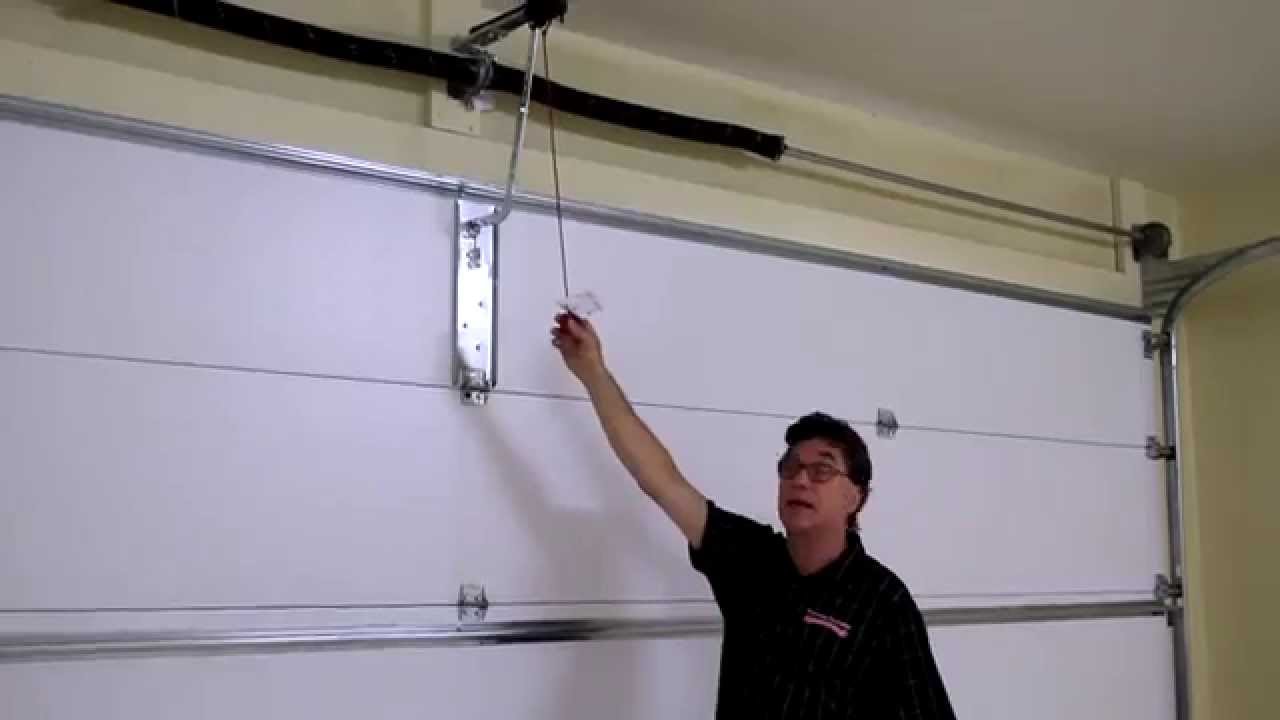
One of the most crucial components for dealing with power outages is the emergency release cord. This is typically a red rope hanging from the trolley of the opener’s track. Pulling this cord disengages the opener motor from the garage door itself, allowing you to lift or lower the door manually. This is essential for several reasons:
- Immediate Access: If you need to get your car out or enter your home during an outage, manually operating the door is your primary method.
- Troubleshooting: It allows you to check if the door moves freely on its tracks without the resistance of the opener motor. A stiff or stuck door can prevent the opener from working even after power is restored.
- Safety: It prevents accidental activation of the opener while you’re working on it or if the power surges back unexpectedly.
Pro Tip: Always know the location of your emergency release cord and ensure it’s accessible. Familiarize yourself with how to engage and disengage it. For detailed instructions on manual operation, consult how to open your garage door manually.
How Power Surges And Outages Affect Electronics
Power outages are often accompanied by power surges when the electricity is restored. These surges can sometimes be strong enough to damage sensitive electronic components within the garage door opener. While most modern openers have some level of protection, older models or those without surge protectors might be more vulnerable. This is why, after an outage, it’s not uncommon for the opener to behave erratically or stop working altogether if its internal electronics have been affected.
Opener Types And Their Reactions
Different types of garage door openers (chain drive, belt drive, screw drive) might react slightly differently to power loss. However, the fundamental principles of electrical interruption and the need for manual release remain the same. The drive mechanism itself (chain, belt, or screw) is what moves the door, but the logic board within the opener controls its operation and is the most susceptible part to electrical disturbances.
Initial Troubleshooting: The Simplest Solutions First
Before diving into more complex diagnostics, it’s vital to start with the most straightforward checks. Many issues that arise after a power outage are surprisingly simple to fix.
Checking The Power Source: Breakers And Gfci Outlets
The first step is always to ensure the opener unit itself is receiving power.
- Circuit Breaker: Locate your home’s main electrical panel. Find the breaker that controls the garage door opener (it might be labeled “Garage Door,” “Garage Opener,” or share a circuit with other outlets or lights). If the breaker is in the “off” position or in the middle “tripped” position, flip it completely off and then back on to reset it. If it trips again immediately, there might be a short circuit or an overload, and you should consult an electrician.
- GFCI Outlets: Some garage door openers are plugged into Ground Fault Circuit Interrupter (GFCI) outlets, often found in garages or bathrooms. These outlets have “Test” and “Reset” buttons. If the opener isn’t working, check the outlet it’s plugged into. If it’s a GFCI outlet and the power is out, the GFCI may have tripped. Press the “Reset” button firmly. If it doesn’t reset, or trips again, there’s likely an issue with the outlet or the connected appliance.
Verifying The Manual Release
As mentioned earlier, the manual release cord is your gateway to operating the door manually.
- Locate the cord: It’s usually a red rope hanging from the opener’s motor unit carriage.
- Pull the cord: Pull it down and slightly back towards the motor unit. You should hear or feel a click as the carriage disconnects from the drive mechanism.
- Lift the door: The door should now be liftable by hand. If it’s still heavy or stuck, there might be a mechanical problem with the door’s springs or tracks, independent of the power outage.
- Re-engaging the opener: Once power is restored and you’ve troubleshooted, you’ll need to re-engage the opener. This usually involves pulling the cord again or running the opener through a cycle to re-latch the carriage. Refer to your opener’s manual for specific instructions.
Inspecting The Opener Unit Itself
With the door disengaged, take a look at the opener motor unit.
- Is it lit? If the unit has an indicator light, is it on? If not, the issue is likely with the power supply (breaker, outlet, or internal wiring).
- Any unusual noises? When you try to operate it (after re-engaging), are there grinding sounds, clicking, or humming without movement? This could indicate a stripped gear, a motor issue, or a problem with the drive mechanism.
- Visible damage: Check for any signs of burnt wires, melted plastic, or other physical damage to the unit.

Credit: farnsworthgarage.com
Resetting Your Garage Door Opener
After a power outage, the opener’s logic board might need a reset to clear any error codes or re-establish communication. This process varies by manufacturer and model.
Hard Resetting The Opener Unit
A hard reset often involves completely cutting power to the opener for a period and then restoring it, forcing the unit to reboot.
- Unplug the opener: Disconnect the opener from the power outlet.
- Disconnect the battery (if applicable): Some openers have a battery backup. If yours does, disconnect or remove the battery.
- Wait: Leave the opener unplugged for at least 5-10 minutes. This allows any residual power to dissipate and the internal memory to clear.
- Reconnect: Plug the opener back into the outlet and reconnect the battery if you removed it.
- Test: Try operating the door using the wall button first. If that works, then try the remote.
Reprogramming Remotes And Keypads
Power interruptions can sometimes cause garage door remotes and keypads to lose their programming.
- Remotes: You’ll likely need to reprogram your remote to communicate with the opener again. This typically involves pressing a “Learn” or “Program” button on the motor unit and then pressing a button on your remote. The exact procedure varies significantly by brand (e.g., LiftMaster, Chamberlain, Genie). For specific instructions, you might need to consult your opener’s manual or look up guides like how to reset a LiftMaster garage door opener remote.
- Keypads: External keypads also often require reprogramming. Similar to remotes, there’s usually a “Learn” button on the motor unit. You’ll then enter a code on the keypad and press a sequence of buttons. Again, refer to your manual. Guides such as how to reprogram a Genie garage door keypad can be very helpful.
Example: After a recent storm, my neighbor’s Genie opener stopped responding to remotes. We followed the steps to locate the “Learn” button on the motor unit, pressed it, and then entered their chosen code on the keypad followed by the Enter button. This re-established the connection, and the remotes worked again.
Checking The Logic Board
The logic board is the “brain” of your garage door opener. If it has been damaged by a power surge, it might need replacement.
- Visual Inspection: Open the motor unit housing (ensure power is OFF and the unit is unplugged). Look for any signs of burnt components, discoloration, or physical damage on the circuit board.
- Professional Diagnosis: If you suspect logic board damage, it’s best to have a professional diagnose it. Replacing a logic board can be complex and costly, and sometimes a full opener replacement is more economical.

Credit: austinsgaragedoors.com
Troubleshooting Remote And Sensor Issues
Even if the opener unit seems functional, problems with remote communication or safety sensors can prevent the door from operating correctly after a power cycle.
Remote Control Malfunctions
Beyond lost programming, remote issues can stem from:
- Dead Batteries: The simplest explanation is often the correct one. Replace the battery in your remote with a fresh one.
- Range Issues: Sometimes, the opener’s antenna might be obstructed or damaged, reducing the remote’s effective range.
- Interference: Other electronic devices can sometimes interfere with remote signals.
Safety Sensor Alignment And Obstructions
The safety sensors are small photoelectric eyes located near the bottom of the garage door tracks. They are designed to detect obstructions and prevent the door from closing on a person, pet, or object.
- Obstructions: Check if anything is blocking the beam between the two sensors (e.g., a broom, storage items, debris).
- Misalignment: The sensors might have been knocked out of alignment during the power outage or subsequent manual door operation. Look for indicator lights on the sensors. Typically, one sensor has a steady light, and the other has a blinking light when they are properly aligned and communicating. If both lights are off, or both are blinking erratically, they are likely misaligned.
- Cleaning: Dust or dirt on the sensor lenses can also disrupt the beam. Clean them gently with a soft cloth.
How to Realign Safety Sensors:
- Locate sensors: Identify the sender and receiver sensors on each side of the garage door tracks.
- Check indicator lights: Observe the lights on both sensors. One usually has a solid light (power indicator), and the other has a blinking light (receiving indicator).
- Adjust: If the receiving sensor’s light is off or blinking inconsistently, gently adjust the sensor’s position. Loosen the mounting bracket slightly and pivot the sensor until the indicator light becomes steady or the blinking pattern indicates a solid connection.
- Test: Once aligned, try operating the door with the remote.
Example: My garage door opener would only close the door partially and then reverse. After checking the circuit breaker and reprogramming the remote, I noticed the small LED light on one of the safety sensors was off. I found a stray tennis ball had rolled in front of it. Removing the ball allowed the light to come back on, and the door operated normally.
Mechanical Issues Unmasked By Power Loss
Sometimes, a power outage doesn’t cause the problem but rather *reveals* an existing mechanical issue that the opener’s motor was compensating for.
Inspecting The Tracks And Rollers
With the opener disengaged, manually operate the door to check its movement.
- Obstructions: Ensure the tracks are clear of debris, rocks, or anything that could impede the rollers.
- Bent or Damaged Tracks: Look for any signs of damage, bends, or dents in the tracks. These can cause the rollers to bind.
- Worn Rollers: Check the condition of the rollers. If they are cracked, worn down, or seized, they will make the door difficult to move. Lubricating rollers can often help, as detailed in guides like how to lube garage door rollers.
The Garage Door Springs: A Critical Component
Garage door springs (torsion springs above the door or extension springs along the tracks) are under immense tension and are responsible for counterbalancing the weight of the door.
- Broken Springs: A broken spring is a serious safety hazard and will make the door extremely heavy and difficult, if not impossible, to lift manually. You will likely see a distinct gap in the spring if it’s broken.
- Stretched or Weak Springs: Over time, springs can lose tension. If the door feels excessively heavy when you lift it manually, the springs might be weak.
Warning: Never attempt to adjust or repair garage door springs yourself. They store a tremendous amount of energy and can cause severe injury or death. Always call a qualified garage door technician for any spring-related issues.
The Drive Chain Or Belt Tension
If you have a chain drive or belt drive opener, the tension on the chain or belt is crucial.
- Loose Chain/Belt: A loose chain or belt can slip, causing the opener to make noise but not move the door effectively. You might hear grinding or skipping sounds. Adjusting the tension may be necessary, as outlined in guides like how to adjust the chain on a garage door opener.
- Tight Chain/Belt: Conversely, a chain or belt that is too tight can put excessive strain on the motor and other components.
When To Call A Professional
While many issues can be resolved with DIY troubleshooting, there are times when professional help is indispensable.
Signs You Need Professional Assistance
- Broken Springs: As mentioned, this is a critical safety issue.
- Damaged Tracks or Rollers: If the door is physically damaged or stuck in the tracks.
- Opener Motor Not Responding: If you’ve checked power, reset the unit, and the motor still shows no signs of life (no lights, no hum).
- Grinding or Unusual Noises: Persistent loud or unusual noises from the opener motor unit itself.
- Logic Board Failure: If diagnostics point to a failed logic board and you’re not comfortable replacing it.
- Repeated Tripping Breakers: Indicates an electrical fault that needs professional diagnosis.
- Lack of Confidence: If at any point you feel uncomfortable or unsafe performing a troubleshooting step.
What A Professional Will Do
A qualified garage door technician will have the tools and expertise to:
- Safely diagnose the exact cause of the problem.
- Perform necessary repairs or replacements, including handling high-tension springs.
- Test the system thoroughly to ensure it operates smoothly and safely.
- Advise on preventative maintenance to avoid future issues.
The cost of a professional service call can vary, but it’s often a worthwhile investment for safety and peace of mind. Understanding the general costs involved can be helpful; see how much for a garage door for cost insights on repairs and replacements.
Preventative Measures For Future Power Outages
While you can’t always prevent power outages, you can take steps to minimize their impact on your garage door.
Battery Backup Systems
Many modern garage door openers come with or can be equipped with a battery backup system. These systems provide power to the opener for a limited number of cycles during an outage, allowing you to open and close the door as needed without manual intervention. They are highly recommended, especially in areas prone to frequent power disruptions.
Surge Protectors
Consider using a surge protector for your garage door opener, especially if it’s plugged into an outlet that might be susceptible to power fluctuations. While some openers have built-in surge protection, an external unit can offer an additional layer of defense against damaging power spikes when electricity is restored.
Regular Maintenance
Consistent maintenance can prevent minor issues from becoming major problems.
- Lubrication: Regularly lubricate moving parts like rollers and hinges (but not the tracks themselves or the opener chain/belt). Guides like how to lubricate garage door rollers offer clear instructions.
- Inspections: Periodically inspect the opener, springs, cables, and tracks for signs of wear or damage.
- Opener Tests: Regularly test the opener’s safety features, including the auto-reverse function and the emergency release.
By performing these simple checks and maintenance tasks, you can ensure your garage door system remains in good working order and is less likely to fail unexpectedly, even after a power outage.
Frequently Asked Questions
Why Does My Garage Door Opener Remote Not Work After A Power Outage?
This is a common issue. The power outage can cause the opener’s memory to reset, losing the programming link between the opener and the remote. In many cases, simply reprogramming the remote to the opener unit will resolve the problem.
Also, check the battery in the remote, as it might have drained during the outage if it was an older battery.
My Garage Door Opener Is Completely Dead, No Lights, No Sound. What Should I Check?
Start with the most basic power source. Check your home’s circuit breaker panel to ensure the breaker for the garage door opener hasn’t tripped. If it’s a GFCI outlet, press the “Reset” button. If the breaker is on and the GFCI is reset, the issue could be with the outlet itself, the opener’s power cord, or an internal electrical fault within the opener unit.
How Do I Manually Open My Garage Door If The Power Is Out And The Emergency Release Cord Is Broken Or Missing?
If the emergency release cord is not functional, you will need to access the opener’s mechanism to disengage the trolley from the drive chain or belt. This often involves using pliers or a similar tool to manually slide the trolley.
However, this can be tricky and potentially damage the opener. If the cord is broken or missing, it’s highly recommended to call a professional to safely disengage the door and replace the cord. Attempting to force the door without proper disengagement can cause significant damage.
Can A Power Surge From A Restoration Event Damage My Garage Door Opener?
Yes, power surges that occur when electricity is restored after an outage can potentially damage electronic components within the garage door opener, particularly its logic board. While many modern openers have some surge protection, it’s not always foolproof. Using an external surge protector for the opener can provide an extra layer of defense.
After Restoring Power, My Garage Door Opener Moves Erratically Or Stops Mid-travel. What Could Be Wrong?
Erratic movement or stopping mid-travel can indicate several issues. It might be a problem with the opener’s travel limits needing to be reset, a malfunctioning safety sensor that is detecting a non-existent obstruction, or a more serious issue with the motor or logic board that was triggered by the power fluctuation. It’s also possible that the door’s balance is off due to spring issues, making it difficult for the opener to move smoothly.
Dealing with a garage door that won’t open after a power outage can be frustrating, but by systematically working through these troubleshooting steps, you can often identify and resolve the issue yourself. From checking basic power connections and resetting the opener to reprogramming remotes and inspecting safety sensors, many common problems are within reach of a DIY fix.
However, always prioritize safety, especially when dealing with mechanical components like springs. If you encounter anything beyond your comfort level or if the problem persists, don’t hesitate to contact a qualified garage door professional. Regular maintenance and considering features like battery backups can also save you considerable hassle during future power disruptions.