
The garage door opener is one of those modern conveniences we often take for granted, a silent workhorse that grants us access to our homes with the simple press of a button. From shielding us from the elements to providing an extra layer of security, its role is significant. However, like any electromechanical device, garage door openers have a finite lifespan. Understanding this lifespan, the factors that influence it, and how to maximize it is crucial for homeowners looking to avoid unexpected malfunctions and costly replacements.
When a garage door opener begins to falter, it can be more than just an inconvenience; it can disrupt daily routines and compromise home security. Knowing what to expect in terms of longevity helps in planning for eventual replacement and in recognizing when maintenance might be more beneficial than outright repair.
This comprehensive guide will explore the average lifespan of a garage door opener, delve into the reasons behind its wear and tear, and offer practical advice on how to extend its service life, ensuring your garage door continues to operate smoothly and reliably for years to come.
Key Takeaways
- The average lifespan of a garage door opener is typically between 10 to 15 years.
- Type of opener (chain, belt, screw drive), frequency of use, and maintenance are primary determinants of its longevity.
- Regular lubrication of moving parts, especially the chain or belt, is essential.
- Proper installation and quality of the unit significantly impact its lifespan.
- Environmental factors like extreme temperatures and humidity can accelerate wear.
- Signs of aging include slow operation, unusual noises, and intermittent functionality.
- Proactive maintenance and timely repairs can often extend an opener’s life by several years.
- When replacement is necessary, consider the latest technology for enhanced features and efficiency.
Credit: www.garagedoordoctorllc.com
Understanding Garage Door Opener Lifespan
The operational life of a garage door opener isn’t a fixed number but rather a range influenced by a multitude of factors. While a general consensus exists among industry professionals, individual experiences can vary significantly. It’s important to understand that this lifespan refers to the core motor and mechanical components of the opener system, excluding the garage door itself, which has its own set of wear and tear considerations.
Average Lifespan Ranges
Most residential garage door openers are designed to last between 10 and 15 years. This estimate is based on average usage patterns and standard maintenance practices. However, some units, particularly those of higher quality or those subjected to less demanding use, might function effectively for even longer, potentially reaching 20 years or more. Conversely, openers in high-traffic households, or those that are poorly maintained or installed, may fail much sooner, sometimes within 5 to 7 years.
The lifespan can be broadly categorized based on the type of drive mechanism:
- Chain Drive Openers: These are known for their durability and are often considered the workhorses of garage door openers. Their lifespan typically falls within the 10-15 year range, sometimes extending to 20 years with diligent care.
- Belt Drive Openers: Similar in lifespan to chain drives, belt drive openers also generally last between 10-15 years. While the belt itself is a wear item, modern belts are robust.
- Screw Drive Openers: These can also achieve a lifespan of 10-15 years. Their simpler design with fewer moving parts can contribute to their longevity, though they can be more susceptible to environmental factors affecting the threaded rod.
Factors Influencing Opener Longevity
Several key elements contribute to how long a garage door opener will perform reliably. Understanding these factors allows homeowners to identify potential issues and implement strategies to extend the unit’s life.
1. Frequency And Intensity Of Use
The most direct predictor of an opener’s lifespan is how often it’s used. A household where the garage door opens and closes multiple times a day will naturally put more wear and tear on the motor, gears, and drive mechanism than a household that uses it only a few times daily.
Heavy doors or doors that are difficult to open manually (indicating a potential issue with the door’s springs or balance) will also stress the opener more, leading to a shorter lifespan.
2. Type Of Garage Door Opener Drive
As mentioned, different drive types have varying characteristics that can affect longevity.
- Chain Drive: Uses a chain to move the trolley. It’s robust and reliable but can be noisier. Its mechanical nature lends itself to a long service life.
- Belt Drive: Uses a rubber belt. It’s quieter and smoother but the belt material can degrade over time, although modern belts are very durable.
- Screw Drive: Uses a rotating threaded rod. It has fewer moving parts but can be more sensitive to temperature fluctuations and requires consistent lubrication.
3. Quality Of The Opener Unit And Brand Reputation
Not all garage door openers are created equal. Higher-end models from reputable brands often use more durable materials, better-engineered components, and have more robust motor systems. These premium openers are typically designed for a longer service life and may come with longer warranties.
Cheaper, no-name brands might cut corners on materials or manufacturing, leading to premature failure.
4. Installation Quality
A poorly installed opener can suffer from misaligned tracks, improperly tensioned chains or belts, or incorrect wiring, all of which can put undue stress on the motor and internal components. Professional installation by a qualified technician is crucial for ensuring the opener is set up correctly to function efficiently and last as long as possible.
5. Maintenance Practices
This is arguably the most controllable factor for homeowners. Regular maintenance, including lubrication of moving parts, tightening of bolts and screws, and checking the balance of the door, can significantly extend the opener’s life. Neglecting maintenance can lead to increased friction, strain on the motor, and eventual breakdown. For instance, failing to lube garage door rollers can create resistance that the opener has to fight against.
6. Environmental Factors
The environment in which the opener operates plays a role. Extreme temperatures (both hot and cold), high humidity, and exposure to dust or corrosive elements can affect the motor, electronics, and moving parts. Openers installed in uninsulated garages in harsh climates may experience accelerated wear.
Signs Your Garage Door Opener May Be Nearing The End Of Its Life
Recognizing the early warning signs of an aging garage door opener can save you from a complete breakdown at an inconvenient time. These indicators are often subtle at first but become more pronounced as the unit degrades. Paying attention to your opener’s performance can help you anticipate potential issues and plan for repairs or replacement.
Common Indicators Of Wear And Tear
- Increased Noise Levels: A once-quiet opener that starts making grinding, squealing, or rattling sounds is often a sign of worn-out gears, bearings, or a motor that’s struggling. This is especially true if the noise is accompanied by jerky movements.
- Slowed Operation: If your garage door is taking noticeably longer to open or close, it could indicate that the motor is weakening or that there’s increased friction in the system that the opener is struggling to overcome.
- Intermittent Functionality: The opener might work sometimes and not others, or require multiple button presses to activate. This can point to failing electronic components, a weak remote signal, or issues with the logic board.
- Jerky or Uneven Movement: The door should move smoothly along its tracks. If it hesitates, jerks, or stops mid-travel and then resumes, it suggests a problem with the drive mechanism, the trolley, or the door’s balance.
- Frequent Need for Manual Operation: If you find yourself often needing to disengage the opener and manually lift the door because the opener is struggling or unresponsive, it’s a clear sign of distress.
- Lights Flickering or Not Working: While sometimes a simple bulb issue, persistent problems with the opener’s lights can sometimes indicate electrical issues within the unit itself.
- Remote Control Issues: If your remote is becoming less responsive, requiring you to be closer to the opener or press the button multiple times, it could be the remote itself failing, or the opener’s receiver struggling to pick up the signal due to internal issues. You might need to reset garage door remote craftsman or other brands, but if this doesn’t help, the opener itself might be the culprit.
When To Consider Replacement Vs. Repair
Deciding whether to repair an aging opener or replace it entirely is a common dilemma. Generally, if the opener is more than 10 years old and experiencing significant issues, replacement is often the more cost-effective and reliable long-term solution.
- Repair is often viable for: Minor issues like a broken remote, a faulty light bulb, or a loose chain/belt that can be easily adjusted or replaced. If the motor is still strong but a minor component has failed, repair is a good option. For example, if the chain on your opener is loose, learning how to adjust chain on garage door opener for smooth operation can be a simple fix.
- Replacement is recommended for: Major component failures (motor, logic board), significant wear and tear on the drive system, or when multiple problems arise simultaneously. The cost of multiple repairs on an old unit can quickly add up and approach the cost of a new, more reliable opener. If the opener is frequently malfunctioning, it might be time to look into how to reset liftmaster garage door opener remote easily or other brands, but ultimately, consider upgrading.

Credit: www.columbusdoorsales.com
Maximizing Your Garage Door Opener’s Lifespan Through Maintenance
Proactive maintenance is the cornerstone of extending the life of any electromechanical device, and your garage door opener is no exception. Regular care can prevent minor issues from escalating into major problems, saving you money and preventing inconvenient breakdowns. Focusing on key areas of the opener system will yield the best results.
Essential Maintenance Tasks
1. Lubrication Schedule
Lubrication is critical for reducing friction and wear on moving parts. This is not just about the opener itself, but also the entire garage door system that the opener works with.
- Opener Drive Mechanism: For chain drives, lubricate the chain with a garage door-specific chain lubricant. For belt drives, check the manufacturer’s recommendations; some belts do not require lubrication, while others may need a specific type of lubricant applied sparingly. Screw drives require periodic lubrication of the threaded rod.
- Rollers and Hinges: While not part of the opener itself, the smooth operation of the garage door rollers and hinges directly impacts the opener. Regularly lube garage door rollers and hinges with a silicone-based lubricant or white lithium grease. This reduces the strain on the opener motor. A guide on how to lube garage door rollers for smooth, quiet operation can be invaluable here.
- Trolley and Track: Ensure the trolley that moves along the opener’s rail is clean and lightly lubricated according to the manufacturer’s instructions. The rail itself should also be kept clean.
2. Tightening And Inspection
Over time, vibration can loosen nuts, bolts, and screws on both the opener and the garage door.
- Check Opener Mounts: Ensure the opener unit is securely mounted to the ceiling or bracket. Loose mounting can cause vibration and strain.
- Inspect Rail and Hardware: Examine the opener rail, trolley, and any associated hardware for tightness.
- Garage Door Hardware: While inspecting, check the bolts and screws on the garage door itself, including hinges and roller brackets.
3. Balancing The Garage Door
A properly balanced garage door is essential for the health of the opener. The torsion springs (or extension springs) counterbalance the weight of the door, making it easy to lift manually. If the springs are weak or broken, the opener has to do all the heavy lifting, significantly reducing its lifespan.
- Manual Lift Test: Disengage the opener (usually via a red emergency release cord) and try to lift the door manually. It should move smoothly and stay open at any position without assistance. If it’s excessively heavy or slams shut, the springs need adjustment or replacement by a professional.
- Professional Spring Service: Adjusting or replacing garage door springs is dangerous due to the immense tension involved. This task should always be left to qualified technicians.
4. Cleaning And Environmental Control
Keeping the opener and its surroundings clean can prevent dust and debris from interfering with mechanical parts or electronic components.
- Clean the Rail and Motor: Wipe down the opener rail and the motor housing to remove accumulated dust and grime.
- Check for Obstructions: Ensure nothing is obstructing the path of the trolley or the garage door itself.
- Protect from Elements: If your garage is uninsulated and subject to extreme temperatures or humidity, consider insulating the garage or protecting the opener as much as possible.
5. Checking Safety Features
Regularly test your opener’s safety features, such as the auto-reverse function and photo-eye sensors. These ensure the door stops and reverses if an obstruction is detected, preventing damage and injury. Malfunctioning safety features can indicate deeper issues within the opener’s electronics. If the photo-eye sensors are misaligned or dirty, the door might not close properly, leading to repeated attempts by the opener.
6. Battery Replacement In Remotes And Keypads
While not directly related to the opener’s mechanical life, ensuring your remotes and keypads have fresh batteries is part of overall system functionality. A weak battery can be mistaken for an opener issue. If you’re having trouble with a specific brand, resources like how to reset garage door remote easily can be helpful, but don’t overlook simple battery checks.
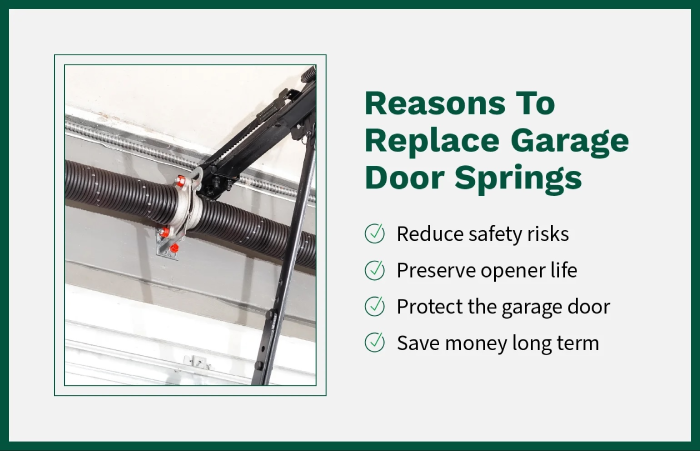
Credit: www.precisiondoor.net
Understanding Different Garage Door Opener Types And Their Impact On Lifespan
The technology behind garage door openers has evolved significantly, leading to different types of drive systems, each with its own characteristics that influence performance, noise levels, and, importantly, lifespan. When considering the average life of a garage door opener, it’s essential to acknowledge the variations between these types.
Chain Drive Openers
Chain drive openers are one of the oldest and most common types. They operate using a metal chain that runs along a steel rail, moving a trolley that is attached to the garage door.
- Pros: Generally considered the most durable and reliable, especially for heavier doors. They are also typically less expensive to purchase than other types. Their robust mechanical nature contributes to a longer operational life.
- Cons: They tend to be the noisiest type of opener due to the metal-on-metal action of the chain.
- Lifespan: With proper maintenance, chain drive openers can easily last 10-15 years, and many can exceed this, sometimes reaching 20 years or more. The chain itself is highly durable, and the motor is typically robust.
Belt Drive Openers
Belt drive openers use a rubber belt, often reinforced with fiberglass, to move the trolley along the rail. This system offers a quieter operation compared to chain drives.
- Pros: Significantly quieter and smoother operation, making them ideal for attached garages or homes where noise is a concern.
- Cons: Can be more expensive than chain drives. While modern belts are very strong, they are still made of rubber and can potentially degrade over extended periods or under extreme conditions, though this is rare with quality units.
- Lifespan: Belt drive openers typically have a lifespan comparable to chain drives, usually in the 10-15 year range. The belt is designed for thousands of cycles, and the motor and trolley mechanisms are similar in durability to those in chain drives. Regular inspection of the belt for cracks or wear is advisable.
Screw Drive Openers
Screw drive openers utilize a rotating threaded steel rod that the trolley moves along. This system has fewer moving parts than chain or belt drives.
- Pros: Simple design with fewer parts can mean less maintenance. They can operate quickly.
- Cons: They are generally the most sensitive to temperature fluctuations, which can affect the speed and lubrication of the rod. They can also be noisier than belt drives, though often quieter than chain drives.
- Lifespan: Screw drive openers also typically fall within the 10-15 year lifespan range. Their longevity is often dependent on consistent lubrication of the rod and the motor’s resilience. Extreme temperature changes can impact the lubricant and potentially lead to increased wear if not managed.
Direct Drive Openers
A newer technology, direct drive openers have the motor integrated into the trolley itself. This means the motor rotates the drive shaft, which in turn moves the trolley.
- Pros: Extremely quiet operation, fewer moving parts, and often a more compact design.
- Cons: Generally more expensive. As a newer technology, long-term, real-world lifespan data is still accumulating compared to more established types.
- Lifespan: Manufacturers often claim lifespans comparable to other types, likely in the 10-15 year range, but this is an evolving area. Their simpler design suggests good potential for longevity.
The choice of opener type can influence not only the daily experience but also the long-term cost of ownership. While all types can achieve a good lifespan with proper care, the inherent design of each plays a role in its resilience and maintenance needs.
Common Problems And Troubleshooting
Even with diligent maintenance, garage door openers can develop problems. Knowing how to troubleshoot common issues can help you identify whether a simple fix is possible or if it’s time to call a professional.
Motor Issues
The motor is the heart of the opener. If it’s failing, the opener won’t work.
- Symptoms: Humming sound with no movement, burning smell, opener not responding at all.
- Possible Causes: Overheating due to strain, worn-out motor components, electrical issues, or a seized mechanism in the drive system.
- Troubleshooting: Check if the opener is disengaged. Ensure the door moves freely manually. If the motor hums but doesn’t move, it might be a capacitor issue or a seized gear. If there’s a burning smell, unplug the unit immediately.
- Solution: Often requires professional repair or replacement of the motor unit.
Logic Board And Electronic Failures
The logic board controls all the opener’s functions, including responding to remote signals, activating the motor, and engaging safety features.
- Symptoms: Opener not responding to remotes or wall button, safety sensors not working, erratic behavior, lights not functioning correctly.
- Possible Causes: Power surges, age, moisture, or component failure.
- Troubleshooting: Check power supply. Ensure remotes have good batteries and are properly programmed. Check if safety sensors are aligned and clean. Sometimes, a simple reset garage door opener procedure can resolve minor glitches. For specific brands, guides on how to reset liftmaster garage door opener remote or how to reset garage door keypad easily can be beneficial.
- Solution: Basic troubleshooting might resolve minor issues. For persistent problems, the logic board may need replacement, which is often costly, making a full unit replacement a more attractive option for older openers.
Drive System Malfunctions (chain, Belt, Screw)
Issues with the mechanism that moves the door can manifest in various ways.
- Symptoms: Grinding noises, chain/belt slipping, trolley not moving, unusual sounds from the rail.
- Possible Causes: Worn gears, loose or broken chain/belt, damaged trolley, or a problem with the screw drive mechanism.
- Troubleshooting: Inspect the chain or belt for damage, tension, and proper engagement with gears. For screw drives, check the rod for debris or damage. Listen for specific sounds to pinpoint the issue. Adjusting a loose chain, for example, by following how to adjust chain on garage door opener for smooth operation, can sometimes solve the problem.
- Solution: May involve tightening or replacing the chain/belt, repairing or replacing the trolley, or servicing the screw drive.
Remote Control And Signal Issues
Problems with the remote or the opener’s receiver can prevent operation.
- Symptoms: Remote not working, opener only responding when very close, intermittent signal.
- Possible Causes: Dead remote battery, damaged remote, interference, faulty receiver in the opener, or programming issues.
- Troubleshooting: Replace remote batteries. Try reprogramming the remote. Test with a different remote if possible. Check for sources of radio interference. Sometimes, a how to reset garage door remote easily procedure is all that’s needed.
- Solution: Battery replacement, reprogramming, or replacement of the remote or the opener’s receiver board.
Safety Sensor Problems
The safety sensors (photo-eyes) at the bottom of the garage door tracks are crucial for preventing the door from closing on obstructions.
- Symptoms: Door reverses immediately after starting to close, opener won’t close the door at all, indicator lights on sensors not illuminated.
- Possible Causes: Misalignment, obstruction (dirt, cobwebs), damaged wiring, or faulty sensors.
- Troubleshooting: Ensure sensors are clean and aligned. Check for any physical obstructions. Verify indicator lights are on.
- Solution: Realigning the sensors is the most common fix. Cleaning them or repairing damaged wiring may also be necessary.
When facing these issues, it’s always wise to consult your opener’s manual. If you’re uncomfortable performing repairs or if the problem seems complex, contacting a qualified garage door technician is recommended. They have the expertise and tools to diagnose and fix issues safely and efficiently.
Choosing A New Garage Door Opener: Factors To Consider
When your current garage door opener nears the end of its service life, or if it becomes too costly to repair, it’s time to consider a replacement. The market offers a wide array of options, and choosing the right one involves more than just picking the cheapest model.