
Keeping your garage door clean does more than just improve its appearance. It also protects the door from damage, extends its life, and helps it work smoothly. Many homeowners forget this part of home maintenance, but a dirty garage door can lead to problems you don’t notice until it’s too late.
Learning how to clean your garage door the right way can save you money and frustration. This article will show you everything you need to know, from basic washing to spot cleaning tough stains, caring for different materials, and troubleshooting common issues.
Even if you’ve never cleaned your garage door before, you’ll find practical steps and expert tips you won’t find elsewhere.
Why Cleaning Your Garage Door Matters
A garage door is one of the largest moving parts in your home. It faces rain, dust, sun, snow, and pollution every day. If dirt, grime, and salt are left on the surface, they can cause the paint to peel, metal to rust, or wood to rot.
Over time, this weakens the door and makes it look old.
A clean garage door also helps keep your home’s value high. First impressions matter, and a dirty door can make your whole house look neglected. Regular cleaning removes harmful materials, prevents stains, and helps you spot small problems before they become expensive repairs.
If you live in an area with harsh weather or near the ocean, cleaning is even more important because salt and moisture can eat away at the surface faster.
How Often Should You Clean A Garage Door?
The right cleaning schedule depends on your location and weather. As a general rule:
- Every 3-6 months: Most homes need cleaning at least this often.
- Monthly: If you live near the coast or in a city with lots of dust, pollution, or pollen.
- After storms or heavy winds: Extra cleaning may be needed when dirt and debris pile up.
Don’t wait until the door looks dirty. By then, the damage may have started. Set a reminder on your phone or calendar to stay on track.
Tools And Supplies: What You Really Need
Cleaning your garage door does not require fancy equipment. In fact, using the wrong tools can scratch or damage the surface. Here’s what you’ll need:
- Soft-bristle brush or sponge (no metal or rough pads)
- Bucket for mixing cleaning solution
- Mild detergent (dish soap works well)
- Garden hose with spray nozzle (pressure washers are risky)
- Microfiber cloths for drying and spot cleaning
- Old towels or drop cloths for the ground
- White vinegar (for tough stains or mildew)
- Car wax or silicone spray (optional, for added protection)
- Step stool or ladder (to reach the top safely)
- Rubber gloves (if you have sensitive skin)
Pro Tip: Never use bleach, ammonia, or harsh chemicals. These can ruin paint, seals, and hardware.
Step-by-step Guide: How To Clean Your Garage Door
Cleaning your garage door is easy if you follow these steps. Don’t rush—doing it right protects your investment.
1. Prepare The Area
- Move cars, bikes, and tools away from the garage door.
- Lay old towels or drop cloths on the ground to catch drips.
- Close the garage door fully so you can reach the entire surface.
2. Rinse Off Loose Dirt
- Use a garden hose with a gentle spray.
- Start at the top and work down so dirty water doesn’t drip onto clean areas.
- Avoid using a pressure washer unless the manufacturer says it’s safe.
3. Mix Your Cleaning Solution
- Fill a bucket with warm water and add a few drops of mild detergent.
- Mix until soapy but not foamy.
4. Wash The Door
- Dip a soft brush or sponge into the soapy water.
- Scrub the door gently in small sections, starting at the top.
- Pay extra attention to corners, grooves, and around handles where dirt collects.
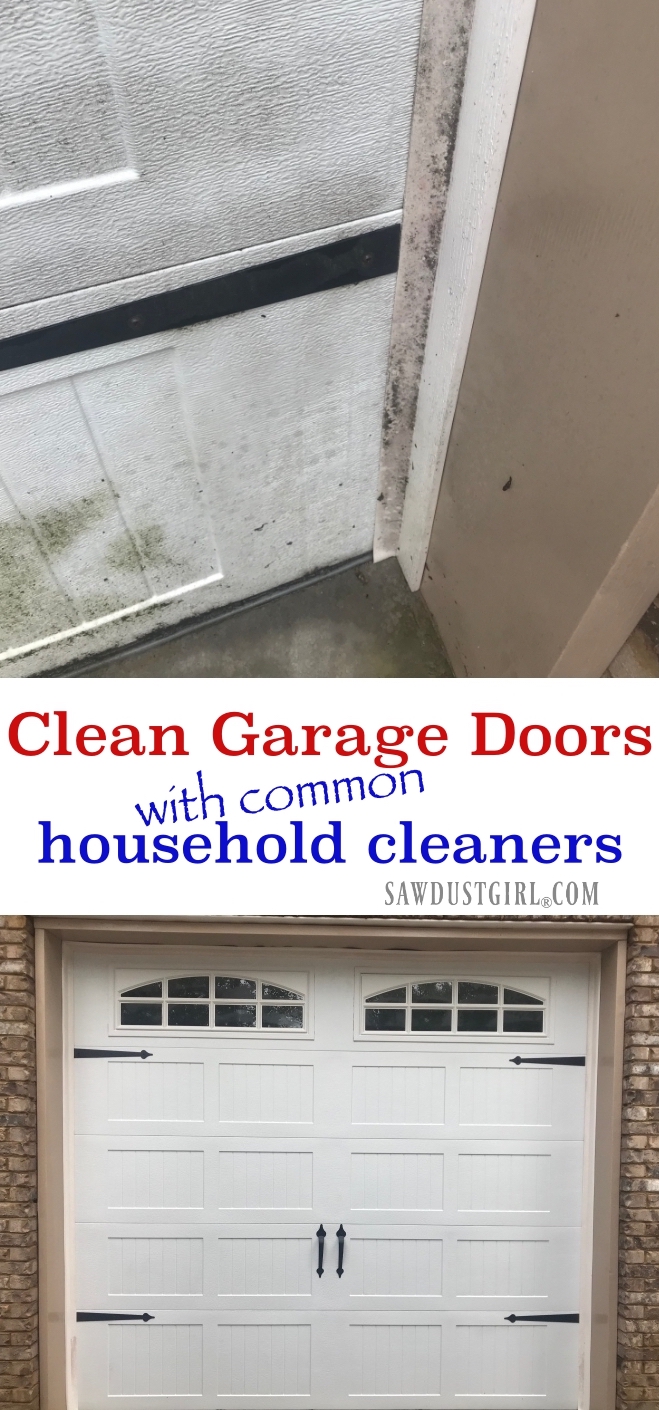
5. Spot Clean Stains
- For rust, mildew, or oil, use a cloth dipped in white vinegar.
- Rub gently until the stain fades.
- Rinse the area with clean water right away.
6. Rinse Thoroughly
- Use the hose to rinse off all soap, starting from the top.
- Make sure no detergent is left behind, as it can leave marks or attract more dirt.
7. Dry The Surface
- Wipe the door with microfiber cloths to prevent water spots.
- Pay attention to any drips or streaks.
8. Lubricate Moving Parts (optional But Recommended)
- Use a silicone spray (never WD-40) on hinges, tracks, and rollers to keep the door moving smoothly.
- Wipe away extra spray with a clean cloth.
9. Add Protection (optional)
- Apply a thin layer of car wax to metal or painted doors for added shine and protection.
- Follow the wax instructions carefully.
- For wood doors, use a suitable wood sealant.
How To Clean Different Types Of Garage Doors
Not all garage doors are the same. The material affects how you should clean and protect it. Here’s how to care for each type:
Steel Garage Doors
Steel is strong but can rust if scratched or if salt builds up. Use mild soap and water only. Never use abrasive pads. Waxing once or twice a year helps prevent rust.
Wood Garage Doors
Wood needs gentle care. Too much water can cause swelling or rot. Use a damp sponge with mild soap. Rinse with a wrung-out cloth, not a hose. Reapply wood sealant or paint as needed.
Aluminum Garage Doors
Aluminum is rust-resistant but can show scratches. Clean with mild soap and water. Avoid strong chemicals, which can dull the finish.
Vinyl Or Fiberglass Garage Doors
These are easy to clean. Use mild detergent and a soft brush. Avoid solvents, which can damage the surface.
Glass Panels
If your door has windows, use a glass cleaner or a vinegar-water mix. Wipe dry to prevent streaks.
Here’s a quick comparison of cleaning methods for common garage door materials:
| Material | Best Cleaning Method | Key Precaution |
|---|---|---|
| Steel | Mild soap, soft brush, rinse and wax | Avoid scratches, prevent rust |
| Wood | Damp sponge, mild soap, reseal as needed | Do not soak or pressure wash |
| Aluminum | Mild soap, soft cloth, rinse well | No harsh chemicals |
| Vinyl/Fiberglass | Mild detergent, soft brush, rinse | No solvents or abrasives |
Tackling Tough Stains And Problems
Sometimes, regular cleaning isn’t enough. Here’s how to handle stubborn issues:
Rust Spots
- Mix baking soda with water to make a paste.
- Apply to the rust, let it sit for 10 minutes, then scrub gently.
- Rinse and dry completely.
- For large rust areas, you may need sanding and repainting.
Oil And Grease
- Sprinkle baking soda over the stain.
- Scrub with a damp sponge.
- Rinse well.
Mold And Mildew
- Mix 1 part white vinegar with 2 parts water.
- Spray on affected area, wait 15 minutes, then wipe clean.
- Rinse and dry.
Bird Droppings Or Tree Sap
- Wet the spot with warm soapy water, let it soften for a few minutes.
- Gently scrape with a plastic tool or soft cloth.
- Rinse.
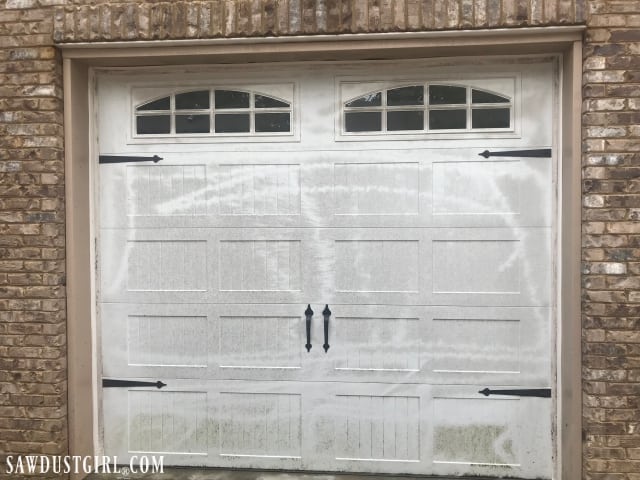
Insight: Many people ignore the small bottom edge of the door, but this area collects the most grime and salt. Spend extra time here to prevent rust and wear.
Cleaning Garage Door Tracks, Seals, And Hardware
A spotless door is great, but don’t forget the moving parts. Dirt and debris in the tracks can stop your door from working right.
Tracks And Rollers
- Sweep out loose dirt with a small brush.
- Wipe tracks with a damp cloth (no water inside the mechanism).
- Lubricate with silicone spray.
Weather Seals
- Wipe rubber seals at the bottom and sides with soapy water.
- Check for cracks or hard spots. Replace if needed to keep out water and pests.
Hinges And Springs
- Dust with a dry cloth.
- Lubricate lightly with silicone spray. Never over-oil, as this attracts dirt.
Here’s a simple chart to help you remember how often to clean each part:
| Part | Cleaning Frequency | Maintenance Tip |
|---|---|---|
| Door Surface | Every 3-6 months | Wax or seal for extra protection |
| Tracks & Rollers | Quarterly | Remove debris, lubricate lightly |
| Weather Seals | Twice a year | Replace if cracked |
| Hinges/Springs | Twice a year | Dust and lubricate |
Safety Precautions When Cleaning A Garage Door
Working with a large, heavy door means safety comes first. Here are some tips:
- Always disconnect any automatic opener before cleaning.
- Never spray water or cleaner directly into electrical parts.
- Use a sturdy ladder, not a chair, to reach the top.
- Wear gloves if you have sensitive skin or use strong cleaners.
- Don’t force sticky or jammed parts—call a pro if needed.
Non-obvious tip: When cleaning in winter, make sure all water is dried completely. Ice can form and freeze the seals to the ground, making the door hard to open.
Common Mistakes To Avoid
Even with the best intentions, some cleaning habits can do more harm than good. Avoid these errors:
- Using a pressure washer: This can force water into joints, damaging paint and wood.
- Skipping the rinse: Soap left on the door attracts more dirt and can fade paint.
- Using harsh chemicals: Bleach or ammonia can break down seals and paint.
- Ignoring the weather: Clean on a mild, dry day. Hot sun dries soap too fast; rain ruins your work.
- Forgetting hardware: Dirty tracks or dry rollers make the door noisy and hard to open.
Experienced Insight: Many homeowners only wash the outside. The inside gets dirty too, especially in windy or sandy areas. Clean both sides for best results.
How To Keep Your Garage Door Cleaner, Longer
After you’ve cleaned your garage door, a few simple habits will keep it looking good:
- Brush or hose off dust and spider webs monthly.
- Trim bushes and trees near the door to reduce sap, pollen, and leaves.
- Avoid parking close to the door when washing your car to prevent splash marks.
- Touch up paint chips right away to stop rust or rot.
- Check the seals for gaps and repair if needed.
When To Call A Professional
Most garage door cleaning is easy to do yourself. But sometimes you need expert help:
- If you see large rust patches or paint bubbling
- If the door is warped, cracked, or sagging
- If hardware is bent or broken
- If the door is making loud noises or won’t open/close smoothly
Professionals can also deep-clean, repaint, or replace damaged panels. If your garage door is still under warranty, check the manual—some types require professional service to keep the warranty valid.
For more details on garage door maintenance and safety, you can check the official guidelines at HomeAdvisor.
Environmental Considerations
Cleaning your garage door can have an impact on your lawn and the environment if you use harsh chemicals. Always choose biodegradable soap and avoid letting dirty water run into storm drains. If you’re cleaning near plants, cover them with plastic to prevent damage.
Hidden Insight: Even “safe” cleaners can harm fish and local water if rinsed into the street. Use just enough soap to do the job and rinse well.
Diy Vs. Professional Cleaning: What’s Best?
Some people wonder if it’s better to pay for a cleaning service. Here’s a quick side-by-side look:
| DIY Cleaning | Professional Cleaning |
|---|---|
| Low cost, flexible timing, personal attention to details | Fast, thorough, includes repairs if needed |
| Requires basic tools, takes 1–2 hours | Higher cost, usually 30–60 minutes |
| Must provide your own supplies | Professionals bring equipment and cleaners |
| May miss hidden problems | Spot potential issues early |
For most people, DIY is best for regular cleaning. Call a pro for major stains, repairs, or annual deep cleaning.
Real-world Example: Cleaning A Two-car Garage Door
Let’s walk through a real example. Imagine you have a standard two-car steel garage door that hasn’t been cleaned in six months. Here’s how you’d approach it:
- Start early on a dry, cloudy day.
- Move cars out and lay towels under the door.
- Rinse with a hose, then mix dish soap and warm water.
- Wash from the top down, scrubbing bird droppings and mud.
- Use vinegar for a rust spot near the bottom.
- Rinse and dry with microfiber cloths.
- Lubricate tracks and hinges.
- Apply car wax for extra shine.
- Sweep the area around the door to keep dust away.
Total time: about 1.5 hours. The door looks almost new, and you’ve protected it for months to come.
Frequently Asked Questions
How Do I Remove Rust From My Garage Door?
Start by making a paste of baking soda and water. Apply it to the rust spot, let it sit for 10 minutes, then scrub gently with a soft cloth. Rinse and dry the area. For larger rust patches, you may need to sand and repaint the surface to prevent future problems.
Can I Use A Pressure Washer On My Garage Door?
It’s best to avoid pressure washers, especially on wood or painted surfaces. The high pressure can damage paint, force water into joints, and cause warping. Stick to a garden hose with a spray nozzle for safe, effective cleaning.
What Soap Is Safe For Cleaning Garage Doors?
Use a mild detergent like dish soap. Avoid anything with bleach, ammonia, or strong chemicals, as these can harm paint, seals, and hardware. If you want something eco-friendly, look for biodegradable soaps.
How Do I Keep The Bottom Seal From Sticking To The Ground?
Always dry the bottom seal well after cleaning. In winter, make sure no water remains to freeze. If the seal is old or cracked, replace it. You can also apply a thin layer of silicone lubricant to prevent sticking.
How Can I Make My Garage Door Shine After Cleaning?
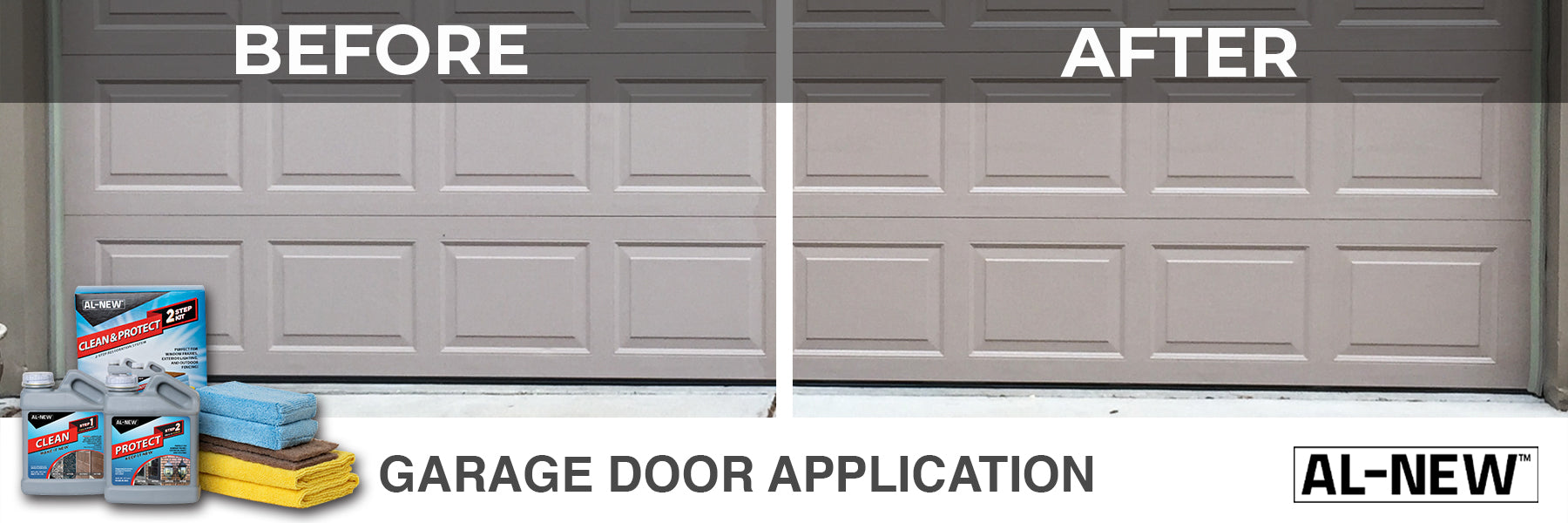
Once the door is clean and dry, apply a thin coat of car wax if it’s made of steel or painted metal. This gives a glossy finish and helps repel dirt and water. For wood doors, use a suitable wood sealant or finish.
A clean garage door makes your whole home look better and work better. With regular care, you’ll avoid costly repairs and enjoy a smooth, quiet entry every day. Take an hour or two this season and give your garage door the attention it deserves—it’s a simple job that pays off for years.