
Buying or replacing a garage door can feel confusing—especially when it comes to size. Many homeowners ask, “How wide are standard garage doors? ” The answer is simple on the surface, but there’s a lot more to know if you want the perfect fit for your home, vehicle, or workspace.
Garage door width affects everything from curb appeal to how easily you can park your car. Choose wrong, and you might struggle every day or even damage your vehicle. Choose right, and daily life becomes smoother.
Understanding the typical garage door sizes, why they are designed that way, and how to choose for your situation will help you make a confident decision. Whether you’re building a new garage, remodeling, or just replacing an old door, this guide will give you the facts, tips, and real examples you need.
What Is Considered A “standard” Garage Door Width?
Standard garage door width usually means the most common sizes you’ll find in the US market. Manufacturers make these sizes because they fit most homes and vehicles. However, not every garage is the same, and not every family has the same needs.
For single-car garages, the standard width is 8 feet or 9 feet. For two-car garages, the standard width jumps to 16 feet. These numbers are not random—they’re designed based on vehicle sizes, building codes, and what works best for most people.
But standard does not always mean “best for you. ” Some homes have smaller or larger openings, and some car owners need more space. That’s why it’s important to know your options and how these sizes compare.
Common Garage Door Widths In The Us
The US has a few main garage door widths you’ll see in stores or catalogs. Here’s a breakdown:
Single-car Garage Door Widths
A single-car garage door is designed for one vehicle. The three most common widths are:
- 8 feet (96 inches) wide
- 9 feet (108 inches) wide
- 10 feet (120 inches) wide (less common, but growing in popularity)
Most homes built in the last 30 years use 9-foot doors for single garages. The extra foot makes a big difference for larger vehicles like SUVs or trucks.
Double-car Garage Door Widths
A double-car garage door covers a single opening for two vehicles. The most common width is:
1. 16 Feet (192 Inches) Wide
Some garages use:
- 14 feet (168 inches) wide (for tighter spaces)
- 18 feet (216 inches) wide (for larger garages or more comfortable parking)
These wider doors give you more room to park, walk, and store items.
Rv And Oversized Garage Door Widths
If you own a recreational vehicle (RV), camper, or an extra-large truck, you’ll need a bigger door. Common RV door widths are:
- 12 feet (144 inches) wide
- 14 feet (168 inches) wide
Some custom homes or workshops use even wider doors, but these are rare and almost always special order.
Garage Door Widths Compared (single Vs Double)
To make the differences clear, here’s a comparison:
| Type | Common Widths (ft) | Best For |
|---|---|---|
| Single-Car | 8, 9, 10 | One car, motorcycles, storage |
| Double-Car | 14, 16, 18 | Two cars, SUVs, more space |
| RV/Oversized | 12, 14 | RVs, campers, large trucks |
Notice that the step up from single to double is significant. A 16-foot door feels almost double the space of a 9-foot door, even though the math is not exact.
Why Do Standard Garage Door Widths Matter?
Choosing the right width is not just about fitting your car. It affects:
- Ease of parking: Narrow doors make parking harder, especially with large vehicles or limited visibility.
- Home design: The width impacts your home’s curb appeal and how balanced your garage looks.
- Storage needs: Wider doors let you move bikes, lawnmowers, or tools in and out easily.
- Resale value: Most buyers expect a certain size based on your home type.
For example, if you own a pickup, an 8-foot door can feel tight. An extra foot makes a big difference.
Garage Door Widths And Vehicle Sizes
It’s important to match your garage door to your vehicle. Here are some typical vehicle widths and how they fit:
- Small car: About 6 feet wide (mirrors folded)
- Sedan: About 6.5 feet wide
- SUV/Truck: About 7 feet wide
- Full-size pickup: Nearly 8 feet wide (mirrors out)
A standard 8-foot garage door might just fit a pickup, but with little room for error. A 9-foot or 10-foot door offers more comfort and safety.
Height Vs Width: Don’t Confuse The Two
Many people mix up garage door width with height. Standard heights are usually 7 feet or 8 feet. But width and height serve different purposes:
- Width: How much space you have to drive in or out.
- Height: Whether your vehicle (especially tall SUVs or vans) will clear the opening.
If you have a tall vehicle, don’t forget to check both!
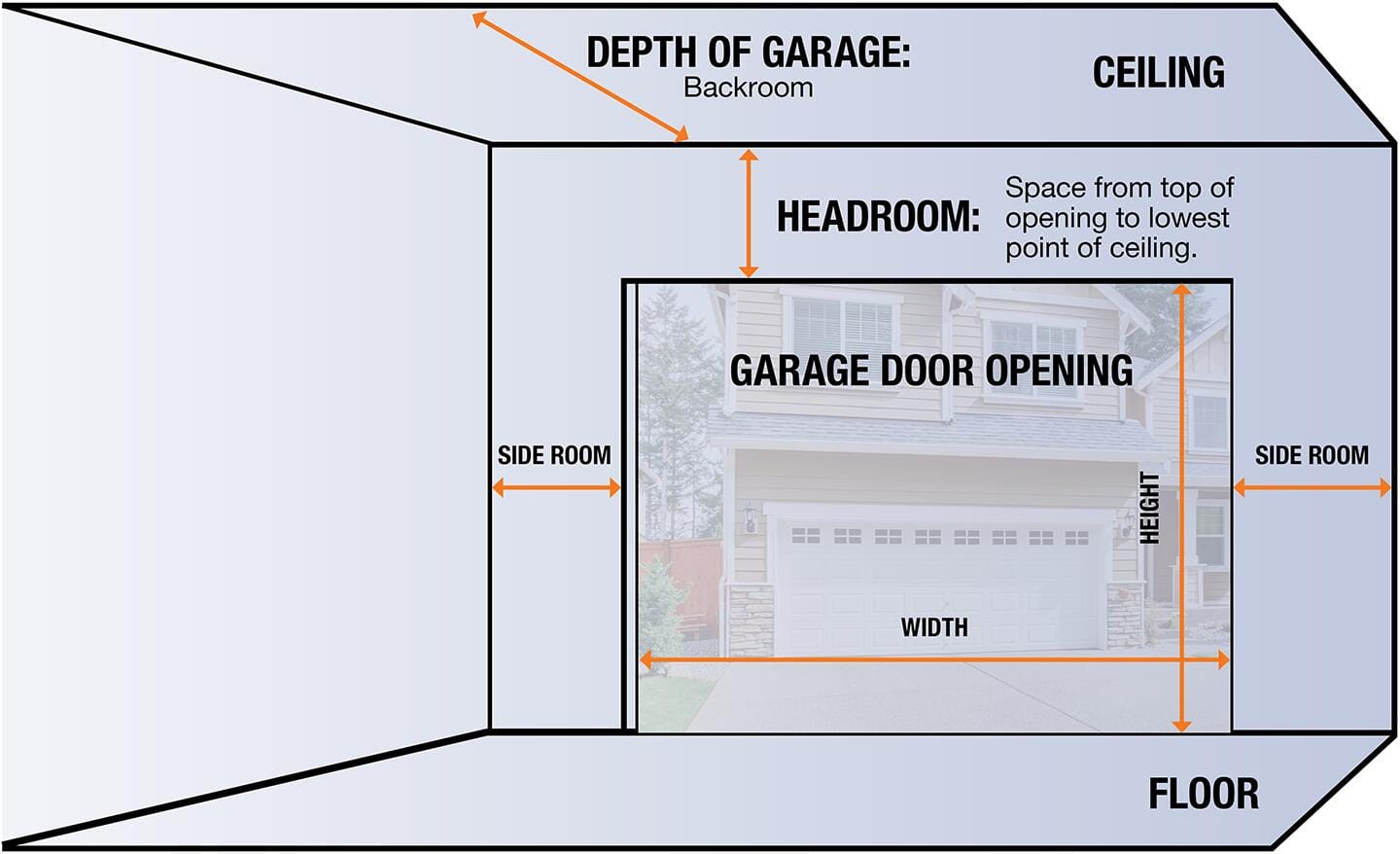
How To Measure For A Replacement Or New Garage Door
Measuring your garage opening is the first and most important step. Here’s how:
- Measure the width of the garage opening at the widest point, from left to right. Use a tape measure.
- Check for obstructions (pipes, wires, shelves) that might block the door.
- Measure the height of the opening.
- Check side room: You need at least 3.5 inches on each side for tracks and hardware.
- Check headroom: At least 12 inches above the opening for standard tracks.
Write these numbers down and double-check. If you’re not sure, ask a professional installer to measure—mistakes can be expensive.
Special Situations: Non-standard Garage Door Widths
Not every garage fits the standard mold. Here are some cases where you might need a different width:
- Historic homes: Older garages may have doors as narrow as 7 feet.
- Townhomes or city lots: Space is limited, so doors may be custom-sized.
- Workshops: May use 10-foot or wider doors for equipment.
- Detached garages or barns: Often use custom widths for unique needs.
In these cases, you can order custom-sized doors. They cost more and may take longer to arrive, but they’re sometimes the only option.
Comparing Standard Garage Door Widths
Let’s look at how the main sizes compare for common situations:
| Width (ft) | Fits Most Cars? | Good for Large SUVs? | Easy for Two Cars? |
|---|---|---|---|
| 8 | Yes | No (tight) | No |
| 9 | Yes | Better | No |
| 10 | Yes | Yes | No |
| 14 | Yes (two small cars) | Tight | Tight |
| 16 | Yes (two) | Yes | Yes |
| 18 | Yes (two large) | Yes (roomy) | Yes (extra space) |
This makes it clear: 8-foot doors work for most sedans and small cars, but if you have a wide vehicle or need extra space, go wider.
Factors That Affect The Best Garage Door Width For You
Choosing the right width is not just about averages. Think about these:
1. Vehicle Type And Size
Measure your largest vehicle, including mirrors. If you plan to buy a bigger car in the future, choose accordingly.
2. Number Of Vehicles
Will you ever need to fit two cars? Even if you only have one now, planning ahead avoids costly changes later.
3. How You Use Your Garage
Some people use their garage for storage, workshops, or even home gyms. If you need to move large items, a wider door helps.
4. Driveway Width And Angle
If your driveway is narrow or at an angle, a wider door makes turning in and out easier.
5. Local Building Codes
Some cities have rules about garage door sizes. Always check before you order.
Common Mistakes When Choosing Garage Door Width
Many homeowners regret their choice because of these mistakes:
- Choosing the cheapest option: An 8-foot door might save money but feels cramped for big vehicles.
- Not thinking about the future: Kids grow up, and families often get bigger cars.
- Ignoring storage needs: Bikes, mowers, or shelves all eat up space.
- Forgetting about resale: Unusual sizes can turn off buyers later.
It’s worth spending a bit more for a door that matches your life, not just today’s needs.
Custom Garage Doors: When Standard Sizes Don’t Work
If your garage opening is an odd size, you can order a custom garage door. This lets you match the door perfectly to your space. Most manufacturers can build to the exact inch, but custom doors cost more (sometimes double the price of a standard door) and may take weeks to deliver.
Custom doors are common in:
- Older homes with non-standard openings
- Unique architectural styles
- Special use garages (workshops, RVs, boats)
If you go custom, work with a reputable installer to get precise measurements.

Insulation And Construction: Does Width Affect Performance?
Many buyers focus on width but forget about insulation and construction. A wider door means a bigger surface area, which can make your garage hotter or colder, depending on the weather.
Insulated garage doors help regulate temperature and reduce noise. If you live in a hot or cold climate—or use your garage as a workspace—choose a door with good insulation (look for R-values of 12 or higher).
Wider doors also need stronger hardware. Double doors (16 feet or more) use heavier springs and tracks to handle the extra weight.
Single Vs Double Doors: Pros And Cons
Should you choose one wide double door or two single doors for a two-car garage? Here are the main differences:
Single Wide Double Door (16 Or 18 Feet)
Pros:
- Easier to park two cars side by side
- More open space for moving large items
- Modern look
Cons:
- If the opener fails, both cars are trapped
- More expensive to replace
- Heavier, needs stronger opener
Two Single Doors (8 Or 9 Feet Each)
Pros:
- If one opener fails, you can still use the other door
- Better for unheated garages (less air loss)
- Traditional look
Cons:
- Less space between cars
- May not fit extra-wide vehicles
Your choice depends on your priorities—ease of use vs backup options.
Cost Differences: Does Width Impact Price?
Yes, the width of your garage door affects the price. Generally:
- 8-foot single door: $500–$800 installed (non-insulated)
- 9-foot single door: $600–$1,000 installed
- 16-foot double door: $1,200–$2,500 installed
- Custom sizes: $2,000+ installed
Insulation, windows, and special designs add to the cost. Larger doors need stronger openers, which are also more expensive.
Installation Challenges For Wide Garage Doors
Wider doors (especially 16 or 18 feet) are heavier and more difficult to install. They require:
- Stronger support beams (headers)
- Heavy-duty springs and tracks
- Professional installation
DIY installation is possible for 8- or 9-foot doors, but double doors are best left to the pros. Mistakes can lead to dangerous failures.
Popular Garage Door Styles And How Width Affects Them
Garage doors come in several styles, and width can limit your options. Common styles include:
- Sectional doors: Most common, available in all widths
- Roll-up doors: Common in commercial settings, good for oversized openings
- Carriage-house doors: Stylish, but may be limited to single or custom sizes
- Slide-to-the-side doors: Rare, but useful for very wide openings
Some designs are easier to find in standard widths. If you want a special look, check availability before ordering.
How To Choose The Right Garage Door Width: Step-by-step
If you’re still unsure, follow these steps:
- Measure your opening carefully.
- Check your largest vehicle’s width (with mirrors out).
- Think about future needs (bigger car, more storage).
- Decide on single vs double doors for two-car garages.
- Check local building codes for rules.
- Get quotes for both standard and custom sizes.
- Ask for advice from a professional installer.
Taking time now saves frustration and extra costs later.
Real-life Examples: When Width Matters
Sarah’s Story: Sarah bought a new SUV, only to find her old 8-foot garage door too tight. She scraped her mirrors several times. She replaced her door with a 9-foot model and now parks with no worries.
Mike’s Workshop: Mike uses his garage to work on motorcycles. His 16-foot double door lets him move bikes, tools, and even a small trailer in and out easily.
The Nguyen Family: They chose two 9-foot single doors for their two-car garage. When one opener broke, they could still use the other door, so they weren’t stuck outside in the rain.
These examples show that width is not just a number—it’s about making life easier.
Data On Garage Door Sizes In New Us Homes
According to the US Census Bureau, more than 70% of new single-family homes built since 2000 have garages that fit two or more cars. The most common door sizes are:
- Single doors: 9 feet wide
- Double doors: 16 feet wide
About 80% of replacement doors are also 9 feet (single) or 16 feet (double), showing how popular these sizes are.
For more statistics, see the US Census construction report.
The Impact Of Garage Door Width On Home Value
Wider, modern garage doors boost curb appeal and can even add value to your home. Buyers prefer:
- At least a 9-foot door for singles
- 16-foot or wider for double garages
A door that’s too narrow can make your home look outdated and reduce buyer interest. If you’re thinking about selling, upgrading to a standard or wider door can pay off.
Upgrading An Old Garage: What To Know
If your home has an older, narrow garage door, upgrading is possible but may require:
- Widening the opening (moving support beams)
- Upgrading hardware
- Matching the new door to your home’s style
This can be a big project, but it’s often worth it for easier parking and better looks.
Safety And Security: Does Width Matter?
Wider doors require stronger locks and better openers to keep your home safe. Choose a door with:
- Solid construction (steel or solid wood)
- Good-quality opener with security features
- Reinforced tracks and hinges for extra-wide doors
Don’t cut corners—security matters more with a larger, more accessible opening.
Energy Efficiency And Width
Wide garage doors can let in more air, making it harder to keep your garage comfortable. Look for:
- Insulated doors with weatherstripping
- Tight-fitting seals
- Windows with double glazing (if you want natural light)
A well-sealed, insulated door saves on energy bills and makes your garage more usable year-round.

How Garage Door Width Affects Maintenance
Larger doors have more moving parts and heavier weight, which means:
- Springs and openers may wear out faster
- Tracks need to be kept clean and lubricated
- Panels are harder to replace if damaged
Schedule regular maintenance, especially for double doors, to avoid breakdowns.
Garage Door Widths Around The World
If you travel or look at international magazines, you might notice different garage door sizes. In Europe, for example, standard widths are often:
- 7 feet (single)
- 14 feet (double)
US doors are usually wider to fit larger cars and trucks. If you’re importing a door or building a custom home, double-check all measurements!
When To Consider A Professional Installer
Measuring, ordering, and installing a garage door is not a simple DIY project, especially for double or custom doors. A professional can:
- Ensure perfect measurements
- Handle building permits and codes
- Install heavy doors safely
- Offer warranties on labor and materials
For best results, get at least two quotes and check reviews.
Frequently Asked Questions
How Wide Is A Standard Single Garage Door?
A standard single garage door is usually 8 feet or 9 feet wide. Newer homes often use 9 feet, which gives more space for larger vehicles.
How Wide Is A Standard Double Garage Door?
The standard double garage door is 16 feet wide. Some homes use 14 or 18 feet, but 16 feet is by far the most common.
Can I Make My Garage Door Wider?
Yes, you can widen your garage door opening, but it may require structural changes. This includes moving support beams and updating hardware. Always check with a contractor or engineer before starting.
Is 8 Feet Wide Enough For An Suv Or Truck?
An 8-foot garage door is usually tight for large SUVs or trucks. You may fit, but it will be close. A 9-foot or 10-foot door is much more comfortable and safer.
Are There Standard Garage Door Widths For Three-car Garages?
Yes, most three-car garages use a combination of one double door (16 feet) and one single door (8 or 9 feet). Some use a single extra-wide door (18–20 feet), but these are less common and usually custom-ordered.
Choosing the right garage door width is more than just picking a number. It’s about matching your space, vehicles, and future plans. Most homeowners will do well with 9-foot (single) or 16-foot (double) doors, but don’t be afraid to go wider if you need more room.
Measure carefully, consider your options, and invest in quality—your garage door is something you’ll use every day for years to come.