
A garage door works quietly in the background of daily life, opening and closing with a simple press of a button. Yet, few people think about the small but critical parts that make this possible. One of the most important parts is the garage door spring. When it breaks, your garage door might become heavy, hard to lift, or may not open at all. Many homeowners wonder, “How long do garage door springs last?” and what they can do to make them last longer. Understanding the lifespan of garage door springs can help you avoid sudden breakdowns and costly repairs.
In this guide, you’ll learn how garage door springs work, what affects their lifespan, how to spot signs of wear, and smart ways to extend their life. Whether you want to prevent problems or plan for future repairs, this article gives you clear and practical advice.
What Are Garage Door Springs?
Garage door springs are strong metal coils that help lift and lower the garage door. They handle most of the door’s weight, making it easy to open or close, even with one hand. There are two main types:
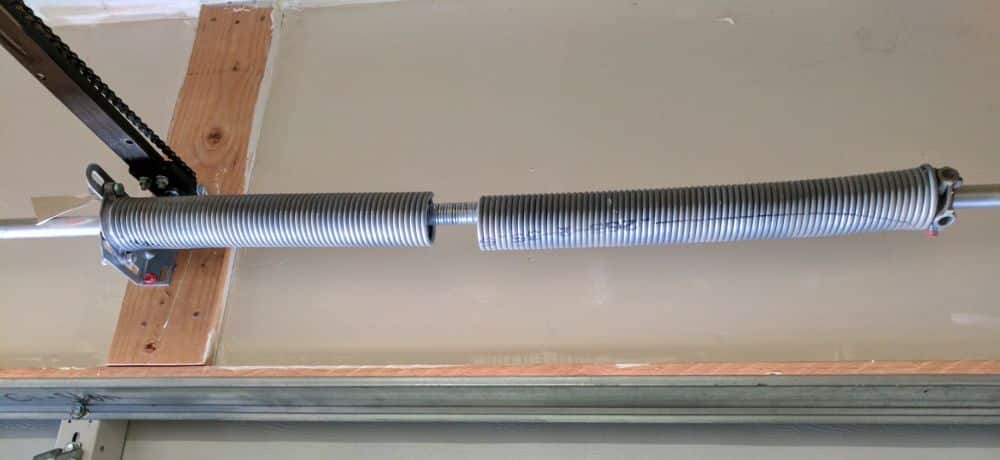
- Torsion springs: These are mounted above the garage door opening. They twist and unwind to move the door.
- Extension springs: These run along the sides of the door, stretching and contracting as the door moves.
Both types serve the same purpose but work in different ways. Their quality and installation affect how long they will last.
Why Garage Door Springs Matter
Most residential garage doors weigh between 130 to 400 pounds. Without strong springs, lifting this weight would be difficult and dangerous. Springs counterbalance the door’s weight, so your opener doesn’t have to work as hard. If the springs fail, the door can crash down or get stuck, causing property damage or injury.
A broken garage door spring is one of the most common reasons for garage door repairs. Knowing their average lifespan helps you plan maintenance and avoid sudden failures.
Typical Lifespan Of Garage Door Springs
The lifespan of a garage door spring is usually measured in cycles. One cycle equals one opening and one closing of the garage door.
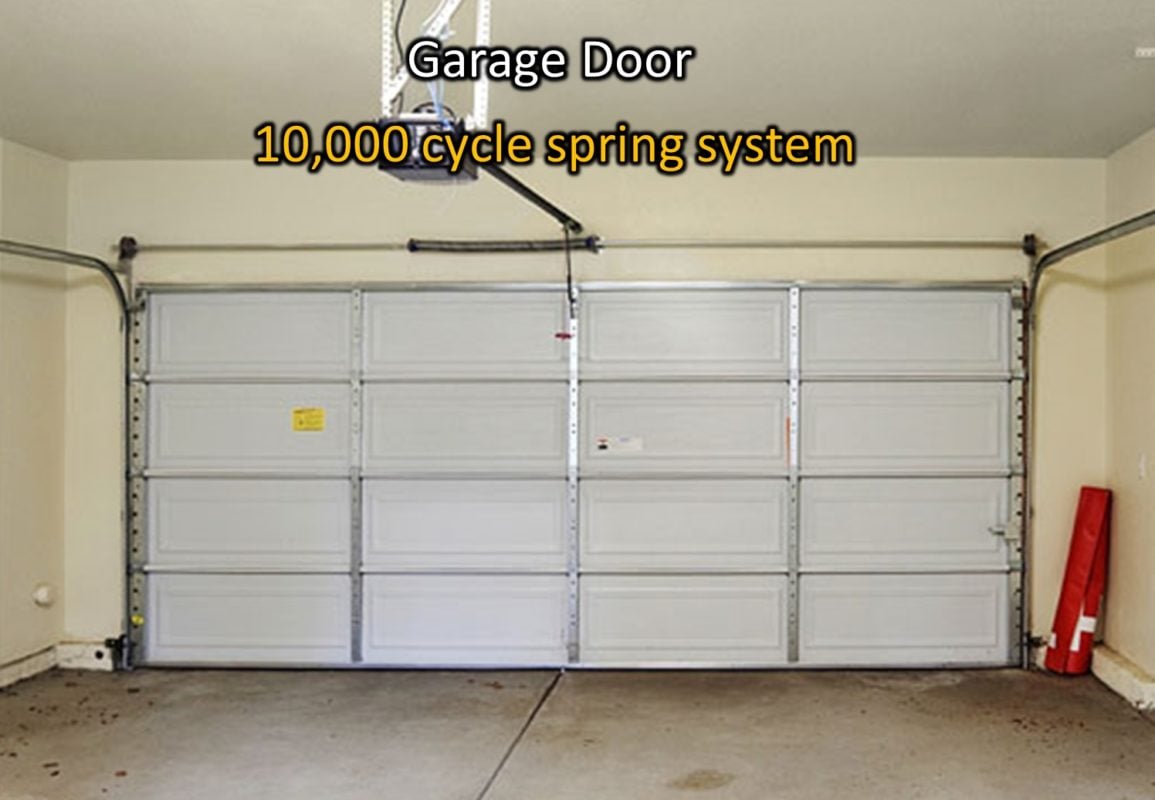
- Standard torsion springs: 10,000 cycles (about 7-10 years if used 3–4 times a day)
- High-cycle torsion springs: 20,000+ cycles (can last 15 years or more with the same use)
- Extension springs: About 10,000 cycles (similar to standard torsion springs)
Actual lifespan depends on how often you use your garage and the quality of the spring.
How Cycles Translate To Years
Let’s see what this means for real life. If your garage door opens and closes 4 times a day:
- 4 cycles/day x 365 days = 1,460 cycles/year
- 10,000 cycles / 1,460 cycles/year ≈ 6.8 years
So, a standard spring will last nearly 7 years. If you use your garage more often, the lifespan drops.
Comparison: Torsion Vs. Extension Springs
Here’s a simple comparison to help you see the differences:
| Type of Spring | Average Lifespan (Cycles) | Average Years (4 uses/day) | Safety |
|---|---|---|---|
| Torsion Spring | 10,000–20,000+ | 7–15+ | More reliable |
| Extension Spring | 10,000 | 6–8 | Requires safety cables |
Torsion springs usually last longer and are safer. Extension springs need safety cables to prevent injury if they snap.
Key Factors That Affect Spring Lifespan
Many things affect how long garage door springs last. Some you can control, others you cannot.
1. Frequency Of Use
The more often you open and close your garage door, the faster the springs wear out. Using the door as a main entrance will cut the lifespan in half or more.
2. Quality Of Springs
Springs made from high-grade steel last longer. Some cheap springs may only last half as long as quality ones, even if used the same way.
3. Climate And Weather
Moisture causes rust and weakens springs. Cold weather makes metal brittle. Homes near the ocean may see springs rust faster due to salt in the air.
4. Maintenance
Regular lubrication and checks prevent rust and spot problems early. Neglected springs fail sooner.
5. Incorrect Spring Size Or Type
If the wrong size spring is installed, it works harder than it should and breaks faster. Always use the correct spring for your door’s weight.
6. Poor Installation
A badly installed spring won’t distribute weight evenly and may fail early. Professional installation matters.
7. Door Imbalance
If your garage door is not balanced, one spring may carry more weight and wear out faster. Balance checks are important.
8. Lack Of Safety Cables (extension Springs)
Safety cables don’t extend spring life but prevent injury if a spring snaps. Never use extension springs without safety cables.
Signs Your Garage Door Springs Are Wearing Out
It’s better to replace garage door springs before they break completely. Watch for these warning signs:
- The door feels heavy: If it’s hard to lift, the springs may be losing tension.
- The door closes too fast: Broken springs can’t slow the door’s fall.
- The door is crooked: One spring may have failed, causing uneven movement.
- Gaps in the spring: If you see a two-inch gap in a torsion spring, it’s broken.
- Loud bang from the garage: Springs sometimes break with a sharp noise.
- Cables appear loose or disconnected: Broken springs can let cables slip off.
- The opener struggles or stops: Openers are not built to lift heavy, unbalanced doors.
Addressing these signs early can prevent accidents and bigger repair bills.
What Happens When Springs Break
When a garage door spring breaks, the door may:
- Slam shut suddenly
- Refuse to open
- Open only a few inches, then stop
Trying to open a door with a broken spring can damage the opener or cause injury. Never try to replace a spring yourself unless you have the right tools and training. Springs are under high tension and can snap with force.
How To Make Garage Door Springs Last Longer
You can’t make springs last forever, but you can help them reach their full lifespan and sometimes go beyond it.
1. Lubricate Regularly
Spray springs with a silicone or lithium-based garage door lubricant every 3–6 months. This reduces friction and rust.
2. Schedule Yearly Maintenance
A professional can check the balance, alignment, and signs of wear. Regular service catches small problems early.
3. Use High-cycle Springs
If you use your garage door many times each day, ask for high-cycle springs. They cost more but can double the lifespan.
4. Control Humidity
Keep the garage dry with a dehumidifier or proper ventilation. This prevents rust and corrosion.
5. Avoid Unnecessary Cycles
Don’t open and close the door more than needed. Each use brings you closer to the end of the spring’s life.
6. Fix Door Imbalance
If the door is hard to lift or won’t stay halfway open, call a pro to rebalance it. Balanced doors don’t strain springs.
7. Replace Both Springs Together
If one spring breaks, the other is likely worn out too. Replace both at the same time for smoother operation and to avoid a second repair soon after.
8. Choose Quality Over Price
Invest in quality springs from trusted brands or suppliers. Cheap springs fail sooner and can be dangerous.
Practical Example: The Value Of Maintenance
Suppose you add yearly maintenance and lubrication to your routine. Homeowners who do this often get 2–3 more years from their springs compared to those who neglect them. That’s less downtime, fewer emergency repairs, and a safer garage.
Common Myths About Garage Door Springs
Many homeowners believe things about garage door springs that are not true. Here are some myths and the facts:
- “All springs last the same.” Quality and cycle rating make a big difference.
- “If one spring breaks, only replace that one.” Both springs wear out at a similar rate.
- “Garage door openers lift the door.” Springs carry the door’s weight; openers just move it.
- “Any handyman can install springs.” Special tools and skills are needed for safety.
- “Rust doesn’t matter.” Rust weakens springs and causes early failure.
Understanding these facts can save you money and prevent accidents.
The Cost Of Replacing Garage Door Springs
How much does it cost to replace garage door springs? Prices depend on the type of spring, door size, and location.
- Torsion spring replacement: $150–$350 (parts and labor)
- Extension spring replacement: $100–$200 (parts and labor)
- High-cycle springs: Add $50–$100
DIY kits are cheaper, but mistakes are risky and can be deadly. Professional repair is safer and usually comes with a warranty.
What’s Included In Professional Replacement
Most professional repairs include:
- Both springs replaced (if needed)
- Door balance check
- Lubrication of moving parts
- Safety inspection
Some companies offer extended warranties if you choose high-quality springs.
How To Tell If Your Springs Need Immediate Replacement
Sometimes, waiting is not safe. Replace your garage door springs immediately if:
- You see a gap in a torsion spring
- The door won’t open more than a few inches
- There is a sudden loud bang (and the door won’t move)
- Cables are loose or off the drum
- The door feels impossible to lift, even with help
Delaying repairs in these cases can damage your opener or cause injury.
Should You Replace Springs Yourself?
Replacing garage door springs is dangerous. Springs are under a lot of tension and can cause serious injury if released the wrong way.
- Only experienced DIYers with the right tools should attempt this.
- Most people should hire a professional.
- Many warranties are void if you install springs yourself.
It’s safer and often more cost-effective to call a pro.
Signs Of A Quality Spring And Installation
Not all springs are the same. Here’s how to spot a good one:
- Powder-coated finish: Resists rust better.
- High-cycle rating: 20,000+ cycles for frequent use.
- Proper fit: The spring matches the door’s size and weight.
- Professional installation: Ensures the spring is tensioned and balanced correctly.
A good spring and a quality install mean less trouble and longer life.
Real-life Example: What Happens Without Maintenance
A family in Minnesota used their garage as the main entrance. Their door moved six times a day. They never lubricated the springs or had a pro check the system. After only four years, the spring snapped, trapping their car inside.
The repair cost was higher than average because the opener was also damaged. Regular maintenance and a high-cycle spring could have doubled the lifespan.
How Garage Door Spring Technology Is Improving
Modern garage door springs are better than those from decades ago. Manufacturers use stronger steel, rust-resistant coatings, and better engineering. Some brands now offer springs rated for 30,000 cycles or more. Insulated springs are also available for extreme climates.
These improvements mean today’s springs can last longer and work more safely when installed and maintained correctly.
Garage Door Springs And Home Value
A well-maintained garage door system adds value to your home. Buyers look for homes with safe, reliable doors. A door that opens quietly and smoothly is a selling point. Old or broken springs can lower your home’s value and cause delays if you sell.
What To Ask Your Garage Door Professional
When hiring someone to replace your springs, ask:
- What cycle rating do these springs have?
- Are the springs coated for rust protection?
- Will you replace both springs?
- Do you check the door’s balance?
- Is there a warranty?
A good technician will answer these questions and offer proof of quality.
Table: Pros And Cons Of Torsion Vs. Extension Springs
To help you choose the right spring for your door, here’s a quick look at their strengths and weaknesses:
| Type | Pros | Cons |
|---|---|---|
| Torsion | – Last longer – Smoother operation – Safer if they break | – Higher cost – More complex installation |
| Extension | – Lower cost – Easier to install | – Shorter lifespan – Needs safety cables – More noise |
Choose the type that fits your budget and safety needs.
How To Check Garage Door Balance
A well-balanced door puts less strain on the springs. Here’s a simple way to check:
- Close the garage door.
- Pull the emergency release cord (usually red).
- Lift the door halfway and let go.
- If the door stays in place, it’s balanced.
- If it falls, the springs are too weak.
- If it rises, the springs are too strong.
An unbalanced door means your springs are working too hard and may fail early.
How Often Should You Replace Garage Door Springs?
Most springs last between 7 and 10 years with average use. However, consider replacement sooner if:
- The door is used as a main entry (more than 4 cycles per day)
- You notice any warning signs (see above)
- There is visible rust or damage
Proactive replacement prevents sudden breakdowns and keeps your garage safe.
Table: Garage Door Spring Lifespan By Usage
Usage patterns affect how long springs last. Here’s an estimate:
| Daily Cycles | Cycles Per Year | Estimated Lifespan (Years) |
|---|---|---|
| 2 | 730 | 13.7 |
| 4 | 1,460 | 6.8 |
| 6 | 2,190 | 4.6 |
| 8 | 2,920 | 3.4 |
High-traffic homes should consider high-cycle springs.

Non-obvious Insights For Homeowners
Many people miss these key points:
- Insurance may not cover damage from worn-out springs. Check your policy and avoid letting maintenance lapse.
- Noise is a warning. If your door gets louder over time, the springs might be weakening.
- DIY repairs often void warranties. If you fix the springs yourself, you may lose coverage for future problems.
Paying attention to these details saves money and trouble.
When To Upgrade Instead Of Repair
If your garage door is over 20 years old, or if repairs are needed often, it may be time to upgrade the entire system. New doors have better insulation, stronger springs, and improved safety features. A new system can add value, security, and peace of mind.
For more details on garage door parts and maintenance, you can visit the Wikipedia Garage Door Opener page.
Frequently Asked Questions
How Do I Know If My Garage Door Spring Is Broken?
You may hear a loud bang from the garage, and the door might not open or close. Look for a visible gap in the spring or loose cables. The door might also become very heavy or crooked.
Can I Replace Garage Door Springs Myself?
It’s not recommended. Springs are under high tension and can cause injury. Only trained professionals with the right tools should replace them.
How Much Does It Cost To Replace Garage Door Springs?
Professional replacement costs between $100 and $350 depending on the spring type and your location. High-cycle springs cost more but last longer.
What Happens If I Ignore A Broken Spring?
The door may not open, or it might slam shut, causing damage or injury. Continuing to use the opener with a broken spring can burn out the motor or break other parts.
Do Both Springs Need To Be Replaced At The Same Time?
Yes, it’s best to replace both. If one breaks, the other is likely close to failing. Replacing both ensures smooth, safe operation and saves on future labor costs.
A garage door is one of the largest moving parts in your home. Its springs are the unsung heroes that make daily life easier and safer. With regular care and smart choices, you can maximize their lifespan, avoid sudden failures, and protect your home and family.