
A broken garage door can quickly become a big problem, especially if the issue is with the spring. The spring is a small part, but it does a big job: lifting and lowering your heavy garage door every day. If you’re facing a spring problem, you might ask, “How much is a garage door spring?” The answer isn’t simple—cost depends on the type of spring, your door’s size, labor costs, and more.
This guide explains everything you need to know. You’ll learn about different types of springs, what affects the price, how replacement works, and how to avoid mistakes. If you want to understand garage door spring pricing before calling a pro or buying parts yourself, you’ll find clear answers here.
Let’s break down the details and make sure you spend your money wisely.
What Does A Garage Door Spring Do?
A garage door spring is a tightly wound coil of metal. Its main job is to help lift and lower the door. Most garage doors are heavy—some weigh over 200 pounds. The spring makes it possible for you (or an electric opener) to move the door with little effort.
There are two main types of springs:
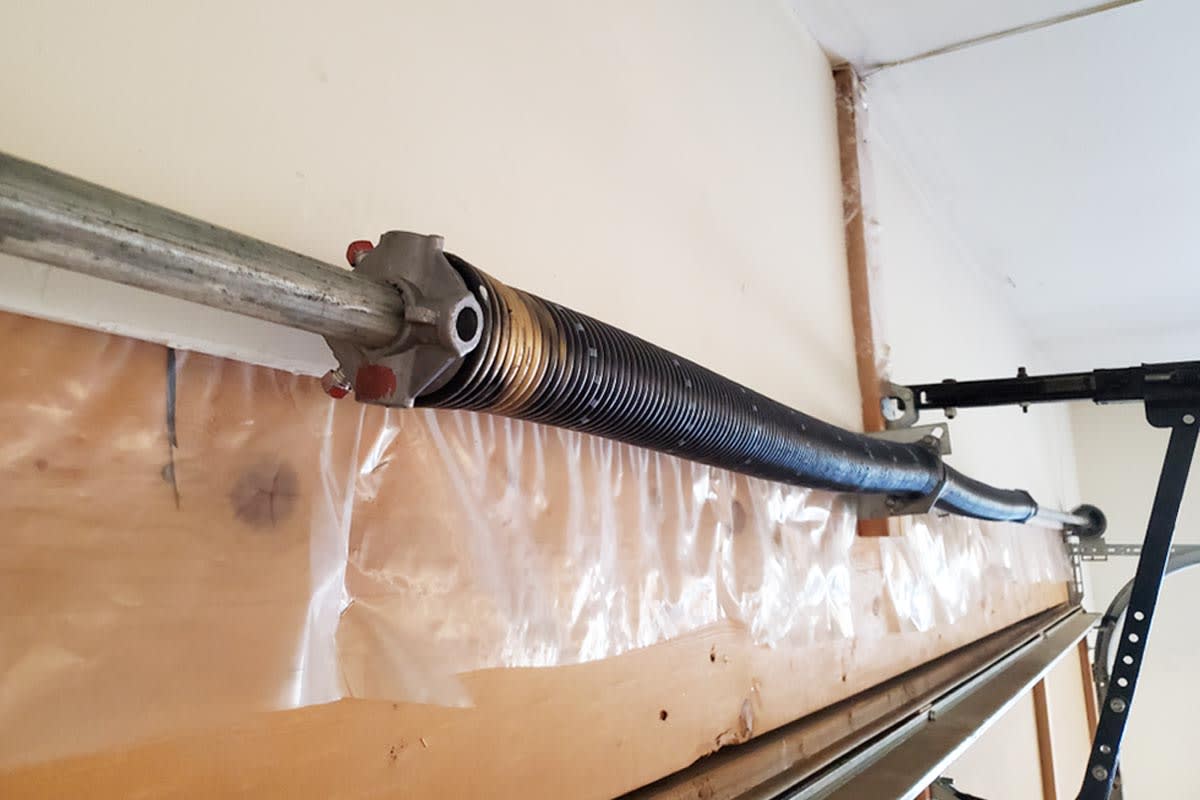
- Torsion springs – These sit above the closed garage door, mounted on a metal bar. When you open or close the door, the spring twists and stores energy.
- Extension springs – These stretch out along the sides of the door. As the door moves, the springs stretch and contract.
A spring that is too weak or broken can make the door unsafe. If the spring snaps, the door could fall or not open at all. Replacing a worn spring in time is important for safety and to keep your garage working smoothly.
Types Of Garage Door Springs
Knowing the spring type is the first step to understanding the price. Here’s a closer look at each kind.
Torsion Springs
These are the most common in modern garage doors.
- Location: Above the door, attached to a metal shaft.
- How it works: Twists to store energy.
- Lifespan: 10,000 to 20,000 cycles (one cycle = open and close).
- Cost: More expensive than extension springs, but safer and longer-lasting.
Extension Springs
Older homes or lightweight garage doors often use these.
- Location: Along the sides, above the tracks.
- How it works: Stretches as the door lowers.
- Lifespan: 5,000 to 10,000 cycles.
- Cost: Cheaper, but less safe (can fly off if they break).
Specialty Springs
Some doors need special springs:
- Torquemaster springs: Hidden inside a shaft, used by brands like Wayne Dalton.
- Commercial springs: Larger, stronger springs for heavy commercial doors.
Specialty springs cost more and may need a pro to replace.
Factors That Affect Garage Door Spring Cost
The price of a garage door spring isn’t just about the metal coil. Several factors can change what you pay.
1. Type Of Spring
- Torsion springs cost more than extension springs.
- Specialty or custom springs are the most expensive.
2. Door Size And Weight
Heavier doors need stronger springs. Larger, thicker springs cost more.
3. Number Of Springs
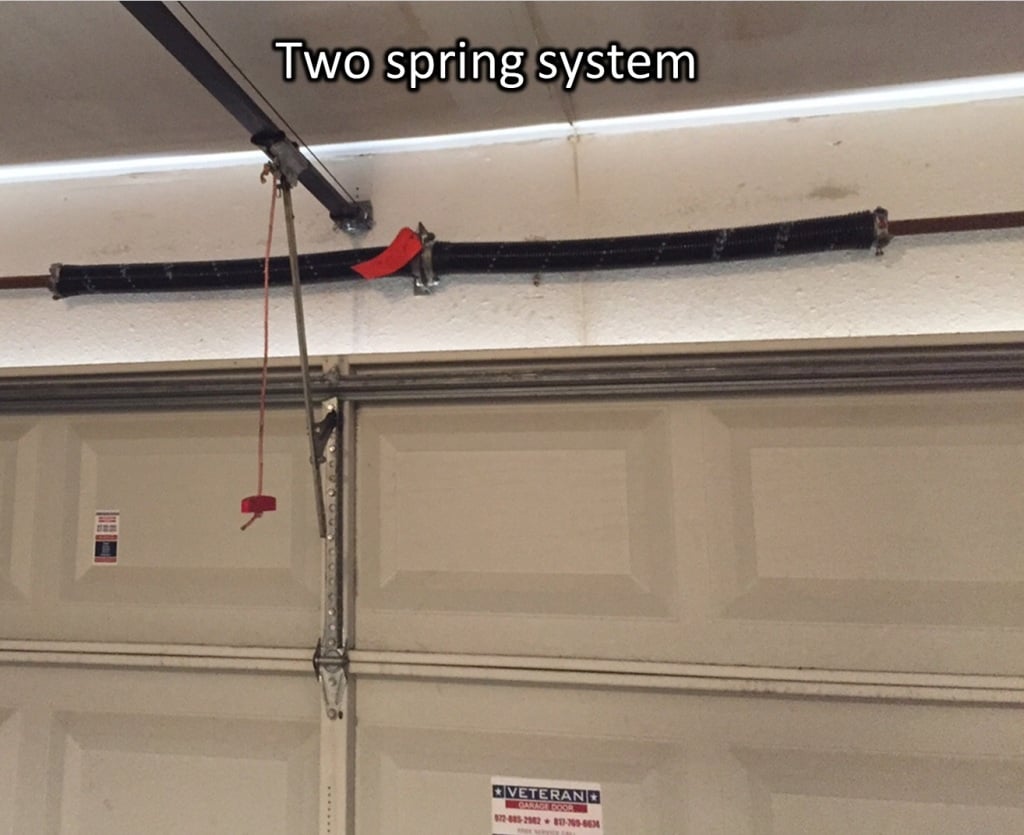
Some doors use one spring; many use two (for balance and safety). Doubling the springs doubles the cost.
4. Quality And Brand
High-cycle springs (last longer) cost more than standard ones. Well-known brands may charge more for quality or warranty.
5. Labor And Installation
DIY replacement is cheaper, but can be dangerous. Professional installation adds to the price, but includes safety and warranty.
6. Location And Service Fees
Garage door repair costs are higher in big cities due to labor rates. Emergency or after-hours service often costs extra.
7. Additional Parts And Repairs
You may also need new cables, bearings, or brackets. These add to the total price.
Typical Garage Door Spring Prices
Let’s look at what you can expect to pay. Prices are for a single spring, not including installation.
| Spring Type | Low-End Cost | High-End Cost | Average Cost |
|---|---|---|---|
| Torsion Spring | $40 | $100 | $60–$80 |
| Extension Spring | $20 | $50 | $30–$40 |
| Torquemaster Spring | $60 | $120 | $80–$100 |
| Commercial Spring | $100 | $300 | $150–$200 |
Note: Prices can change based on your location, door size, and market demand.

Garage Door Spring Replacement Cost (parts + Labor)
If you hire a pro, you’ll pay for both the spring and the labor. Here are typical costs for a standard residential garage door:
- Torsion spring replacement: $150 to $350
- Extension spring replacement: $120 to $250
Labor often makes up half or more of the total cost. Prices may be higher if you need two springs, have a heavy door, or need extra repairs.
| Service | Low-End Cost | High-End Cost | Average Cost |
|---|---|---|---|
| Torsion Spring Replacement (1 spring) | $150 | $220 | $180 |
| Torsion Spring Replacement (2 springs) | $200 | $350 | $270 |
| Extension Spring Replacement (1 spring) | $120 | $180 | $150 |
| Extension Spring Replacement (2 springs) | $150 | $250 | $200 |
Tip: Always ask if the price includes both parts and labor. Some quotes only cover the spring, not installation.
Diy Vs Professional Replacement: What’s Cheaper And Safer?
You might wonder if you can save money by replacing the spring yourself. Let’s compare both options.
Diy Replacement
Cost: Only pay for the spring ($20–$100 per spring), plus any tools you need.
Pros:
- Save on labor costs
- Learn how your garage door works
Cons:
- Dangerous: Springs are under high tension and can snap
- No warranty on your work
- May take several hours if you lack experience
Non-obvious insight: Many DIYers forget to buy the right tools, like winding bars for torsion springs. Using the wrong tool is risky.
Professional Replacement
Cost: $120–$350, depending on type and number of springs.
Pros:
- Safer: Trained pros handle high-tension parts
- Quicker: Usually done in 1 hour
- Warranty on parts and labor
Cons:
- Higher cost
- You must schedule and wait for service
Non-obvious insight: Some installers use low-quality springs to keep prices low. Ask for high-cycle springs (last longer) even if they cost more.
Bottom line: DIY is only for skilled, safety-minded people. For most, hiring a pro is the smarter choice.
How To Choose The Right Garage Door Spring
Choosing the right spring is more than just matching size and color. Here’s what matters.
1. Correct Size And Strength
Springs come in many sizes and strengths. The right one depends on your door’s weight and height. A spring that is too weak will break quickly, while a spring that is too strong can damage your door opener.
Tip: Check your old spring for numbers or color codes, or measure it carefully. If unsure, ask a pro.
2. Cycle Rating
Springs are rated for how many open/close cycles they last.
- Standard: 10,000 cycles (about 7–10 years with normal use)
- High-cycle: 20,000+ cycles (lasts longer, costs more)
If you use your door many times per day, high-cycle springs are a better value.
3. Brand And Warranty
Reputable brands offer better quality and longer warranties. Cheap springs may save money now but wear out faster.
4. Safety Features
Some springs include safety cables or extra parts to prevent accidents if the spring breaks.
Common Mistakes When Buying Or Replacing Garage Door Springs
Avoid these errors to save money and prevent accidents.
- Guessing the size: Using the wrong size spring can break your door or opener.
- Ignoring cycle rating: Cheap, low-cycle springs need faster replacement.
- Replacing only one spring: If your door has two, replace both for balance and safety.
- Skipping safety checks: Not checking cables and brackets can lead to failure later.
- Not comparing quotes: Some companies charge hidden fees or use poor-quality parts.
- DIY without research: Not reading instructions or using proper tools is risky.
Expert advice: Always check if your old spring is still under warranty. Some doors have a 10-year warranty that covers parts or labor.
Signs Your Garage Door Spring Needs Replacing
A failing spring shows warning signs. Replacing it early can save you from a dangerous emergency.
- Door feels heavy: Hard to open, even with the opener or by hand.
- Door is crooked: One side rises faster than the other.
- Loud bang: A broken spring makes a sharp noise in the garage.
- Door won’t stay open: It falls quickly or won’t stay up.
- Visible gap in spring: Torsion springs often break in the middle, creating a gap.
If you see any of these, stop using the door and call a pro.
How Garage Door Spring Replacement Works
Curious about the process? Here’s what happens during a typical replacement.
- Safety first: Disconnect the opener and secure the door.
- Remove old spring: Loosen set screws, unwind (torsion) or stretch (extension) the spring.
- Install new spring: Fit the new spring, attach cables, and set the tension.
- Test the door: Open and close to check balance.
- Final check: Tighten all hardware, add lubricant.
Pro tip: Never try to repair a spring while the door is open. The tension is highest, and accidents are more likely.
How To Save Money On Garage Door Spring Replacement
There are smart ways to avoid overspending.
- Get multiple quotes: Prices can vary by $100 or more.
- Ask about high-cycle springs: They cost more upfront but last longer.
- Check for coupons or discounts: Many repair companies offer online specials.
- Bundle repairs: If you need other parts (rollers, cables), ask for a package deal.
- Maintain your door: Lubricate springs and tracks twice a year for longer life.
Comparing Garage Door Spring Costs Across Brands
Not all springs are the same. Here’s how popular brands compare.
| Brand | Type | Average Price (per spring) | Warranty |
|---|---|---|---|
| Clopay | Torsion | $60–$90 | 3–5 years |
| Wayne Dalton | Torquemaster | $80–$120 | 5 years |
| Amarr | Torsion/Extension | $50–$100 | 3–5 years |
| Generic/No Name | Torsion/Extension | $20–$40 | None or 1 year |
Insight: Well-known brands cost more but often have better quality metal and longer warranties.
How Long Do Garage Door Springs Last?
A spring’s lifespan depends on cycles—not years. One cycle is one open and close.
- Average use: 3–5 cycles per day = 10,000 cycles lasts 7–10 years
- Heavy use: 8–10 cycles per day = 10,000 cycles lasts 2–3 years
If you use your garage as a main entrance, choose high-cycle springs for fewer replacements.
Tip: Track the age of your springs. If one breaks, the other is likely to fail soon.
Are Garage Door Springs Covered By Warranty?
Many garage doors come with a warranty, but coverage varies.
- Basic doors: 1–3 years on springs
- Premium doors: 5–10 years, sometimes lifetime on parts
Labor may not be included. Always save your purchase paperwork and ask the installer about warranty details.
Key point: If your spring fails during the warranty, you may only pay for labor, not the part.
What To Expect From A Professional Garage Door Spring Replacement
Professional companies usually include:
- Full inspection of the door system
- Correct measurement and spring selection
- Removal of old springs and installation of new ones
- Lubrication and safety check
- Warranty on parts and labor
Warning: Some low-cost companies use recycled or low-quality springs. Ask for new, high-cycle rated springs for best value.
When To Replace Both Garage Door Springs
If your door uses two springs, replace both—even if only one is broken.
- Balance: Both springs wear out together. Replacing one makes the door unbalanced.
- Safety: A weak spring can break soon after, causing another repair bill.
- Warranty: Many pros only warranty their work if both are changed.
Non-obvious insight: Some homeowners only replace one spring to save money. This often leads to another service call within months.
What If Your Garage Door Uses A Unique Spring?
Some doors (especially custom or commercial models) need special-order springs. These may cost double and take longer to arrive. Always check with the door manufacturer or a trusted pro before ordering.
Tip: If your door uses a special spring, ask about converting to a standard torsion system. It may cost more now but save money on future repairs.
Do Garage Door Springs Come With Safety Features?
Modern springs may include safety features:
- Safety cables: For extension springs, these prevent the spring from flying if it breaks.
- Containment sleeves: For torsion springs, these keep broken pieces in place.
If your system lacks these, ask your installer to add them for extra peace of mind.
Garage Door Spring Maintenance Tips
Want your springs to last longer? Simple care helps.
- Lubricate twice a year: Use a garage door spray lube on springs, rollers, and hinges.
- Check balance: Lift the door halfway by hand. It should stay in place. If not, call a pro.
- Inspect for rust: Rust weakens springs. Wipe springs clean and spray with lube.
- Listen for noise: Squeaking or grinding can mean the springs need attention.
Non-obvious insight: Humid garages or salty air (near the coast) cause springs to rust faster. Use a protective spray if you live in these areas.
How To Find A Reliable Garage Door Repair Company
Don’t just choose the first name you see. Here’s how to find a pro you can trust:
- Check reviews: Look at Google, Yelp, or Better Business Bureau.
- Ask about licensing and insurance: Protect yourself from poor work or accidents.
- Compare multiple quotes: Beware of prices that are much lower than average.
- Ask about warranty: Good companies stand behind their work.
- Get details in writing: Make sure you know what’s included.
For more on garage door safety and parts, see this guide from Wikipedia.
Frequently Asked Questions
How Do I Know Which Type Of Garage Door Spring I Have?
Look above your closed garage door. If you see a long, coiled spring running across a metal bar, you have a torsion spring. If there are two thin springs along the sides above the tracks, you have extension springs. If the spring is hidden in a tube, it might be a Torquemaster system.
Can I Replace Just One Spring If Only One Is Broken?
You can, but it’s not recommended. Springs wear out together. Replacing both at the same time keeps your door balanced and helps prevent another breakdown soon after.
Why Is Garage Door Spring Replacement Dangerous?
Springs are under high tension. If released suddenly, they can cause serious injury. Even experienced DIYers can get hurt if they use the wrong tools or steps. That’s why most people hire a pro for this job.
How Long Does A Garage Door Spring Replacement Take?
A professional can usually replace one or two springs in about one hour. DIY replacements may take several hours, especially if it’s your first time.
Will A Better Spring Save Me Money In The Long Run?
Yes. High-cycle springs last 2–3 times longer than standard ones. While they cost more upfront, you’ll save on fewer repair visits and less downtime.
A garage door spring may look simple, but it’s a critical part that deserves careful attention and smart spending. By knowing the types, costs, and safety issues, you can make a smart choice and keep your garage running smoothly for years.