
A garage door off its track can feel like a disaster. The door might look crooked, get stuck halfway, or refuse to close. This is more than just annoying—it can be dangerous and leave your home open to theft or weather damage. The good news? You can often put your garage door back on track yourself, even if you’re not a professional. With patience, safety, and the right steps, you can save money and get your garage working again.
Let’s walk through everything you need to know. You’ll learn why garage doors go off track, how to diagnose the problem, what tools you need, and a clear, step-by-step method for fixing the issue. You’ll find practical tips, expert advice, and safety warnings that beginners often miss.
By the end, you’ll know how to handle this common repair with confidence.
Why Garage Doors Go Off Track
Understanding the cause is key before you start any repair. When you know why the door jumped the track, you’re less likely to have the same problem again.
Common reasons include:
- Accidental impact: Bumping the door with your car or a heavy object can bend the tracks or knock rollers loose.
- Worn out rollers: Old or broken rollers can’t guide the door smoothly, causing it to derail.
- Dirty or bent tracks: Debris, rust, or warping in the tracks can force the rollers out.
- Loose hardware: Bolts, brackets, or hinges that work loose over time reduce stability.
- Cable problems: If a lift cable snaps or comes off its drum, the door may sag and pull off track.
- Broken springs: When springs fail, the door can become unbalanced and leave the tracks.
Example: Suppose you notice the door leans heavily to one side. This usually points to a cable or spring issue. If the door moves unevenly, check for roller or track problems.
Non-obvious insight: Many people miss that even small dents or bends in the track can lead to big problems. If you notice any damage, address it right away. Also, cleaning the tracks regularly can prevent most derailments.
Safety First: Preparing For The Repair
Garage doors are heavy—often 150 pounds or more. The springs are under high tension. If you make a mistake, you could get hurt. Safety is not optional.
Before you touch anything:
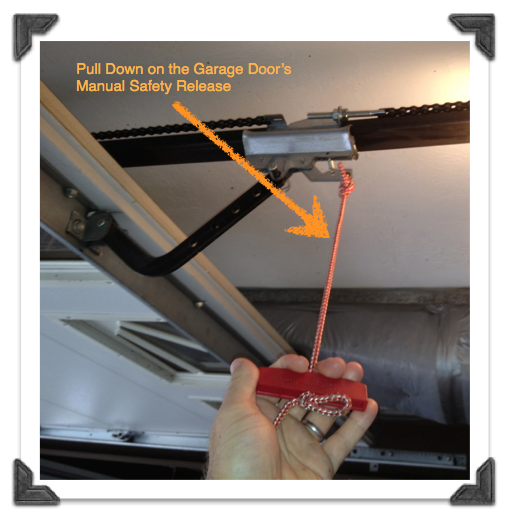
- Disconnect the opener: Pull the emergency release cord to separate the door from the opener. This prevents accidental movement.
- Unplug the opener: Never work on an active electrical device.
- Secure the door: If the door is halfway open or off-center, use locking pliers or C-clamps on the tracks to keep it from moving.
- Wear gloves and eye protection: Metal tracks and rollers can have sharp edges or collect grease and dust.
- Work with a friend if possible: Some steps are easier and safer with two people.
Critical warning: If you suspect a broken spring or cable, do not try to repair it yourself. These parts can snap with great force. Call a professional.
Tools And Materials You’ll Need
You don’t need many special tools. Most repairs use simple hand tools you probably have.
Gather these items before starting:
- Adjustable wrench
- Screwdrivers (Phillips and flathead)
- Pliers (locking pliers are best)
- Hammer and rubber mallet
- Level (to check alignment)
- Stepladder
- Lubricant (garage door spray or silicone, not WD-40)
- Replacement rollers or track parts (if needed)
- Shop vacuum or brush (for cleaning tracks)
- Work gloves and safety glasses
Table: Common Tools and Their Use
| Tool | Main Use | Why Needed |
|---|---|---|
| Adjustable wrench | Loosen/tighten bolts | Secures tracks and brackets |
| Pliers | Grip and bend metal | Helps realign tracks, hold cables |
| Hammer/mallet | Straighten bent tracks | Fixes minor dents or bends |
| Level | Check alignment | Ensures door moves smoothly |
Beginner tip: A rubber mallet works better than a metal hammer for bending tracks back, as it’s less likely to cause more damage.
Diagnosing The Off-track Garage Door
Before you fix, you need to know exactly what’s wrong. Take a careful look at the entire door system.
Steps To Diagnose:
- Visual inspection: Check both tracks for dents, bends, or gaps. Look at the rollers—are any missing, broken, or out of place?
- Test the movement: Gently try to move the door by hand (with the opener disconnected). See where it sticks or wobbles.
- Check alignment: Use a level to see if the tracks are vertical and parallel. Even a small tilt can cause derailment.
- Inspect cables and springs: Make sure cables are tight and in place. If you see a broken spring, stop and call a pro.
- Look for debris: Dirt, stones, or dried grease in the tracks can block rollers.
Non-obvious insight: Some off-track problems are caused by loose track brackets. These can shift the track enough for the roller to pop out. Tighten all bolts even if they look okay.

Step-by-step: How To Put The Garage Door Back On Track
Now you’re ready to start the actual repair. Work slowly and follow each step carefully for safety.
1. Disconnect The Opener And Secure The Door
- Pull the emergency release cord to separate the opener from the door.
- Unplug the opener unit.
- If the door is partly open, place locking pliers or C-clamps just below the bottom roller on both tracks. This prevents the door from falling.
2. Open The Track
- Locate the section of track where the roller came out.
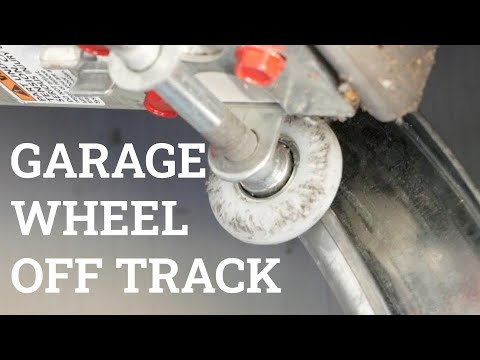
- Use a screwdriver or pliers to gently pry open the track edge just enough for the roller to fit back in.
- Do not bend the track too far or you’ll weaken it.
3. Guide The Rollers Back Into The Track
- With the track edge open, move the door gently so the misaligned roller lines up with the opening.
- Carefully push or tap the roller back into the track. If the roller is damaged, replace it now.
- Once all rollers are in, squeeze the track edge back into shape with pliers.
4. Realign And Tighten The Tracks
- Use a level to check both tracks. They should be perfectly vertical and the same distance apart top to bottom.
- Loosen the mounting bolts, tap the track gently to the correct position, and retighten the bolts.
- Repeat for the other side if needed.
Table: Track Alignment Tolerances
| Measurement | Ideal Value | Acceptable Range |
|---|---|---|
| Vertical plumb | 100% | ± 1 degree |
| Track separation (top/bottom) | Equal | ± 1/4 inch |
Tip: If the track keeps moving out of alignment, the wall anchors may be loose or stripped. Replace them with longer or heavier-duty anchors.
5. Check And Repair Rollers
- Spin each roller by hand. Replace any that stick, wobble, or have flat spots.
- If you need to replace a roller:
- Open the track edge as before.
- Slide the old roller out and the new one in.
- Close the track securely.
Non-obvious insight: Upgrading to nylon rollers makes the door quieter and smoother than standard steel rollers.
6. Clean And Lubricate Tracks
- Use a vacuum or brush to remove all debris from the tracks.
- Wipe with a clean rag.
- Spray a small amount of garage door lubricant on the rollers and track (but not too much—excess oil attracts dirt).
7. Test The Door By Hand
- Remove the C-clamps or pliers.
- Lift and lower the door manually. It should move smoothly, with no bumps, sticking, or noises.
- If it still feels uneven, check your alignment and repeat the steps above.
8. Reconnect The Opener And Test
- Plug in the opener.
- Reconnect the door using the release cord.
- Run the opener through a full open-close cycle. Watch and listen for any issues.
If the door goes off track again: Double-check for worn parts, loose bolts, or warped tracks. Persistent problems may require a professional.
When To Call A Professional
Some garage door issues are too risky for DIY repairs. It’s best to hire an expert if you see:
- Broken or stretched springs
- Snapped or tangled cables
- Major track or panel damage
- Very heavy or commercial doors
Professionals have the tools and training to handle high-tension springs and heavy doors safely. Trying to fix these yourself can cause injury or make the problem worse. If in doubt, call a trusted garage door technician.
Preventing Future Off-track Problems
A little routine care can save you big headaches later. Here are simple steps to keep your garage door on track:
- Inspect monthly: Look for loose bolts, worn rollers, or bent tracks.
- Clean tracks regularly: Remove debris, dust, and dried grease.
- Lubricate moving parts: Use garage door lubricant every 6 months.
- Test balance: Disconnect the opener and lift the door. It should stay halfway open. If it falls or rises, springs may need adjusting.
- Tighten hardware: Check all bolts and brackets for tightness.
- Avoid impacts: Be careful not to bump the door with your car or heavy objects.
- Upgrade parts: Consider nylon rollers or heavy-duty tracks if you have repeated problems.
Table: Maintenance Task and Frequency
| Task | How Often | Why Important |
|---|---|---|
| Inspect rollers/tracks | Monthly | Find wear before failure |
| Clean tracks | Every 3 months | Prevents debris jams |
| Lubricate rollers/hinges | Every 6 months | Reduces friction, noise |
| Tighten hardware | Every 6 months | Keeps tracks aligned |
Expert tip: Keep a small toolkit and lubricant in your garage. Fast, regular care means fewer emergency repairs.
Real-world Examples: Common Situations And Solutions
Example 1: Door Stuck Half-open, Rollers Out
You come home and find the garage door stuck halfway, with one side higher than the other. The opener hums but nothing moves.
Solution: Pull the release cord and secure the door with C-clamps. Inspect both tracks. Usually, one roller has jumped out due to a bent track or loose bracket. Follow the step-by-step guide above to guide the roller back and realign the track. Tighten all bolts and test by hand.
Example 2: Door Crooked, Cable Off Drum
The door looks crooked, and a cable is loose and hanging.
Solution: This is a danger sign. Do NOT try to fix the cable yourself, as the spring is under tension. Call a professional. Trying to wind the cable by hand is risky.
Example 3: Door Off Track After Impact
A family member bumps the door with a car. The door won’t close and looks visibly bent.
Solution: Disconnect the opener, secure the door, and inspect the tracks. If they are only slightly bent, you may be able to tap them straight and reset the rollers. If the damage is severe, parts may need to be replaced. For large dents or twisted panels, call an expert.
Cost Comparison: Diy Vs. Professional Repair
Fixing a garage door yourself can save money, but it’s not always the best choice. Here’s how typical costs compare:
| Repair Type | DIY Cost | Professional Cost |
|---|---|---|
| Roller reset/replace | $10–$40 (parts only) | $90–$150 (parts + labor) |
| Track realignment | $0–$20 (tools only) | $75–$200 |
| Spring/cable repair | Not recommended | $120–$350 |
| Full replacement | $150–$500 (parts only) | $500–$1200 |
Tip: If your time is valuable or you feel unsure, hiring a professional can actually be a better investment. But for simple roller or track issues, DIY is usually safe and cost-effective.
Mistakes To Avoid When Fixing A Garage Door Off Track
Even careful DIYers make common errors. Watch out for these:
- Not securing the door: The door can fall suddenly and cause injury.
- Using the wrong lubricant: Only use silicone or garage door spray. WD-40 is not suitable for long-term lubrication.
- Bending the track too much: Over-bending weakens the metal and makes future derailments more likely.
- Ignoring alignment: Tracks must be perfectly parallel and vertical.
- Forgetting to tighten hardware: Loose bolts are a top cause of repeat problems.
- Trying to fix springs or cables: These repairs are dangerous. Always hire a professional.
Upgrades And Improvements For Smoother Operation
If your garage door keeps going off track or you want quieter operation, consider these upgrades:
- Nylon rollers: Quieter and more durable than steel.
- Heavy-duty tracks: Resist bending and damage.
- Ball-bearing hinges: Smoother, quieter movement.
- Smart openers: Detect problems early and provide alerts.
- Weatherstripping: Keeps debris out of the tracks.
Non-obvious insight: Upgrading just a few rollers can make a big difference. Start by replacing the most worn rollers (usually the bottom ones) and see if performance improves.
For more information on garage door safety and upgrades, see the Consumer Reports Garage Door Opener Buying Guide.
Frequently Asked Questions
What Causes A Garage Door To Go Off Track?
The most common causes are impacts (like bumping with a car), worn rollers, bent or dirty tracks, and loose hardware. Sometimes, a broken spring or cable also makes the door jump track. Regular maintenance helps prevent these issues.
Is It Safe To Put A Garage Door Back On Track Myself?
It’s safe if the problem is minor, like a roller out of the track or slightly bent metal, and you follow all safety steps. However, if you suspect a broken spring or cable, or the door is very heavy, call a professional. Springs and cables are dangerous.
How Do I Know If My Tracks Are Aligned Properly?
Use a level to check that the tracks are perfectly vertical (plumb) and the same distance apart from top to bottom. Tracks should not twist or lean. If the door binds or wobbles, alignment may be off.
What Type Of Lubricant Should I Use On Garage Door Tracks?
Use a garage door spray lubricant or silicone spray. Do not use grease or WD-40. Proper lubricant keeps rollers moving smoothly and prevents jams.
How Can I Prevent My Garage Door From Going Off Track Again?
Inspect and clean your tracks monthly, lubricate moving parts every six months, and check all bolts and brackets for tightness. Avoid hitting the door with objects, and consider upgrading to nylon rollers for quieter, smoother operation.
A garage door off its track can be fixed safely if you know what to look for and follow the right steps. With a little time and care, you’ll restore your door’s smooth, reliable operation—making your home safer and more convenient.