
When your garage door opener is not working, it can create big problems for your daily routine. You might be late for work, leave your car outside in bad weather, or worry about the safety of your home. For many people, the garage is more than just a place to park. It’s a main entry point to the house and often holds tools and valuable items. That’s why a garage door opener issue feels urgent.
This guide is here to help you understand why your garage door opener might stop working and what you can do about it. You’ll learn about the most common causes, how to troubleshoot, and when to call a professional. You’ll also find tips to prevent future problems and answers to frequent questions.
Whether you’re a homeowner or a renter, these tips can save you time, money, and stress.
Common Reasons Why A Garage Door Opener Stops Working
Garage door openers are complex devices. They have electrical parts, mechanical parts, and rely on both remote controls and sensors. When one thing fails, the whole system can stop. Here are the main reasons for failure:
1. Power Supply Issues
If your garage door opener is not working at all—no sound, no lights—the problem could be with the power.
- Check if the opener is plugged in. Sometimes plugs get knocked loose.
- Look for a tripped circuit breaker or blown fuse in your electrical panel.
- Outlets can go bad over time. Try plugging another device into the outlet to see if it works.
It’s easy to miss a simple power problem, but it’s one of the most common causes.
2. Remote Control Or Wall Switch Problems
If the wall switch works but the remote does not, or vice versa, the issue is probably with the remote control or the wall switch.
- Replace the batteries in your remote. Weak batteries are a frequent cause.
- Make sure you’re within range and there are no obstructions.
- If the wall switch is dead, check its wiring or try another switch if possible.
Sometimes, remotes lose their programming or get damaged. If new batteries don’t work, try reprogramming the remote (see your opener’s manual).
3. Sensor Or Safety Eye Malfunction
Modern garage doors have safety sensors near the floor. If these are dirty, misaligned, or blocked, the door will not close.
- Clean the sensor lenses with a soft cloth.
- Make sure the sensors face each other and the lights are on.
- Remove any items in the path of the sensors.
If the sensors are faulty, the opener may beep or the door may reverse direction.
4. Door Is Locked Or Disconnected
Some garage doors have a manual lock. If it’s engaged, the opener can’t move the door.
- Check for a lock bar inside the garage door.
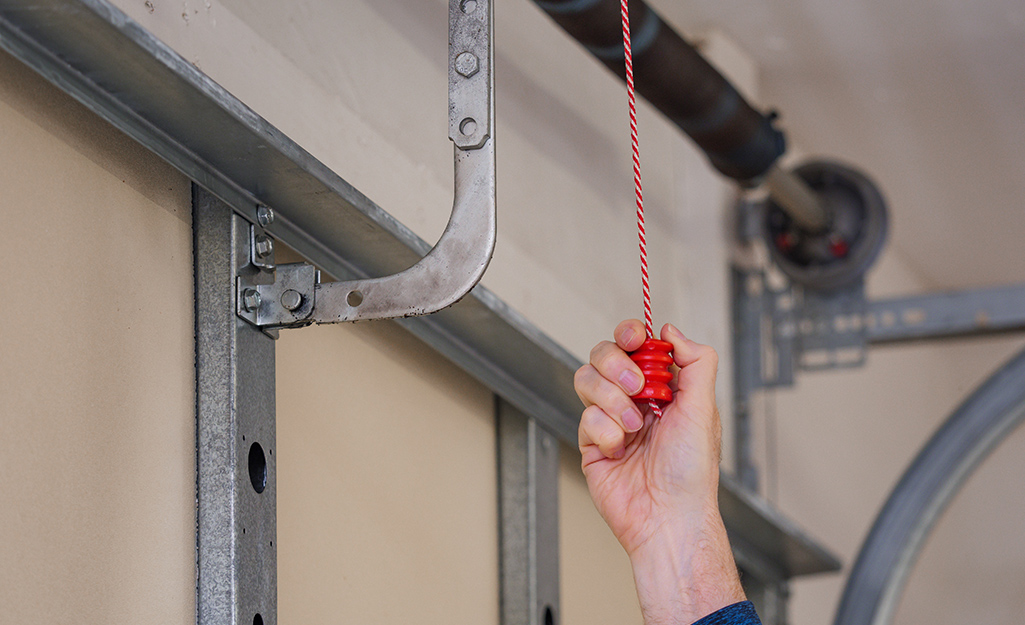
- Make sure the opener’s emergency release cord hasn’t been pulled. This disconnects the door from the opener.
If the door is off-track or jammed, the opener may try to move but the door will not budge.
5. Broken Springs Or Cables
Torsion springs and cables do most of the heavy lifting. If one breaks, the opener may hum or strain but the door stays shut.
- Inspect the springs above the door. If they’re broken, call a pro. Never try to fix springs yourself—they are dangerous.
- Frayed or snapped cables can also stop the door.
A heavy door that will not lift even when in manual mode usually means a spring problem.
6. Worn Gears Or Motor Issues
Garage door openers have plastic gears inside. Over time, these gears can wear out.
- Listen for humming or grinding sounds from the opener.
- If the opener runs but the door does not move, gears or the motor may be bad.
Motors can burn out, especially in older units. Replacement is often needed.
7. Signal Interference
Wireless remotes use radio signals. Devices like LED lights, wireless routers, or even neighbors’ openers can cause interference.
- Try moving the opener’s antenna.
- Change the remote’s battery.
- Move other electronics away from the opener.
If you live in a crowded area, signal problems are more common.
8. Limit Settings Are Wrong
The opener has limit switches that tell it when to stop opening or closing.
- If the door closes then reopens, or doesn’t close fully, the limits may need adjusting.
- Limits are usually screws or dials on the opener unit.
Consult your manual for how to adjust these properly.
9. Weather And Environmental Factors
Cold weather can thicken grease and make the door harder to move. Moisture can affect electronics or cause rust.
- Lubricate moving parts in cold months.
- Check for condensation or water damage.
Doors and openers exposed to extreme conditions may fail sooner.
10. Old Age And Wear
Most garage door openers last about 10-15 years. After that, parts wear out and failure is common.
- If your opener is older than 15 years, consider replacing it.
- New openers are safer, quieter, and more reliable.
Don’t wait for a complete breakdown—plan ahead if yours is aging.
Step-by-step Troubleshooting Guide
When your garage door opener is not working, it’s important to follow a logical process. Rushing can make things worse or even cause injury. Here is a safe and effective troubleshooting guide.
1. Check Power And Connections
Start with the basics.
- Is the opener plugged in?
- Does the outlet work with another device?
- Are there any tripped breakers or blown fuses?
If you find a power issue, fix it and test the opener.
2. Test The Wall Switch And Remote
Try both the wall switch and the remote control.
- If both fail, the problem is likely with the opener or power.
- If only the remote fails, replace its batteries and try again.
- If only the wall switch fails, check the wiring.
Reprogram the remote if new batteries don’t help.
3. Inspect The Safety Sensors
Look at the sensors near the bottom of the door rails.
- Clean the lenses.
- Make sure both sensor lights are on.
- Align the sensors if one light is off or blinking.
A blocked or dirty sensor is a common cause of doors that won’t close.
4. Check For Manual Locks Or Disconnection
Look for a lock bar or the red emergency release cord.
- Make sure the lock is open.
- If the emergency release has been used, reattach the door to the opener.
Try opening and closing the door manually to see if it moves freely.
5. Examine The Door Balance And Springs
With the opener disengaged, lift the door by hand.
- If the door is very heavy or won’t move, a spring is likely broken.
- Do not attempt to fix springs yourself.
If the door moves easily by hand but not with the opener, the problem is likely in the opener.
6. Listen For Sounds
Strange noises can give clues.
- Humming means the motor has power but can’t move the door.
- Grinding means gears are worn.
If you hear unusual sounds, unplug the opener and call a technician.
7. Adjust The Limit And Force Settings
If the door stops or reverses, the limits or force settings may need adjustment.
- Look for dials or screws labeled “up,” “down,” “open,” or “close.”
- Adjust in small steps.
Be careful not to over-adjust—follow the manual.
8. Test For Signal Problems
Try the remote from different distances and angles.
- Change the battery.
- Move other wireless devices away from the opener.
If nothing works, the receiver in the opener may be faulty.
9. Check For Weather-related Issues
Look for signs of water damage or rust.
- Lubricate moving parts with garage door lubricant.
- Remove ice or snow from tracks.
Environmental factors can cause sudden failures.
10. Call A Professional If Needed
If you have checked all the above and the door still does not work, it’s time to call a garage door technician. Some repairs, like springs, require special tools and training.
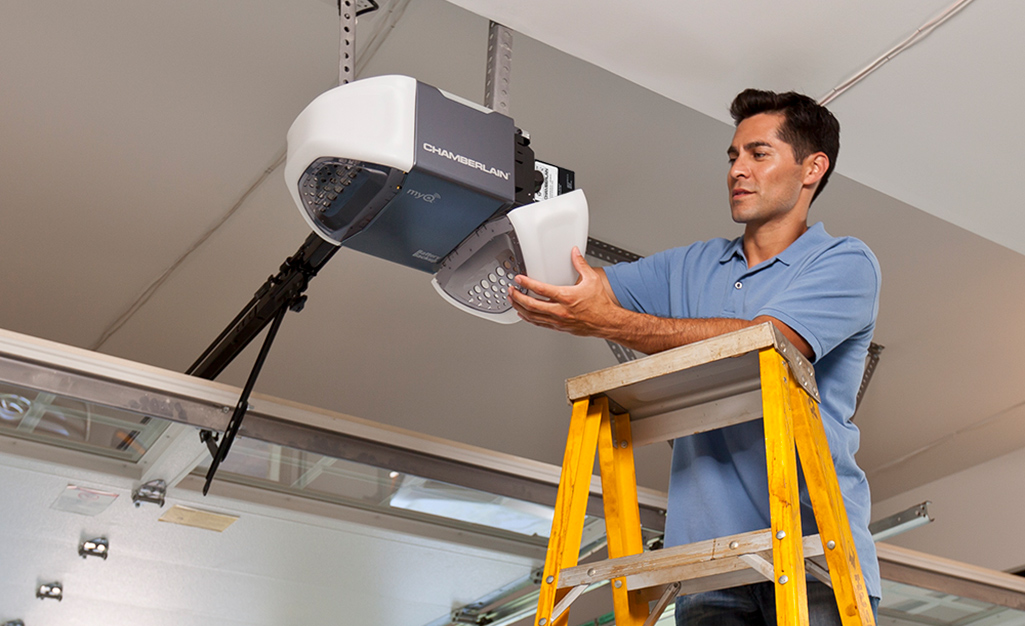
How To Fix Common Garage Door Opener Problems
Here are some actionable solutions for frequent problems.
Fixing Power Issues
- Reset the circuit breaker.
- Replace blown fuses.
- If the outlet is dead, call an electrician.
Repairing Remotes And Wall Switches
- Replace old batteries with new ones.
- Reprogram the remote using your opener’s instructions.
- Check and reconnect wall switch wires if safe to do so.
Cleaning Or Aligning Sensors
- Wipe sensor lenses gently.
- Adjust sensor brackets until both lights are solid.
- Remove any objects blocking the sensors.
Reattaching The Door
- Pull the emergency release cord toward the opener to reconnect.
- Lift the door slightly to engage the mechanism.
Adjusting Limits
- Use a screwdriver to turn the limit screws.
- Test after each adjustment.
Lubricating And Maintaining Parts
- Spray garage door lubricant on rollers, hinges, and springs.
- Avoid using grease, which can attract dirt.
Replacing Gears Or Motor
- Some openers have gear kits available.
- For motor problems, replacement is usually better than repair.
Resolving Signal Interference
- Change the frequency on newer openers if possible.
- Keep other wireless devices away from the opener.
Dealing With Weather Effects
- Use silicone-based lubricants in cold climates.
- Check for swelling or warping in wooden doors.
When To Call A Technician
- Broken springs or cables.
- Major electrical problems.
- Opener is very old or has repeated failures.
Preventive Maintenance For Garage Door Openers
Most opener problems can be avoided with regular care. Here are some tips to keep your system running smoothly:
- Test the door balance every 3-6 months by lifting it halfway. It should stay in place. If not, springs may need adjustment.
- Lubricate moving parts twice a year with garage door lubricant (not WD-40).
- Check the safety sensors monthly. Clean them and make sure they are aligned.
- Inspect the rollers and tracks for debris or damage.
- Tighten loose bolts and screws on the opener and door hardware.
- Replace remote batteries yearly or when you notice a weak signal.
- Listen for unusual noises and investigate quickly.
- Keep the door and opener dry—protect from leaks and condensation.
- Update the opener if it’s more than 10-15 years old. New models are safer and more reliable.
Many people only react when something breaks. With regular checks, you can avoid surprises and expensive repairs.
Choosing A Replacement Garage Door Opener
If your opener is old or beyond repair, you may need a new one. Here’s what matters when choosing:
Opener Types
There are three main types:
| Type | Noise Level | Price Range | Best For |
|---|---|---|---|
| Chain Drive | Medium-Loud | Low | Detached garages |
| Belt Drive | Quiet | Medium-High | Attached garages |
| Screw Drive | Moderate | Medium | Warm climates |
Key Factors To Consider
- Horsepower: 1/2 HP is enough for most doors; heavier doors need 3/4 HP or more.
- Battery backup: Useful during power outages.
- Smart features: Wi-Fi, smartphone control, and alerts are available on new models.
- Safety features: Auto-reverse, motion detection, and rolling codes for security.
Common Buyer Mistakes
- Choosing the cheapest model without considering door weight.
- Ignoring noise level (important if your garage is near bedrooms).
- Forgetting about battery backup.
- Not checking compatibility with your door.
Comparison Of Features
Here is a quick feature comparison of popular opener types:
| Feature | Chain Drive | Belt Drive | Screw Drive |
|---|---|---|---|
| Noise | High | Low | Medium |
| Maintenance | Medium | Low | Low |
| Lifespan | 15+ years | 15+ years | 10+ years |
| Price | $$ | $$$ | $$ |
Safety Tips When Dealing With Garage Door Openers
Working with garage doors can be dangerous, especially the springs. Here are important safety tips:
- Unplug the opener before opening the housing or working on wiring.
- Never try to repair or replace springs or cables yourself. These are under high tension and can cause injury.
- Keep hands and tools away from moving parts when operating the door.
- Do not bypass safety features like sensors or auto-reverse.
- Use a sturdy ladder and have someone assist you if needed.
- Teach children to stay away from the garage door and opener controls.
If in doubt, call a licensed garage door technician.
Non-obvious Insights Most People Miss
Many homeowners overlook these details:
- Remote controls can lose programming after power outages or battery changes. Always reprogram the remote if it suddenly stops working, even if the batteries seem fine.
- Garage door openers have diagnostic lights or codes. Check the opener unit for flashing lights or codes and look them up in your manual. These can tell you exactly what’s wrong.
- LED light bulbs can sometimes interfere with opener remotes, especially if they are non-branded. If your remote works poorly, try swapping to a different bulb type.
- Garage doors must be properly balanced or the opener will wear out quickly, even if it seems to be working fine. Test the balance every few months.
When To Repair Vs. Replace
How do you know if you should fix or replace your opener?
- Repair: The opener is less than 10 years old, and the problem is minor (remote, sensor, minor parts).
- Replace: The unit is over 15 years old, the motor is dead, or repairs are frequent and costly.
A new opener can add value to your home, increase safety, and provide smart features.
Cost Of Repair And Replacement
Typical costs (2024 estimates in the US):
- Remote replacement: $20–$60
- Sensor repair: $50–$100
- Spring or cable repair: $150–$350 (professional only)
- Gear or motor replacement: $100–$250 parts plus labor
- New opener installed: $300–$600
Always get a written quote from a licensed technician.
Real-world Example
Maria had an older chain drive opener that stopped working after a storm. The remote and wall switch both failed. She checked the power and found the outlet had burned out during a lightning strike. After replacing the outlet, the opener worked again.
She also learned that her remotes needed to be reprogrammed. By following simple troubleshooting steps, she avoided an expensive service call.
Environmental Impact Of Old Garage Door Openers
Older openers are less energy efficient and can be a safety risk. Modern openers use less power, run quieter, and have better safety features. Recycling your old opener and choosing an ENERGY STAR model can reduce your carbon footprint. Some local governments offer recycling for old motors and electronics.
Where To Find More Help
If you need more technical details or want to read about the latest garage door opener technology, visit the Wikipedia Garage Door Opener page.

Frequently Asked Questions
Why Won’t My Garage Door Close All The Way?
Most of the time, the safety sensors are blocked, dirty, or misaligned. Clean them and make sure they are facing each other. If the problem continues, check the limit settings or look for obstructions in the track.
Can I Fix A Broken Garage Door Spring Myself?
No. Garage door springs are very dangerous. They are under high tension and can cause injury or death if handled incorrectly. Always call a professional for spring repairs.
Why Does My Remote Only Work Sometimes?
This is usually due to weak batteries, signal interference, or the remote losing its programming. Replace the batteries, reprogram the remote, and move other wireless devices away from the opener.
How Long Do Garage Door Openers Last?
A typical garage door opener lasts 10–15 years with regular maintenance. If your unit is older or breaks often, it’s time to consider a replacement.
What Maintenance Should I Do On My Garage Door Opener?
Lubricate moving parts twice a year, check the door balance every few months, clean and align the sensors, and replace remote batteries regularly. Test all safety features to make sure they work.
Taking care of your garage door opener saves money, avoids emergencies, and keeps your home safe. With the right knowledge, you can solve many problems yourself and know when to call for help. Remember: safety first, and don’t hesitate to upgrade when your system gets old.