
A garage door that refuses to close can turn a normal day into a stressful one. Maybe you are late for work, or you want to keep your home safe at night, but the door just won’t shut. This is a common problem many homeowners face, and the reasons can range from simple user errors to complicated mechanical faults. Knowing why your garage door won’t close helps you fix the problem quickly and avoid future headaches.
This guide will walk you through every common cause, from safety sensor issues to remote control troubles. You’ll learn how to check each possible reason, how to fix the simple ones, and when to call a professional. Along the way, you’ll find practical tips and real-world examples to help you understand each step.
Whether your garage door is stuck halfway, reverses before closing, or doesn’t respond at all, you’ll find answers here.
Most Common Reasons A Garage Door Won’t Close
Let’s start by looking at the top causes. If your garage door refuses to close, it’s usually because of one of these issues:
- Obstructed or Misaligned Safety Sensors
- Something Blocking the Door’s Path
- Remote Control or Keypad Problems
- Garage Door Opener Issues
- Broken or Worn Out Springs and Cables
- Track or Roller Problems
- Lock Mode or Vacation Mode Enabled
- Weather-Related Issues
- Limit Settings Are Off
- Manual Release Is Activated
- Wiring or Electrical Faults
- Damaged Door Panels or Hardware
- Garage Door Needs Lubrication
- Interference from Other Devices
- Old or Failing Opener System
We’ll explore each cause in detail so you can pinpoint your exact problem.
Safety Sensor Issues
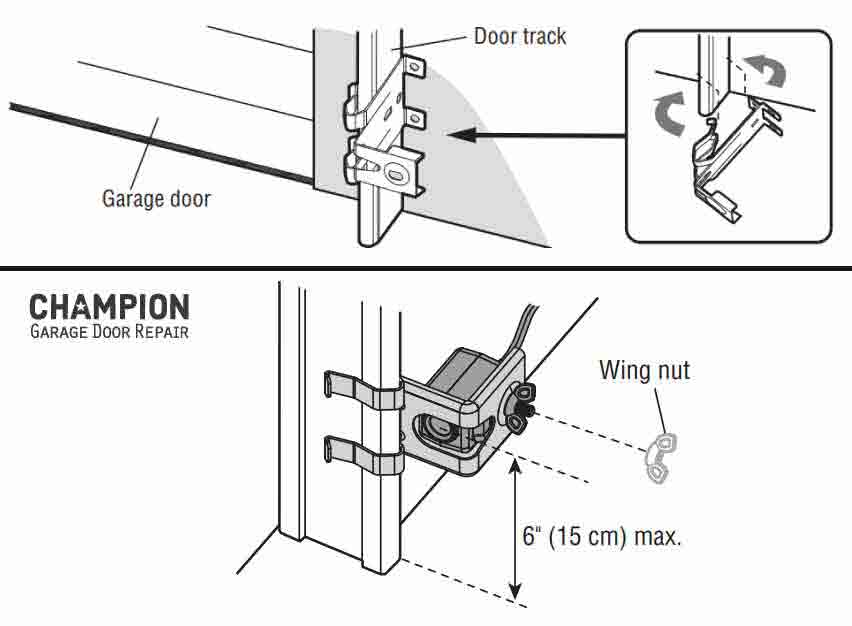
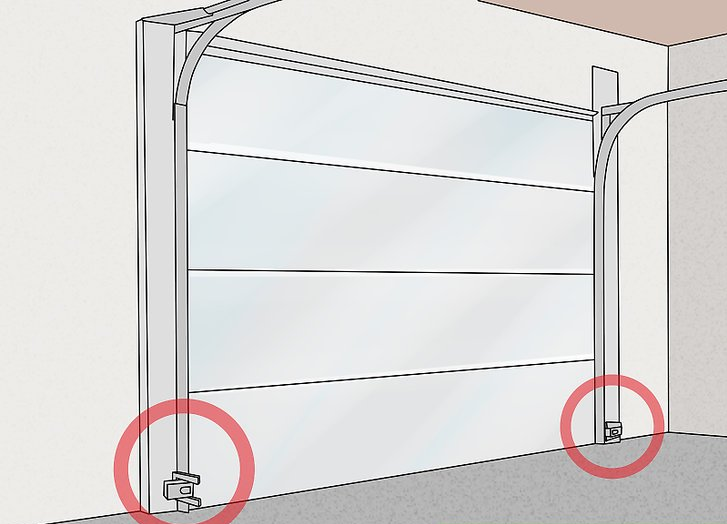
Most modern garage doors have safety sensors at the bottom of the door tracks. These sensors are designed to prevent the door from closing if something (like a child or pet) is in the way. But even a small issue with these sensors can stop your garage door from closing.
How Safety Sensors Work
The sensors send an invisible beam across the opening. If the beam is interrupted, the door will reverse or won’t close at all. Even sunlight or a spider web can affect these beams.
Common Sensor Problems
- Dirty sensor lenses: Dust, mud, or spider webs can block the beam.
- Misalignment: If the two sensors don’t “see” each other, the system thinks something is in the way.
- Loose wires: Sometimes the sensor wires get unplugged or damaged.
How To Fix
- Gently clean the sensor lenses with a soft cloth.
- Check that both sensors are pointing directly at each other. Most have a small indicator light—if the light is off or blinking, they are misaligned.
- Secure any loose wires.
Beginner tip: Even a slight bump to the sensor can misalign it. If you recently moved something near your garage door, check the sensors first.
Something Blocking The Door’s Path
This is one of the easiest problems to overlook. The door must move freely to close completely.
What To Look For
- Toys, tools, or debris on the garage floor
- Small rocks, leaves, or ice buildup
- Bicycles, trash cans, or storage bins too close to the door
Even a small object can trigger the safety system and stop the door.
How To Fix
Check the entire path of the garage door, including the tracks and the area where the door touches the ground. Remove anything that could block the door.
Remote Control Or Keypad Problems
If your garage door remote or keypad doesn’t work, the door may not close, even if everything else is fine.
Possible Causes
- Dead batteries in the remote or keypad
- Remote needs reprogramming
- Out of range or interference from wireless devices
How To Fix
- Change the batteries in your remote or keypad.
- Try using the wall switch inside the garage—if this works, the remote or keypad is the problem.
- Reprogram the remote following your opener’s manual.
Non-obvious insight: LED lights or Wi-Fi routers near the garage can sometimes cause interference with remote signals. Move these devices away if you notice problems.
Garage Door Opener Issues
The opener unit is the heart of your garage door system. If it fails, the door won’t move as it should.
Signs Of Opener Problems
- Opener makes noise, but the door doesn’t move.
- Lights flash on the opener when you try to close the door.
- The opener hums or clicks but nothing happens.
What To Do
- Unplug the opener for 30 seconds to reset it.
- Check for error codes—some openers have flashing lights that tell you what’s wrong.
- If the opener is old (more than 10 years), it may need replacing.
Beginner mistake: Forcing the door closed by hand can damage the opener. Always use the controls.
Broken Or Worn Out Springs And Cables
Garage door springs and cables carry the weight of the door. If they break or wear out, the door may not close or may slam shut dangerously.
Symptoms
- Door closes partway, then stops or reverses.
- Loud bang from the garage (spring breaking).
- Gaps in the spring or loose cables.
What To Do
Do not try to fix springs or cables yourself. These parts are under high tension and can cause serious injury. Call a professional for repair.
Track Or Roller Problems
The tracks guide the door’s movement, and the rollers help it move smoothly. Dirt, dents, or misalignment can cause the door to stick or jam.
Signs Of Track Or Roller Issues
- Door makes grinding or scraping noises.
- Door moves unevenly or gets stuck.
- Visible bends or gaps in the tracks.
How To Fix
- Check for objects lodged in the tracks.
- Clean and lubricate the tracks and rollers.
- Gently tap any bent sections back into shape with a rubber mallet.
Pro tip: Do not use grease on the tracks—use a silicone-based lubricant for rollers.
Lock Mode Or Vacation Mode Enabled
Some garage door openers have a lock or vacation mode. This feature disables remote controls for extra security while you’re away.
How To Check
Look for a “lock” button or light on your wall control panel. If the lock is on, the door won’t close from the remote but will work from the wall button.
How To Fix
Hold the lock button for a few seconds to turn off vacation mode.
Non-obvious insight: It’s easy to enable this mode by accident, especially if you have children pressing buttons.
Weather-related Issues
Weather can affect garage doors in surprising ways.
Common Weather Problems
- Ice or snow: Can freeze the door to the ground or block the tracks.
- Extreme heat: Metal parts may expand and stick.
- High humidity: Can cause wooden doors to swell.
What To Do
- Clear ice or snow from the door’s path.
- Use a silicone spray on weather strips in winter.
- If wood panels swell, sand and repaint them in dry weather.
Limit Settings Are Off
Garage door openers have limit switches that control how far the door moves when opening or closing. If these are set wrong, the door may stop short or reverse before closing fully.
Signs Of Incorrect Limits
- Door stops before touching the ground.
- Door reverses when it hits the floor.
How To Adjust
Most openers have limit screws or dials you can turn. Check your opener’s manual for instructions.
Tip: Make small adjustments and test after each change.
Manual Release Is Activated
Garage doors have a manual release (usually a red cord) so you can open the door during a power outage. If this is activated, the opener won’t move the door.
How To Check
Look for a hanging cord or lever near the opener rail. If it’s disengaged, the door moves freely by hand.
How To Fix
Reconnect the release handle to the opener carriage by pulling the cord toward the opener. You should hear a click.
Beginner mistake: Forgetting to re-engage the release after a power outage.
Wiring Or Electrical Faults
Sometimes, the problem is hidden in the wires or electrical system.
Signs
- Opener works sometimes but not always.
- Wall button or remote only works in certain spots.
- Lights flicker or dim when you use the opener.
What To Do
- Check for loose wires at the opener, wall button, and sensors.
- Replace any frayed or damaged wires.
- If you suspect an electrical problem, call an electrician.
Non-obvious insight: Rodents sometimes chew on garage wires, causing hidden damage.
Damaged Door Panels Or Hardware
Damage to the door itself can prevent smooth operation.
Common Problems
- Dented panels
- Loose hinges or brackets
- Warped or cracked materials
How To Fix
- Tighten any loose hardware with a wrench.
- Replace badly damaged panels.
- For minor dents, you may be able to pop them out with a plunger.
Safety note: If the door looks structurally unsound, call a professional.
Garage Door Needs Lubrication
Moving parts need regular lubrication to work smoothly.
Signs Of Poor Lubrication
- Squeaking, grinding, or stiff movement
- Door slows down or gets stuck
What To Do
Use a silicone or lithium-based spray on the rollers, hinges, and springs (not the tracks). Do this every 6 months for best results.
Interference From Other Devices
Wireless interference can stop remotes or keypads from working.
Common Sources
- LED light bulbs near the opener
- Wi-Fi routers
- Wireless security cameras
How To Fix
Move these devices further from the opener or try changing the remote’s batteries and frequency (if possible).
Old Or Failing Opener System
Everything wears out over time. If your opener is more than 10-15 years old, it may be time to replace it.
Signs You Need A New Opener
- Frequent breakdowns
- Noisy or slow operation
- Outdated safety features
What To Do
Research modern openers with better safety and security. Many new models have Wi-Fi and battery backup.
Non-obvious insight: New openers are often quieter and more energy-efficient, which can reduce your power bill.
How To Diagnose Your Garage Door Problem
With so many possible causes, it helps to follow a step-by-step approach.
- Try the wall switch: If the door works with the wall switch but not the remote, the remote is the problem.
- Check the sensors: Make sure the sensor lights are on and aligned.
- Look for obstructions: Check the floor and tracks for anything blocking the door.
- Listen for sounds: Grinding, banging, or humming noises point to mechanical issues.
- Check manual release: Make sure the opener is engaged.
- Test with power off: Unplug the opener and try lifting the door by hand. If it’s heavy or stuck, springs or tracks may be the issue.
When To Call A Professional
Some garage door problems are dangerous or require special tools. Call a pro if:
- Springs or cables are broken.
- The door is crooked or off the track.
- You see sparks, smoke, or burning smells.
- You’re unsure or uncomfortable with DIY repairs.
Professionals have the training to safely fix these complex issues.

Preventing Future Garage Door Problems
Regular maintenance can prevent most garage door failures.
- Lubricate moving parts every 6 months.
- Clean sensor lenses monthly.
- Test the safety reversal system by placing a block under the door—it should reverse when hitting the block.
- Check for loose bolts and brackets twice a year.
- Replace remote batteries yearly.
Real-world Examples And Data
Garage door failures are common. According to the International Door Association, about 70% of U.S. homes use an automatic garage door. Of these, sensor and obstruction issues account for almost 40% of closing failures.
Here’s a comparison of the most common causes for a garage door not closing:
| Cause | Percentage of Cases | DIY Fix? |
|---|---|---|
| Sensor Issues | 40% | Usually |
| Obstructions | 25% | Yes |
| Remote/Keypad | 15% | Yes |
| Broken Springs/Cables | 10% | No |
| Other Mechanical/Electrical | 10% | Varies |
Cost Comparison: Diy Vs Professional Repair
Depending on the problem, costs can vary widely. Here’s a quick look at average repair costs:
| Repair Type | DIY Cost | Professional Cost |
|---|---|---|
| Sensor Cleaning/Adjustment | $0 – $15 | $75 – $150 |
| Spring Replacement | Not Recommended | $150 – $300 |
| Track Realignment | $0 – $20 | $125 – $200 |
| Remote Replacement | $20 – $40 | $75 – $120 |
| Opener Replacement | $150 – $350 | $300 – $600 |
Important: Safety repairs (like springs) should always be done by a trained technician.
Preventive Maintenance Checklist
Keeping your garage door in good shape saves money and stress. Here’s a simple checklist:
- Inspect and clean safety sensors monthly.
- Lubricate rollers, hinges, and springs twice a year.
- Check door balance: With the opener disconnected, the door should stay halfway up when lifted.
- Test the auto-reverse system with a block.
- Tighten loose hardware every 6 months.
By following this routine, you can avoid many common problems.
Expert Tips For Reliable Garage Door Operation
- Replace batteries in remotes every year, even if they seem fine.
- Install surge protectors on your opener if you live in an area with frequent storms.
- Keep the tracks clear: Don’t use them for storage or hang tools nearby.
- Upgrade to LED-compatible openers if you switch to LED bulbs in your garage.
Understanding New Garage Door Technologies
Modern garage doors include features to prevent closing problems:
- Wi-Fi Connectivity: Lets you control the door from your phone.
- Battery Backup: Keeps the door working during power outages.
- Smart Sensors: Adjust sensitivity to prevent false obstructions.
- Rolling Codes: Improve remote security and reduce interference.
If your system is old, upgrading can solve many reliability issues.
Common Mistakes To Avoid
- Ignoring regular maintenance—this leads to bigger, costlier problems.
- Forcing the door closed when it’s stuck—can damage tracks and opener.
- Using the wrong lubricant—grease attracts dirt; use silicone spray.
- Overloading garage storage near the tracks—can block sensors or movement.
- Delaying professional help for springs or cables—dangerous and expensive.
When It’s Time To Replace Your Garage Door
If your door is more than 20 years old, has frequent problems, or looks badly worn, replacement may be more cost-effective.
Benefits of a new garage door:
- Improved safety and security
- Quieter operation
- Better insulation (lower energy bills)
- Higher home value
According to Remodeling Magazine, replacing a garage door has one of the highest returns on investment for home improvements.
For more technical details on garage door safety features, check this Wikipedia page.
Frequently Asked Questions
Why Does My Garage Door Go Down And Then Back Up?
This usually means the safety sensors are blocked, dirty, or misaligned. Check for anything in the door’s path and clean the sensors.
Can I Manually Close My Garage Door If The Opener Isn’t Working?
Yes. Pull the manual release cord to disconnect the opener, then carefully lower the door by hand. Make sure nothing is blocking the path.
How Often Should I Lubricate My Garage Door?
Lubricate all moving parts (rollers, springs, hinges) every six months. Use a silicone or lithium-based spray for best results.
What Should I Do If My Garage Door Remote Stops Working?
First, replace the batteries. If that doesn’t help, reprogram the remote using your opener’s manual. Move wireless devices away from the opener if you suspect interference.
When Is It Unsafe To Fix A Garage Door Yourself?
It is unsafe if you need to repair or replace springs, cables, or tracks. These parts can cause injury if not handled correctly. Always call a professional for these repairs.
A garage door that won’t close is more than an inconvenience—it’s a safety and security risk. By understanding the main causes, performing regular maintenance, and knowing when to call for help, you can keep your garage door running smoothly for years to come.