Now Reading: M Line 4500 Garage Door Opener Troubleshooting
- 01
M Line 4500 Garage Door Opener Troubleshooting

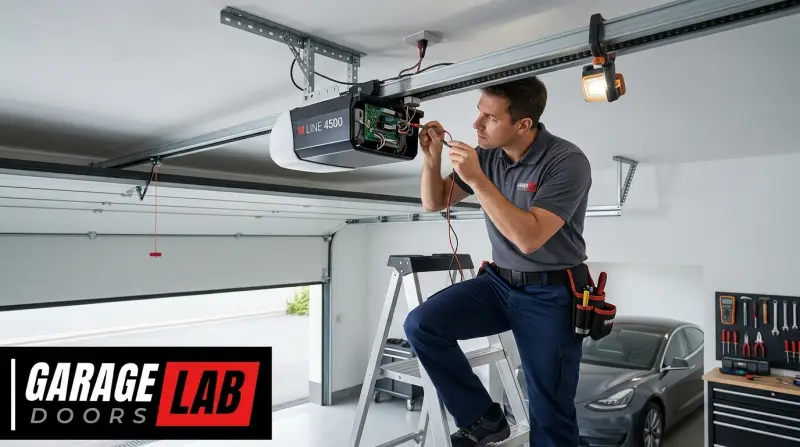
A malfunctioning garage door opener can be a significant inconvenience, turning a simple task into a frustrating ordeal. The M-Line 4500 garage door opener, known for its reliability, can still encounter issues that require troubleshooting. Understanding common problems and their solutions can save you time, money, and unnecessary stress.
From opener remotes not working to the door refusing to budge, this guide will walk you through the most frequent M-Line 4500 issues and provide clear, actionable steps to resolve them.
When your M-Line 4500 system isn’t performing as expected, it’s easy to feel overwhelmed. However, most problems stem from simple causes like power supply interruptions, misaligned sensors, or battery issues. By systematically working through potential causes, you can often identify and fix the problem yourself without needing to call a professional.
This comprehensive troubleshooting guide aims to empower you with the knowledge to diagnose and repair your M-Line 4500 garage door opener, ensuring your garage door operates smoothly and securely.
Key Takeaways
- Power Source Issues: Always check the power supply to your M-Line 4500 opener first, ensuring the unit is plugged in and the circuit breaker hasn’t tripped.
- Remote Control Problems: Dead batteries, programming loss, or interference are common reasons for remotes not working. Re-pairing the remote and replacing batteries are often effective fixes.
- Safety Sensor Alignment: Misaligned or obstructed safety sensors are a primary cause for the garage door failing to close. Cleaning and re-aligning them is crucial.
- Door Balance and Obstructions: A poorly balanced door or physical obstructions on the tracks can prevent the opener from functioning correctly.
- Limit Settings: Incorrectly set travel limits can cause the door to stop prematurely or reverse unexpectedly.
- Chain/Belt Issues: Loose or worn chains or belts can lead to operational problems. Adjustments or replacements may be necessary.
Credit: support.garagedoorzone.com
Understanding The M-line 4500 Garage Door Opener System
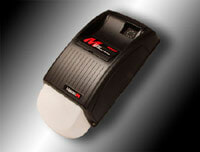
The M-Line 4500 is a popular garage door opener system designed for residential use, offering a blend of performance and convenience. Understanding its core components is the first step in effective troubleshooting. The system typically includes a motor unit, a drive mechanism (often a chain or belt), a safety sensor system, and remote control devices (keypad and/or remotes).
Each part plays a crucial role in the smooth operation of your garage door.
The motor unit houses the motor that powers the door’s movement. The drive mechanism translates the motor’s power into linear motion to open and close the door. The safety sensors, usually located near the bottom of the door tracks, use an infrared beam to detect obstructions, preventing the door from closing on people or objects. Finally, the remote controls allow you to operate the opener wirelessly from a distance. When any of these components malfunction, it can disrupt the entire system.
Common M-line 4500 Components And Their Functions
- Motor Unit: The central hub containing the motor, logic board, and power connections. It interprets signals from remotes and sensors to drive the door.
- Drive System (Chain/Belt): Connects the motor to the trolley that moves along the ceiling rail, pulling or pushing the garage door.
- Trolley: The assembly that moves along the rail, attached to the garage door via an arm.
- Ceiling Rail: The track mounted to the ceiling that guides the trolley’s movement.
- Emergency Release Cord: A red cord hanging from the trolley, used to disengage the opener from the door for manual operation.
- Safety Sensors (Photo-Eye Sensors): Two units mounted near the bottom of the garage door tracks that emit and receive an infrared beam.
- Wall Control Panel: Button to open/close the door from inside the garage, often includes a vacation lock.
- Remote Control(s): Handheld devices for wireless operation.
- Keypad: External device for code-based entry.

Credit: www.youtube.com
Troubleshooting Power And Electrical Issues
One of the most common reasons for a garage door opener to stop working is a problem with its power supply. Before diving into more complex issues, it’s essential to rule out simple electrical faults. These can range from a disconnected plug to a tripped circuit breaker or even a faulty outlet.
Addressing these fundamental issues can often resolve the problem quickly and efficiently.
Checking The Power Outlet And Cord
Begin by ensuring the M-Line 4500 motor unit is securely plugged into a working electrical outlet. Sometimes, vibrations can cause the plug to loosen. If it’s plugged in, test the outlet by plugging in another known working appliance, like a lamp or a vacuum cleaner.
If the other appliance doesn’t work, the issue lies with the outlet or the circuit it’s connected to.
Investigating The Circuit Breaker
If the outlet is functional, check your home’s electrical panel for a tripped circuit breaker. Garage door openers draw a significant amount of power, and a surge or prolonged use can sometimes trip the breaker. Locate the breaker labeled for your garage or opener and reset it by flipping it completely off and then back on.
If the breaker trips again immediately, there might be a short circuit in the opener’s wiring, and you should consult a qualified electrician or service technician.
Examining The Motor Unit’s Internal Fuse
Some M-Line 4500 models may have an internal fuse within the motor unit itself. Consult your owner’s manual to determine if your specific model has one and how to access and check it. A blown fuse indicates an electrical problem within the opener that may require professional attention.
Diagnosing Remote Control And Keypad Malfunctions
When your remote control or keypad fails to operate the M-Line 4500 opener, it can be frustrating, especially when you’re trying to enter your garage. The causes can range from simple battery issues to more complex programming or interference problems.
Systematically troubleshooting these components will help pinpoint the exact cause of the malfunction.
Remote Control Battery Replacement
The most frequent culprit for a non-responsive remote is a dead battery. Garage door opener remotes typically use small coin-cell or AAA batteries. Open the remote casing (usually by sliding a seam or removing a small screw) and replace the old battery with a new one of the same type.
Ensure the battery is inserted with the correct polarity (+/-).
Reprogramming The Remote Or Keypad
Over time, the opener’s receiver might lose the programming signal from your remote or keypad. This can happen due to power surges, battery changes, or other electronic interference. Reprogramming is often the solution. The process varies slightly by model, but generally involves pressing a “learn” or “program” button on the motor unit while simultaneously pressing a button on your remote or entering a code on the keypad. Always refer to your M-Line 4500 owner’s manual for specific reprogramming instructions. For example, if you have a Liftmaster garage door opener remote, the process might differ from other brands, highlighting the importance of consulting your manual. If you’ve lost your manual, searching online for “[Your M-Line 4500 Model] programming guide” can be helpful.
Checking For Interference
Radio frequency (RF) interference can disrupt the signal between your remote and the opener. Other wireless devices operating on similar frequencies, such as wireless doorbells, security systems, or even certain LED lights, can cause this. Try operating the remote when these other devices are turned off to see if it resolves the issue.
In some cases, repositioning the opener’s antenna or the remote itself might improve signal reception.
Wall Control Panel Functionality
Test the wall control panel inside your garage. If the wall button works but the remotes don’t, the problem is almost certainly with the remotes, keypad, or the opener’s receiver, not the main motor. If the wall button also fails, it points towards a broader issue with the opener’s wiring, logic board, or power supply.

Credit: www.youtube.com
Addressing Garage Door Movement And Obstruction Issues
If your M-Line 4500 opener seems to be receiving commands but the door isn’t moving correctly, or it stops unexpectedly, the problem likely lies with the door itself or the safety mechanisms designed to protect it. These issues can range from physical obstructions to the alignment of crucial safety components.
Inspecting Safety Sensors (photo-eyes)
The safety sensors are critical for preventing the door from closing on obstructions. If these sensors are misaligned, dirty, or obstructed, the opener will refuse to close the door.
- Obstructions: Ensure nothing is blocking the path of the infrared beam between the two sensors. This includes tools, storage items, or even cobwebs.
- Cleanliness: Wipe the lenses of both sensors with a soft, dry cloth. Dirt or grime can interfere with the beam.
- Alignment: The sensors need to be perfectly aligned. Look for indicator lights on the sensors; typically, one light is solid when aligned, and the other blinks or is off when misaligned. Gently adjust the position of the sensor until both lights indicate proper alignment. Most manuals provide a visual guide on how to achieve this. This is a common issue, and often a simple alignment fixes it.
Checking For Physical Obstructions
Examine the garage door tracks and the path of the door’s travel for any physical obstructions. This could include rocks, debris, tools, or even a bent section of the track. Ensure the rollers are properly seated within the tracks and are not binding.
If you find an obstruction, carefully remove it. If a track is bent, it may require professional repair.
Assessing Door Balance
A properly balanced garage door should stay open on its own when partially lifted and should not slam down when the opener is disengaged. If the door is difficult to lift manually or falls quickly, its spring system may be out of balance or broken. This is a dangerous situation, as the springs store a tremendous amount of energy. Never attempt to adjust or repair garage door springs yourself. Contact a qualified garage door technician immediately. You can test balance by disengaging the opener using the emergency release cord and then manually moving the door.
Examining The Drive Chain Or Belt
The drive chain or belt connects the motor to the trolley. If it appears slack, loose, or has missing teeth, it can cause the opener to slip or fail to move the door consistently. Check the chain or belt for tension. Your M-Line 4500 manual will detail how to adjust the tension if it’s too loose. For example, a guide on how to adjust chain on garage door opener can provide general steps applicable to many systems. If the chain or belt is damaged, it will need to be replaced.
Troubleshooting Opener Operation And Movement
Even when power is connected and safety sensors are clear, your M-Line 4500 opener might exhibit unusual behavior during operation. This can include the door reversing unexpectedly, not opening or closing fully, or making strange noises. These symptoms often point to issues with the opener’s internal settings or mechanical components.
Adjusting Travel Limits
The travel limits on your garage door opener dictate how far the door opens and closes before stopping. If these are set incorrectly, the door might reverse mid-way, stop too soon, or slam into the floor. Most M-Line 4500 models have adjustment screws or buttons on the motor unit to set the open and close limits.
- Close Limit: Adjust so the door closes fully without putting excessive strain on the opener or the bottom seal.
- Open Limit: Adjust so the door opens completely without hitting any overhead obstructions.
Refer to your owner’s manual for the specific procedure for your model. Incorrectly set limits are a very common cause of doors not closing properly.
Setting Force Adjustments
Similar to travel limits, force adjustments control how much power the opener uses to move the door. If the force is set too low, the opener might reverse the door when it encounters even minor resistance (like a stiff roller). If set too high, the door could cause damage if it hits an obstruction.
- Increase Force: If the door reverses unexpectedly, try slightly increasing the close force.
- Decrease Force: If the door seems to struggle or close too forcefully, try slightly decreasing the open force.
Again, consult your manual for the precise method of adjusting force settings on your M-Line 4500.
Investigating Unusual Noises
New or unusual noises from the opener can indicate a mechanical problem.
- Grinding or Stripping: This often points to stripped gears within the motor unit or a problem with the drive sprocket.
- Squealing: Could be a worn-out motor bearing or issues with the drive mechanism.
- Rattling: Might be a loose component, such as a mounting bracket or a loose trolley.
- Clicking: Sometimes normal, but persistent or loud clicking could indicate a problem with the logic board or a safety mechanism.
For noises related to the door itself, such as squeaky rollers or tracks, lubrication might be required. You can find helpful tips on how to lubricate garage door rollers to ensure smooth operation.
Emergency Release Cord Issues
The emergency release cord allows you to manually operate the door. If this cord is pulled accidentally or the trolley becomes stuck in a position where the cord is inaccessible, it can prevent the opener from re-engaging. Ensure the cord is hanging freely and that the trolley is in the correct position to re-engage with the drive mechanism when power is restored and the opener is activated. If the cord has broken, it will need to be replaced.
Advanced Troubleshooting And Maintenance Tips
Beyond the common issues, a few advanced troubleshooting steps and regular maintenance practices can keep your M-Line 4500 opener in optimal working condition and prevent future problems. Adhering to a maintenance schedule can significantly extend the lifespan of your opener and reduce the likelihood of unexpected failures.
Lubrication Schedule
Regular lubrication is key to smooth operation and preventing wear on mechanical parts.
- Rollers and Hinges: Apply a silicone-based lubricant or white lithium grease to the rollers and hinges of the garage door itself. Avoid using WD-40 for this purpose, as it can attract dust and gunk up the mechanisms over time.
- Opener Chain/Belt: If you have a chain drive, apply a light coating of garage door lubricant or white lithium grease to the chain, avoiding excessive buildup. Belt drives typically do not require lubrication but should be inspected for wear.
- Tracks: Ensure the vertical and horizontal tracks are clean and free of debris.
Following a routine like the one described in how to lube garage door rollers can make a significant difference.
Checking The Trolley And Rail
Periodically inspect the trolley and the ceiling rail. Ensure the trolley moves smoothly along the rail without binding or excessive play. Clean any dust or debris from the rail. If the rail appears bent or damaged, it may need to be straightened or replaced by a professional.
Understanding Error Codes
Some M-Line 4500 models may display diagnostic error codes through blinking lights on the motor unit. These codes can help pinpoint specific issues. Consult your owner’s manual to understand what each blinking light pattern signifies. For instance, a specific sequence might indicate a problem with the logic board, a sensor fault, or an internal motor issue.
When To Call A Professional
While many common issues can be resolved with DIY troubleshooting, some problems require the expertise of a professional garage door technician. These include:
- Issues with the garage door spring system (torsion or extension springs). These are under high tension and can cause serious injury if mishandled.
- Damaged or bent garage door tracks.
- Problems with the logic board that cannot be resolved by resetting or reprogramming.
- Any situation where you feel uncomfortable or unsafe performing the repair.
The cost of professional repair is often less than the potential cost of injury or further damage from attempting a complex repair yourself. According to industry estimates, the average cost for a garage door opener repair can range from $100 to $350, depending on the complexity of the issue and parts needed. How Much for a Garage Door: Costs, Factors, and Savings Tips provides a broader context for related expenses.
Resetting The Opener
In some cases, a full system reset can resolve persistent glitches. This typically involves unplugging the opener, disconnecting the battery backup (if applicable), and sometimes pressing and holding specific buttons on the motor unit. A factory reset often returns all settings (limits, force, remotes) to their default values, requiring you to reprogram everything. This is similar to how you might reset my garage door opener to clear minor issues.
Common M-line 4500 Troubleshooting Scenarios
Let’s walk through a few common scenarios you might encounter with your M-Line 4500 opener and how to approach them. These examples combine the troubleshooting steps discussed previously into practical problem-solving sequences.
Scenario 1: The Garage Door Opener Does Nothing When The Remote Is Pressed
- Check Power: Is the opener plugged in? Is the light on the motor unit illuminated? Check the circuit breaker.
- Test Remote: Replace the battery in the remote. Try another remote if you have one.
- Reprogram Remote: Reprogram the remote to the opener. This is a common fix if the signal was lost. Refer to your manual for the exact steps for your M-Line 4500 model, much like you would reset garage door remote easily.
- Check Wall Button: Does the wall control panel operate the opener? If yes, the issue is with the remote/keypad or receiver. If no, the problem is likely with the opener’s power or logic board.
Scenario 2: The Garage Door Closes Partially And Then Reverses
- Check Safety Sensors: This is the most common cause. Ensure the sensors are clean, unobstructed, and properly aligned. Look for steady indicator lights on both sensors.
- Check for Obstructions: Inspect the door’s path for any physical objects on the floor or in the tracks.
- Adjust Travel Limits: The close limit setting might be too sensitive or incorrectly set. Adjust it slightly higher.
- Check Force Settings: The close force might be set too low, causing the opener to think there’s an obstruction when there isn’t. Increase the close force slightly.
Scenario 3: The Garage Door Opens But Won’t Close
- Safety Sensors: Again, this is the primary suspect. Verify alignment and cleanliness. If one sensor’s light is off or blinking, the door will not close.
- Obstructions: Double-check the entire path for anything blocking the door.
- Remote/Keypad Issue: While less likely if the door opens, it’s worth testing with a different remote or reprogramming if it’s intermittent.
- Travel Limits: Ensure the close limit is set correctly and not preventing full closure.
Scenario 4: The Opener Motor Runs, But The Door Doesn’t Move
- Emergency Release: Check if the emergency release cord has been pulled, disengaging the trolley from the drive mechanism. Re-engage it by following the manual’s instructions.
- Drive Chain/Belt: Inspect the chain or belt. Is it broken, loose, or has it slipped off the sprocket? A loose chain may need adjustment, as detailed in guides for adjusting garage door opener chain. A broken chain or belt requires replacement.
- Trolley Issue: The trolley itself might be jammed or damaged.
- Internal Motor/Gear Failure: If the motor runs but the drive mechanism doesn’t engage, there could be internal gear damage within the motor unit, likely requiring professional service.
Frequently Asked Questions
My M-line 4500 Remote Suddenly Stopped Working. What’s The First Thing I Should Check?
The first and most common thing to check is the battery in your remote. Remote opener batteries are small and can drain over time. Replace the battery with a new one of the same type, ensuring it’s inserted correctly according to the polarity markings (+/-).
If replacing the battery doesn’t solve the issue, proceed to check for interference and then consider reprogramming the remote to the opener.
The Garage Door Closes But Then Immediately Opens Back Up. What Causes This?
This behavior is almost always caused by the safety sensors (photo-eyes) detecting an obstruction or being misaligned. Even a small piece of debris, a cobweb, or slight misalignment can trigger the safety reversal mechanism