
The sudden realization that your garage door opener is missing can be a moment of sheer panic. Whether it’s a misplaced remote, a lost key fob, or even a malfunction that leaves you wondering if it’s vanished into thin air, the immediate concern is how to get your car out or secure your home.
This isn’t just an inconvenience; it can disrupt your entire day, leaving you stranded or vulnerable. Fortunately, there are several practical steps you can take to regain access and control of your garage door, ranging from simple troubleshooting to more involved solutions.
This guide is designed to walk you through exactly what to do when you find yourself in this frustrating situation. We’ll cover immediate actions, diagnostic steps, and various methods to open and secure your garage, ensuring you can get back to your routine with minimal stress.
Understanding your options empowers you to handle the situation calmly and effectively, whether you’re dealing with a lost remote or a more complex opener issue.
Key Takeaways
- Immediate Access: Learn how to manually open your garage door to gain immediate access if the opener is unavailable or malfunctioning.
- Remote Troubleshooting: Explore common issues with garage door remotes, including battery replacement and reprogramming.
- Alternative Entry: Discover methods for accessing your garage without a remote, such as keypads or smartphone apps.
- Security Measures: Understand the importance of securing your garage if the opener is permanently lost or stolen.
- Replacement Options: Get information on choosing and installing a new garage door opener or remote.

Credit: www.clopaydoor.com
Immediate Steps: Gaining Access Without Your Opener
The most pressing concern when you’ve lost your garage door opener is how to get in or out. Fortunately, most modern garage door systems have a manual override feature designed for precisely these situations. Understanding how to use this feature is crucial for immediate access.
Engaging The Manual Release
Nearly all automatic garage door openers are equipped with a manual release cord, typically a red rope hanging from the opener’s trolley mechanism. This cord disengages the drive system, allowing you to lift or lower the door by hand.
Pro Tip: Always ensure your garage door is in the closed position before attempting to engage the manual release if you need to open it from the inside. If you are outside and the door is closed, you will need an alternative entry method first (like a keypad or an emergency release from the outside if your system has one).
To engage the manual release:
- Locate the Cord: Look for the red rope hanging from the motor unit.
- Pull the Cord: Gently pull the cord downwards. You might hear a click as the trolley disengages.
- Lift the Door: With the opener disengaged, you should now be able to lift the garage door manually. Be prepared for the weight of the door; they can be quite heavy. If the door feels excessively heavy or difficult to lift, there might be an issue with the garage door springs, which requires professional attention. You can find more information on garage door spring maintenance in our guide on lubricating garage door rollers, though springs are a separate component.
- Securing the Door: Once you have opened the door, you can prop it open or, if you need to close it manually, carefully lower it. To re-engage the opener, you’ll typically need to pull the cord again or operate the opener mechanism according to your manufacturer’s instructions. For most systems, you will need to reconnect the trolley to the drive chain or belt. This often involves pulling the cord again and then operating the opener from the wall button or a remote once it’s reconnected.
Alternative Entry Points
If the manual release is inaccessible or you’re locked out from the outside, consider other entry points.
- Side Door: Does your garage have a separate entry door into your house? This is the simplest solution if available.
- Garage Window: If your garage has windows, check if any are unlocked or can be opened. This is not a secure method but can provide access in an emergency.
- Keypad Entry: Many modern garage doors have an external keypad. If you have one and remember the code, this is a straightforward way to open the door. If you’ve forgotten the code, you may need to reprogram it. Many brands like Chamberlain and LiftMaster offer straightforward reprogramming steps. For example, reprogramming a Chamberlain keypad is a common task.
- Smartphone Apps: Some newer garage door opener systems are Wi-Fi enabled and can be controlled via a smartphone app. If you’ve set this up, you might be able to open your garage remotely.
When To Call A Professional
If you cannot locate the manual release, the door is too heavy to lift, or you’re uncomfortable performing these steps, it’s time to call a professional garage door technician. They have the tools and expertise to safely open your garage and diagnose the problem.
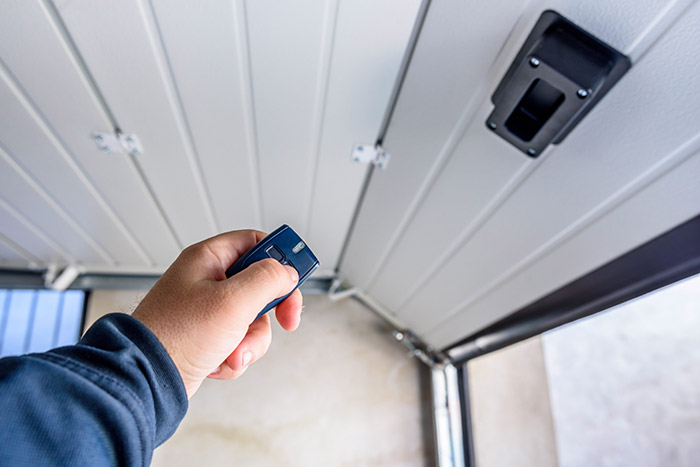
Credit: www.danleys.com
Troubleshooting Your Missing Opener Remote
The most common reason for being unable to open your garage door is a malfunctioning or missing remote. Before assuming it’s lost forever, consider these troubleshooting steps.
Checking The Remote Itself
- Battery: The simplest fix is often a dead battery. Most remotes use coin-cell or AA/AAA batteries. Replace them with fresh ones.
- Damage: Inspect the remote for any physical damage, such as cracks or water exposure, which could render it inoperable.
- Signal Interference: While less common, strong radio frequency interference from other devices *could* potentially disrupt the signal, though this usually causes intermittent issues rather than a complete failure.
Reprogramming The Remote
If you’ve found the remote but it’s not working, it might have lost its programming. Garage door openers use rolling codes for security, which can sometimes get out of sync.
Reprogramming Steps (General):
- Locate the Learn Button: This is usually on the back or side of the garage door opener motor unit itself. It’s often a small, colored button (red, green, orange, or purple depending on the brand).
- Press and Release: Press and immediately release the “Learn” button. A small LED light next to it will typically illuminate or blink.
- Press Remote Button: Within about 30 seconds, press and hold the button on your garage door remote that you want to use to operate the door.
- Confirmation: The opener’s lights might flash, or you might hear a click, indicating successful programming.
- Test: Press the remote button again to test if it operates the door.
Brand-Specific Guides: The exact procedure can vary by manufacturer. For instance, reprogramming a Craftsman remote might differ slightly from a Genie or LiftMaster. You can find detailed guides for popular brands like Craftsman, LiftMaster, and Genie. If the remote is completely lost or damaged, you will need to purchase a compatible replacement remote and follow these programming steps.
Checking The Opener Unit
Sometimes, the issue isn’t the remote but the opener unit itself.
- Power Supply: Ensure the opener unit is plugged in and the circuit breaker hasn’t tripped.
- Obstructions: Check the garage door tracks for any obstructions that might be preventing the door from moving.
- Limit Settings: The opener might have lost its limit settings, which tell it how far to open and close. Refer to your owner’s manual for instructions on how to reset and adjust these. For example, you might need to adjust a Chamberlain opener.
Replacing Lost Or Broken Remotes And Keypads
If troubleshooting doesn’t resolve the issue, or if the remote is irretrievably lost or damaged, you’ll need to consider replacements.
Choosing A Replacement Remote
When selecting a new remote, compatibility is key.
- Identify Your Opener Brand and Model: Look for a label on the motor unit. Common brands include LiftMaster, Chamberlain, Genie, Craftsman, and Overhead Door.
- Check Compatibility: Ensure the new remote is designed to work with your specific opener model or frequency. Older openers might use fixed codes, while newer ones use rolling codes. Universal remotes are available but require careful selection to ensure they match your system.
- Purchase: You can buy replacements from hardware stores, online retailers, or directly from the manufacturer.
Replacing Keypads
If you rely on a keypad and it’s lost or malfunctioning, a replacement keypad is a viable option. Similar to remotes, ensure the new keypad is compatible with your garage door opener system. Reprogramming a new keypad often involves the same “Learn” button procedure as programming a remote. For example, reprogramming a Genie keypad is a common task that many homeowners can do themselves.
Smart Home Integration
Consider upgrading to a smart garage door opener or a smart home controller. These devices allow you to operate your garage door via your smartphone, offering features like remote access, status notifications, and even integration with voice assistants. This can be a great alternative if you frequently lose remotes or simply want enhanced control and security.
Credit: www.actiondoorltd.com
Securing Your Garage When An Opener Is Permanently Lost Or Stolen
If you suspect your garage door opener remote has been stolen, or if it’s lost in a location where it could be found and misused, security is paramount. You need to prevent unauthorized access to your home.
Immediate Security Measures
- Reprogram the Opener: The most critical step is to reprogram your garage door opener to accept new codes. This effectively invalidates any lost or stolen remotes or keypads. This process typically involves pressing the “Learn” button on the motor unit and then reprogramming all your *working* remotes and keypads. Consult your owner’s manual for specific instructions. If you’re unsure, a professional can do this for you. You can find general guidance on resetting your garage door opener.
- Disable Lost Remotes (If Possible): Some advanced systems allow you to disable specific remotes remotely or via the opener unit. Check your system’s capabilities.
- Engage Manual Lock: If your garage door has a manual slide lock on the inside track, engage it. This provides an additional physical barrier even if someone gains access to the opener mechanism.
- Change Access Codes: If you use a keypad, change the access code immediately.
Long-term Security Considerations
- Regular Reprogramming: Make it a habit to reprogram your opener periodically, especially if you’ve had remotes lost or stolen in the past.
- Secure Remote Storage: When not in use, keep remotes in a secure location, not left visible in your car. Consider keychain remotes or even smartphone-based solutions.
- Consider a New System: If your opener is old or you’ve had multiple security concerns, investing in a newer, more secure model with advanced rolling code technology or smart features might be worthwhile. The cost of a new garage door opener can range from $200 to $600, depending on the brand and features, plus installation. This is a worthwhile investment for home security. Check out our guide on garage door costs for more details.
Understanding Your Garage Door Opener System
A garage door opener system is comprised of several key components that work together to automate the door’s movement. Understanding these parts can help in diagnosing issues and performing basic maintenance.
The Motor Unit
This is the “brain” of the system, typically mounted on the ceiling of your garage. It houses the motor that drives the door, the logic board that interprets signals, and the receiver that communicates with your remotes.
The Drive Mechanism
This is how the motor’s power is transferred to move the door. The most common types are:
- Chain Drive: Uses a chain, similar to a bicycle chain, to move a trolley along a rail. These are typically robust and less expensive but can be noisier.
- Belt Drive: Uses a rubber belt instead of a chain. These are much quieter and often preferred for attached garages.
- Screw Drive: Uses a rotating threaded steel rod. They are powerful and relatively quiet but can be sensitive to temperature changes and require more maintenance.
- Direct Drive: The motor itself rotates the drive shaft, offering quiet operation and fewer moving parts.
The Trolley And Rail
The trolley is the component that travels along the rail, attached to the garage door via a J-arm. When the motor runs, it moves the trolley, which in turn pulls or pushes the door open or closed. If the manual release cord is pulled, the trolley is disengaged from the drive mechanism. Proper maintenance, like ensuring the chain or belt is correctly tensioned, is important. For example, learning how to adjust the chain on your garage door opener can prevent issues.
Safety Features
Modern garage door openers come with essential safety features:
- Photo-Eye Sensors: Located near the bottom of the door tracks, these sensors detect obstructions in the door’s path. If the beam is broken, the door will reverse automatically. These must be aligned correctly for the opener to function safely.
- Force Sensitivity: The opener has built-in limits for the amount of force it will exert before reversing. This prevents the door from closing on an object or person.
- Manual Release: As discussed, this allows for manual operation in emergencies.
When To Consider A Full Opener Replacement
While losing a remote is a common and usually fixable problem, there are times when replacing the entire garage door opener unit is the best course of action.
Signs Your Opener Needs Replacement
- Age: Most garage door openers have a lifespan of 10-15 years. If yours is significantly older, it may be prone to failures and lack modern safety features.
- Frequent Malfunctions: If you’re constantly dealing with minor issues, such as the opener not responding, getting stuck, or making unusual noises, it might be more cost-effective to replace it than to keep repairing it.
- Lack of Security Features: Older openers might use fixed codes that are easier for thieves to replicate. Newer models use advanced rolling codes that change with each use, significantly enhancing security.
- Noise and Vibration: While some noise is normal, excessive clunking, grinding, or shaking can indicate worn-out internal components. Proper lubrication of rollers can help maintain smooth operation, as detailed in guides on lubricating garage door rollers.
- Incompatibility with New Remotes: If you can no longer find compatible remotes or keypads for your aging opener, replacement becomes necessary.
The Replacement Process
Replacing an opener involves removing the old unit and installing a new one. This can be a DIY project for those with mechanical aptitude, but it requires careful attention to wiring, mounting, and safety adjustments.
DIY vs. Professional Installation:
- DIY: Can save on labor costs. Requires tools, time, and a good understanding of mechanical and electrical systems. You’ll need to ensure the new opener is compatible with your door’s size and weight.
- Professional: Ensures correct installation, safety compliance, and proper calibration. While more expensive, it provides peace of mind and is often recommended, especially for complex systems or if you’re uncomfortable with electrical work. The average cost for professional installation of a garage door opener ranges from $300 to $700, including the opener unit itself.
When replacing, consider features like horsepower, drive type (chain, belt, screw), battery backup, and smart home connectivity to choose the best fit for your needs.
Frequently Asked Questions
How Do I Manually Open My Garage Door If The Opener Is Broken?
You can manually open your garage door by pulling the red emergency release cord that hangs from the opener’s trolley mechanism. This disengages the opener from the door, allowing you to lift it by hand. Ensure the door is clear of obstructions and be prepared for its weight. If you are locked out from the outside, you may need to access the release cord through a small opening or use an alternative entry method like a keypad.
My Garage Door Remote Isn’t Working. What Are The First Things I Should Check?
Start by checking the battery in the remote. Replace it with a fresh one. Next, inspect the remote for any physical damage. If the remote appears fine, try reprogramming it to your garage door opener. If these steps don’t work, the issue might be with the opener unit itself, such as a power loss or a tripped circuit breaker.
Can I Use Any Remote With My Garage Door Opener?
No, compatibility is essential. Garage door openers use specific frequencies and security protocols (like rolling codes). You need to use a remote that is specifically designed for your opener’s brand and model, or a compatible universal remote. Using an incompatible remote will not work and could potentially cause issues. Always check the compatibility list or consult your opener’s manual.
What Should I Do If I Suspect My Garage Door Remote Was Stolen?
If you suspect theft, prioritize security immediately. The most crucial step is to reprogram your garage door opener to invalidate the lost or stolen remote. This typically involves pressing the “Learn” button on the opener motor unit and then re-syncing your working remotes and keypads. You should also change any keypad access codes. If your opener has a manual slide lock, engage it for added security.
How Much Does It Cost To Replace A Lost Garage Door Opener Remote?
The cost of a replacement remote can vary widely, typically ranging from $20 to $70, depending on the brand, model, and whether it’s a standard remote or a more advanced multi-function or smart remote. Universal remotes might be cheaper, but ensure they are compatible. If you need to replace the entire opener unit, costs can range from $200 for the unit alone to $700 or more for higher-end models and professional installation.
Losing your garage door opener remote or facing an unexpected opener malfunction can be a significant hassle, but it’s a situation that can be resolved with the right knowledge. By understanding the manual release, troubleshooting remote issues, knowing how to reprogram or replace components, and prioritizing security when necessary, you can regain control of your garage access.
Remember to consult your owner’s manual for specific instructions related to your model and don’t hesitate to contact a professional if you encounter difficulties or feel unsafe performing any of these steps.