
Now Reading: Are Garage Door Springs Dangerous
- 01
Are Garage Door Springs Dangerous

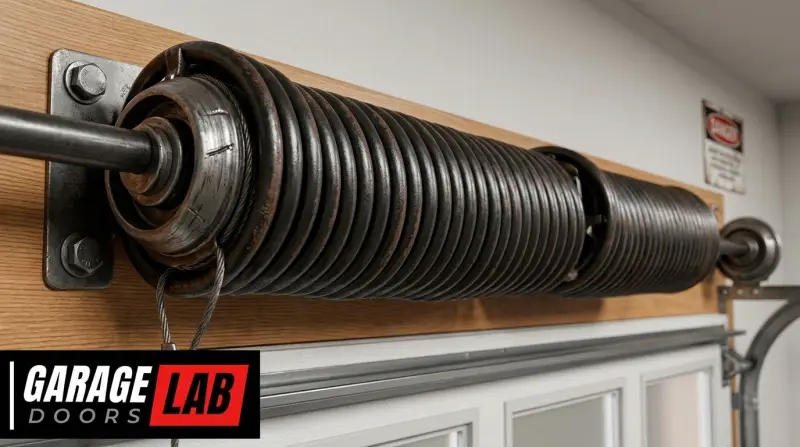
Garage doors are a ubiquitous feature of modern homes, offering convenience and security. However, the powerful mechanisms that enable their smooth operation, particularly the garage door springs, can pose significant safety risks if not handled with the utmost care. These springs, whether torsion springs mounted above the door or extension springs running along the tracks, store immense amounts of energy. This stored energy is what counterbalances the weight of the heavy garage door, making it easy to lift and lower. When these springs are under tension, they are under considerable force, and any sudden release or malfunction can lead to severe injury. Understanding the inherent dangers and the proper protocols for dealing with garage door springs is not just advisable; it’s crucial for the safety of anyone who interacts with their garage door system.
Key Takeaways
- Garage door springs are inherently dangerous due to the high tension and stored energy they contain.
- Torsion springs and extension springs both pose significant risks, with torsion springs generally considered more dangerous due to their mounting location and mechanism.
- Improper handling, attempted repairs, or wear and tear are primary causes of spring-related accidents.
- Signs of spring failure include broken springs, door imbalance, and unusual noises.
- DIY repairs on garage door springs are strongly discouraged and can lead to severe injuries.
- Professional inspection and maintenance are the safest ways to ensure spring longevity and prevent accidents.
- Safety features like garage door openers with auto-reverse and manual release mechanisms are vital.
- Regular maintenance and prompt attention to issues are key to mitigating risks associated with garage door springs.

Credit: www.youtube.com
The Dangerous Nature Of Garage Door Springs
The primary reason garage door springs are considered dangerous lies in the physics of their operation. They are designed to store and release significant amounts of potential energy. A typical residential garage door can weigh anywhere from 150 to 400 pounds, and the springs are responsible for counterbalancing this substantial weight. This counterbalancing act allows the garage door opener to lift the door with relative ease, but it also means that the springs themselves are under extreme tension.
Torsion Springs: A Higher Risk Factor
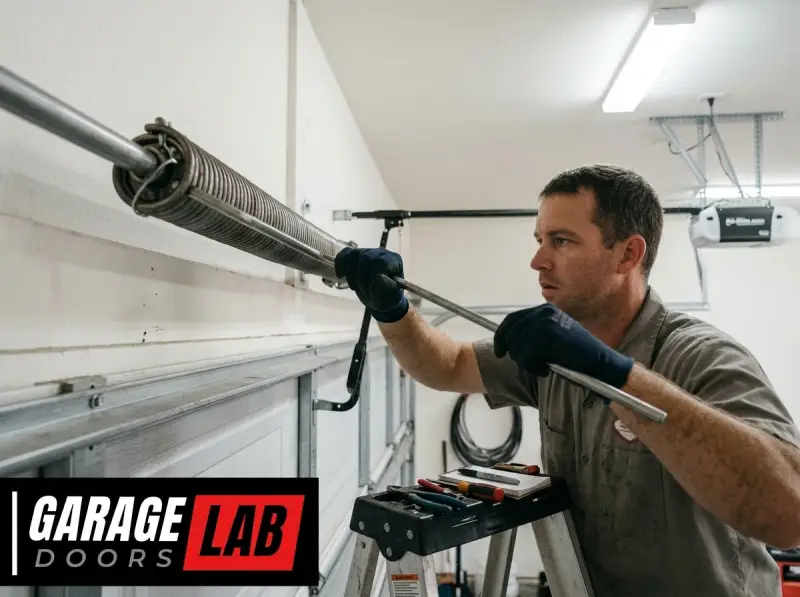
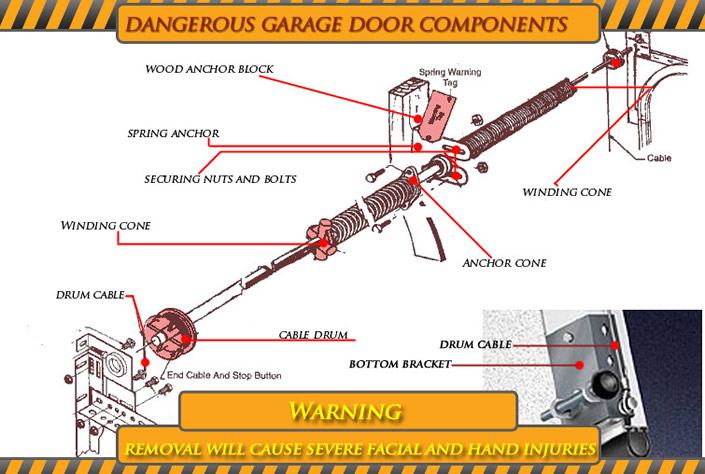
Torsion springs are typically mounted horizontally above the garage door, across a shaft that runs through the center. As the door closes, the cables attached to the bottom corners of the door wrap around drums, winding the torsion spring and storing energy.
When the door opens, the spring unwinds, releasing its stored energy and lifting the door.
The danger with torsion springs stems from several factors:
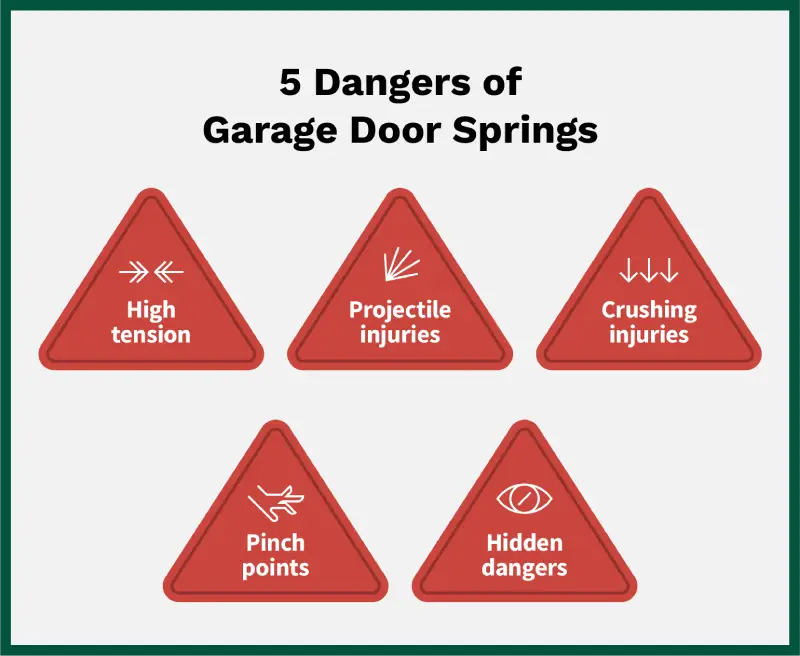
- High Tension: They operate under immense rotational force.
- Mounting Location: Being mounted above the door means they are often in a more accessible, yet less controlled, position for potential accidents during maintenance or failure.
- Sudden Release: If a torsion spring breaks or is handled incorrectly during adjustment or replacement, it can violently recoil, snapping the shaft or sending metal fragments flying. This can cause severe lacerations, broken bones, or even fatalities.
- Complex Adjustment: Adjusting torsion springs requires specialized tools and knowledge. Improper adjustment can lead to the spring being over- or under-tensioned, increasing the risk of failure or making the door difficult to operate safely.
Extension Springs: Still A Threat
Extension springs are usually mounted in parallel with the garage door tracks, running from the wall to the track. They are stretched as the door closes and contract as the door opens, using the door’s weight to assist in lifting.
While often considered less inherently dangerous than torsion springs, extension springs still pose significant risks:
- Snap Hazard: If an extension spring breaks, the sudden release of tension can cause it to whip around violently, potentially striking anyone nearby. This can result in serious injury.
- Safety Cables: Properly installed extension spring systems include safety cables that run through the center of the springs. These cables are designed to contain the spring if it breaks, preventing it from flailing. However, if these cables are missing, improperly installed, or corroded, the danger is amplified.
- Door Imbalance: A broken extension spring will cause the door to become unbalanced, making it heavy and difficult to lift manually, increasing the risk of strain or injury when trying to operate it.
Credit: www.precisiondoor.net
Causes Of Spring Malfunction And Danger
Understanding *why* springs fail is as important as understanding their inherent danger. Most accidents and malfunctions stem from a combination of wear and tear, improper installation, and misguided DIY attempts.
Wear And Tear: The Inevitable Factor
Garage door springs are mechanical components subjected to thousands of cycles over their lifespan. The average lifespan of a garage door spring is typically between 10,000 and 15,000 cycles, though this can vary significantly based on quality, usage, and maintenance.
As springs age, the metal can fatigue, weaken, and eventually break.
Key indicators of wear and tear include:
- Visible rust or corrosion: This weakens the spring material.
- Cracks or chips: Small imperfections can grow over time.
- Loss of elasticity: The spring may appear saggy or less robust.
Improper Installation Or Adjustment
Faulty installation is a leading cause of premature spring failure. This can occur if:
- The wrong type or size of spring is used for the door’s weight.
- Springs are not properly seated or secured.
- Tension is incorrectly applied during installation or adjustment.
In my experience, I’ve seen doors where the torsion spring was wound far too many or too few times, leading to immediate operational issues and a heightened risk of failure.
Diy Attempts And Misguided Repairs
Perhaps the most dangerous scenario involves homeowners attempting to repair or replace garage door springs themselves. Garage door springs are not like typical household items; they are high-tension mechanical components that require specialized knowledge, tools, and safety precautions.
Attempting to:
- Tighten or loosen a torsion spring without the proper winding bars.
- Remove a broken spring without securing the door.
- Replace a spring without understanding the precise tension requirements.
Can result in catastrophic failure and severe injury. The force released can be explosive, causing immediate and devastating harm.
Signs Your Garage Door Springs Are Failing
Recognizing the warning signs of failing garage door springs is critical for preventing accidents. Ignoring these signs can lead to unexpected spring failure, leaving you with an inoperable door and potentially a dangerous situation.
The Door Feels Extremely Heavy Or Won’t Stay Open
One of the most obvious indicators of a spring problem is a change in the door’s balance.
- Heavy Operation: If your garage door feels significantly heavier than usual to lift manually, or if the opener struggles to lift it, a spring is likely broken or weakened.
- Door Slams Down: A door that suddenly drops or slams shut when you try to open it manually is a clear sign of a broken spring.
- Door Won’t Stay Open: If the door stays open for a moment but then slowly descends, the springs are not adequately counterbalancing the door’s weight.
Unusual Noises
While some operational noises are normal, certain sounds can indicate spring distress:
- Loud Bang or Snap: This is often the sound of a spring breaking. If you hear this, immediately stop using the garage door and inspect it (from a safe distance).
- Screeching or Grinding: While sometimes related to rollers or tracks, persistent screeching when the door operates can also indicate a spring that is stressed or improperly seated.
Visible Damage To The Springs
A visual inspection can often reveal problems before they become critical.
- Broken Spring: The most obvious sign is a visible gap in the spring itself. This is particularly common with torsion springs.
- Sagging Springs: For extension springs, a noticeable sag when the door is closed can indicate a loss of tension.
- Corrosion or Rust: Significant rust on the springs can compromise their integrity and lead to premature failure.
The Door Operates Unevenly
A properly functioning garage door should move smoothly and evenly.
- Jerky Movements: If the door opens or closes in a jerky, uneven fashion, it suggests an imbalance caused by a failing spring.
- Sticking Points: The door may get stuck at certain points during its travel.
Credit: www.abettergaragedoorinc.com
The Dangers Of Diy Spring Repair
The allure of saving money by performing garage door spring repairs yourself is understandable. However, this is one area where the risks far outweigh any potential savings. The potential for severe injury or even death makes DIY spring repair a highly inadvisable endeavor.
Lack Of Specialized Tools And Knowledge
Garage door springs, especially torsion springs, require specialized tools for safe manipulation.
- Winding Bars: Torsion springs are adjusted using solid steel winding bars, not screwdrivers or wrenches. Using the wrong tools can strip the winding mechanism, cause the bar to slip, or lead to uncontrolled unwinding.
- Clamps and Braces: Securing the door and the torsion shaft during repair requires specific clamps and braces to prevent accidental movement.
- Understanding Tension: Accurately gauging and applying the correct tension is crucial. Over-tensioning can cause the spring to break immediately, while under-tensioning will result in an imbalanced door that is unsafe to operate.
The Explosive Force Of A Broken Spring
When a garage door spring breaks, the stored energy is released instantaneously and violently.
- Projectile Hazard: A broken spring can act like a loaded spring, snapping with tremendous force. This can send pieces of metal flying at high speeds, capable of penetrating walls or causing severe physical trauma.
- Shaft Recoil: Torsion spring shafts can twist and recoil, posing a significant risk to anyone nearby.
- Cable Whipping: Extension springs, if lacking functional safety cables, can whip around, causing extensive damage and injury.
Legal And Warranty Implications
Attempting DIY repairs can also have unintended consequences:
- Voided Warranties: Many garage door manufacturers and installers will void warranties if unauthorized repairs are attempted.
- Liability Issues: If an accident occurs due to a DIY repair, you could be held liable for any damages or injuries to others.
The U. S. Consumer Product Safety Commission (CPSC) has documented numerous injuries and even fatalities related to garage door spring failures, underscoring the inherent dangers.
Professional Garage Door Spring Services
Given the significant risks associated with garage door springs, professional service is the only safe and reliable option for repair and maintenance. Certified garage door technicians possess the training, tools, and experience necessary to handle these components safely and effectively.
What Professionals Offer
A qualified technician will:
- Accurate Diagnosis: Correctly identify the problem, whether it’s a broken spring, a worn-out spring, or an issue with the opener or other components.
- Proper Spring Selection: Determine the exact type, size, and strength of spring required for your specific garage door weight and dimensions. Using the wrong spring can lead to premature failure and safety hazards.
- Safe Replacement: Employ specialized tools and techniques to safely remove old springs and install new ones, ensuring correct tension and secure mounting.
- Balancing the Door: After spring replacement, they will meticulously balance the garage door. A properly balanced door should stay open on its own when partially lifted and should be easily lifted or lowered manually.
- Safety Cable Installation: For extension springs, they will ensure safety cables are correctly installed and functional.
- Lubrication and Maintenance: While on-site, they can also perform other essential maintenance tasks, such as lubricating rollers and hinges, and checking the garage door opener system. This comprehensive approach ensures the longevity and smooth operation of your entire garage door system. For advice on general maintenance, you might find information on how to lube garage door rollers helpful.
When To Call A Professional
You should contact a professional garage door technician immediately if you notice any of the following:
- A broken spring.
- The garage door is difficult to open or close manually.
- The garage door opener is struggling or making unusual noises.
- The garage door is not balanced (e.g., it slams shut or won’t stay open).
- You hear loud snapping or banging sounds from the garage door system.
- You see significant rust or damage on the springs.
- It’s been more than a year or two since your last professional garage door inspection.
Choosing a reputable company with certified technicians is paramount. Look for companies that offer warranties on their parts and labor, and check customer reviews for feedback on their safety practices and professionalism.
Safety Features And Preventative Measures
Beyond professional servicing, several safety features and preventative measures contribute to mitigating the risks associated with garage door springs. These are designed to protect users and ensure the system operates as safely as possible.
Safety Features Of Modern Garage Door Openers
Most modern garage door openers come equipped with built-in safety features that are crucial for preventing accidents.
- Auto-Reverse Function: This is a critical safety mechanism. If the garage door encounters an obstruction (like a person, pet, or object) while closing, the auto-reverse feature will cause the door to stop and immediately reverse direction. This is typically achieved through a photo-eye sensor or a force-sensing mechanism in the opener’s drive system. It’s essential to test this feature regularly to ensure it’s functioning correctly.
- Manual Release Cord: All automatic garage door openers have a manual release cord, usually a red handle hanging from the opener’s trolley. This cord allows you to disengage the opener from the door, enabling you to lift or lower it manually in case of power outages or emergencies. Knowing how to open your garage door manually is a vital piece of homeowner knowledge.
Importance Of Regular Inspections
Preventative maintenance is key to avoiding dangerous spring failures.
- Annual Inspections: Schedule an annual inspection of your garage door system by a qualified professional. They can identify potential issues with springs, cables, rollers, and the opener before they become serious problems.
- Homeowner Checks: While you shouldn’t attempt repairs, you can perform basic visual checks yourself:
- Look for obvious signs of damage or wear on springs.
- Test the door’s balance by manually lifting it halfway (with the opener disengaged). It should stay in place. If it drifts up or down, the springs need adjustment or replacement.
- Listen for unusual noises during operation.
Proper Usage And Awareness
Simple awareness of how the garage door system works can prevent accidents.
- Keep Clear: Ensure children and pets stay clear of the garage door’s path when it is in operation.
- Avoid Obstructions: Do not place objects in the path of the closing door that could interfere with the auto-reverse mechanism.
- Educate Family Members: Make sure everyone in the household knows how to operate the garage door safely and understands the importance of the manual release cord.
Garage Door Spring Types And Lifespan Comparison
Understanding the different types of springs and their expected lifespans can help in managing expectations and planning for maintenance.
| Spring Type | Mounting Location | Typical Lifespan (Cycles) | Primary Danger | Safety Features to Consider |
|---|---|---|---|---|
| **Torsion Spring** | Horizontal, above the door | 10,000 – 15,000+ | High tension, violent recoil upon breakage, risk of shaft whipping. | Secure mounting, proper tensioning, regular professional inspection. |
| **Extension Spring** | Parallel to tracks, along the sides of the door | 10,000 – 15,000+ | Snapping hazard, potential for uncontrolled whipping if safety cables fail. | **Safety cables** running through the spring, proper attachment to tracks and frame. |
| **Heavy-Duty Springs** | Varies, often custom-wound for heavier doors | 15,000 – 25,000+ | Similar dangers to standard types, but with higher forces; requires expert handling. | Custom balancing, reinforced mounting points, professional installation and maintenance are critical. |
| **Mini-Torsion** | Smaller doors (e.g., single-car, sheds) | 8,000 – 12,000 | Lower forces but still pose a risk of snap if damaged or improperly handled. | Proper fit for door size, careful tensioning, visual inspection for damage. |
*Note: Cycle counts are approximate and can vary based on door weight, usage, environmental factors, and spring quality.*
Understanding Garage Door Opener Systems
While the springs are a critical component, the garage door opener system also plays a significant role in overall safety and functionality. The opener is designed to work in conjunction with the springs to provide smooth, automated operation.
How Openers Interact With Springs
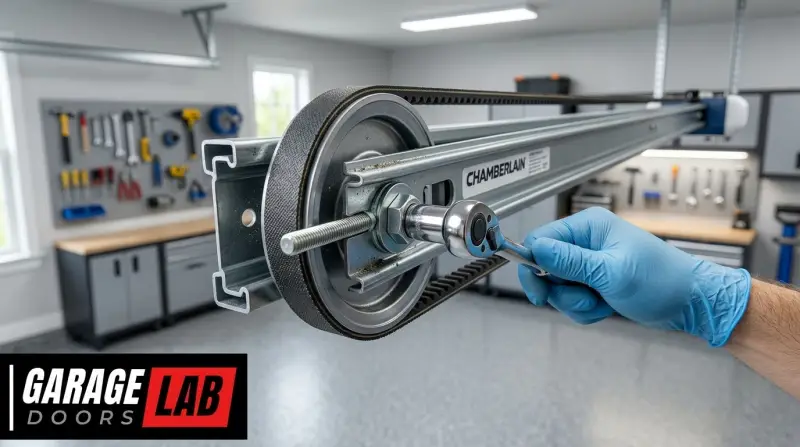
The opener’s primary job is to lift and lower the door. It does this by engaging with a trolley system that moves along a rail. This trolley is connected to the garage door via an arm. When the opener motor runs, it moves the trolley, which in turn pulls or pushes the door.
The springs provide the counterbalance, significantly reducing the workload on the opener motor.
If the springs are not functioning correctly (e.g., broken or improperly tensioned), the opener will have to work much harder. This can lead to:
- Motor Strain: The opener motor can overheat or burn out.
- Opener Malfunction: The opener might struggle, make loud noises, or fail to operate the door completely.
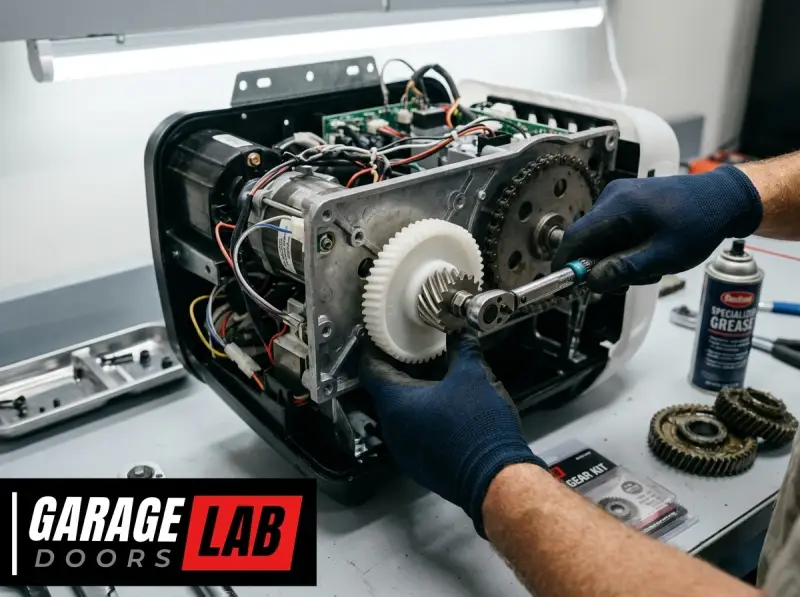
- Damage to Opener Components: Excessive strain can damage the opener’s gears, drive system, or trolley.
This is why it’s crucial to address spring issues promptly. Ignoring a broken spring and relying solely on the opener can cause further damage to the opener system. If you’ve had issues with your opener, understanding how to reset your garage door opener or specific models like Liftmaster Liftmaster garage door opener remote can be helpful, but these actions won’t fix a broken spring.
Opener Safety Features Revisited
It’s worth reiterating the importance of opener safety features in the context of spring-related incidents. The auto-reverse function, as mentioned earlier, is a lifesaver. If a spring breaks while the door is closing, and the opener is engaged, the sudden increase in door weight might trigger the auto-reverse, preventing the door from slamming shut entirely or causing less severe damage than it otherwise might.
Regular maintenance of the opener, including testing its safety features and ensuring it’s properly adjusted (like the chain tension if you have a chain-drive opener), complements the safety provided by functional springs. For those with chain-drive openers, knowing how to adjust the chain on your garage door opener can contribute to its overall smooth operation.
Frequently Asked Questions
What Is The Most Dangerous Part Of A Garage Door System?
The garage door springs (torsion and extension) are considered the most dangerous components due to the immense tension and stored energy they contain. Their failure can lead to violent and unpredictable reactions, causing severe injury.
Can I Safely Replace A Garage Door Spring Myself?
No, it is strongly discouraged to replace garage door springs yourself. They are high-tension devices that require specialized tools, knowledge, and safety procedures. Attempting DIY replacement can lead to severe injury or death. Always hire a qualified professional.
How Often Should Garage Door Springs Be Inspected Or Replaced?
Garage door springs typically last between 10,000 and 15,000 cycles. While they don’t have a fixed lifespan in years, they should be professionally inspected annually as part of your garage door system’s maintenance. Replacement is necessary when they show signs of wear, damage, or have reached the end of their operational cycle.
What Happens If A Garage Door Spring Breaks?
If a garage door spring breaks, the door will become unbalanced. It will likely feel extremely heavy to lift manually, may slam shut suddenly, or refuse to stay open. The garage door opener will also struggle to lift the unbalanced door.
A broken spring is a safety hazard and should be addressed by a professional immediately.
Are Extension Springs Safer Than Torsion Springs?
While both types of springs are dangerous, torsion springs are generally considered more dangerous due to their mounting location and the way they store energy. However, extension springs can also cause severe injury if they break and lack proper safety cables, allowing them to whip around. Both require professional handling.
The powerful mechanism of a garage door, driven by its springs, offers immense convenience but also carries significant risks. Understanding the nature of these risks, recognizing the signs of potential failure, and committing to professional maintenance are the cornerstones of ensuring safety.
Never underestimate the forces at play within your garage door system; prioritizing safety by relying on qualified technicians is the most prudent approach to maintaining your garage door and protecting yourself and