
Every day, millions of people trust their LiftMaster garage door openers to keep their homes safe and accessible. But what happens when you need to open your LiftMaster garage door—manually, for maintenance, or after a power outage? For many, this task feels confusing, even intimidating. Yet, with the right steps and knowledge, opening a LiftMaster opener is straightforward and safe.
Whether you’re a homeowner, renter, or a curious DIY enthusiast, understanding how to open your garage door opener is a must. This guide gives you everything: step-by-step instructions, safety tips, and practical advice for different situations. Even if you’re not a technical expert, you’ll soon feel confident handling your LiftMaster opener—no stress, no surprises.
Understanding Your Liftmaster Garage Door Opener
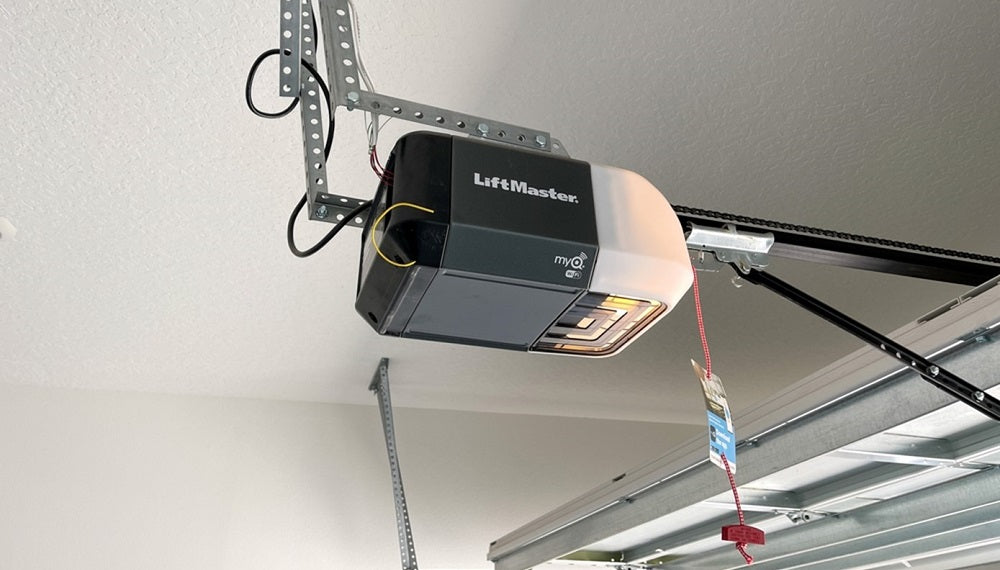
Before you start, it’s important to know what you’re working with. LiftMaster is a leading brand for garage door openers in the US and worldwide. They offer different models, but most share similar features:
- Motor unit: Mounted to the ceiling, powers the opener.
- Rail: Guides the door as it opens and closes.
- Trolley: Connects the door to the opener, moving along the rail.
- Emergency release cord: Usually a red rope or handle hanging from the rail.
- Wall control panel: Mounted on the wall near the door.
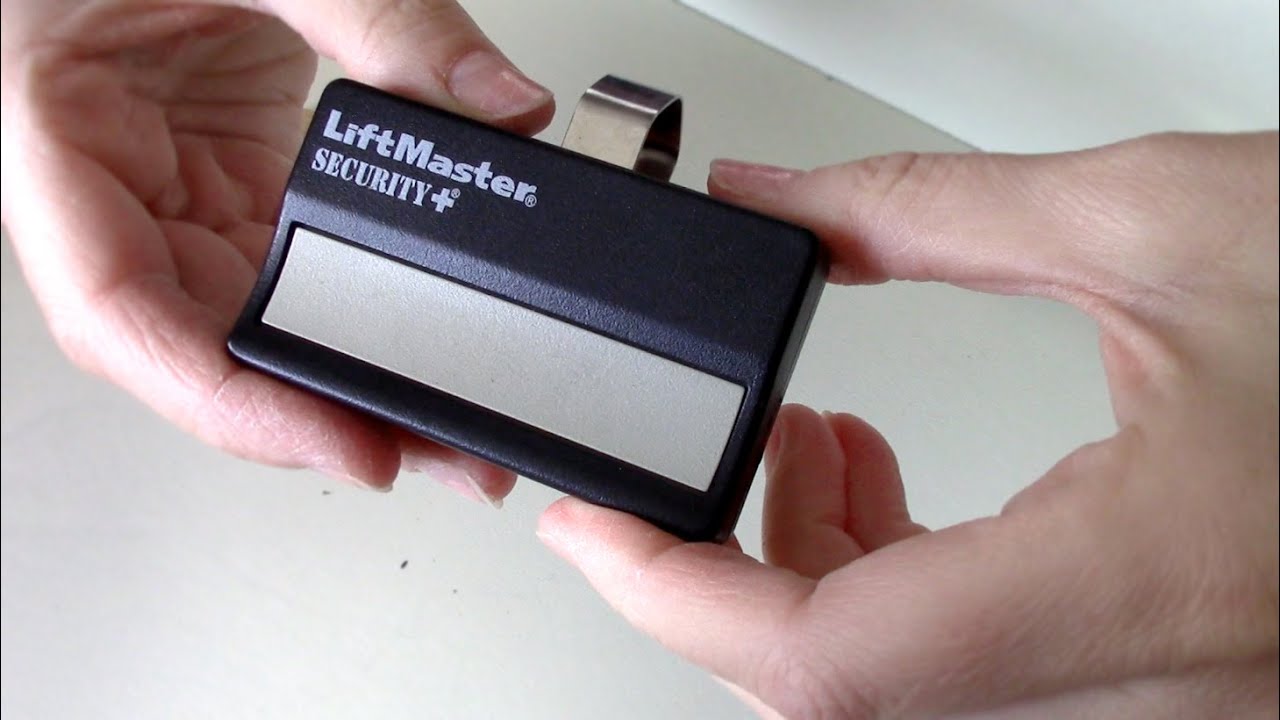
- Remote controls: Handheld devices for opening/closing the door from your car.
If you’re not sure which model you have, look for the model number sticker on the motor housing. Some LiftMaster models also connect to Wi-Fi and have smart features (like the myQ system).
Why You May Need To Open Your Liftmaster Opener Manually
There are several situations where knowing how to open your garage door manually is essential:
- Power outage: Automatic openers need electricity. If power is out, the opener won’t work.
- Remote or keypad failure: Dead batteries or malfunctions can make remotes useless.
- Opener malfunction: If the motor or electronics fail, you might be locked out or in.
- Maintenance or repairs: Sometimes you need to disconnect the door to work on it safely.
- Emergency exit: In a fire or medical emergency, you may need fast manual access.
A surprising number of people get stuck during outages simply because they don’t know about the emergency release feature.
Safety First: Precautions Before You Start
Dealing with garage doors is not risk-free. These doors are heavy and under tension from large springs. Before doing anything, keep these safety tips in mind:
- Clear the area: Make sure pets, children, and obstacles are away from the door.
- Do not force: If the door feels stuck, don’t use excessive force. There may be a mechanical problem.
- Check the springs: If you see broken or loose springs, do not attempt to open the door yourself. Springs can cause serious injury.
- Release with caution: The door may move quickly when released. Hold the door securely.
- Seek help if unsure: If anything feels unsafe, call a professional.
Most LiftMaster openers have built-in safety features, but manual operation removes some of those protections.
How To Open A Liftmaster Garage Door Opener Manually
The most common need is to open the door when the opener won’t work. Here’s how to do it safely:
1. Locate The Emergency Release Cord
The emergency release cord is usually a red rope or handle hanging from the rail near the top center of your garage door. It’s easy to spot.
2. Make Sure The Door Is Fully Closed (if Possible)
If the door is open, it can be heavy and may slam shut when released. If possible, close the door before pulling the release. If not, hold the door firmly as you release.
3. Pull The Emergency Release Cord
Grasp the red handle and pull it straight down. This disconnects the opener’s trolley from the door, allowing you to move the door manually.
4. Lift The Door Slowly
With the opener disconnected, grip the door with both hands. Lift it steadily. Most residential garage doors are balanced with springs, so they shouldn’t be too heavy. If it feels too heavy or won’t move, stop and check for mechanical issues.
5. Secure The Door Open
If you need to keep the door open, prop it with a strong object or use the locking mechanism, if available. Never leave a disconnected door open unattended—it can fall.
6. To Reconnect, Pull The Cord Toward The Door
After power is restored or repairs are done, reconnect the opener. Pull the emergency release cord toward the door (or back toward the opener, depending on your model) until it clicks into place. You can also run the opener (using the wall button or remote) and the trolley will re-engage automatically.
Example Scenario: Power Outage
Imagine a thunderstorm hits your neighborhood, cutting power for hours. Your car is inside the garage. By following these steps, you can get out safely—no panic, no damage to your door.
Opening Different Types Of Liftmaster Garage Door Openers
LiftMaster makes several types of openers. The basic emergency release method is similar, but let’s highlight some differences.
Chain Drive Openers
These are the most common in the US. The emergency release cord is usually in the center. Manual opening follows the steps above.
Belt Drive Openers
Very similar to chain drives, but quieter. The emergency release works the same way.
Screw Drive Openers
Less common. The emergency release cord is often closer to the motor. Process is the same, but sometimes the trolley is slightly different.
Wall-mount (jackshaft) Openers
Mounted beside the garage door, not overhead. The emergency release is usually a small handle on the side of the unit. Pulling it disconnects the opener from the door shaft.
Smart/wi-fi Openers (myq)
Newer models add smart features, but manual operation is the same. If you have a battery backup, the door may still work during an outage.
Quick Comparison
Here’s a quick look at the common LiftMaster opener types and their emergency release locations:
| Opener Type | Emergency Release Location | Manual Opening Steps |
|---|---|---|
| Chain Drive | Center rail, red cord | Pull down cord, lift door |
| Belt Drive | Center rail, red cord | Pull down cord, lift door |
| Screw Drive | Near motor, red cord | Pull down cord, lift door |
| Wall-Mount (Jackshaft) | Side of unit, handle | Pull handle, lift door |
| Smart/Wi-Fi (myQ) | Same as above | Same as above |
How To Open A Liftmaster Garage Door From Outside
What if you’re locked out, with no access to the inside of your garage? Most standard garage doors can’t be opened from outside for security, but there are options.
1. Emergency Release Lock
Many LiftMaster openers support an emergency release lock. This is a key-operated lock installed in the door. When you turn the key, it pulls a cable that activates the emergency release from outside.
- Insert the key, turn, and pull out the lock tumbler.
- Pull the cable to disconnect the opener.
- Manually lift the door.
If your door doesn’t have this feature, you can often install it as a kit.
2. Manual Keyed Entry
Some older garage doors have a simple keyed handle. Turning the key unlocks the door so you can open it by hand.
3. Smart Access (for Wi-fi Models)
If you have a smart LiftMaster (myQ), you can often open the door using your smartphone—unless the power is out or Wi-Fi is down.
Tip: If you routinely enter through your garage, consider installing an emergency release lock for peace of mind.
Reconnecting The Garage Door Opener After Manual Operation
After the emergency is over, reconnecting your LiftMaster is simple:
- Close the door completely.
- Pull the emergency release cord toward the opener or door. You’ll hear a click as the trolley re-engages.
- Press the wall button or use the remote. The opener should move the door and lock back onto the trolley.
Some models reconnect automatically when you press the open/close button. If it doesn’t reconnect, check for obstructions or alignment issues.
Visual Guide: Steps For Reconnection
| Step | Action | What to Expect |
|---|---|---|
| 1 | Close door fully | Door is on ground, safe to reconnect |
| 2 | Pull cord toward opener/door | Hear a click; trolley locks in place |
| 3 | Use wall button/remote | Opener moves door, normal operation resumes |
Opening A Liftmaster Opener For Maintenance Or Repair
Sometimes, you need to open the motor housing (not just the door) for:
- Changing the light bulb
- Inspecting or replacing the logic board
- Tightening loose wires
- Checking for insects or dust
How To Open The Motor Housing
- Unplug the opener: Always disconnect power before opening the unit.
- Remove screws or clips: Most LiftMaster units have screws on the sides or bottom. Use a screwdriver.
- Lift off the cover: Slide or lift the plastic cover to access the inside.
- Perform maintenance: Only touch what you need to. Avoid the circuit board unless you’re experienced.
- Replace cover and screws: Make sure everything is secure before plugging in.
Tip: Take a photo before moving wires or parts—this helps you remember where everything goes.
Common Problems When Opening A Liftmaster Garage Door Opener
Even with good instructions, problems can occur. Here are the most frequent issues and how to handle them.
1. Door Feels Too Heavy
This means the torsion springs are likely broken or unbalanced. Do not force the door—call a professional.
2. Door Won’t Move After Releasing
Check for:
- Locking latches on the door
- Obstructions on the track
- Bent or damaged rollers
3. Emergency Release Cord Doesn’t Work
Rare, but sometimes the cord is stuck or broken. Try gently wiggling the cord. If it won’t release, seek professional help.
4. Opener Won’t Reconnect
- Make sure the trolley is aligned with the carriage.
- Check for debris in the rail.
- Re-engage by running the opener a full cycle.
5. Door Opens By Itself
After reconnecting, if the door opens on its own, the travel limits may need adjustment. See your manual or the LiftMaster website for instructions.
Advanced Tips And Insights
Many guides miss these practical details, which can make life easier for homeowners:
Use A Surge Protector
Garage door openers are sensitive to power surges. Installing a surge protector can prevent damage from lightning or outages.
Lubricate The Tracks And Rollers
A door that’s hard to lift manually may just need lubrication. Use a silicone-based spray (not WD-40) on the rollers and hinges.
Know Your Model
Different models have small differences. Download your opener’s manual from the official LiftMaster Support page for specific diagrams and troubleshooting.
Battery Backup
Some newer LiftMaster openers have a battery backup system. If you have this feature, your opener can work during a power outage for a limited time (usually up to 24 hours or several cycles).
Regular Testing
Test your emergency release at least twice a year. This ensures it works smoothly when you actually need it.
Safety Features Built Into Liftmaster Openers
Modern LiftMaster openers include several safety features that you should know about:
- Auto-reverse sensors: If something is in the door’s path, it reverses to prevent injury.
- Rolling code remotes: Makes it harder for thieves to copy your remote code.
- Manual lockout: Some models have a lock mode, so remotes won’t work (useful on vacations).
- MyQ alerts: For smart openers, get alerts on your phone about door status.
Understanding these features helps you make safer decisions during manual operation.
When To Call A Professional
While opening the emergency release is safe for most people, there are times to get help:
- Broken springs or cables: These are dangerous and under high tension.
- Door off its tracks: Forcing it can bend or break the door.
- Repeated opener failures: Electrical or motor issues may need expert diagnosis.
- Unusual noises or grinding: This could mean a serious mechanical problem.
Don’t risk injury or damage—professionals have special tools and training for these situations.
Preventing Problems With Regular Maintenance
Keeping your LiftMaster garage door opener in good shape reduces the chances of emergencies. Here’s what you can do:
- Visual inspection: Look for frayed cables, loose parts, or worn rollers every few months.
- Lubricate moving parts: Spray hinges, rollers, and springs twice a year.
- Test auto-reverse: Place a 2×4 under the door and close it—the door should reverse when it touches the wood.
- Check the opener chain or belt: Tighten or adjust if it sags.
- Replace remote batteries: Weak batteries can cause false failures.
- Update firmware: For smart openers, check for software updates through myQ.
A little attention now saves headaches later.
Real-world Example: Family Gets Locked Out
The Smith family came home after a day out, only to find the power out and the garage door unresponsive. They remembered the emergency release cord, pulled it, and lifted the door by hand. They later installed an emergency release lock for outside access—a solution many people overlook until it’s too late.
Comparing Manual Vs. Automatic Operation
Understanding the pros and cons of each method helps you decide when to use manual release and when to wait for automatic operation.
| Feature | Manual Operation | Automatic Operation |
|---|---|---|
| Usable During Power Outage | Yes | No (unless battery backup) |
| Requires Physical Effort | Yes | No |
| Safety Features Active | No | Yes |
| Risk of Door Slamming | Higher | Lower |
| Convenience | Lower | Higher |
Key Takeaways
- The emergency release cord is your best friend during power failures or opener problems.
- Always prioritize safety—don’t force the door or ignore broken springs.
- Know how to reconnect your opener after manual use to restore automatic function.
- Regular maintenance prevents most emergencies.
- Install an emergency release lock for outside access if your door is your main entry point.
Opening a LiftMaster garage door opener may seem complicated at first, but with these steps and tips, you’ll be prepared for any situation. Take a few minutes now to locate your emergency release cord, test it, and review your manual.
A little preparation goes a long way toward keeping your family and property safe and accessible.
Frequently Asked Questions
How Do I Open My Liftmaster Garage Door When The Power Is Out?
Pull the emergency release cord (usually a red handle) hanging from the rail. This disconnects the opener so you can lift the door by hand. Always lift slowly and be ready for the weight.
Can I Open My Liftmaster Garage Door From Outside If I’m Locked Out?
Yes, if you have an emergency release lock installed. This key-operated feature lets you pull the release cable from outside. If you don’t have one, you’ll need to install the kit or enter through another door.
Is It Safe To Open The Garage Door Manually?
Usually yes, but only if the springs and cables are intact. If the door feels extremely heavy or won’t move, stop and call a professional—broken springs can be dangerous.
How Do I Reconnect The Opener After Using The Emergency Release?
Close the door fully. Pull the cord toward the door or opener until you hear a click. Then use the wall button or remote—this should re-engage the opener.
What Should I Do If The Emergency Release Cord Is Broken Or Missing?
Do not try to force the door. Call a garage door technician. They can replace the cord and check for other problems to ensure your door is safe to use.
With this guide, you have everything you need to open, operate, and maintain your LiftMaster garage door opener—no matter what happens. Stay safe, stay prepared, and enjoy the peace of mind that comes with knowledge and confidence.