
If your garage door slips off its track, it can feel overwhelming. The heavy panels, loud noises, and sudden halt in operation may leave you confused or worried about safety. But with the right approach, putting a garage door back on track is a problem you can solve—even if you’re not a professional. This guide gives you clear steps, smart tips, and practical safety advice for getting your garage door functioning again. Whether you’re dealing with a small misalignment or a severe derailment, you’ll find everything you need right here.
Understanding Why Garage Doors Go Off Track
A garage door moves up and down along metal tracks. When everything is working well, the rollers glide smoothly. But sometimes, the door can come off these tracks. Understanding the reasons helps prevent the problem in the future and makes the repair easier.
Common causes include:
- Obstacles in the track – Small objects like rocks or tools can block the path. Even leaves, twigs, or dirt buildup can create enough resistance to push the rollers out of their groove, especially if the door is older or already misaligned.
- Loose or broken rollers – Worn-out rollers don’t stay in the groove. Over time, rollers can lose their shape or become chipped, making it hard for them to move smoothly along the track.
- Damaged tracks – Bends or dents keep the rollers from moving straight. These issues often come from accidental impacts or even minor bumps from bikes, ladders, or stored items.
- Cable issues – If a lift cable breaks, the door can shift sideways. Cables are responsible for lifting the door evenly; when one side fails, the door becomes lopsided and rollers may jump out.
- Improper closing force – If the opener pulls too hard or too fast, the door may jump the track. This is less obvious, but sometimes opener settings can change after a power surge or manual adjustment, causing the door to slam instead of glide.
- Accidental impact – A car bumping the door can push it off track. Even a gentle nudge can misalign the track or loosen key bolts.
Many homeowners overlook the importance of regular checks. Even a small misalignment, if ignored, can grow into a bigger, costlier problem. For example, a slightly bent track can cause uneven stress, eventually wearing out both the rollers and the opener.
Knowing these causes helps you spot warning signs early.
A less obvious cause is humidity or temperature swings. Metal tracks and parts expand and contract with weather changes, sometimes shifting alignment. That’s why it’s smart to check the door after major temperature changes or storms.
Safety Precautions Before You Start
Garage doors are heavy and under tension from springs and cables. Mishandling repairs can cause injury or damage. Take these steps before doing any work:
- Unplug the opener – Prevents accidental activation. Even if you’re not using the remote, someone else could press the button, or a power surge could trigger movement.
- Wear gloves and safety glasses – Protects your hands and eyes from sharp edges. Metal tracks and rollers often have burrs or rust that can cut or scratch.
- Ask for help – Most doors weigh over 100 pounds. Don’t try to handle large panels alone. Having a second person nearby adds safety and makes adjustments easier.
- Never touch the torsion springs – Springs store massive energy and should only be handled by professionals. Even when the door is open, springs can snap back with enough force to cause injury.
- Use sturdy ladders – Avoid unstable surfaces to prevent falls. Pick a ladder tall enough for your work so you don’t have to overreach.
- Keep children and pets away – The work area should be clear of distractions. Tools, loose parts, and the risk of sudden movement make the garage unsafe during repairs.
If you’re unsure or uncomfortable, it’s always best to call a professional. Some repairs are not safe for DIY, especially involving springs or cables. Remember, your safety matters more than a quick fix. Never rush, and don’t skip steps to save time.
One extra precaution: If your garage door has windows, check for broken glass before starting work, as this can pose an additional hazard.

Tools And Materials You Will Need
Gather your tools before starting. Having everything ready makes the process smoother and safer.
Essential items:
- Set of screwdrivers (Phillips and flathead)
- Adjustable wrench
- Pliers
- Rubber mallet
- Locking pliers or C-clamps
- Step ladder
- WD-40 or similar lubricant
- Clean rag
- Flashlight
- Replacement rollers or brackets (if needed)
Optional but helpful:
- Level – For checking track alignment
- Measuring tape
- Socket set
Having a flashlight is crucial, as garages can be poorly lit, and you want to see small cracks or bent areas clearly. A clean rag is useful not just for wiping tracks, but also for cleaning your hands if you’re handling greasy parts.
Using the right tools not only makes the job easier but also reduces the risk of causing further damage. For example, using a rubber mallet (instead of a hammer) is gentler and prevents denting the metal. A level helps you spot small misalignments you might miss by eye.
A tip many beginners overlook: Lay out all your tools within reach before you start. This avoids unnecessary trips up and down the ladder and helps you stay focused on the repair.
Step-by-step Guide: Putting A Garage Door Back On Track
Let’s walk through the process of getting your garage door back on track. The following steps work for most standard residential garage doors.
1. Disconnect The Opener
First, make sure the door won’t move while you work.
- Pull the emergency release handle (usually a red cord hanging from the opener rail).
- If the door is partially open, have someone support it to prevent sudden movement.
- Unplug the opener from the power outlet.
Don’t skip unplugging the opener—even if you’ve used the manual release. Some openers have battery backups that can activate unexpectedly.
2. Open The Garage Door Manually
If possible, lift the door by hand to a comfortable height (usually waist level). Use locking pliers or C-clamps to secure the door in place by clamping them onto the track just below the bottom roller. This prevents the door from dropping unexpectedly.
If the door is too heavy or stuck, stop and reassess. Forcing it can cause more damage or injury. In some cases, removing a few rollers first can make it lighter, but only do this if you’re sure the tension is released and you have help.
3. Inspect The Tracks And Rollers
Carefully check both tracks and all rollers. Look for:
- Obvious bends or dents in the tracks
- Debris or objects blocking the path
- Rollers out of the groove or hanging loose
- Broken or missing hardware
Take note of any damaged parts—you may need replacements. If you spot rust, flaking paint, or deep scratches, these are signs of wear and tear that could lead to future problems. Spin each roller by hand; they should turn smoothly without wobbling.
If you find any that stick or grind, plan to replace them soon.
A bright flashlight helps you see inside the tracks, especially near the ceiling where dust and cobwebs can hide small obstacles.
4. Realign The Tracks (if Necessary)
If you see that the tracks are out of alignment:
- Use a level to check if both sides are straight and vertical.
- Loosen the bolts holding the track brackets to the wall or ceiling (do not remove them).
- Tap the tracks gently with a rubber mallet to move them back into position.
- Tighten the bolts once the tracks are straight.
- Check that the distance between tracks is consistent from top to bottom.
If your tracks are attached to wood framing, check the wood for rot or damage. Sometimes, a track comes loose because the wood behind it is failing, not just the bolts.
Quick Reference: Common Track Problems
| Problem | How to Fix | Signs |
|---|---|---|
| Bent Track | Straighten with pliers, replace if severe | Door jerks or sticks |
| Loose Brackets | Tighten bolts | Tracks wobble or shift |
| Debris in Track | Clean with rag and remove objects | Grinding or scraping noise |
Less obvious: Check the alignment at both the top and bottom of the door. Sometimes the track looks straight at eye level but curves near the ceiling or floor due to loose fasteners.
5. Put The Rollers Back On Track
If one or more rollers have come out:
- Find the spot where the roller is off the track.
- Use pliers to gently open the track just enough for the roller to fit back in.
- Carefully guide the roller into place.
- Use a mallet to tap the track back to its original shape, closing the gap.
Work slowly and check the position of the roller before moving to the next one. If a roller is badly worn or flat-spotted, replace it before continuing.
Some tracks have a flange (an extra lip) that makes it hard to bend open. In this case, you may need to remove a bracket temporarily. Mark the position so you can reinstall it correctly.
A beginner mistake: Trying to force the roller back in without opening the track enough can damage the roller, making it more likely to fail again.
6. Check And Fix The Cables
If the cables are loose or have come off the drum:
- Do not wind or unwind them yourself if you’re not experienced—cables are under high tension.
- If the cable simply slipped off and is not damaged, you may be able to guide it back onto the drum by hand, with the door in the open position and tension released.
- If the cable is frayed or broken, stop and call a professional.
Look for any kinks, rust, or broken strands. Even a slightly damaged cable can snap under load, creating a serious hazard.
7. Lubricate Rollers And Tracks
Once all rollers are in place, apply a small amount of garage door lubricant (not grease) to the rollers and inside the tracks. This reduces friction and noise, helping prevent future derailments.
Spray a light coat and wipe away any excess with a rag. Don’t overdo it—too much lubricant attracts dust. Pay attention to the hinges as well, as they help the door bend and move smoothly.
Choose a silicone-based spray or a product made specifically for garage doors. Avoid WD-40 for long-term lubrication, as it’s more of a cleaner than a true lubricant.
8. Test The Door
Remove the clamps or locking pliers. Move the door up and down by hand several times. It should glide smoothly and stay in the tracks on both sides.
If you feel resistance or hear scraping, double-check your work. Realign the tracks or replace any damaged parts before restoring power. Don’t ignore even small noises; they often signal a hidden problem.
Testing by hand also lets you feel the balance. If the door is hard to lift or won’t stay halfway open, the springs may need adjustment—a job best left to pros.
9. Reconnect The Opener
Plug the opener back in. Re-engage the emergency release handle (usually by pulling it toward the opener rail). Use the wall switch or remote to cycle the door a few times. Watch and listen for any signs of trouble.
If everything works well, the repair is complete. If the opener struggles or reverses, check the safety sensors and alignment again.
Comparing Diy Repair Vs. Professional Service
Sometimes, it’s tempting to fix things yourself. But is DIY always the best choice? Let’s compare both options for putting a garage door back on track.
| Factor | DIY | Professional |
|---|---|---|
| Cost | Low (just tools/parts) | Medium to High (labor + parts) |
| Skill Needed | Basic to Moderate | Expert |
| Time Required | 1–3 hours | 30–60 minutes |
| Risk of Injury | Medium to High | Low |
| Warranty | No | Often included |
Non-obvious insight: Many people underestimate the hidden cost of mistakes—DIY errors can lead to more expensive repairs later. Also, professional techs often spot other issues during the visit, preventing future breakdowns.
Another thing most beginners miss: If your door is under warranty, DIY repairs might void it. Check your warranty terms before doing anything beyond cleaning or tightening loose bolts.
Common Mistakes To Avoid
Even with good instructions, it’s easy to make small mistakes. Watch out for these common errors:
- Skipping the safety disconnect – Leaving the opener plugged in can cause sudden movement.
- Forcing bent tracks – Trying to fix badly damaged tracks with too much force may create further problems.
- Using the wrong lubricant – Grease attracts dirt and can make movement worse; always use a silicone-based product.
- Not checking for loose bolts – Failing to tighten all bolts can let the problem return quickly.
- Ignoring cable condition – Damaged cables are a serious safety risk.
Other mistakes to avoid:
- Reusing old or damaged rollers – These can fail soon after repair, wasting your effort.
- Not testing the door by hand first – The opener can hide small problems that only appear with manual movement.
- Over-tightening bolts – This can strip holes or bend tracks, making future adjustments harder.
If you’re unsure, it’s wiser to pause and get expert advice than to push ahead blindly.
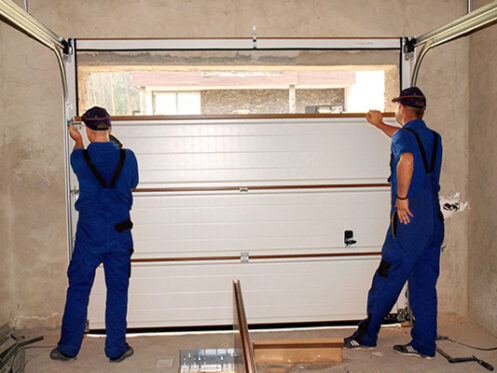
When To Call A Professional
Some situations are best left to experts:
- Severely bent or broken tracks
- Broken springs or cables
- Multiple rollers out of the track
- Heavy wooden or custom doors
- Any time you feel unsafe
Professional garage door companies have special tools and training to handle complex repairs. They can often finish the work faster and with a warranty for peace of mind.
One extra reason to call a pro: If you’ve fixed the door yourself but it keeps going off track, the root cause may be deeper—like a warped frame or failing opener. An expert can diagnose these hidden issues.
Preventive Maintenance Tips
Once your garage door is back on track, prevent future problems with these simple habits:
- Inspect tracks monthly – Look for debris, dents, or loose bolts. Shine a flashlight along the tracks to check for buildup you might miss otherwise.
- Lubricate twice a year – Keep rollers, hinges, and tracks well-oiled. If you live in a dusty or humid area, you may need to lubricate more often.
- Check opener force – If the door slams down or rises too quickly, adjust the opener settings. Most openers have force adjustment screws; consult your manual for details.
- Tighten hardware – Use a wrench to check bolts every few months. Loose hardware is a common cause of recurring problems.
- Test the balance – Disconnect the opener and lift the door halfway. If it moves up or down, springs may need adjustment.
Maintenance Frequency Comparison
| Maintenance Task | Recommended Frequency | Why It Matters |
|---|---|---|
| Track Cleaning | Monthly | Prevents blockages |
| Lubrication | Every 6 months | Reduces friction |
| Hardware Tightening | Quarterly | Prevents loosening |
| Balance Check | Twice a year | Detects spring issues |
Pro tip: Mark a calendar with reminders. Consistent, small efforts can add years to the life of your garage door.
A non-obvious insight: The area near the bottom of the tracks collects the most debris and moisture. Spend a little extra time cleaning here, and you’ll prevent most common problems.
Signs Of A Garage Door Going Off Track
Catching early signs can help you act before the door is fully off track. Pay attention to:
- Grinding or scraping noises
- Door moves unevenly or jerks
- Visible gaps between rollers and track
- Door looks crooked when closed
- Rollers popping out of the groove
Other warning signs:
- The opener strains or reverses suddenly – This often means the door is binding in the track.
- Daylight visible through the sides when closed – Indicates misalignment.
If you notice any of these, stop using the door until you inspect it. Waiting often makes the repair more complicated and costly.
Cost Of Repair: What To Expect
Repair costs depend on the damage and your location. For a basic DIY fix, you might only need to buy a few rollers or bolts—usually less than $50. If you hire a professional, expect to pay between $125 and $400, depending on the issue.
Roller replacement: $5–$20 each
Track realignment: $50–$150 (labor only)
Complete track replacement: $150–$350
Emergency service fees: Add $50–$100
These are average numbers. Premium doors, special materials, or after-hours service can cost more. For more cost details, check resources like the HomeAdvisor Garage Door Repair Guide.
Remember, saving a little money with DIY is only worth it if you do the job safely and correctly. If you end up causing more damage, the final cost can be much higher.
Why Garage Door Safety Matters
A garage door can weigh up to 300 pounds. If it falls off track, it can cause severe injury, property damage, or even death. That’s why every repair should start and end with safety checks.
Real-life example: In 2018, the U.S. Consumer Product Safety Commission reported over 2,000 garage door-related injuries. Most could have been avoided with proper precautions. Never take shortcuts with springs, cables, or heavy panels.
Another hidden danger: Garage doors often have pinch points where fingers can get caught between sections or in tracks. Always keep hands clear when moving the door, and keep children away from the area.

Frequently Asked Questions
How Do I Know If My Garage Door Is Off Track?
Look for rollers that have left the groove, the door appearing uneven, or unusual noises when operating. If the door won’t open or close fully, check both sides for visible gaps or misalignment.
Can I Put A Garage Door Back On Track By Myself?
You can fix minor derailments if you follow safety steps and use the right tools. Avoid handling springs or cables unless you have proper training, as these parts are dangerous.
What Should I Do If The Garage Door Won’t Move At All?
First, unplug the opener and check for obvious obstructions. Inspect the tracks and rollers for damage. If the door is stuck due to broken springs or cables, call a professional immediately.
How Much Does It Cost To Fix A Garage Door Off Track?
DIY repairs are often under $50 for small parts. Professional repairs can range from $125 to $400, depending on the problem’s severity and your location.
How Can I Prevent My Garage Door From Going Off Track Again?
Keep the tracks clean, lubricate moving parts twice a year, and check for loose hardware monthly. Regular maintenance is the best way to prevent future issues.
Bringing a garage door back on track is a task you can handle with the right approach. Stay safe, use the correct tools, and address the root cause—not just the symptom. Regular care keeps your door reliable, quiet, and long-lasting. If ever in doubt, don’t risk your safety—professional help is just a call away.