
A garage door opener is one of those home tools you don’t think about—until it stops working. It quietly does its job, opening and closing your garage many times a week. But one day, you might press the button and nothing happens. At that moment, you might wonder: how long do garage door openers last? Should you repair it, or is it time to buy a new one? Understanding the typical lifespan, what affects it, and how to make yours last longer can save you money and stress.
This article explores everything you need to know about the lifespan of garage door openers. You’ll learn what to expect, why some openers fail earlier, and how to spot signs of trouble. We’ll also explain key differences between opener types, compare top brands, and share tips to help your opener run smoothly for years.
Whether you’re a homeowner or just curious, you’ll find clear answers here.
Average Lifespan Of Garage Door Openers
Most garage door openers last between 10 to 15 years under normal use. This estimate is based on average cycles—one cycle means the garage door goes up and then down once. If your opener is used 3-5 times a day, that’s about 1,000-1,500 cycles per year. High-quality units, especially those with strong motors and good maintenance, can last up to 20 years.
Some key data points:
- Chain drive openers: 10-15 years
- Belt drive openers: 12-17 years
- Screw drive openers: 10-15 years
- Direct drive openers: 15-20 years
These numbers are averages. Real-world results can be shorter or longer depending on several factors.
What Does “lifespan” Really Mean?
The lifespan of a garage door opener refers to how long it works reliably with regular use. It does not mean the opener will suddenly stop after 15 years—many work fine for longer, but parts may wear out, or newer technology makes replacement the better choice.
Factors That Affect How Long Garage Door Openers Last
Not all openers last the same amount of time. Here are the main things that make a difference:
1. Frequency Of Use
If you open and close your garage multiple times a day, your opener works more and may wear out faster.
2. Quality Of Installation
A poorly installed opener will struggle and break down faster. Proper alignment and tight connections are essential.
3. Maintenance
Lubricating moving parts, checking the balance of the door, and tightening hardware can add years to your opener.
4. Type Of Opener
Different mechanisms wear at different rates. For example, belt drives are usually quieter and last longer than chain drives.
5. Climate And Environment
Humidity, extreme cold, or heat can affect how well the opener works. Rust and dirt can shorten its life.
6. Garage Door Weight And Balance
A heavy or unbalanced door forces the opener to work harder, leading to early failure.
7. Power Surges And Electrical Issues
Lightning or unstable power can damage circuits inside the opener.
Non-obvious Insight: The Garage Door Matters
Many people overlook this, but the garage door’s condition is just as important as the opener. If the door is heavy, warped, or the springs are weak, the opener must work much harder. Sometimes, what looks like an opener failure is actually a door or spring issue.
Non-obvious Insight: Upgrades And Safety Features
Older openers may still work, but lack modern safety features like auto-reverse or rolling code security. Sometimes, replacing an older opener (even if it works) makes sense for safety and convenience.
Types Of Garage Door Openers And Their Lifespan
Let’s look closer at the main types of openers and how long each usually lasts:
Chain Drive Openers
These use a metal chain to move the door. They are strong and affordable but can be noisy.
- Average lifespan: 10-15 years
- Best for: Heavy or one-piece doors, detached garages
Belt Drive Openers
A rubber belt moves the door, making these openers much quieter.
- Average lifespan: 12-17 years
- Best for: Attached garages where noise is a concern
Screw Drive Openers
These use a threaded steel rod. Fewer moving parts mean less maintenance, but they can be noisy and don’t do well in extreme temperatures.
- Average lifespan: 10-15 years
- Best for: Moderate climates, medium-weight doors
Direct Drive Openers
The motor moves along the rail with the door, making these the quietest and often the longest-lasting.
- Average lifespan: 15-20 years
- Best for: High-end or modern homes, quiet operation
Here’s a comparison of typical lifespans:
| Opener Type | Average Lifespan (Years) | Noise Level | Main Advantage |
|---|---|---|---|
| Chain Drive | 10–15 | High | Strong, affordable |
| Belt Drive | 12–17 | Low | Quiet, smooth |
| Screw Drive | 10–15 | Medium | Low maintenance |
| Direct Drive | 15–20 | Very Low | Quietest, durable |
Signs Your Garage Door Opener Is Failing
How can you tell if your garage door opener is reaching the end of its life? Here are some clear warning signs:
1. Unusual Noises
Grinding, squeaking, or clanking sounds can mean worn gears or a failing motor.
2. Slow Or Jerky Movement
If the door opens slower than before or moves unevenly, the opener may be struggling.
3. Door Reverses Suddenly
The door starts to close, then goes back up. This could mean the safety sensors or circuit board are failing.
4. Remote Or Wall Switch Problems
If your remote or wall button works only sometimes, the problem could be with wiring, the receiver, or the opener’s logic board.
5. Vibration Or Shaking
A vibrating opener may have loose parts or worn motor mounts.
6. The Door Won’t Open Or Close
If you hear the motor but nothing happens, the opener’s drive system may be broken.
7. Opener Is Over 15 Years Old
Even if it works, an older opener may lack safety features and could fail soon.
Example
Suppose your garage door starts to open, stops halfway, and the opener makes a clicking sound. This could mean the limit switch is worn out—a common problem in older units.
How To Make Your Garage Door Opener Last Longer
You can’t stop wear and tear, but these tips can help your opener reach the high end of its lifespan:
1. Lubricate Moving Parts
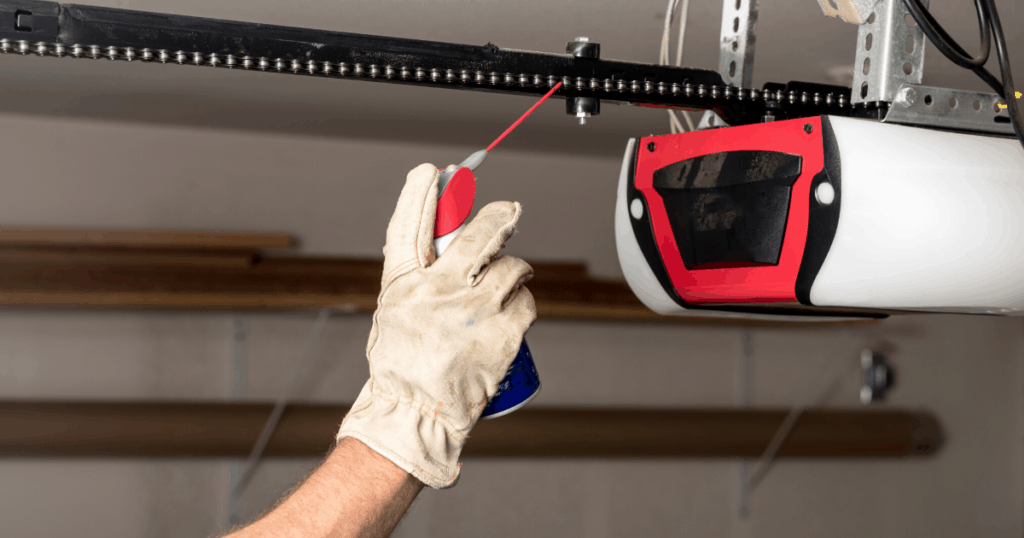
Apply a silicone-based lubricant to the opener’s chain or screw, as well as the garage door’s hinges, rollers, and tracks, every 6 months.
2. Check The Door Balance
Disconnect the opener and lift the door by hand. If it stays in place, the springs are balanced. If it falls, call a pro to adjust the springs.
3. Tighten Hardware
Vibration loosens bolts and screws. Check and tighten them at least once a year.
4. Test Safety Features
Place a small object in the door’s path and close the door. It should reverse when it touches the object. If not, fix or replace the opener.
5. Clean The Tracks And Sensors
Dust and dirt can block sensors and make the opener work harder. Wipe them clean regularly.
6. Surge Protection
Install a surge protector on your opener’s power line to shield it from electrical damage.
7. Professional Tune-up
Have a garage door specialist inspect your system every few years. They can spot problems before they become serious.
Practical Example
A homeowner who lubricates their opener’s chain twice a year, checks the door’s balance, and keeps the sensors clean can often get 15 years or more from their opener.
Comparing Top Garage Door Opener Brands And Longevity
Not all brands are created equal. Some have better motors, parts, or customer support. Let’s compare a few popular brands:
| Brand | Typical Lifespan (Years) | Warranty | Special Features |
|---|---|---|---|
| Chamberlain | 12–15 | Up to lifetime (motor) | Smartphone control, quiet belt drive |
| LiftMaster | 12–20 | Up to lifetime (motor) | Heavy-duty, advanced security |
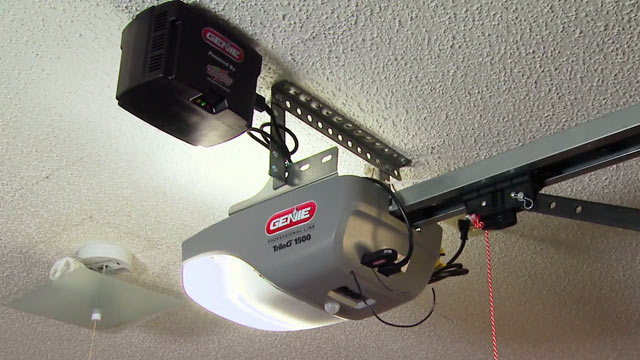
| Genie | 10–15 | Up to 15 years | Strong screw drive, easy setup |
| Craftsman | 10–15 | Up to 10 years | Affordable, reliable |
| Sommer | 15–20 | Lifetime (motor) | Direct drive, super quiet |
Insight: Warranty As A Clue
A longer motor warranty often signals better build quality and a longer expected lifespan. Always check the details—some warranties cover only the motor, not other parts.
When To Repair Vs. Replace Your Garage Door Opener
Not every problem means you need a new opener. Here’s how to decide:
Repair Makes Sense If:
- The opener is under 10 years old
- The problem is minor (e.g., worn gear, bad remote, misaligned sensors)
- The opener still has safety features (like auto-reverse)
Replace Is Better If:
- The opener is over 12-15 years old
- Repair costs are more than half the price of a new opener
- The unit is noisy, unreliable, or lacks modern safety features
- Replacement parts are hard to find
Example
If your 7-year-old opener stops working because of a stripped gear, a repair is usually smart. But if your 18-year-old chain drive opener is loud, slow, and lacks safety sensors, replacement is wiser.
Common Mistake: Ignoring The Door And Springs
People often blame the opener when the garage door won’t move, but sometimes the springs or door hardware are the real problem. Always check both before replacing the opener.
What To Consider When Choosing A New Garage Door Opener
If you decide to replace your opener, keep these points in mind:
1. Drive Type
Chain, belt, screw, or direct drive? Belt and direct drive are the quietest.
2. Motor Power
1/2 horsepower is enough for most single doors. Heavier doors may need 3/4 horsepower or more.
3. Safety Features
Look for auto-reverse, motion detection, and rolling code remote controls.
4. Smart Features
Many new openers work with smartphone apps for remote opening and alerts.
5. Warranty
Longer warranties often mean better quality.
6. Battery Backup
This lets you open the garage during power outages—a must for some homes.
7. Price Vs. Value
Don’t choose just by price. Cheaper openers may wear out faster.
Example
If you have a bedroom above your garage, a belt drive opener with smart features and battery backup is a good investment.
Real-life Examples: When Openers Last Longer (or Shorter) Than Average
Case 1: The Well-maintained Opener
A homeowner in California bought a LiftMaster belt drive in 2005. He lubricates the chain twice a year, checks the balance every spring, and keeps the tracks clean. In 2024, the opener still works quietly. That’s nearly 19 years—well above average.
Case 2: The Overworked Opener
A family in Minnesota uses their garage six times a day, in a humid, cold climate. Their chain drive opener lasted only 8 years before the motor failed. The heavy use and weather took their toll.
Case 3: Ignored Maintenance
An owner never lubricated the screw drive opener, and the garage door was out of balance. The opener wore out in just 6 years. Regular upkeep could have doubled its life.
The Role Of Maintenance Schedules
Creating a simple maintenance schedule can help you remember tasks that extend your opener’s life.
| Task | How Often | Why It Matters |
|---|---|---|
| Lubricate drive and door parts | Every 6 months | Reduces wear, noise |
| Check door balance | Yearly | Prevents opener strain |
| Tighten bolts/screws | Yearly | Stops vibration damage |
| Clean sensors/tracks | Every 3 months | Keeps system safe, smooth |
| Test safety reversal | Every 3 months | Ensures safety |
Environmental And Technological Changes
Smart Home Integration
Modern openers often connect to smart home systems. If your opener is more than 10 years old, it may not work with current apps or security technology. Upgrading can improve both lifespan and security.
Environmental Impact
Old openers may use more energy and lack recycling programs. Many newer models are more energy-efficient and made with recyclable materials. When replacing, consider eco-friendly options.
The Cost Of Waiting Too Long
Delaying replacement can lead to bigger problems:
- Being locked out if the opener fails with the door closed
- Security risks if the auto-reverse or rolling codes fail
- Higher repair costs if the door or springs are damaged by an overworked opener
It’s often more cost-effective to replace an old unit before it fails completely.
Expert Advice: Getting The Most From Your Garage Door Opener
- Read the manual. Many problems are easy to fix if you follow the manufacturer’s advice.
- Don’t ignore small problems. A slow or noisy opener is a warning sign.
- Upgrade if your opener lacks photo-eye sensors. Safety first—newer models protect children and pets.
- Ask about local codes. Some areas require openers with specific safety features.
For more technical details and safety standards, you can check resources from Home Innovation Research Labs.
Frequently Asked Questions
How Long Do Garage Door Opener Batteries Last?
Backup batteries for openers usually last 1-2 years. They should be replaced when they no longer hold a charge, or as recommended by the manufacturer.
Can I Extend My Opener’s Lifespan By Replacing Parts?
Yes, replacing worn gears, remotes, or circuit boards can add years of life, especially if the main motor is still strong. But if many parts fail at once, replacement may be smarter.
Is It Safe To Repair My Own Garage Door Opener?
Simple fixes like changing remotes or cleaning sensors are safe. For motor or spring issues, always call a professional—garage doors are heavy and can be dangerous.
How Do I Know If My Opener Is Compatible With Smart Home Systems?
Check the manufacturer’s website or manual. Many models made after 2015 offer smart features, but older openers may need an upgrade kit or replacement.
Does A Noisy Opener Mean It’s Failing?
Not always. Noise can mean loose parts or the need for lubrication. But if the noise is new or getting worse, it could signal wear or damage.
Garage door openers are built to last, but their true lifespan depends on use, maintenance, and environment. With regular care, many openers work well beyond the average. But when problems appear—or when safety features are lacking—replacement is often the best move.
A reliable garage door opener keeps your home secure and your daily routine smooth. By understanding what affects opener life and acting early, you can avoid surprises and enjoy years of trouble-free service.