
Owning a garage door is easy to take for granted—until something goes wrong. You press the remote, expecting it to glide smoothly, but one day, it jerks, grinds, or refuses to open at all. This situation leads many homeowners to ask, “How long does a garage door last?
” Understanding the expected lifespan of your garage door helps you plan for maintenance, avoid sudden failures, and even save money. But the answer isn’t simple—it depends on the type of door, usage, materials, and care. This article dives deep into everything you need to know about garage door longevity, from average lifespans to practical tips for making yours last longer.
What Determines The Lifespan Of A Garage Door?
Many people think a garage door’s life is only about the door itself. In reality, several factors work together to decide how long your garage door will last.
Material
The material of your garage door is one of the biggest influences on its lifespan. Steel, wood, aluminum, fiberglass, and vinyl each have unique strengths and weaknesses:
- Steel doors: Popular for their strength and low maintenance. They can last 20–30 years with care.
- Wood doors: Beautiful and classic, but prone to rot and warping if not maintained. Usually last 15–20 years.
- Aluminum doors: Lightweight and rust-resistant, but can dent easily. Expect 20–25 years.
- Fiberglass doors: Resist salt air and moisture, making them good for coastal areas. Often last 20–25 years.
- Vinyl doors: Durable and need little maintenance, but may crack in cold weather. Typically last 20–30 years.
Usage Frequency
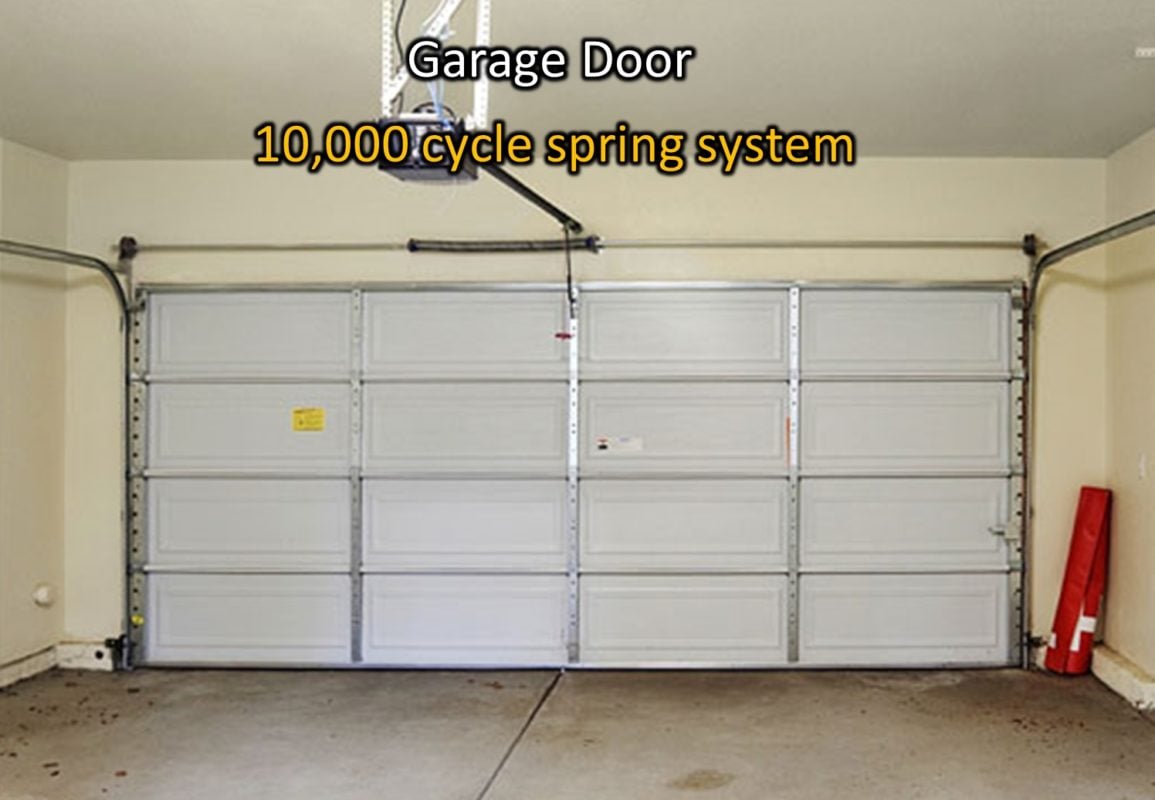
Think about how often your garage door opens and closes. The more you use it, the faster its parts wear out. Most doors are rated for 10,000 cycles (one open and one close = one cycle). If you use your door four times a day, that’s about 2,000 cycles per year. At this rate, the mechanical parts could need replacement in five years—even if the door panels still look good.
Climate And Environment
Weather can be tough on garage doors. Constant exposure to sun, rain, snow, or salty air can shorten a door’s life. For example, wood doors in humid climates may rot faster, while metal doors in coastal areas may rust. Strong winds and hail can dent aluminum and steel doors.
Installation Quality
A garage door that isn’t installed correctly may not last as long. Poor alignment or unbalanced springs make the opener and tracks work harder. Over time, this leads to faster wear and more frequent repairs.
Maintenance
Regular maintenance is the secret to a long-lasting garage door. Lubricating moving parts, tightening hardware, and checking for damage can add years to its life.
Average Lifespan By Garage Door Type
Not all garage doors are created equal. Let’s look at how long you can expect different types to last with normal use and proper care.
| Garage Door Type | Average Lifespan (Years) | Key Notes |
|---|---|---|
| Steel | 20–30 | Resistant to dents; needs paint touch-ups |
| Wood | 15–20 | Prone to rot; needs regular sealing |
| Aluminum | 20–25 | Lightweight; can dent easily |
| Fiberglass | 20–25 | Good for coastal climates |
| Vinyl | 20–30 | Low maintenance; can crack in cold |
Panel Vs. Hardware Lifespan
It’s important to know that the door panels and the mechanical parts often have different lifespans. The panels may last decades if protected from damage and weather. The springs, rollers, cables, and openers usually wear out faster.
- Springs: 7–12 years (10,000 cycles)
- Rollers: 5–15 years
- Hinges: 10–15 years
- Garage door openers: 10–15 years
Replacing hardware when needed can keep your door working longer, even if the panels are still in good shape.
Signs Your Garage Door Is Nearing The End
A garage door rarely fails without warning. Watch for these signs that your door may be reaching the end of its life:
- Frequent breakdowns: If you call for repairs more often, it’s a sign that multiple parts are failing.
- Excessive noise: Squeaking, grinding, or rattling sounds often mean parts are worn out.
- Sagging or warping: Panels that bend or don’t sit flush could be weakening.
- Slow or uneven movement: The door hesitates, jerks, or doesn’t open smoothly.
- Visible rust, rot, or cracks: These may affect the door’s strength and safety.
- Outdated safety features: Older doors may lack modern auto-reverse or sensor systems.
If you notice several of these issues, it may be more cost-effective to replace the door than to keep repairing it.
How Climate Impacts Garage Door Longevity
Where you live can greatly affect how long your garage door lasts. Let’s look at some examples:
- Coastal regions: Salt in the air causes metal parts to rust and wood to swell or rot. Fiberglass or vinyl doors often do better here.
- Cold climates: Extreme freeze-thaw cycles can make wood crack and paint peel. Vinyl may become brittle and break.
- Hot, dry areas: Sun can fade paint, warp wood, and dry out seals. Steel and aluminum do better with UV-resistant finishes.
Regular cleaning and weatherproofing help protect your door from harsh conditions.
Maintenance Tips To Extend Your Garage Door’s Life
A little effort each year can add many years to your garage door’s life. Here’s what you should focus on:
1. Lubricate Moving Parts
Apply a silicone-based lubricant to rollers, hinges, and springs twice a year. This reduces friction and wear.
2. Tighten Hardware
Garage doors move up and down thousands of times. Vibration can loosen screws and bolts. Use a wrench to check and tighten these parts.
3. Inspect And Replace Weatherstripping
Weatherstripping keeps out rain, dirt, and pests. Check the seals around the bottom and sides of the door. Replace if cracked or missing.
4. Test The Balance
An unbalanced door puts stress on the opener. Disconnect the opener and lift the door halfway by hand. If it doesn’t stay in place, the springs may need adjustment.
5. Clean And Paint
Washing the panels removes dirt and salt that can cause rust or rot. Repainting or sealing wood and steel doors protects them from moisture and sun.
6. Check Safety Features
Test the auto-reverse and photo-eye sensors on your opener. These features help prevent accidents.
7. Replace Worn Parts
Don’t wait for springs or cables to break. If you see rust, fraying, or warping, replace the part before it fails.
Regular maintenance isn’t just about preventing breakdowns—it also keeps your warranty valid.
Repair Vs. Replace: When Is It Time For A New Garage Door?
Sometimes a garage door can be fixed with a simple repair. Other times, it’s smarter to replace the entire door. How do you decide?
Repair If:
- The problem is with a single part, like a spring, roller, or cable
- The door panels are in good shape
- The door is less than 15 years old
- Repairs cost less than half the price of a new door
Replace If:
- The panels are warped, cracked, or rotted
- The door is older than 20 years
- Repairs are frequent or very expensive
- You want to improve curb appeal or energy efficiency
- The door lacks modern safety features
Non-obvious insight: Even if the panels look fine, an old door may be poorly insulated. Upgrading can reduce energy bills and make your garage more comfortable.

How Garage Door Springs Affect Lifespan
People often overlook the importance of garage door springs. These tightly wound coils do most of the lifting each time you open or close the door. Standard springs are rated for 10,000 cycles. If you use your garage like a front door, you may reach this limit in just 7–10 years.
Upgrading to high-cycle springs (25,000+ cycles) is a smart move if you open your garage often. It’s a one-time investment that can double or triple the time before spring replacement.
The Role Of Garage Door Openers
The garage door opener is the motorized device that does the heavy lifting. Most openers last 10–15 years, but heavy use, lack of lubrication, or improper installation can shorten their lifespan.
Signs your opener may need replacing:
- The door opens slowly or inconsistently
- The remote works only sometimes
- The opener makes loud grinding noises
- Safety features stop working
Upgrading your opener is also a chance to add modern features like smart controls, quieter operation, or battery backup.
Real-world Examples
Let’s see how these factors play out in real life:
- A steel door in a mild climate: With yearly lubrication and paint touch-ups, it lasts 25 years with only one spring replacement.
- A wood door near the ocean: Despite sealing, the panels begin to rot after 12 years due to humidity and salt.
- A vinyl door in a cold region: Survives 18 years but cracks during a severe winter storm, leading to replacement.
The lesson: location and care matter as much as the door’s material.
Cost Of Repairing Vs. Replacing A Garage Door
Many homeowners hesitate to replace a garage door due to cost. But sometimes, repairs add up quickly.
| Service | Average Cost (USD) | Notes |
|---|---|---|
| Spring Replacement | $150 – $350 | Includes parts and labor |
| Panel Repair | $250 – $800 | Cost depends on material |
| Opener Replacement | $300 – $500 | Includes new motor |
| Full Door Replacement | $1,000 – $3,000 | Varies by material and insulation |
If your door is older and needs several repairs, replacement may save money in the long run.

Upgrades That Can Increase Garage Door Longevity
Want your next garage door to last even longer? Consider these upgrades:
- High-cycle springs: Last 2–3 times longer than standard.
- Stainless steel hardware: Resists rust, ideal for wet climates.
- Insulated doors: Protect against temperature extremes and reduce noise.
- UV-resistant finishes: Prevent fading and cracking.
- Wind-load reinforcement: Essential in hurricane-prone areas.
Non-obvious insight: If you live in a windy region, a door without proper bracing can fail years early—even if other parts are fine.
Common Mistakes That Shorten Garage Door Life
Knowing what not to do is just as important as proper care. Here are mistakes to avoid:
- Ignoring small noises: A squeak or scrape often signals a bigger problem coming.
- DIY spring repair: Springs are under high tension and can be dangerous. Always call a pro.
- Skipping annual checks: Small issues grow into expensive repairs if left alone.
- Washing with harsh chemicals: Strong cleaners can strip paint or sealant.
- Letting plants grow near the door: Leaves and vines trap moisture, causing rust or rot.
How To Choose A Long-lasting Garage Door
If you’re shopping for a new door, here’s what to look for:
- Material durability: Steel and fiberglass often outlast wood and aluminum.
- Insulation quality: Thicker insulation means less warping and better climate protection.
- Warranty length: A longer warranty often signals higher-quality materials.
- Hardware strength: Heavy-duty hinges, rollers, and tracks resist wear.
- Reputation of manufacturer: Check reviews for real-world performance.
Ask your installer about local weather challenges. For example, in snowy areas, a door with a bottom seal resists ice buildup.
How To Get The Most Years From Your Garage Door
Here’s a strategy for maximizing your garage door’s useful life:
- Schedule a professional tune-up yearly
- Keep the tracks clean and clear of debris
- Avoid slamming or forcing the door
- Teach family members not to hang from the door or tracks
- Act quickly if you notice sagging or sticking
Remember: prevention is always cheaper than major repairs or early replacement.
Comparing Garage Door Materials For Longevity
Choosing the right material is key. Here’s a quick comparison:
| Material | Maintenance Needs | Best For | Longevity |
|---|---|---|---|
| Steel | Low | All climates | 20–30 years |
| Wood | High | Classic look | 15–20 years |
| Aluminum | Low | Rust-prone areas | 20–25 years |
| Fiberglass | Low | Coastal | 20–25 years |
| Vinyl | Low | Humid climates | 20–30 years |
No material is perfect for every situation. Consider your local climate, maintenance habits, and how often you use your door.
Environmental Impact And End-of-life Disposal
When a garage door reaches the end of its life, what happens next? Metal doors can usually be recycled. Many cities accept steel and aluminum at recycling centers. Wood doors may be composted or chipped, but only if untreated. Fiberglass and vinyl are harder to recycle and may end up in landfills.
If you’re environmentally conscious, ask your installer about recycling options before you buy.
Modern Innovations That Improve Durability
New technology is making garage doors last longer than ever. Some innovations to look for:
- Powder-coated finishes: More durable than regular paint, resist chipping and fading.
- Composite materials: Combine wood’s beauty with steel’s strength.
- Smart openers: Alert you to problems before they cause major damage.
- Rust-proof tracks and springs: Extend life in wet or salty climates.
These features may cost more upfront but can add years to your door’s service.
Should You Replace Both Door And Opener Together?
When your door fails, you may wonder if it’s smart to replace the opener too. Often, the answer is yes—especially if both are more than 10 years old. New openers offer improved safety, security, and smart-home features. Installing both together can also save on labor costs.
Summary
A typical garage door lasts 15 to 30 years, depending on material, use, climate, and maintenance. The panels often outlast mechanical parts like springs and openers. Most problems start small—regular maintenance and quick repairs can add years to your door’s life.
When repairs become frequent or expensive, replacement is usually the best option. Choose a door material and features that fit your climate and lifestyle. Modern upgrades and professional installation can help your new door reach the upper end of its lifespan.
For more details about garage door maintenance and materials, see this Family Handyman guide.
Frequently Asked Questions
How Often Should I Have My Garage Door Serviced?
Most experts recommend a professional check-up once a year. This tune-up includes lubricating moving parts, checking safety features, and tightening hardware. If you use your garage door more than four times a day, consider servicing every six months.
Can I Replace Garage Door Springs Myself?
It’s not safe for most homeowners. Garage door springs are under high tension and can cause serious injury if handled incorrectly. Always hire a trained technician for spring replacement.
What Is The Most Durable Garage Door Material?
Steel and fiberglass are generally the most durable. Steel resists dents and lasts up to 30 years with care, while fiberglass handles moisture well in coastal climates. Both need less maintenance than wood.
Does Insulation Affect Garage Door Lifespan?
Yes, insulated doors are less likely to warp, crack, or suffer weather damage. Insulation also protects the hardware from extreme temperatures, which can extend the life of springs and rollers.
Is It Worth Upgrading To A Smart Garage Door Opener?
If your opener is more than 10 years old, upgrading can add safety and convenience. Smart openers let you control your door from your phone and alert you to problems early, helping prevent major failures.
A garage door is a long-term investment. With smart choices and simple maintenance, you can enjoy a safe, reliable door for decades.