
The convenience of an automatic garage door opener is undeniable. With the simple press of a button, you can enter your home without facing the elements or fumbling for keys in the dark. But when it comes time to replace an old unit or install one for the first time, a crucial question arises: how much does an electric garage door opener cost? The answer isn’t a single figure; it’s a spectrum influenced by various factors, from the type of opener to installation complexities and additional features. Understanding these elements is key to budgeting accurately for this essential home upgrade.
Key Takeaways
- Opener Unit Costs: Basic electric garage door openers typically range from $150 to $300, while smart or high-end models can cost $300 to $600 or more.
- Installation Costs: Professional installation adds $200 to $700, bringing the total cost for a professionally installed opener to $350 to $1,300. DIY installation can save money but requires technical skill.
- Drive Type Impact: Chain drive openers are the most affordable ($150-$250), followed by belt drives ($200-$350), and then the quieter, more expensive direct drives or screw drives ($300-$600).
- Motor Horsepower: Opener horsepower (typically 1/2 HP, 3/4 HP, or 1 HP) affects lifting power and price, with higher horsepower units being more expensive.
- Additional Features: Smart home integration, battery backups, enhanced security (rolling codes), and quieter operation add to the overall cost.
- Brand and Warranty: Reputable brands often come with higher price tags but usually offer better quality, reliability, and longer warranties.
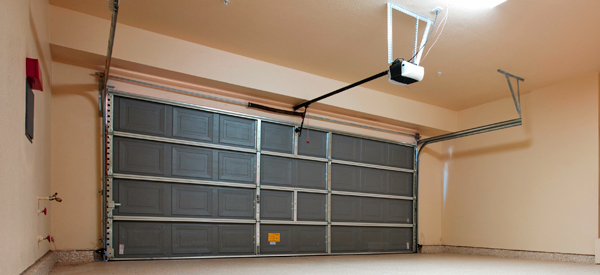
Credit: www.wessexgaragedoors.co.uk
Understanding The Core Components Of Garage Door Opener Costs
The total price you’ll pay for an electric garage door opener breaks down into two main categories: the cost of the opener unit itself and the cost of installation. Each of these has several sub-factors that influence the final number. It’s important to consider both when planning your budget.
Cost Of The Opener Unit
The garage door opener unit is the brain and muscle of your automated system. It includes the motor, drive mechanism, logic board, and remote control system. The price of the unit itself can vary significantly.
- Basic Models: These are your standard, no-frills openers. They typically come with one or two remote controls and perform the essential function of opening and closing your garage door. You can expect to find these units priced anywhere from $150 to $300. They are suitable for most standard-sized garage doors and homeowners who don’t require advanced features.
- Mid-Range Models: These openers often include enhanced features like improved security protocols (rolling codes), quieter operation, and sometimes even basic smartphone connectivity for monitoring or limited control. Prices for mid-range openers generally fall between $250 and $450.
- High-End and Smart Models: This category includes openers with advanced smartphone integration, allowing for full remote control, monitoring, and alerts via an app. They often boast the quietest operation, integrated LED lighting, battery backups, and compatibility with popular smart home ecosystems like Alexa or Google Assistant. These premium units can cost $300 to $600 or even more.
Cost Of Installation
Unless you are a seasoned DIYer with experience in electrical work and mechanical installations, professional installation is highly recommended. This ensures the opener is installed safely, correctly, and functions optimally.
- Professional Installation Fees: Hiring a professional garage door technician to install a new opener typically costs between $200 and $700. This price can fluctuate based on your geographic location, the complexity of the installation (e.g., high ceilings, unusual door types), and the specific company’s rates. Some companies may include the opener unit in a bundled package, while others charge separately for the opener and the labor.
- DIY Installation Savings: If you opt for a DIY installation, you’ll save on labor costs, potentially cutting down the total expense by several hundred dollars. However, this requires purchasing the opener unit and any necessary tools and hardware. You’ll also need to factor in the value of your time and the risk of errors if you’re not experienced. Many manufacturers provide detailed manuals and online tutorials to assist with DIY installations. For instance, understanding how to properly mount the opener and connect it to the door and power source is crucial.

Credit: homeguide.com
Factors Influencing Opener Unit Price
Several key characteristics of the garage door opener unit itself will dictate its price. These include the type of drive mechanism, motor horsepower, and the inclusion of advanced features.
Drive Mechanism Types
The drive mechanism is what powers the movement of the garage door. There are four main types, each with its own price point and operational characteristics:
- Chain Drive: This is the most common and typically the most affordable type. A chain, similar to one on a bicycle, moves the trolley along a steel rail to open and close the door.
- Pros: Durable, reliable, and cost-effective.
- Cons: Can be noisy, especially in older or less well-maintained units.
- Cost: $150 – $250 for the unit.
- Belt Drive: This type uses a rubber belt (often reinforced with steel) instead of a chain. The belt runs along the same type of rail.
- Pros: Significantly quieter than chain drives, making them ideal for homes with living spaces above or near the garage.
- Cons: Generally more expensive than chain drives and may require more specialized maintenance.
- Cost: $200 – $350 for the unit.
- Screw Drive: This opener uses a long threaded steel rod. A motor rotates the rod, causing a trolley to move up and down the shaft.
- Pros: Relatively quiet and requires less maintenance due to fewer moving parts compared to chain drives. Can be powerful.
- Cons: Can be sensitive to temperature fluctuations, which might affect performance. Not as common as chain or belt drives.
- Cost: $250 – $400 for the unit.
- Direct Drive: In this innovative design, the motor is actually built into the trolley that moves along the rail. This significantly reduces the number of moving parts.
- Pros: Extremely quiet, smooth operation, and often more compact.
- Cons: Typically the most expensive option and can sometimes be harder to find.
- Cost: $300 – $600+ for the unit.
Comparison of Drive Types:
| Drive Type | Typical Unit Cost | Noise Level | Maintenance Needs | Best For |
|---|---|---|---|---|
| Chain Drive | $150 – $250 | High | Moderate | Budget-conscious, garages not near living areas |
| Belt Drive | $200 – $350 | Low | Moderate | Homes with living spaces above/near garage |
| Screw Drive | $250 – $400 | Medium | Low | Consistent temperatures, less frequent use |
| Direct Drive | $300 – $600+ | Very Low | Low | Maximum quietness, premium features |
Motor Horsepower (hp)
The horsepower of the opener’s motor determines its lifting power. Most residential garage door openers come with motors rated at 1/2 HP, 3/4 HP, or sometimes 1 HP.
- 1/2 HP Motors: These are sufficient for most standard single and double garage doors made of lighter materials like aluminum or thin steel. They are the most common and usually the most affordable.
- Cost: Often found in units priced from $150 to $300.
- 3/4 HP Motors: These offer more power and are recommended for heavier garage doors, such as those made of solid wood, carriage house styles, or double doors that are particularly heavy. They can also operate more smoothly and with less strain on the motor, potentially leading to a longer lifespan.
- Cost: Units with 3/4 HP motors typically range from $250 to $450.
- 1 HP Motors: These are generally overkill for most residential applications but might be necessary for extremely heavy custom doors or in areas with very high winds where a robust lift is needed.
- Cost: Often found in higher-end models, ranging from $350 upwards.
Important Note: The weight and size of your garage door are critical factors. An underpowered opener will struggle, leading to premature wear and potential failure. Always ensure the opener’s HP rating is appropriate for your door’s specifications. You can find information on your garage door’s weight in its manual or by consulting the manufacturer.
Smart Features And Connectivity
Modern garage door openers are increasingly incorporating smart technology, which naturally adds to their cost.
- Smartphone Control: The ability to open, close, and monitor your garage door from anywhere using a smartphone app is a significant convenience. This feature is standard on most mid-range to high-end openers.
- Smart Home Integration: Compatibility with platforms like Amazon Alexa, Google Assistant, or Apple HomeKit allows for voice control and integration into your existing smart home routines.
- Real-time Alerts: Receive notifications on your phone when the garage door is opened or closed, providing peace of mind.
- Battery Backup: Essential for power outages, a battery backup ensures you can still operate your garage door even when the electricity is out. This feature adds to the unit’s cost but is a valuable safety and convenience addition.
- Enhanced Security: Modern openers use rolling codes, meaning the code changes every time the remote is used, making it much harder for unauthorized individuals to “capture” and reuse the signal. Older fixed-code systems are less secure and increasingly being phased out.
These smart features, while adding convenience and security, can increase the price of an opener unit by $50 to $200 or more compared to a basic model.

Credit: homeguide.com
Additional Costs To Consider
Beyond the opener unit and basic installation, other factors can contribute to the overall expense of automating your garage door.
Accessories And Upgrades
- Additional Remotes: Most openers come with one or two remotes, but you may need more for additional family members or vehicles. Replacement remotes can cost $20 to $60 each, while universal remotes might be slightly more.
- Keypads: An external keypad allows you to open your garage door using a PIN code without a remote. Wireless keypads typically cost $30 to $70.
- Wireless Wall Consoles: These offer convenience similar to a remote but are mounted inside the garage, often with features like vacation locks or interior lights control. They can range from $40 to $100.
- Photoelectric Safety Sensors: While often included with new openers, these are crucial safety devices that prevent the door from closing if an obstruction is detected in its path. If they need replacement or upgrading, they can cost $20 to $50.
Electrical Work
In some cases, your garage may not have a readily accessible power outlet near where the opener needs to be mounted.
- New Outlet Installation: If an electrician needs to run a new circuit or install a new outlet for the opener, this could add $100 to $300 to your total cost, depending on the complexity of the wiring.
Garage Door Condition And Compatibility
The opener needs to work in conjunction with your garage door. The condition and type of your garage door can influence the installation cost or even the type of opener you can use.
- Door Balance: A properly balanced garage door is essential for the opener’s longevity and safe operation. If your door is out of balance (i.e., it doesn’t stay open on its own when partially lifted), the springs may need adjustment or replacement. This service can cost $100 to $300. Attempting to adjust garage door springs yourself can be extremely dangerous due to the high tension involved.
- Door Weight and Material: As mentioned earlier, heavier doors (wood, solid steel) require more powerful motors (3/4 HP or 1 HP), which are typically found in more expensive opener units. The cost of the opener unit itself will therefore be higher.
- Track and Roller Condition: If your garage door tracks or rollers are old, damaged, or in poor condition, they might need replacement before an opener can be safely installed. Worn rollers can cause the door to bind, putting excessive strain on the opener. Addressing issues like lubricating garage door rollers or replacing them can add to the overall maintenance cost.
Geographic Location
Labor rates and the cost of living vary significantly by region. Installing an opener in a major metropolitan area will generally be more expensive than in a rural or suburban area with lower labor costs.
Diy Vs. Professional Installation: A Cost-benefit Analysis
The decision between installing the opener yourself or hiring a professional is a significant one that impacts the overall cost and your peace of mind.
Diy Installation
- Potential Savings: The primary benefit is saving on labor costs, which can range from $200 to $700.
- Time Investment: DIY installation requires a considerable time commitment, often several hours, especially for a first-timer.
- Technical Skill Required: You’ll need to be comfortable with basic electrical wiring, mechanical assembly, and following complex instructions. Missteps can lead to damage to the opener, the door, or even personal injury.
- Tool Requirements: You may need to purchase or rent specific tools, such as a ladder, drill, wrenches, and possibly a garage door torsion spring winder (though adjusting springs is best left to pros).
- Warranty Implications: While the opener unit itself will have a manufacturer’s warranty, improper installation might void it.
Professional Installation
- Higher Upfront Cost: You’ll pay for the technician’s expertise and time.
- Peace of Mind: Professionals ensure the job is done correctly and safely, adhering to all manufacturer guidelines and local building codes.
- Efficiency: Experienced technicians can typically complete the installation much faster than a DIYer.
- Warranty Assurance: Professional installation often comes with a labor warranty, offering recourse if issues arise due to the installation itself.
- Expert Advice: A professional can assess your garage door’s condition and recommend the most suitable opener type and horsepower for your specific needs.
Example Scenario:
Let’s consider a homeowner looking to install a mid-range belt-drive opener.
- DIY Route:
- Opener Unit (Belt Drive): $275
- Tools/Miscellaneous: $50
- Total DIY Cost: $325
- Professional Route:
- Opener Unit (Belt Drive): $275
- Professional Installation: $400
- Total Professional Cost: $675
In this scenario, DIY saves $350 but requires the homeowner’s time and technical skill. For many, the added cost of professional installation is well worth the convenience, safety, and assurance.
Brand Reputation And Warranty
Like many products, garage door openers come from various brands, each with its own reputation for quality, reliability, and price.
- Major Brands: Companies like LiftMaster, Chamberlain, Genie, and Craftsman are well-established in the market. LiftMaster and Chamberlain (often considered sister brands with different product lines) are known for their robust features and professional-grade options. Genie offers a wide range of models, often with unique features. Craftsman openers are widely available and generally offer good value.
- Warranty Periods: A longer warranty period often indicates the manufacturer’s confidence in their product’s durability. Basic models might come with a 1-year motor warranty, while higher-end units can offer warranties of 5, 10, or even lifetime coverage on the motor. Remote controls and accessories usually have shorter warranties (e.g., 1 year).
- Cost Correlation: Generally, brands with a reputation for higher quality and longer warranties tend to have higher price points. However, investing a bit more upfront in a reputable brand can lead to greater long-term savings by avoiding costly repairs and premature replacement.
Real-world Examples
To illustrate the cost variations, let’s look at a couple of common scenarios:
Scenario 1: The Budget-Conscious Homeowner
A homeowner with a standard-sized, single-layer steel garage door wants a reliable opener without breaking the bank. They choose a chain drive opener with a 1/2 HP motor from a well-known brand.
- Opener Unit Cost: $180
- DIY Installation: $0 (assuming they have tools and skills)
- Total Cost: $180
If they opt for professional installation:
- Opener Unit Cost: $180
- Professional Installation: $300 (lower end for a simple install)
- Total Cost: $480
Scenario 2: The Feature-Seeking Homeowner
A homeowner with a heavy, solid wood double garage door desires quiet operation and smart home integration. They opt for a belt drive opener with a 3/4 HP motor, featuring smartphone control and a battery backup.
- Opener Unit Cost: $400
- Professional Installation: $500 (potentially higher for a heavier door or more complex setup)
- Additional Remote: $40
- Total Cost: $940
These examples highlight how the choices made regarding the opener type, installation method, and features directly impact the final price.
Frequently Asked Questions
How Much Does It Cost To Replace A Garage Door Opener?
The cost to replace an existing garage door opener is generally similar to the cost of installing a new one, as the labor involved in removing the old unit and installing the new one is comparable. You can expect the total cost to range from $350 to $1,300, depending on the opener model chosen and whether you hire a professional or opt for DIY installation. The main saving would be if the existing wiring and mounting hardware are compatible with the new opener, potentially reducing installation time slightly.
Are Smart Garage Door Openers Worth The Extra Cost?
For many homeowners, smart garage door openers are worth the investment due to the enhanced convenience, security, and peace of mind they offer. The ability to control and monitor your garage door remotely via a smartphone app is invaluable. Features like real-time alerts and integration with smart home systems add layers of functionality that many find justify the higher price point, which typically adds $50-$200+ to the unit cost compared to basic models.
What Is The Most Affordable Type Of Garage Door Opener?
The chain drive garage door opener is generally the most affordable type. These units utilize a chain mechanism to move the trolley along the rail, a design that is both effective and cost-efficient to manufacture. Basic chain drive opener units can often be found for prices starting around $150. While they may be noisier than other types, they offer reliable performance at a lower price point, making them a popular choice for budget-conscious consumers.
Does The Weight Of My Garage Door Affect The Opener Cost?
Yes, the weight of your garage door significantly affects the cost indirectly. Heavier doors, such as those made of solid wood or insulated steel, require openers with more powerful motors, typically 3/4 HP or 1 HP. These higher-horsepower openers are usually more expensive than their 1/2 HP counterparts, which are suitable for lighter doors. Therefore, while the opener *type* might be the same, the specification required for a heavier door will lead to a higher overall unit cost.
How Long Do Garage Door Openers Typically Last?
With proper maintenance, a typical residential garage door opener can last between 10 to 15 years. Regular lubrication of moving parts (like those detailed in how to lube garage door rollers), checking the balance of the door, and ensuring the opener isn’t overworked can extend its lifespan. Chain drive openers might require more frequent lubrication than belt or screw drives. Like any mechanical device, lifespan can vary based on usage frequency, environmental factors, and the quality of the unit itself.
The cost of an electric garage door opener is a multifaceted figure, influenced by the opener’s mechanics, features, installation method, and your specific garage setup. While basic chain drive units can be found for under $200, opting for quieter belt drives, powerful motors for heavier doors, or advanced smart features will push the unit price upwards of $400-$600.
When you factor in professional installation, which is often recommended for safety and proper function, the total investment can range from $350 for a simple, professionally installed chain drive to well over $1,000 for a high-end, smart belt-drive opener installed on a complex door.
By carefully considering the drive type, horsepower, desired features, and whether to DIY or hire a professional, you can accurately budget for this essential home upgrade and ensure you select an opener that provides years of reliable and convenient operation.