
Anyone who owns a garage quickly learns how important a reliable garage door motor is. It’s the heart of any automatic garage door, quietly doing the heavy lifting every day. But when it’s time to repair or replace one, the first question is almost always: How much is a garage door motor? The answer isn’t simple, because prices vary by type, brand, features, and installation needs. Understanding these differences will help you make a smart decision, avoid common mistakes, and get the most value for your money.
This guide breaks down everything you need to know about garage door motor costs, including factors that affect price, detailed comparisons, what to expect for installation, and real-world examples. Whether you’re a homeowner, landlord, or helping a friend, you’ll find clear, practical advice below.
What Is A Garage Door Motor?
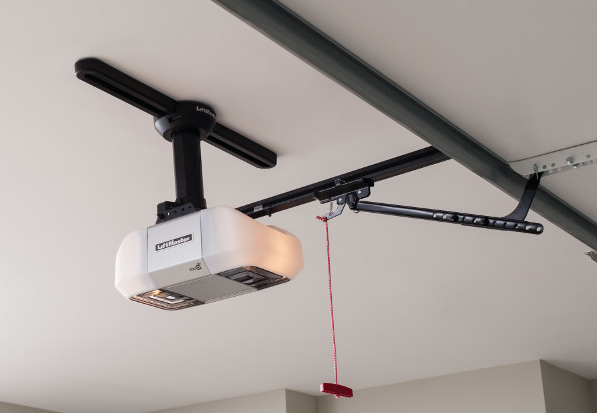
A garage door motor is a key part of an automatic garage door opener. It powers the system that lifts and lowers your garage door with a button, remote, or even a smartphone app. Most motors are electric, using either AC or DC current, and are combined with a drive system like a chain, belt, screw, or direct drive.
Some newer motors offer smart features, quiet operation, or extra power for heavy doors. Knowing what you need helps narrow down the price range and avoids paying for features you won’t use.
Average Cost Of A Garage Door Motor
Let’s start with the numbers most people want: the average price range. In the US, a garage door motor (also called a garage door opener) typically costs between $120 and $500 for the unit alone. But the final price depends on several factors.
Here’s a breakdown:
- Basic models (chain drive, no smart features): $120 – $200
- Mid-range models (belt drive, some smart options): $200 – $350
- Premium models (ultra-quiet, smart home-ready, high horsepower): $350 – $500+
If you include professional installation, the total cost usually falls between $250 and $800.
Why such a wide range? The answer lies in the type of motor, features, brand, and labor costs.
Key Factors That Affect Garage Door Motor Price
Many people are surprised at how much the cost can change from one model to another. Here are the main factors that make a difference:
1. Type Of Drive System
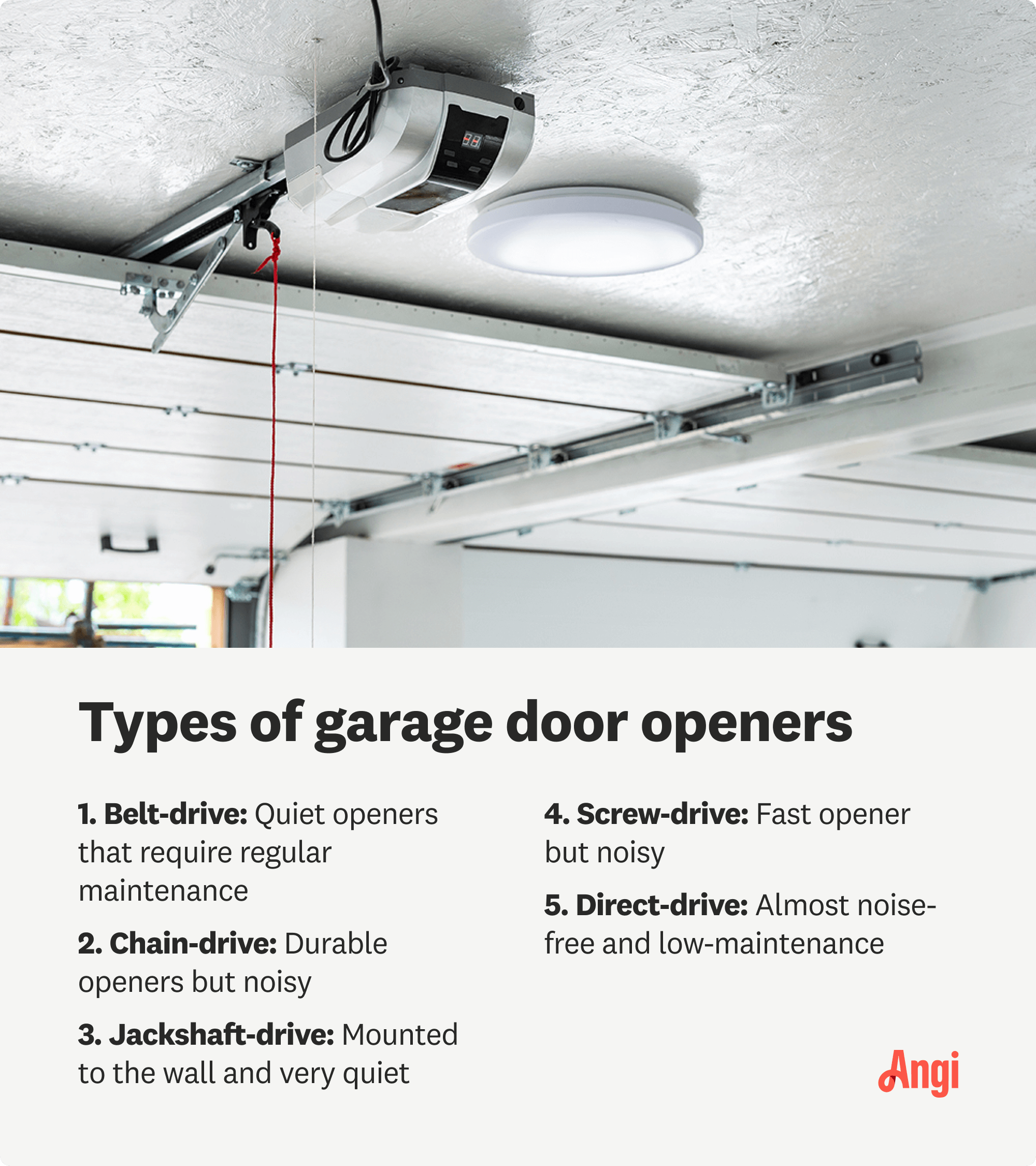
The drive system is how the motor moves the door. There are four main types:
- Chain Drive: Most affordable, but a little noisy. Best for detached garages.
- Belt Drive: Quieter, smooth operation, often found in homes with attached garages.
- Screw Drive: Fewer moving parts, good for heavy doors, moderate noise.
- Direct Drive: Very quiet, reliable, usually the most expensive.
Each type affects both price and performance. Belt and direct drive motors cost more, but many homeowners prefer them for the quiet operation.
2. Motor Power (horsepower)
Garage door motors come in different horsepower (HP) ratings:
- 1/2 HP: Standard for most single or double aluminum doors.
- 3/4 HP: For heavier, insulated, or wooden doors.
- 1 HP or higher: For extra-large, oversized, or commercial doors.
A 1/2 HP motor is often the cheapest option. If your door is heavy, spending extra for 3/4 HP or 1 HP can prevent breakdowns and costly repairs.
3. Features And Technology
Modern garage door motors can come with:
- Wi-Fi and smart home compatibility
- Battery backup
- Keypad entry
- Auto-close timers
- Motion-activated lights
Each add-on increases the price. For example, a basic motor without smart features may cost $140, while a similar motor with Wi-Fi and battery backup could be $250 or more.
4. Brand And Warranty
Popular brands like Chamberlain, LiftMaster, Genie, and Craftsman offer different price points and warranty terms. Premium brands often cost more but may come with longer warranties or better customer support.
5. Installation Costs
Even if you buy a motor for $200, installing it can add $130–$300 or more, depending on your location and the complexity of the job. Some installations require extra wiring, brackets, or adjustments for heavy doors.
6. Additional Accessories
Remote controls, keypads, sensors, and smart modules sometimes cost extra. Be sure to check what’s included in the box before buying.
Typical Price Ranges By Motor Type
To help you compare, here’s a table showing average prices for each drive type, including motor only and estimated installation.
| Drive Type | Motor Price (USD) | Installed Cost (USD) | Noise Level |
|---|---|---|---|
| Chain Drive | $120–$220 | $250–$400 | Moderate–High |
| Belt Drive | $180–$300 | $300–$500 | Low |
| Screw Drive | $200–$350 | $350–$550 | Medium |
| Direct Drive | $250–$500 | $400–$700 | Very Low |
Most homeowners choose between chain and belt drives, balancing budget with noise and durability.
Cost Comparison: Diy Vs Professional Installation
Should you install the motor yourself or hire a pro? Here’s a quick comparison to help you decide:
| Aspect | DIY | Professional |
|---|---|---|
| Cost | $0 (your labor) | $130–$300 |
| Time Needed | 3–6 hours | 1–2 hours |
| Tools Required | Wrenches, drill, ladder | Pro brings all tools |
| Warranty Impact | May void some warranties | Usually keeps warranty valid |
| Common Risks | Wrong wiring, poor alignment | Expert fit, safety checks |
If you’re handy and have the right tools, DIY can save money. But keep in mind, a mistake during installation can damage the motor or door, and may void the warranty. Professional installers often include a labor warranty for peace of mind.
Comparing Popular Garage Door Motor Brands
Brand reputation affects both price and quality. Here’s how some of the most trusted brands compare:
| Brand | Price Range | Best Feature | Warranty |
|---|---|---|---|
| Chamberlain | $150–$400 | Smart technology, reliability | 1–5 years motor |
| LiftMaster | $200–$500 | Heavy-duty, pro installation | 2–5 years motor |
| Genie | $130–$350 | Easy installation, value | 1–5 years motor |
| Craftsman | $130–$350 | Affordable, trusted brand | 1–3 years motor |
| Sommer | $250–$600 | Direct drive, quietest | 5+ years motor |
Chamberlain and LiftMaster are the most common in US homes, while Sommer is known for high-end, whisper-quiet motors.
Additional Costs To Consider
Many buyers focus only on the motor price, but there are extra costs that can surprise you:
1. Remote Controls And Keypads
Most motors include one or two remotes, but extra remotes can cost $20–$40 each. Wireless keypads add another $30–$60.
2. Safety Sensors
Modern motors must have safety sensors that stop the door if something is in the way. Replacing or upgrading sensors adds $30–$50.
3. Smart Home Integration
Connecting your garage to Google Home, Alexa, or Apple HomeKit may need a special module or bridge ($30–$80).
4. Battery Backup
Some places now require battery backup for garage doors (especially in California). Battery backup adds $50–$80.
5. Old Motor Disposal
Disposing of your old motor may cost $10–$40 if the installer doesn’t include it.
6. Repairs To Door Or Tracks
If your door or tracks are damaged, fixing these before installing a new motor can add $50–$200 or more.
7. Upgraded Lighting
Some motors include bright LED lighting, but if you want more light, you may need to buy bulbs or extra fixtures.
Real-world Examples
To make things practical, here are three examples of what homeowners paid for a garage door motor in 2023–2024:
- Basic chain drive for a single-car garage:
- Motor (Genie ChainMax): $145
- DIY install: $0
- Total: $145
- Belt drive with Wi-Fi for an attached garage:
- Motor (Chamberlain B970): $275
- Pro install: $200
- Total: $475
- Direct drive for a heavy, insulated two-car door:
- Motor (Sommer Direct Drive): $420
- Pro install: $250
- Battery backup: $60
- Total: $730
These examples show how features, brand, and installation quickly add up.
When Should You Replace A Garage Door Motor?
Sometimes, a garage door stops working and the first thought is to replace the motor. But is it always needed? Here are signs it’s time to buy a new one:
- Motor is 10+ years old and repairs cost more than half a new unit.
- Repeated breakdowns or strange noises even after repairs.
- Slower opening/closing or uneven movement.
- No safety features (like auto-reverse sensors).
- You want smart home features or better security.
If your motor is less than 5 years old, repairing may be better unless it’s a major failure.
Mistakes To Avoid When Buying A Garage Door Motor
Buying a new garage door motor seems simple, but here are mistakes people often make:
1. Choosing The Cheapest Model:
Low-cost motors may work fine for light doors but struggle with heavy ones, wearing out quickly.
2. Ignoring Horsepower Needs:
Always match the motor’s power to your door’s weight and size. Too little power means more repairs later.
3. Forgetting About Noise:
A noisy chain drive in an attached garage can be annoying, especially if bedrooms are nearby.
4. Not Checking For Smart Features:
If you plan to use smartphone control or integrate with a smart home, make sure the motor supports it.
5. Skipping Professional Installation:
For heavy doors, complex wiring, or if you’re unsure, hiring a pro prevents mistakes and keeps your warranty safe.
6. Not Budgeting For Accessories:
Remotes, sensors, and keypads often cost extra. Double-check what’s in the box.
How To Choose The Right Garage Door Motor For Your Needs
Picking the right motor isn’t just about price. Here’s a quick guide to help you choose:
Step 1: Measure Your Door
- Single or double?
- Material: Steel, wood, insulated?
- Weight and height: Heavier or taller doors need more power.
Step 2: Decide On Noise Level
- Attached garage: Choose belt or direct drive for quiet.
- Detached: Chain drive is fine if noise isn’t a problem.
Step 3: Pick Features
- Do you want Wi-Fi?
- Need battery backup for power outages?
- Want keypad or smart home integration?
Step 4: Set Your Budget
- Include possible installation and accessory costs.
Step 5: Read Reviews And Check Warranty
- Look for brands with good support and at least a 1–5 year warranty.
Step 6: Decide On Diy Or Pro Installation
- Comfortable with tools? Try DIY. Otherwise, professional installation is worth the cost for most people.
The True Cost: Value Over Time
It’s tempting to pick the lowest price, but think about the total value. A slightly more expensive, better-quality motor can last years longer and cause fewer problems. Here’s why:
- Lower repair costs: Quality motors break down less.
- Less noise: Your family (and neighbors) sleep better.
- Convenience: Smart features can save time and add security.
- Better resale value: Home buyers appreciate upgraded garage systems.
A $300 motor that lasts 10 years is $30/year. A $150 motor that fails after 3 years is $50/year plus hassle.
How To Save Money When Buying A Garage Door Motor
If you’re budget-focused, here are tips that go beyond just picking the cheapest model:
1. Shop During Sales:
Big-box stores and online retailers often discount motors in spring and fall.
2. Buy Last Year’s Model:
Older models with fewer smart features are often just as reliable.
3. Bundle Installation:
Some installers offer discounts if you buy both the motor and installation from them.
4. Check Local Rebates:
In some areas, utility companies offer rebates for energy-efficient motors.
5. Install Yourself If Skilled:
If you’re comfortable with wiring and tools, DIY saves $150–$300.
6. Look For Open-box Deals:
Returned or lightly used motors can be found at a discount.
Common Questions Homeowners Have (and Honest Answers)
- Can I just replace the motor, not the whole opener?
Sometimes, but often the cost and labor are the same as replacing the full opener. Motors are usually sold as part of a system.
- Will a new motor work with my old remote?
Maybe, but often new openers use updated technology. You may need to replace remotes.
- How long does a motor last?
Most last 10–15 years with regular use and maintenance.
- Is a more powerful motor always better?
No, use the right size for your door. Too much power can strain the system.
- Are garage door motors universal?
No, always check compatibility with your door type and size.
Frequently Asked Questions
How Much Does It Cost To Replace A Garage Door Motor?
Most homeowners pay $250 to $800 for a new garage door motor and professional installation. The motor alone is usually $120 to $500 depending on type and features. If you install it yourself, you can save $130–$300, but only try DIY if you’re comfortable with mechanical and electrical work.
What Is The Best Garage Door Motor For A Heavy Wooden Door?
For heavy wooden or insulated doors, a 3/4 HP or 1 HP motor is recommended. Belt or direct drive motors are quieter and more durable for heavy loads. Brands like LiftMaster and Sommer are popular for large doors. Make sure the opener is rated for your door’s weight and size.
Can I Install A Garage Door Motor Myself?
Yes, if you have basic DIY skills and the right tools, many homeowners install their own motors. Read the instructions carefully and watch a video guide if you’re unsure. However, improper installation can damage the opener or door, and may void the warranty.
For complex or heavy doors, professional installation is safer.
How Long Does A Garage Door Motor Last?
A quality garage door motor should last 10–15 years with normal use. Regular maintenance, like lubricating moving parts and checking the balance of the door, helps it last longer. Cheap or underpowered motors may fail sooner, especially on heavy doors.
Where Can I Find More Information About Garage Door Motors?
To compare models, read reviews, and understand installation steps, the official Home Depot website is a good resource:
Home Depot – Garage Door Openers.
A new garage door motor is a smart investment in your home’s convenience, safety, and value. By understanding what really affects the price, comparing features, and avoiding common mistakes, you’ll be ready to choose the perfect motor for your garage—and your budget.