
Every day, millions of people rely on automatic garage doors for convenience and safety. Most modern garage doors use sensors to detect obstacles and prevent the door from closing on people, pets, or objects. While these sensors are a vital safety feature, there are moments when they can be a source of frustration. Maybe your sensors are misaligned, dirty, or just malfunctioning—leaving your garage door stuck open at the worst possible time.
If you’ve ever found yourself in a rush, unable to close your garage door due to stubborn sensors, you are not alone. Understanding how to bypass garage door sensors can be a lifesaver in such situations. But before you grab a tool and start tinkering, it’s important to know the risks, methods, and best practices. This guide explains everything you need to know—step by step—so you can make an informed decision, protect your property, and keep your loved ones safe.
Understanding Garage Door Sensors
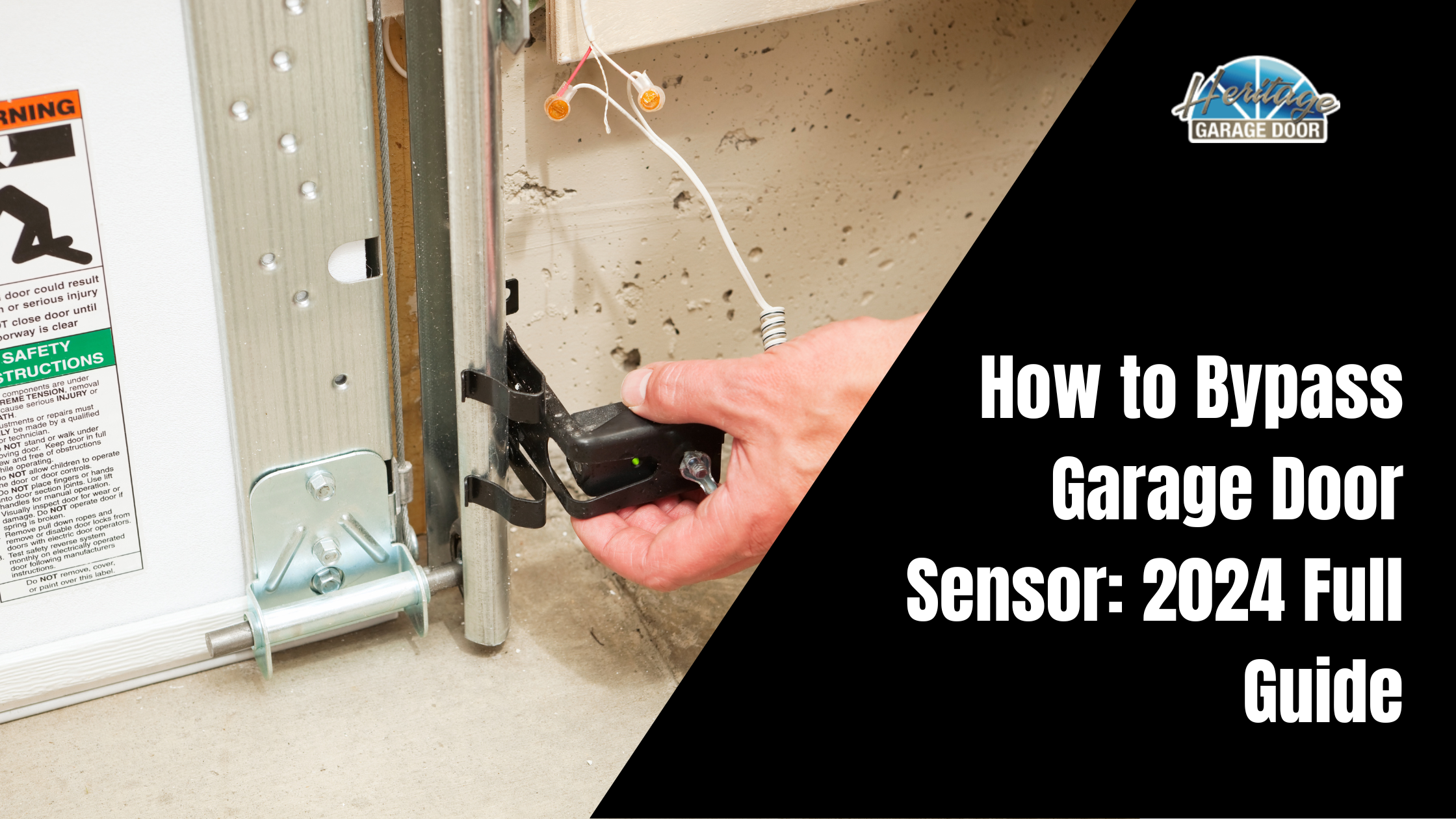
Garage door sensors, sometimes called photo-eye sensors or safety sensors, are small devices mounted near the floor on both sides of your garage door. Their main job is to detect objects in the door’s path. They work by sending an invisible infrared beam from one side of the door to the other. If anything breaks the beam while the door is closing, the sensor signals the opener to reverse or stop.
Why Are Sensors Required?
The main reason for garage door sensors is safety. According to the Consumer Product Safety Commission (CPSC), garage door accidents caused thousands of injuries before sensors became standard in the 1990s. Since then, sensors have dramatically reduced these numbers. In fact, all garage door openers made after 1993 in the United States must include these safety devices.
How Do They Work?
A typical sensor setup includes:
- Sender unit: Emits the infrared beam.
- Receiver unit: Detects the beam.
- Wiring: Connects the units to the garage door opener.
- Indicator lights: Show if the sensors are working properly (usually green or red).
If the beam is blocked or if the sensors are not aligned, the door will not close. This safety system is simple but effective. However, it can be triggered by dirt, sunlight, vibrations, or even spider webs—leading to false alarms and frustration.
Is It Safe Or Legal To Bypass Garage Door Sensors?
Before you consider bypassing your garage door sensors, you need to ask yourself: Is this the right thing to do?
Safety Risks
Bypassing sensors removes a key safety feature. This means your garage door could close on a child, pet, or your car—causing injury or damage. Many injuries in the past have happened because of disabled safety features.
Legal Concerns
In the United States, the law requires safety sensors on all new garage doors. If you remove or bypass them, you may violate local building codes or homeowner association rules. Insurance companies can refuse to pay for damages caused by a disabled safety feature.
When Is Bypassing Acceptable?
Bypassing is sometimes necessary for a short time—for example, if the sensors malfunction and you need to close the door urgently. However, it’s best to repair or replace faulty sensors as soon as possible.
Non-obvious insight: Many modern openers log error codes. If you bypass the sensor, your opener may record a fault, which could affect future repairs or warranty claims.
Common Sensor Problems And Simple Fixes
Before you try to bypass your garage door sensors, check for common issues. Often, a quick fix solves the problem without disabling a safety feature.
1. Sensor Misalignment
Sensors must be perfectly aligned to send and receive the infrared beam. Even a small bump can move them out of place.
How to fix: Loosen the mounting screws, gently adjust the sensors until the indicator lights turn solid, then retighten.
2. Dirty Lenses
Dirt, dust, and spider webs can block the sensor’s lens.
How to fix: Use a soft cloth to clean the lenses on both units.
3. Loose Wiring
Vibrations or rodents can damage the wires connecting the sensors.
How to fix: Inspect the wires for visible damage. Tighten any loose connections.
4. Sunlight Interference
Direct sunlight can sometimes confuse the receiver sensor.
How to fix: Shade the sensor with a small piece of cardboard or adjust its angle.
5. Faulty Sensors
If the sensors are old or have been exposed to water, they may fail.
How to fix: Replace the sensors with compatible parts.
Practical tip: Most sensor problems are simple, but if you notice blinking indicator lights or hear clicking from the opener, consult your opener’s manual for troubleshooting codes.
Methods To Bypass Garage Door Sensors
If you’ve tried all fixes and still need to bypass your sensors, several methods are available. Each method comes with its own risks and should be used with caution. Always restore your safety sensors after the emergency is over.
1. Manual Override Using Emergency Release Cord
Every automatic garage door has an emergency release cord—usually a red rope hanging from the opener’s trolley. This is the safest way to bypass a faulty sensor system.
Steps:
- Pull the emergency release cord to disconnect the door from the opener.
- Lift or lower the door manually.
- Once sensors are fixed, reattach the opener by running the opener cycle.
Benefits: No electrical work required, no damage to your system.
Drawback: Door is no longer locked by the opener, so it may be less secure.
2. Closing The Door With Constant Pressure
Some garage door openers allow you to override the sensors by holding the wall button down.
Steps:
- Press and hold the wall-mounted opener button.
- The door will close as long as you keep pressing.
- Release the button only when the door is fully closed.
Caution: Stand clear of the door while closing.
3. Temporary Sensor Alignment
If your sensors are misaligned, you can temporarily tape or hold them in place.
Steps:
- Align the sensors so both indicator lights are solid.
- Use tape or a clamp to hold them.
- Close the door using the opener.
Note: This is a quick fix while you wait for a permanent repair.
4. Bypassing The Sensor Circuit (wiring Method)
This method should be used only if you understand basic electrical work.
Steps:
- Unplug the opener from the power source.
- Locate the sensor wires connected to the opener’s control board.
- Remove both sensor wires from their terminals.
- Connect a short jumper wire between the two sensor terminals on the opener.
This tricks the opener into thinking the sensors are always clear.
Risks: Disabling the safety system, voiding warranties, electrical shock.
Non-obvious insight: Some openers use a pulsed signal or unique resistance value. In these cases, a simple jumper wire may not work.
5. Using Reflective Surfaces
If one sensor is working but the other is damaged, a mirror or shiny object can sometimes reflect the beam.
Steps:
- Position a small mirror facing the working sensor.
- Align so the infrared beam bounces to the receiver.
Limitation: This is unreliable and not a long-term solution.
6. Sensor Replacement With Dummy Resistor
Some people use an electrical resistor to mimic the signal of a working sensor.
Steps:
- Find out the sensor’s resistance value (usually in the owner’s manual).
- Solder a resistor of matching value across the sensor terminals.
Warning: This may trick the opener, but it removes all safety features.
7. Sensor Spoofing With Electronic Circuit
Advanced users may use a small circuit board to simulate sensor signals.
Steps:
- Build or buy a sensor emulator.
- Connect to the opener’s sensor input.
Note: This requires electronics knowledge.
Comparing Bypass Methods
To help you choose the best method for your situation, here’s a comparison of common bypass options:
| Method | Skill Level | Safety | Reversibility | Permanent/Temporary |
|---|---|---|---|---|
| Emergency Release Cord | Beginner | Safe | Fully reversible | Temporary |
| Hold Wall Button | Beginner | Safe | Fully reversible | Temporary |
| Sensor Alignment with Tape | Beginner | Moderate | Reversible | Temporary |
| Jumper Wire/Resistor | Intermediate | Unsafe | Harder to reverse | Permanent |
| Reflective Surface | Beginner | Low Safety | Reversible | Temporary |
| Sensor Spoofing Circuit | Advanced | Unsafe | Difficult to reverse | Permanent |
Tip: For most people, using the emergency release or holding the wall button offers the safest and simplest solution.
When To Call A Professional
Not every sensor problem requires a bypass. Sometimes, the safest and smartest choice is to call a garage door technician. Here’s when you should get help:
- You see sparks, smoke, or signs of electrical damage.
- The opener makes loud noises or stops responding.
- You’ve tried all basic fixes with no success.
- You have a high-end smart opener (WiFi, app control).
A professional can quickly diagnose the issue, replace faulty sensors, and restore safe operation. Most repairs cost between $75–$150, including parts and labor.
Insight: Attempting complicated bypasses can cost you more in the long run. Some modern openers use encrypted signals—making DIY bypasses difficult or impossible.

How Sensor Types Affect Bypass Options
Not all sensors are the same. Your options depend on the type of sensor your garage door uses.
Common Types:
- Photoelectric (infrared beam): Most common, two small boxes near the floor.
- Pressure sensors: Embedded in the door or floor track, less common.
- Wireless sensors: Used in newer or high-end models.
| Sensor Type | Bypass Difficulty | Tools Needed | Common in |
|---|---|---|---|
| Photoelectric | Easy | Basic hand tools, wire | Most homes |
| Pressure | Hard | Specialized tools | Older commercial doors |
| Wireless | Very hard | Electronics knowledge | Smart homes |
Important: Always check your opener’s manual for specific information about your sensor type before attempting a bypass.
Preventing Future Sensor Problems
Bypassing sensors is a last resort. Preventing problems in the first place saves time, money, and stress.
1. Regular Cleaning
Wipe sensor lenses with a dry, soft cloth every month. Remove cobwebs and debris.
2. Proper Installation
Mount sensors at the right height—usually 4 to 6 inches above the ground. Make sure they face each other directly.
3. Protect From Sun And Water
Use shades or covers to block direct sunlight. Keep sensors dry during rain or snow.
4. Secure Wiring
Check for loose or frayed wires. Keep wires away from the floor to avoid water damage.
5. Test The Sensors
Test your sensors monthly. Place a box or roll of paper towels in the door’s path. Try to close the door. If it reverses, the sensors work.
Advanced tip: Some modern openers let you adjust sensor sensitivity in the settings. Check your model’s manual.
What Not To Do When Bypassing Sensors
Many homeowners make mistakes that can damage their opener or create unsafe situations. Avoid these common errors:
- Never cut off the sensor wires without a plan to reconnect them.
- Don’t use household items (like gum or tape) to block the lens.
- Don’t ignore blinking indicator lights—they usually mean a wiring or alignment problem.
- Never leave the sensors bypassed longer than necessary.
- Don’t try to bypass sensors on smart or WiFi-enabled openers without expert help.
Hidden risk: Some openers use rolling code security. If you damage the circuit board, you may need a full opener replacement.
Real-world Examples
Case 1: Storm Damage
After a thunderstorm, Sarah found her garage door wouldn’t close. The sensors were wet and blinking. She used the constant pressure method to close the door, then called a technician. The repair was quick—just a new set of sensors.
Case 2: Renovation Accident
During home renovations, a worker bumped the sensor out of alignment. The door got stuck open, and the family needed to leave. They gently realigned the sensors and taped them for a temporary fix. Later, they secured the mounting bracket.
Case 3: Persistent False Alarms
Mike’s garage door kept reversing, even with clear sensors. He tried a jumper wire, but the opener showed an error code. A pro found that a wire in the wall had shorted out—fixing the real problem.
These cases show that simple fixes or professional help are often better than risky bypasses.
Alternatives To Bypassing
If you find yourself bypassing sensors often, consider safer alternatives:
- Upgrade to a new sensor system. Modern sensors are more reliable and easier to align.
- Install a battery backup so you can open or close the door during power outages.
- Add a manual lock for extra security when the opener is disengaged.
For further reading, the Wikipedia garage door opener article offers more details about opener types and safety systems.
Frequently Asked Questions
What Happens If I Permanently Bypass My Garage Door Sensors?
Permanently bypassing removes a key safety feature. Your door can close on pets, children, or objects, which can cause injury, damage, or even death. It may also violate building codes and void your insurance.
Is There A Legal Penalty For Bypassing Garage Door Sensors?
If your area requires sensors (most do in the US), removing or bypassing them can violate local laws or HOA rules. This can lead to fines, denied insurance claims, or problems when selling your home.
Can I Bypass Sensors On A Smart Garage Door Opener?
Most smart openers have advanced safety systems. Simple bypass tricks (like jumper wires) often don’t work. Attempting a bypass can damage the opener or void your warranty. Always consult the manual or a pro.
Why Does Holding The Wall Button Override The Sensors?
This feature is built in for emergencies. Holding the wall button tells the opener you are watching the door and the path is clear. It’s a temporary override—not a permanent bypass.
How Do I Know If My Sensors Are Really Broken?
Check the indicator lights. If they are off or blinking, inspect the alignment and wiring. Try cleaning the lenses. If nothing works, test with a box or object in the path. If the door won’t reverse, the sensors may need replacing.
Your garage door is one of the largest moving objects in your home. Its sensors are there for a reason—protecting people, pets, and property. If you ever need to bypass them, do so carefully, use the safest method, and restore normal operation as soon as possible.
Taking a few minutes to fix or test your sensors can prevent accidents and save you money and stress in the long run.