
When you stand outside your home, the garage door is often the first thing you see. A new garage door can change your house’s look, add value, and improve security. But the big question for many homeowners is: How much is it for a new garage door? The answer is not simple. Many factors affect the price, from the type of material to the style, size, installation, and extra features.
This article will help you understand the costs involved. You’ll learn what really matters when choosing a new garage door, see price ranges, and discover how to avoid common mistakes. Whether you want something basic or a custom design, you’ll find clear answers here.
What Impacts The Price Of A New Garage Door?
Buying a garage door is not just about picking a color or style. The price can change a lot based on different things. Here are the main factors that decide how much you’ll pay:
1. Material
The material is one of the biggest price factors. Garage doors are made from different materials, and each has its own cost, look, and lifespan.
- Steel: Most popular; strong and low maintenance. Price: $600–$2,000.
- Aluminum: Lightweight and rust-proof; good for modern homes. Price: $700–$2,500.
- Wood: Classic look, but needs more care. Price: $1,200–$4,500.
- Fiberglass: Resists dents and salt air; not as strong as steel. Price: $1,000–$2,100.
- Vinyl: Durable and low maintenance; fewer style options. Price: $900–$2,500.
- Composite Wood: Looks like wood, lasts longer, less upkeep. Price: $1,300–$3,500.
Insight: Many homeowners only think about the upfront cost. But long-term maintenance and repair costs also matter. For example, wood may look nice, but you’ll spend more on upkeep over time.
2. Size And Number Of Doors
Garage doors come in different sizes. A small, single-car door costs less than a large, double-car door.
- Single-car door (8×7 feet): $600–$1,500
- Double-car door (16×7 feet): $800–$3,500
- Custom sizes: $1,500 and up
If you need two single doors, the cost will be higher than one double door because you pay for extra hardware and installation.
Non-obvious tip: If your garage can fit two cars, but you rarely use both sides, a single large door may cost less than two separate doors.
3. Style And Design
The style you choose affects price, too.
- Standard raised panel: Most common, lowest price
- Carriage house: Looks like old barn doors, costs more
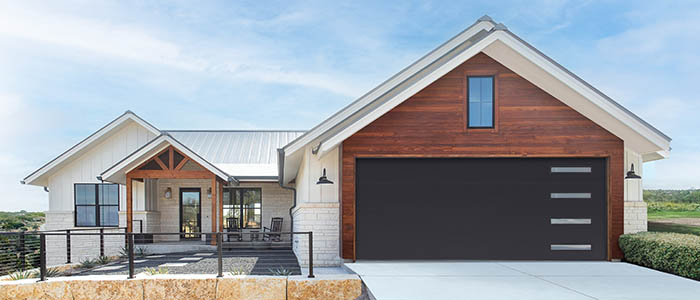
- Contemporary/Modern: Glass, clean lines, highest price
Custom windows, special paint, and unique details can increase the cost by hundreds or even thousands of dollars.
4. Insulation
Insulated garage doors cost more upfront but save money on energy bills. They keep your garage warmer in winter and cooler in summer.
- Non-insulated: $600–$1,500
- Insulated (polyurethane or polystyrene): $800–$3,500
Insulation is measured in R-value. The higher the R-value, the better the insulation. If your garage is attached to your home, insulation is a smart investment.
5. Windows And Decorative Features
Adding windows or other features (like decorative hardware) changes the price.
- Basic window inserts: Add $200–$500
- Full-view glass panels: Add $800–$2,000
Decorative handles, hinges, or custom patterns can add $50 to $500 more.
6. Opener System
A garage door opener is usually sold separately. Most new doors need a modern opener for safety and convenience.
- Basic chain drive: $150–$300
- Quiet belt drive: $200–$450
- Smart openers (with Wi-Fi): $250–$500
Insight: Always check if the door price includes the opener. Some companies bundle it, others charge extra.
7. Installation
Installation costs depend on the door type, your location, and the installer’s experience.
- Standard install: $250–$600
- Complex install (custom work): $500–$1,500
Old door removal, new tracks, or opener setup can raise the price.
Hidden cost: If your garage frame is damaged, you may need repairs. This can add $100–$1,000 or more.
8. Location And Labor Rates
Prices change depending on where you live. In large cities, labor costs are higher. In rural areas, prices may be lower, but you might pay for travel costs.
9. Brand And Warranty
Trusted brands with good warranties usually cost more. But you get better support and peace of mind.
- Standard warranty: 1–3 years (parts and labor)
- Premium warranty: 5–10 years (limited lifetime on panels or hardware)
10. Removal And Disposal Of Old Door
Most installers charge to remove your old door.
- Removal fee: $50–$200
Check if this is included before you sign a contract.
Average Cost Ranges For A New Garage Door
Let’s break down the typical price ranges you’ll see when shopping for a new garage door. Prices include both the door and basic installation.
National Averages
- Low-end (budget): $700–$1,200
- Mid-range: $1,200–$2,500
- High-end (custom/luxury): $2,500–$5,000+
- Ultra-premium/custom wood or glass: $5,000–$10,000
These numbers are for standard, residential garage doors. Commercial or oversized doors can cost much more.
Cost By Door Type
Here’s a quick comparison of popular garage door types and what you can expect to pay:
| Door Type | Average Installed Cost | Maintenance Level | Durability |
|---|---|---|---|
| Steel | $700–$2,500 | Low | High |
| Wood | $1,500–$4,500 | High | Medium |
| Aluminum | $900–$2,500 | Low | Medium |
| Vinyl | $1,000–$2,800 | Very Low | High |
| Fiberglass | $1,200–$2,700 | Low | Medium |
| Composite Wood | $1,300–$3,500 | Low | High |
Real-world Examples
- Basic steel single door: $900 installed
- Double insulated steel door with windows: $2,200 installed
- Custom wood carriage house door: $4,200 installed
Practical tip: Always get a written quote with details. Some companies give a low base price but add fees for installation, hardware, or disposal.
Garage Door Material Breakdown
Choosing the right material is key. Let’s look at what you get with each option:
Steel Garage Doors
Steel is the best-selling garage door material in America. It’s strong, doesn’t warp, and is easy to paint.
- Pros: Affordable, strong, low maintenance
- Cons: Can dent, may rust if scratched
- Price: $700–$2,500
Steel doors are a good balance of price and performance. They come in many styles, from simple to detailed.
Wood Garage Doors
Wood doors offer a warm, classic look. Each one is unique.
- Pros: Beautiful, customizable
- Cons: Needs painting or staining, can warp or rot
- Price: $1,500–$4,500
Wood is popular for historic homes or upscale neighborhoods. But you’ll need to refinish it every few years.
Aluminum Garage Doors
Aluminum is lightweight and resists rust, so it’s popular in wet climates.
- Pros: Rustproof, good for wide doors
- Cons: Can dent easily, fewer style choices
- Price: $900–$2,500
Some aluminum doors have glass panels for a modern look.
Vinyl Garage Doors
Vinyl is strong, won’t rust, and needs almost no care.
- Pros: Great for coastal areas, very low maintenance
- Cons: Fewer colors/styles, can fade
- Price: $1,000–$2,800
Vinyl is good for families who want something worry-free.
Fiberglass Garage Doors
Fiberglass can look like wood but lasts longer.
- Pros: Resists salt air, won’t rust or warp
- Cons: Can crack in cold weather, color may fade
- Price: $1,200–$2,700
Best for coastal or humid climates.
Composite Wood Garage Doors
Composite wood mixes real wood and plastic. It’s strong and looks natural.
- Pros: Low care, resists rot and insects
- Cons: More expensive than steel
- Price: $1,300–$3,500
Composite is a smart choice if you want wood style without high upkeep.
Style, Design, And Custom Features
The style and design of your garage door can change your home’s curb appeal and price.
Popular Styles
- Raised panel: Classic look, fits most homes
- Carriage house: Barn-style, often has decorative hardware
- Modern/contemporary: Sleek lines, glass panels, bold colors
Customization Options
- Windows: Different shapes, tints, and placements
- Colors and finishes: Paint, stain, or powder coat
- Hardware: Decorative handles, hinges, or knockers
Data point: Adding custom windows can increase the cost by 10–20%.
Insulation And Energy Efficiency
If your garage is attached to your house, or you use it as a workshop, insulation is important.
- Polystyrene insulation: Cheaper, lower R-value
- Polyurethane insulation: More expensive, higher R-value
Example: An insulated door with a high R-value may cost $300–$500 more, but can cut heating/cooling bills by up to 20%.
Installation: What’s Included (and What’s Not)
A new garage door must be installed correctly for safety and smooth operation.
What’s Usually Included
- Delivery of the new door
- Removal of the old door (sometimes extra)
- Installation of tracks, springs, and hardware
- Setup of new opener (if purchased)
What’s Not Always Included
- Painting or staining (for wood doors)
- Upgrading the garage frame or opener
- Repairs to walls or concrete
Pro tip: Ask for a list of what is (and is not) included in your quote. Some companies hide fees in the fine print.
Common Buyer Mistakes To Avoid
Even smart homeowners can make mistakes when buying a garage door. Here are a few to watch out for:
- Choosing the cheapest option: Low price can mean lower quality. You may pay more for repairs or replacement later.
- Ignoring insulation: Uninsulated doors may save money at first but cost more in energy bills.
- Not asking about installation: Some quotes don’t include install, removal, or hardware.
- Forgetting about maintenance: Wood looks great, but needs more care. Steel is lower maintenance.
- Skipping the warranty: A good warranty protects your investment.
- Not checking local rules: Some neighborhoods require certain styles or colors.
Non-obvious insight: Garage doors are heavy and under spring tension. DIY installation can be dangerous. Professional install is worth the cost for safety.
Comparing Garage Door Brands
The brand you choose can affect price, quality, and support. Here’s a look at some popular brands and what they offer:
| Brand | Typical Price Range | Warranty | Special Features |
|---|---|---|---|
| Clopay | $800–$3,500 | Up to Lifetime | Wide style choices |
| Amarr | $900–$4,000 | Up to Lifetime | Insulated models |
| Wayne Dalton | $700–$3,800 | Up to 10 Years | Custom wood options |
| CHI | $1,000–$4,500 | Up to Lifetime | Carriage and modern styles |
Tip: Choose a brand with a strong local installer network and good customer reviews.
The Cost Of Garage Door Openers
Many people forget to budget for a garage door opener. Here’s what you should know:
Types Of Openers
- Chain drive: Basic, louder, but cheaper
- Belt drive: Quieter, a bit more expensive
- Screw drive: Low maintenance, mid-price
- Smart openers: Control with your phone, most expensive
Price Ranges
- Chain drive: $150–$300
- Belt drive: $200–$450
- Smart opener: $250–$500
Installation adds $100–$200 more.
Pro tip: Smart openers add security and convenience, letting you open or close the door from anywhere.
How To Save Money On A New Garage Door
If you’re on a budget, there are ways to save:
- Choose steel or aluminum: These cost less and need less care.
- Skip custom designs: Standard colors and styles are cheaper.
- Buy in off-season: Prices are lower in winter or early spring.
- Ask about package deals: Some companies offer discounts if you buy the door and opener together.
- Look for rebates: Energy-efficient doors sometimes qualify for rebates or tax credits.
Important note: Don’t cut corners on installation or safety features. Saving a little now can cost more later.
Garage Door Costs In Different Us Regions
Prices can change a lot depending on where you live.
- West Coast (California, Oregon): $1,000–$2,800 (higher labor costs, more modern styles)
- Midwest (Ohio, Illinois): $800–$2,200 (lower labor, standard styles)
- South (Texas, Florida): $900–$2,400 (hurricane-resistant options add cost)
- Northeast (New York, Massachusetts): $1,000–$2,600 (higher labor, wood doors popular)
Real-life example: In Florida, hurricane-rated doors are required by law, adding $300–$600 to the price.
Hidden Costs And What To Watch For
Sometimes, the final bill is higher than you expect. Here’s what can add to your cost:
- Custom paint/stain: $200–$600
- Old door disposal: $50–$200
- Structural repairs: $100–$1,000+
- Permit fees: $50–$150 (some cities require a permit for new doors)
- Upgrading opener or wiring: $100–$500
Pro tip: Ask for an itemized estimate. That way, you know exactly what you’re paying for.
Do You Need A Professional Installer?
Some home improvement fans want to install the door themselves. But for most people, hiring a pro is safer.
- Why use a pro? Garage doors are heavy, and springs can be dangerous.
- What does a pro do? Removes the old door, checks the frame, installs the new door, adjusts springs and tracks, and tests everything.
- Cost: $250–$1,000 for installation, depending on complexity.
Insight: Professional installation often includes a labor warranty, so you’re covered if something goes wrong.
Is A New Garage Door Worth The Investment?
A new garage door is one of the best home upgrades for value. According to Remodeling Magazine’s 2023 Cost vs. Value report, a new garage door can return up to 102% of its cost when you sell your home.
Example: If you spend $2,000 on a new door, your home’s value could go up by $2,040.
Other benefits:
- Better security
- Lower energy bills (with insulation)
- Quieter operation
- Improved curb appeal
When To Replace Your Garage Door
You might wonder if you really need a new door. Here are signs it’s time to upgrade:
- Frequent breakdowns or stuck door
- Rust, rot, or major dents
- Drafts or high energy bills
- Noisy operation
- Outdated look
If your old door is more than 15–20 years old, replacement is usually a smart move.

How To Get An Accurate Estimate
To get a real price for your new garage door:
- Measure your opening: Width and height, in feet and inches.
- Choose your material and style: Decide what looks best for your home and fits your budget.
- Pick features: Insulation, windows, opener type.
- Get 2–3 quotes: Compare prices, warranties, and what’s included.
- Ask questions: Installation, removal, permits, and warranties.
Pro tip: Always check reviews and ask for references before hiring an installer.
Real Customer Stories
Here are two quick stories to show real costs and decisions:
- Sarah from Ohio: “I chose a basic insulated steel door for my single garage. With install and removal, I paid $1,300. It’s much quieter and looks great.”
- Mike from California: “Wanted a modern look, picked a double glass/aluminum door. Total cost: $3,800 installed. It changed the whole style of my house.”
Lesson: Your needs, style, and location make a big difference in price.
Useful Resources
For more on garage door types, installation, and costs, check out the This Old House Garage Door Guide.
Frequently Asked Questions
What Is The Cheapest Type Of New Garage Door?
The cheapest option is usually a non-insulated steel door with a basic design. For a single-car garage, this can cost as little as $700–$900 installed. Prices go up with insulation, windows, or special finishes.
How Long Does A New Garage Door Last?
Most new garage doors last 15–30 years. Steel and composite doors tend to last longer with less maintenance. Wood doors need more care but can also last decades if kept in good condition.
Can I Install A Garage Door Myself To Save Money?
It’s possible for skilled DIYers, but garage doors are heavy and dangerous because of spring tension. Professional installation is safer and often required for warranty protection.
Do Garage Doors Come With Openers?
Most garage doors do not include an opener. You usually buy the opener separately. Some installers offer package deals that include both the door and an opener.
Is A New Garage Door A Good Investment For My Home?
Yes, a new garage door is one of the best-value home upgrades. It improves curb appeal, adds security, and can return up to 100% of its cost when you sell your home.
A new garage door is more than just a home project—it’s an investment in safety, comfort, and value. Take your time, compare options, and choose what fits your needs and budget best. With smart planning, you’ll enjoy the benefits for many years.