
If you have ever heard a loud, screeching noise when opening your garage door, you know how annoying and worrying it can be. This noise is often a sign that your garage door rollers need oiling. Many homeowners ignore this small maintenance step, but keeping your rollers well-oiled can prevent expensive repairs and make daily use of your garage door smoother and quieter. Oiling garage door rollers is not just about noise reduction—it also extends the life of your door, protects against rust, and ensures safe operation. Even if you’ve never done it before, this is a task you can handle with a little patience, the right tools, and a bit of guidance. This article will walk you through every detail of how to oil garage door rollers, from understanding the types of rollers to step-by-step instructions, safety tips, and answers to common questions.
Why Oiling Garage Door Rollers Matters
Many people forget about their garage door until something goes wrong. However, garage door rollers are essential parts that allow the door to move smoothly up and down its tracks. Without regular oiling, these rollers can start to squeak, stick, or even seize up completely. Over time, friction from dry rollers can damage other parts of your garage door system, leading to costly repairs.
Proper oiling does more than stop noise. It:
- Reduces friction, allowing the door to glide easily
- Prevents rust and corrosion, especially in humid or coastal areas
- Extends the life of both the rollers and the entire door system
- Improves safety, as a smooth-moving door is less likely to jam or fall off track
- Keeps your garage quieter, making your home more comfortable
It’s easy to underestimate this simple task, but regular oiling can save you money and headaches in the long run.
Understanding Garage Door Rollers
Before you start, it helps to know what kind of rollers you have and how they work. Not all rollers are the same, and using the correct oil and technique depends on this knowledge.
Types Of Garage Door Rollers
Most residential garage doors use one of three main types:
- Nylon Rollers: These have a nylon wheel and are popular for their quiet operation. They do not rust and require less frequent oiling, but still benefit from maintenance.
- Steel Rollers: Made entirely of metal, these are durable but can be noisy and are prone to rust if not maintained.
- Plastic Rollers: The cheapest option, often found on older or builder-grade doors. They wear out quickly, cannot be oiled effectively, and usually need replacement rather than lubrication.
The type of roller you have affects how often you need to oil and what type of lubricant to use. For example, nylon rollers often have sealed bearings that do not require oiling, while steel rollers need regular attention.
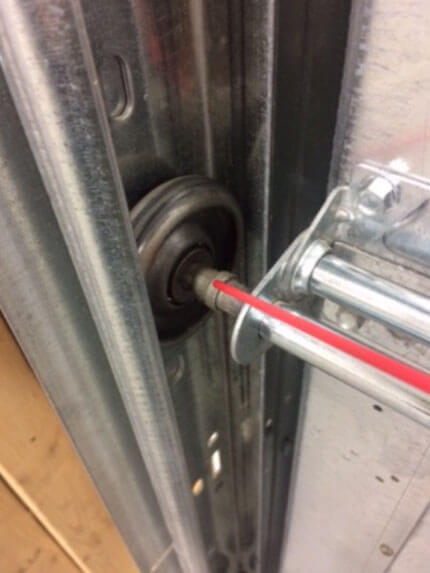
Anatomy Of A Garage Door Roller
Each roller has two main parts:
- Wheel: The round part that fits into the track and rolls as the door moves.
- Stem: The shaft that connects the wheel to the door hinge.
Some rollers have exposed bearings, while others have sealed bearings. Understanding if your roller has an exposed or sealed bearing is important. Exposed bearings need more frequent oiling, while sealed bearings are designed to be maintenance-free.
Tools And Materials You Will Need
Oiling garage door rollers is a simple task, but having the right tools makes it easier and safer. Here’s what you will need:
- Garage door lubricant (spray or liquid, made for metal parts)
- Step ladder (if your door is tall)
- Rag or paper towels (to wipe excess oil and clean parts)
- Protective gloves (to avoid skin contact with oil)
- Safety glasses (to protect your eyes from drips)
- Old newspapers or cardboard (to protect your garage floor)
Lubricant Types: Which One Is Best?
Not all lubricants are equal. The most recommended product is a garage door lubricant made from silicone or lithium. Avoid using WD-40, as it is a cleaner, not a lubricant, and can actually dry out moving parts over time.
Here’s a quick comparison of common lubricant types:
| Lubricant Type | Best For | Pros | Cons |
|---|---|---|---|
| Silicone spray | All roller types | Repels water, long-lasting, resists dust | Can be slippery if over-applied |
| White lithium grease | Steel rollers, hinges | Thick, stays in place, great for heavy-duty use | May collect dirt over time |
| WD-40 | Short-term cleaning | Cleans and removes old grease | Not a true lubricant, can dry out rollers |
Pro Tip: Look for a lubricant labeled specifically for garage doors. These are designed to work in different temperatures and protect against rust.
How Often Should You Oil Garage Door Rollers?
The frequency depends on the roller type, how often you use your garage door, and your local climate. As a general rule:
- Steel rollers: Oil every 6 months
- Nylon rollers: Oil every 12 months (if they have exposed bearings)
- Plastic rollers: Replace when worn; oiling is not effective
- High-use doors: Consider oiling every 3-4 months
If you live in an area with high humidity, rain, or salt air, you may need to oil more often to prevent rust and corrosion.
Safety Precautions Before You Start
Garage doors are heavy and under high tension. Safety is very important when working around them. Here are some key precautions:
- Unplug the garage door opener to avoid accidental activation
- Wear gloves and safety glasses to protect your hands and eyes
- Never place your fingers in the tracks or near the springs
- Do not disassemble the roller or spring system
- Work in a well-ventilated area if using spray lubricants
Remember, if you see signs of serious damage (like a bent track or broken spring), stop and call a professional. Oiling is a maintenance task, not a repair for serious issues.
Step-by-step: How To Oil Garage Door Rollers
Oiling your garage door rollers is a process you can complete in about 30 minutes. Here’s a detailed guide, with practical advice and common mistakes to avoid.
1. Prepare Your Workspace
Clear any cars or clutter from the area around the garage door. Lay down old newspapers or cardboard to catch any drips. Put on your gloves and safety glasses.
2. Inspect The Rollers
Carefully check each roller for signs of wear, cracks, or missing parts. If a roller is broken or very worn, it’s best to replace it rather than oil it.
Non-obvious tip: Look for flat spots on the roller wheel. This is a sign of uneven wear and can cause noise even after oiling.
3. Clean The Rollers And Track
Use a rag or paper towels to wipe away dust, dirt, and old grease from the rollers and the inside of the track. This helps the new lubricant stick and work better.
Pro insight: Do not use water to clean the rollers, as this can cause rust. If you need to remove sticky debris, use a small amount of mild cleaner on a rag, then dry thoroughly.
4. Apply The Lubricant
Shake the can (if using spray) and aim the nozzle at the point where the roller wheel meets the stem. Spray a small amount directly onto the bearing, not just the wheel surface.
- For steel rollers with exposed bearings: Apply lubricant to the ball bearings inside the wheel.
- For nylon rollers with exposed bearings: Use a light touch—too much oil can attract dirt.
- For sealed bearings or plastic rollers: Do not attempt to oil the bearing. Only lightly oil the stem where it moves in the hinge.
Move to each roller along the track and repeat.
5. Move The Door To Spread The Lubricant
Manually lift and lower the garage door a few times. This helps the lubricant spread evenly around the roller and inside the bearing.
Pro tip: Listen for noise as you move the door. Squeaks should get quieter or disappear completely. If a roller is still noisy after oiling, it may be damaged and need replacement.
6. Wipe Away Excess Oil
Use a clean rag to gently wipe away any extra oil from the roller surface or track. Excess lubricant can attract dust and dirt, leading to sticky rollers.
7. Inspect Other Moving Parts
While you’re at it, check the hinges, springs, and track for signs of wear or dryness. Apply a small amount of lubricant to any moving joints, but avoid spraying the track itself—this can cause the door to slip and become misaligned.
Common mistake: Over-oiling the track. Only the rollers and hinges need lubrication, not the track.
Signs Your Garage Door Rollers Need Oiling
Even with regular maintenance, sometimes rollers will show signs that they need immediate attention. Watch and listen for these clues:
- Squeaking, grinding, or rattling noises
- Door moves in jerks or stops suddenly
- Rollers look rusty or dirty
- Door is harder to open or close
If you notice any of these problems, it’s time to get out your oil and follow the steps above.
When Oiling Isn’t Enough: Signs You Need New Rollers
Oiling can solve many problems, but not all. Sometimes, a roller is too worn or damaged for oiling to help. Here are signs you need to replace your rollers:
- Cracks or chips in the roller wheel
- Flat spots on the roller surface
- Roller wobbles or is loose in the track
- Severe rust or pitting
- Roller no longer spins freely
If you notice any of these, it’s safer and more effective to replace the roller rather than keep oiling it. Most hardware stores carry replacement rollers, and you can find guides online for how to install them safely.
Comparing Diy Vs. Professional Maintenance
Many homeowners wonder if they should oil garage door rollers themselves or hire a professional. Let’s compare:
| Aspect | DIY Maintenance | Professional Service |
|---|---|---|
| Cost | Low (just lubricant cost) | Higher (service fees) |
| Time | About 30 minutes | Depends on scheduling |
| Skill Needed | Basic DIY skills | None required |
| Risk | Low if careful | Very low |
| Thoroughness | Can miss hidden problems | Checks all door systems |
Non-obvious insight: Doing it yourself helps you spot early signs of trouble—like loose bolts or worn hinges—that you might miss if you always call a professional.
Best Practices For Long-term Garage Door Health
Oiling the rollers is just one part of garage door maintenance. Here are more tips to keep your door working for years:
- Inspect rollers and hinges every 6 months for wear or damage.
- Test the balance of your door by disconnecting the opener and lifting the door halfway. If it stays, the springs are balanced.
- Keep the tracks clean but do not oil them.
- Tighten loose bolts and screws on hinges and brackets.
- Listen for new noises—they are often the first sign something is wrong.
By adding these steps to your routine, you can avoid many common garage door problems.

Myths And Common Mistakes About Oiling Garage Door Rollers
Many homeowners make the same mistakes when oiling their garage door rollers. Avoid these for the best results:
- Myth: More oil is better. Using too much oil can trap dirt and make rollers sticky.
- Myth: Any oil will work. Automotive oil, motor oil, or vegetable oil are not designed for this use and can cause damage.
- Mistake: Oiling plastic rollers. These cannot absorb oil and should be replaced, not oiled.
- Mistake: Spraying the track. Only the moving parts need oil.
- Mistake: Ignoring other moving parts. Hinges and springs also need maintenance.
Environmental And Seasonal Considerations
Your local climate affects how often and how well you should oil your garage door rollers.
- High humidity or coastal areas: More frequent oiling helps prevent rust.
- Cold climates: Use a lubricant rated for low temperatures so it doesn’t thicken and block movement.
- Dusty environments: Wipe away dust before oiling to avoid creating a gritty paste.
Changing your maintenance routine with the seasons can help keep your garage door running smoothly all year.

Troubleshooting: What If Oiling Doesn’t Fix The Noise?
If you have oiled your rollers and your garage door is still noisy, the problem may be elsewhere. Here are some possible causes:
- Hinges may be dry or worn—oil these as well.
- Tracks could be bent or dirty—clean and align them.
- Springs might be dry—apply a small amount of lubricant to the coils.
- Opener chain or belt could need lubrication—check your opener manual for guidance.
If the problem continues after these checks, consult a professional to inspect your door for more serious issues.
Garage Door Maintenance Schedule
Regular maintenance helps you remember when to oil your rollers and check other parts. Here’s a sample schedule:
| Task | Frequency | Notes |
|---|---|---|
| Oil rollers (steel/nylon) | Every 6-12 months | More often in harsh climates |
| Inspect for wear/damage | Every 6 months | Replace if needed |
| Clean tracks | Every 3 months | No oil needed |
| Check/tighten hardware | Every 6 months | Prevent loose parts |
| Full professional inspection | Every 2-3 years | Ensures safety |
You can print this out and hang it in your garage as a reminder.
Where To Find More Information
If you want to learn more about garage door maintenance, the International Door Association and the Family Handyman provide detailed guides and safety tips for homeowners.
Frequently Asked Questions
How Do I Know If My Garage Door Rollers Need Oiling?
If your garage door makes squeaking, grinding, or rattling noises, or if it moves unevenly, the rollers likely need oiling. Visually check for signs of rust, dirt, or dryness on the rollers.
Can I Use Wd-40 To Oil Garage Door Rollers?
WD-40 is a cleaner, not a long-term lubricant. It can remove old grease and dirt but does not provide lasting lubrication. Use a silicone spray or white lithium grease designed for garage doors.
How Long Does It Take To Oil Garage Door Rollers?
Oiling garage door rollers typically takes about 30 minutes, including setup and cleanup. If you are new to the task, give yourself extra time to inspect and clean each roller.
Should I Oil The Garage Door Tracks?
No, you should not oil the tracks. Lubricating the tracks can cause the rollers to slip and lead to misalignment. Only oil the rollers, hinges, and other moving joints.
What If My Rollers Are Still Noisy After Oiling?
If noise continues after oiling, the rollers may be worn out or damaged. Check for cracks, flat spots, or wobbling. If problems persist, replace the rollers or consult a professional.
Taking the time to oil your garage door rollers is a small investment that pays off with a smoother, quieter, and longer-lasting garage door. With the steps and tips in this guide, you can confidently handle this important maintenance task yourself, saving money and keeping your home running smoothly.