
When the power goes out, many everyday tasks suddenly feel more complicated. One that can cause instant stress is trying to open your garage door. If you rely on the automatic opener, a power outage may seem like a dead end.
But with a little know-how, you can get your garage door open safely—even in the dark. This guide will help you understand exactly what to do, what tools you may need, and how to avoid common mistakes. You’ll also learn how to prepare for future outages so you’re never caught off guard.
Whether you need to get your car out for work, or just want to avoid being stuck, mastering this basic skill is important for any homeowner.
Why Garage Doors Don’t Open During Power Outages
Garage doors with electric openers are designed for convenience and safety. But their reliance on household electricity means they can’t work during a blackout. The opener motor won’t run, and the system usually locks out manual operation to prevent accidents. That’s why you need to know how to disconnect the opener and switch to manual mode.
Many homeowners are surprised the first time this happens. You might hear the opener try to work—maybe a click or a hum—but nothing moves. This is because most opener motors have safety features to avoid overheating or getting damaged if power is unstable.
Also, the opener and door are physically connected by a “carriage” or “trolley” that keeps the door locked in place unless released.
The Key Mechanism: The Emergency Release
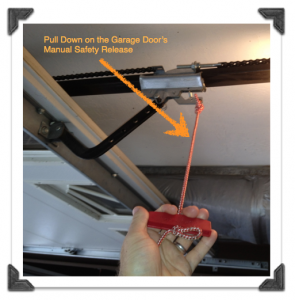
Most modern garage doors include an emergency release cord—usually a red handle hanging from the center rail. This handle is essential in a power outage. Pulling it disconnects the door from the opener, allowing you to lift the door by hand. It’s a simple solution, but not everyone knows where to find it or how to use it safely.
A common mistake is pulling the cord too hard or in the wrong direction, which can sometimes make it more difficult to re-engage later. If you have never used the emergency release, now is a good time to locate it, even if the power is still on.
In some older systems, the release mechanism might be a lever instead of a cord, usually near the opener motor.
Essential Safety Precautions Before Starting
Before you touch anything, safety should be your first concern. Garage doors are heavy and under tension. Mishandling them can cause injury or damage.
- Clear the Area: Make sure people, pets, and obstacles are away from the garage door. This reduces the risk of someone getting hurt if the door moves suddenly or falls.
- Check the Door’s Position: If the door is open even a few inches, it could slam shut unexpectedly when you pull the release. If possible, secure the door or have a helper hold it steady.
- Know the Door Type: Most homes use sectional overhead doors, but some have single-piece or tilt-up doors. The steps are similar, but always check your manual if you’re unsure. Tilt-up doors can be much heavier and sometimes lack a handle.
- Wear Gloves: Edges can be sharp and parts may be dirty. Gloves also give you a better grip if the door is hard to lift.
- Have a Flashlight: Garages can be dark during outages, so use a reliable light source. Headlamps are very useful, leaving your hands free to work.
Many people forget to check the door’s balance. If the springs are worn or broken, the door could be very heavy or fall quickly. Always move slowly and be ready to ask for help if the door feels unsafe.
Another detail often missed is that the emergency release cord can get tangled or caught on stored items if the area is cluttered. Regularly check the path around the cord and opener to ensure quick access.
Step-by-step: How To Open Your Garage Door Without Power
This section covers the most common garage door: the sectional overhead type with an automatic opener.
1. Locate And Pull The Emergency Release Cord
Look for a red cord hanging from the center rail near the opener motor. This is usually easy to spot. Pull the handle straight down. This action disconnects the garage door from the opener’s carriage.
- Pro tip: If the door is fully closed, pulling the cord is safe. If it’s partially open, support the door first to prevent it from slamming down.
In some setups, the cord may need to be pulled at a slight angle instead of straight down. If you feel resistance, do not yank hard. Instead, check your opener model for specific instructions. Forcing the cord can sometimes break the release mechanism, making things harder.
2. Lift The Garage Door Manually
With the opener disengaged, stand with your feet shoulder-width apart. Grasp the bottom handle or lift by the reinforced edge (never grab the flimsy panels). Lift the door in a smooth, even motion.
- Heaviness warning: If the door is very heavy or stuck, do not force it. The springs may be broken or unbalanced.
- Staying open: Well-balanced doors will stay open when lifted. If it slides down, prop it open with a sturdy object or have someone hold it.
It is best to lift the door with your legs, not just your back, to reduce risk of injury. If the door resists, double-check for side latches or locks you may have forgotten.
If your door is old, the panels may be warped and could stick in the tracks. Move slowly, and if you feel grinding or hear scraping, stop and check for obstructions.
3. Get Your Vehicle Out (if Needed)
Once the door is open, move your car in or out of the garage. Always keep clear of the door’s path.
Before driving out, make sure the door is fully open and stable. Don’t rush, especially if you’re in a hurry or it’s dark. Take a moment to check your mirrors and surroundings, as visibility may be lower during an outage.
4. Close The Door By Hand
Lower the door slowly, keeping your hands away from pinch points between panels. If the door feels uneven or jams, stop and check for obstructions.
Close the door gently to avoid slamming, which can bend panels or damage the track. If you feel resistance, inspect the track and rollers for dirt or debris.
If the door does not sit flush on the ground, double-check the alignment. Sometimes, when switching to manual mode, the door may shift slightly.
5. Re-engage The Opener After Power Returns
To reconnect the opener, pull the emergency release cord toward the door (not straight down) until you hear a click. Many openers also reconnect automatically when you press the remote.
- Test it: Run the opener to make sure it re-engages and the door works normally.
If the opener does not move the door after re-engaging, you may need to manually slide the carriage back into place along the rail. Listen for a “snap” or “click,” which means it’s locked back into the opener.
After power returns, check the opener’s settings, as some models reset or lose programming during outages. If your remote doesn’t work, try reprogramming it according to your opener manual.
What If The Door Won’t Open Manually?
Sometimes, things don’t go as planned. If your garage door won’t move, or is too heavy, you may have a bigger issue.
- Broken springs: Torsion or extension springs counterbalance the door’s weight. If one breaks, the door can feel impossible to lift.
- Locked doors: Some doors have manual locks or side latches that need to be released before lifting.
- Jammed tracks: Objects or debris in the tracks can prevent movement.
If you suspect a broken spring, do not try to force the door. Garage door springs are under extreme tension and can cause serious injury if handled incorrectly. In these cases, it’s safest to call a professional.
Sometimes, the carriage may not fully disengage, especially in older openers. Wiggle the door gently to see if it’s free. If the emergency release feels stuck, avoid excessive force. A light tap on the carriage (not the cord) may help, but never hit any part with tools.
If you have a side-mount opener or a custom system, check for secondary release levers or pins. In rare cases, the opener’s electronics can “lock” the carriage even without power, usually for added security. Your manual will explain any special steps for your model.

How To Prepare Your Garage Door For Power Outages
A little preparation can make life much easier during an unexpected outage.
Keep The Area Clear
Always keep the area around the emergency release cord free of clutter. In a blackout, you don’t want to trip over storage boxes or tools.
If your garage doubles as a storage area, consider marking a clear walkway to the door and the release cord. Use glow-in-the-dark tape or reflective strips to help you find the path at night.
Regular Maintenance
Check your garage door and opener at least twice a year.
- Test the emergency release to ensure it moves smoothly.
- Lubricate hinges, rollers, and tracks.
- Inspect the springs and cables for signs of wear.
A quick maintenance routine can prevent problems. For example, dust and debris in the tracks can make the door harder to lift. Use a soft brush or cloth to clean the tracks. Listen for any squeaks or grinding sounds, which may mean it’s time for lubrication.
Learn The Manual Process
Practice disconnecting and reconnecting the opener when there’s no emergency. This builds confidence and ensures everyone in your home knows what to do.
If you have children or elderly family members, walk them through the steps. Make a written checklist and keep it near the door or on a bulletin board in the garage.
Install A Backup Battery System
Some modern openers include a battery backup feature. These allow you to open and close the door automatically even during a blackout. If you live in an area with frequent outages, this upgrade can be a big help.
Battery backups are especially useful for people with physical limitations, or for those who need fast and reliable exit during emergencies, like wildfires or hurricanes.
Store A Flashlight Near The Door
Keep a flashlight in a known spot, such as hanging by the garage door or on a wall hook. Make sure the batteries are fresh.
Consider using LED flashlights—they last longer and are more durable if dropped. Some people use magnetic flashlights that attach directly to the opener or metal shelving for easy access.
Secure Your Home
Remember, disconnecting the opener makes your garage door easier to open from the outside. Only use the manual release when you’re present, and lock the door if you need to leave it unattended.
A simple padlock on the inside track or a slide bolt can add extra security. If you leave for an extended time during an outage, double-check all entry points to the garage.
Common Mistakes And How To Avoid Them
Many homeowners make small errors that can lead to bigger problems. Here’s what to watch out for:
Forgetting To Reconnect The Opener
After the power returns, people sometimes forget to re-engage the opener. This can cause confusion and even damage the system if you try to use the remote without reconnecting.
A telltale sign is the opener running but the door not moving. Always check the position of the emergency release before using the remote.
Using The Opener When It’s Still Disengaged
Trying to operate the opener while it’s in manual mode can stress the motor and carriage. Always re-engage the trolley before using the opener.
Repeated attempts can also lead to the opener’s motor overheating or burning out. If you hear the motor running but nothing happens, stop immediately and check the release.
Forcing A Stuck Door
If the door won’t move easily, don’t force it. Forcing a jammed or heavy door can bend the tracks or break the panels. Check for visible obstructions or call a professional.
For example, a child’s toy or a garden tool left on the track can make the door stick. Always do a quick sweep along the tracks before lifting.
Ignoring Safety Precautions
Never let children play near the door when you’re operating it manually. The door is heavy and can cause injury.
Also, do not allow anyone to stand under the door when it’s being opened or closed manually. The risk of a sudden drop is real, especially if the springs are not balanced.
Different Types Of Garage Door Openers And Their Manual Release
While the basic process is similar, some openers have different emergency release designs. Let’s compare the main types:
| Opener Type | Release Mechanism | Unique Features |
|---|---|---|
| Chain Drive | Red cord, pulls down | Most common, reliable |
| Belt Drive | Red cord, pulls down | Quieter operation |
| Screw Drive | Red cord, sometimes pulls at angle | Fewer moving parts, less maintenance |
| Jackshaft | Side-mounted release lever | Mounted on wall, saves ceiling space |
Always check your specific opener’s manual if you have doubts about the emergency release system.
Some newer openers come with digital locks or smart systems. These may require a backup battery or manual override code, especially if connected to home security systems. Understanding your model’s unique features before an emergency will save valuable time.
When To Call A Professional
Some garage door problems should not be handled by most homeowners. If you notice any of these warning signs, it’s best to call a trained technician:
- Broken or stretched springs
- Frayed or snapped cables
- The door comes off its tracks
- Door is extremely heavy or crooked
- Opener makes unusual noises after power returns
Attempting to fix these issues yourself can be dangerous. Professional technicians have the right tools and training to do the job safely.
If your door is old, the materials may have weakened over time. Professionals can recommend upgrades or reinforcements that keep your door safe and reliable.
If you have repeated power outages, consider asking your technician about surge protectors for your opener. Surges during outages can damage electronics and shorten the life of your system.

How To Add A Battery Backup To Your Garage Door Opener
If you want to avoid manual operation during blackouts, a battery backup can be a smart investment. These systems keep your garage door opener running for several open/close cycles when the main power is out.
What To Look For
- Compatibility: Not all openers support battery backup. Check your model or contact the manufacturer.
- Battery life: Most units provide 24-48 hours of power for several cycles.
- Installation: Some systems are plug-and-play, others require a technician.
Pay attention to warranty terms when installing a battery backup. Some opener brands require specific models to keep the warranty valid.
Cost And Benefits
Adding battery backup usually costs between $100 and $300. This small investment can bring peace of mind, especially if you rely on your garage for daily access.
Besides convenience, battery backups can be life-savers in emergencies. If you need to evacuate quickly, you won’t need to waste time switching to manual operation.
Comparison Of Manual Vs. Battery Backup Operation
Here’s a quick look at the differences:
| Feature | Manual Mode | Battery Backup |
|---|---|---|
| Effort | Physical lifting | Automatic operation |
| Speed | Slower | Normal |
| Safety | Requires caution | Safer, less risk |
| Cost | Free | $100–$300 |
Battery backup is now required for new installations in some US states, like California, because it improves safety during emergencies.
Extra Tips For Staying Safe And Prepared
- Label the emergency release: Use a glow-in-the-dark sticker or tag so you can find it in the dark.
- Teach all family members: Make sure everyone knows how to open the door manually.
- Check your insurance: Some policies may cover garage door repairs after power outages.
- Secure valuables: If you must leave the door in manual mode, lock the garage from the inside to prevent theft.
If your garage is attached to your home, double-check that the door to your house is also locked. During power outages, criminals sometimes check for easy garage access.
Real-world Example: Learning The Hard Way
Imagine you’re late for work and a storm knocks out the power. You try your garage remote—nothing happens. You remember there’s a red cord, but you’ve never used it. You fumble in the dark, finally find the cord, and pull.
The door won’t move. You keep pulling, but nothing happens. Frustrated, you call a neighbor who shows you that you also need to unlock a side latch. Once that’s done, the door moves smoothly. This is a common scenario, and it shows the value of practicing before you need the skill.
In another case, a homeowner with a battery backup didn’t realize the battery was dead until an outage happened. Regularly testing and replacing backup batteries is just as important as having one. Don’t let a backup system give you a false sense of security—check it as part of your routine maintenance.
Frequently Asked Questions
What Should I Do If The Emergency Release Cord Is Missing Or Broken?
If you can’t find the emergency release cord, check if it’s hidden behind objects or has broken off. Sometimes, the handle comes off but the cord remains. If the entire cord is missing, do not try to force the opener—call a garage door technician to install a new one.
Never attempt to open the door with tools or by force, as this can damage the system and cause injury.
Can I Open My Garage Door From The Outside During A Power Outage?
Some garage doors have an exterior emergency release lock. This is a small keyhole on the outside that lets you unlock the door and pull the release from outside. If your door does not have this feature and you’re locked out, you may need professional help to regain access. For future convenience, consider installing an emergency release kit.
Is It Safe To Leave My Garage Door In Manual Mode While The Power Is Out?
Leaving your door in manual mode means it can be opened from the outside more easily. If you need to leave the garage unattended, use the manual lock or add a padlock to the track. Always re-engage the opener as soon as power returns to restore normal security.
Why Does My Garage Door Feel Too Heavy To Lift By Hand?
A properly balanced garage door should weigh about 10–15 pounds when disconnected from the opener, thanks to the spring system. If it feels much heavier, the springs may be broken or worn out. Do not try to lift a very heavy door—call a professional. Forcing it can cause injury or further damage.
What Maintenance Can Prevent Garage Door Issues During Power Outages?
Test your emergency release every few months. Lubricate moving parts, check for worn cables or springs, and make sure tracks are clean. Practicing the manual release process ensures everyone knows what to do. Regular maintenance reduces the risk of the door becoming stuck or dangerous during an outage.
For more technical details about garage door systems, you can visit the Wikipedia page on Garage Door Openers.
When you know how to open your garage door during a power outage, you gain peace of mind and a little more control, even when the lights go out. Take time to prepare, practice, and stay safe—your garage door will work for you, power or no power.