
If you’ve ever rushed out of the house, pressed your garage door remote, and… nothing happened, you know the frustration. A garage door that won’t open can ruin your morning, trap your car, or cause stress about security. Sometimes it’s a quick fix.
Other times, it’s a sign of a bigger problem. Understanding why your garage door won’t open is important. It saves you time, money, and hassle—and can even keep you safe.
This guide explains, in clear language, the most common reasons your garage door won’t open. You’ll learn how to diagnose the issue, what you can try yourself, and when to call a professional. We’ll cover everything, from simple power problems to more complex mechanical failures.
Whether you’re a homeowner, a renter, or a curious DIY-er, you’ll find practical advice here.
The Most Common Causes: A Quick Overview
Garage doors are more complicated than they look. They use a mix of springs, cables, tracks, rollers, and electronics. The problem can be mechanical, electrical, or both. Here are the most common reasons for a garage door that will not open:
- Power source issues
- Remote control or keypad problems
- Broken springs
- Snapped cables
- Track misalignment
- Blocked or dirty sensors
- Manual lock engagement
- Disengaged emergency release
- Motor or opener failure
- Weather-related issues
- Damaged rollers or hinges
- Obstructions in the door’s path
- Limit settings off
- Worn out gears or internal components
- Poor garage door maintenance
Let’s look at each of these causes in detail, so you can find your problem—and the solution.
Power Source Issues
Before you check anything else, make sure your garage door opener is getting power. Many people forget this basic step.
Start with the outlet: is it working? Plug in another device, like a lamp. If that device doesn’t work, your outlet or circuit breaker may be the problem. Check your home’s breaker panel. Sometimes, the garage circuit trips for no obvious reason. Flip it off, then back on.
If your opener is plugged into a GFCI outlet (these have a “reset” button), press “reset.” GFCI outlets can trip from small electrical surges.
Finally, look at the garage door opener unit itself. Is there a light? If not, the unit may be dead. If there’s a power cord, check for damage. In older garages, rodents sometimes chew wires.
Key insight: Many garages have more than one outlet. Try plugging the opener into another outlet with an extension cord to rule out a bad socket.

Credit: www.youtube.com
Remote Control Or Keypad Problems
If you press your remote and nothing happens, don’t panic. The problem could be the remote or keypad outside the door—not the door itself.
Common issues:
- Dead batteries (most remotes use small coin-cell or AAA batteries)
- Remote signal interference (sometimes caused by nearby radio devices or LED bulbs)
- Keypad code reset (someone may have changed the code, especially in rented homes)
- Remote needs reprogramming (after a power outage or for new remotes)
Try the wall button inside your garage. If that works, your door opener is fine. The remote or keypad is the problem. If neither works, the issue is likely in the opener, wiring, or power supply.
Non-obvious tip: Some keypads lock out users after several wrong codes. Wait a few minutes and try again, or check the user manual for a reset method.
Broken Springs
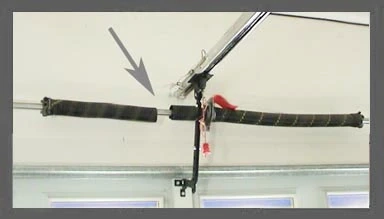
Garage doors use either torsion springs (above the door) or extension springs (on the sides). These springs do most of the lifting when the door opens. If a spring breaks, the door can become extremely heavy—too heavy for the opener.
How to tell:
- Loud “bang” from the garage when the spring snaps
- Door won’t lift, even when you try manually
- Visible gap or break in the spring
Warning: Never try to replace a broken spring yourself. Springs are under high tension and can cause serious injury. Call a qualified technician.
Table: Torsion vs Extension Springs
| Type | Location | Lifespan (cycles) | Signs of Failure |
|---|---|---|---|
| Torsion | Above door opening | 15,000–20,000 | Gap in coil, loud bang |
| Extension | Side of tracks | 10,000–15,000 | Door jerks, uneven lifting |
Snapped Cables
Cables help lift the door smoothly and safely. They work with the springs. Over time, cables can fray and snap. If a cable is broken, the door may tilt or jam.
What you’ll notice:
- One side of the door is higher than the other
- Door looks crooked when opening or closing
- Loose cable hanging from the side
Do not use the opener if a cable is broken. It can cause further damage or make the door fall. Call a pro to replace cables.
Track Misalignment
Garage door tracks must be straight and parallel. If they bend, shift, or get out of alignment, the door can jam or get stuck.
Causes:
- Impact (car bumping the door)
- Loose bolts over time
- Foundation shifting
Symptoms:
- Door stops partway up or down
- Grinding or scraping noises
- Visible gaps between rollers and track
Tip: You can tighten loose bolts or gently tap a bent track with a rubber mallet, but don’t force anything. Severe misalignment needs a technician.
Credit: www.precisiondoor.net
Blocked Or Dirty Sensors
Modern garage doors have safety sensors near the floor, on each side of the door. If anything blocks these sensors, the door will not close—or may not open fully. Sometimes, dirt or spider webs can trick the system.
How to check:
- Look for small LED lights on the sensors. One should be green (power), the other red (signal). If one or both are off or blinking, there’s a problem.
- Clean the lenses gently with a soft cloth.
Pro insight: Sunlight can sometimes confuse sensors. Try shielding them with a small piece of cardboard and see if the problem stops.
Manual Lock Engagement
Many garage doors have a manual lock (handle with a horizontal bar) you can turn from inside. If someone accidentally locks the door, the opener cannot move it.
How it happens:
- Lock engaged by mistake
- Kids playing with the handle
- Previous homeowner used the lock and you didn’t notice
Check for a locked handle and turn it to the “open” position before using the opener.
Disengaged Emergency Release
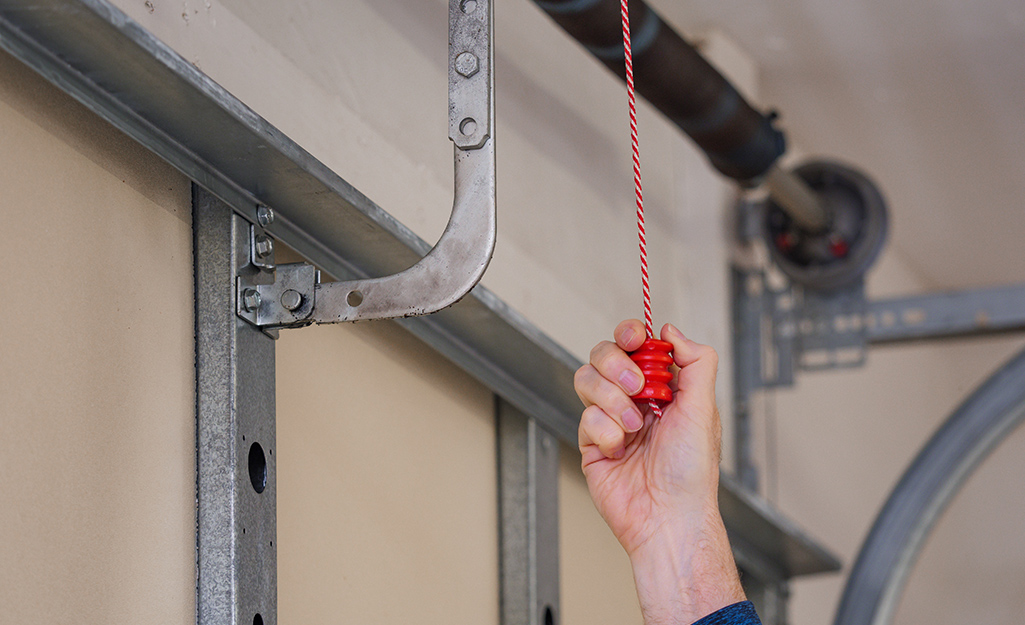
Every garage door has a manual release cord (usually a red handle). Pulling this cord disconnects the door from the opener, allowing you to open it by hand during a power outage. If the cord is still disengaged, the opener will run—but the door won’t move.
Symptoms:
- Opener makes noise, but the door does not move
- Door moves freely by hand
Reconnect the emergency release by moving the door until it clicks back into place, or follow your door’s manual instructions.
Non-obvious insight: If you use the emergency release when the door is up, it can slam shut. Always release it when the door is closed or have someone hold it.
Motor Or Opener Failure
Garage door openers last about 10–15 years. The motor or internal circuits can fail with age or after a power surge.
Signs:
- No sound or movement when you press the remote or wall button
- Humming noise but no movement
- Light comes on but nothing happens
Try unplugging the opener for 30 seconds to reset it. If that doesn’t work, you may need a new opener or a repair. Some openers have a diagnostic light that blinks a code—check the manual.
Table: Opener Age vs Likelihood of Failure
| Opener Age | Chance of Failure | Common Issues |
|---|---|---|
| 0–5 years | Low | Remote issues, sensor problems |
| 6–10 years | Medium | Gear wear, motor problems |
| 11–15+ years | High | Motor failure, circuit board issues |
Weather-related Issues
Extreme weather can affect your garage door. In cold climates, ice can freeze the door to the ground. In hot, humid areas, metal parts may rust or expand.
Common weather problems:
- Ice under the door seals it shut
- Snow or debris blocks the tracks
- Humidity causes the door to swell and stick
Use a de-icer or warm water for ice, but never force the door open—it can damage the opener or strip gears.
Tip: Keep the area around your garage door clear in winter and lubricate moving parts to prevent rust.
Damaged Rollers Or Hinges
Garage doors move on rollers inside the tracks. If a roller breaks or comes off the track, the door can jam or move unevenly. Hinges connect door panels and can also wear out.
Symptoms:
- Loud squeaking or grinding
- Door shakes or rattles when moving
- Visible broken roller or bent hinge
Replace metal rollers every 5–7 years for smooth operation. Nylon rollers are quieter but cost more.
Obstructions In The Door’s Path
Sometimes, something simple blocks the door. A broom, tool, or even a trash can left in the way will stop the door from opening.
How to check:
- Look along the tracks and under the door
- Remove any objects, debris, or ice
Remember, safety sensors will stop the door if they detect an object, but older doors may not have this feature.
Limit Settings Off
Garage door openers have limit switches that tell the motor when to stop. If these settings are off, the door may not open fully, or it may not open at all.
Common causes:
- Settings changed accidentally
- Power surge resets the unit
- New opener installed but not adjusted
Adjust the limit screws (usually on the opener unit) using a screwdriver. Only turn a little at a time, and test the door after each adjustment.
Non-obvious insight: If your door closes, hits the ground, and then opens again, the down limit is set too far.
Worn Out Gears Or Internal Components
Inside the opener, plastic gears and other parts wear out over time. This is more common in less expensive models.
Signs:
- Motor runs, but door doesn’t move
- Grinding or clicking noises from the opener box
- White plastic shavings near the unit
Some openers allow you to replace gears, but often it’s a sign you need a new opener.
Poor Garage Door Maintenance
Like any machine, a garage door needs regular care. Dirt, lack of lubricant, and ignored small problems can add up.
Maintenance mistakes:
- Never lubricating rollers, springs, or hinges
- Ignoring squeaks and minor jams
- Letting debris build up in tracks
Use a garage door lubricant (not WD-40) every six months. Inspect and clean tracks and sensors regularly.
Diagnosing The Problem: Step-by-step
If your garage door won’t open, here’s a practical checklist to help you find the cause:
- Check for power at the opener and outlet
- Try the wall button and remote (to rule out remote issues)
- Look for broken springs or cables
- Inspect tracks and rollers for misalignment or obstructions
- Check the sensors for dirt or blockage
- See if the manual lock is engaged
- Test the emergency release (see if the door moves by hand)
- Listen for unusual noises from the opener or door
- Check for ice, debris, or weather problems
- Review the opener’s lights for diagnostic codes
Take notes as you go. This makes it easier to explain the problem if you need to call a professional.
When To Call A Professional
While you can fix some simple issues (like changing remote batteries or removing blockages), other problems are dangerous or require special tools.
Call a pro for:
- Broken springs or cables
- Major track misalignment
- Motor or opener failure
- Severe weather damage
Pro tip: Always choose a licensed, insured garage door technician. Ask about warranties on parts and labor.
Credit: www.homedepot.com
How To Prevent Garage Door Problems
A little prevention goes a long way. Here’s how to keep your garage door working reliably:
- Lubricate moving parts twice a year
- Test the sensors monthly (place an object in the path to check)
- Tighten loose bolts and screws
- Replace remote batteries yearly
- Watch for rust, fraying cables, or worn rollers
Table: Basic Garage Door Maintenance Schedule
| Task | How Often |
|---|---|
| Lubricate rollers & hinges | Every 6 months |
| Check sensors | Monthly |
| Clean tracks | Every 3 months |
| Inspect springs & cables | Annually |
| Replace remote batteries | Yearly |
Safety Tips Everyone Should Know
Garage doors can be dangerous if not handled with care. Springs, cables, and openers are under a lot of pressure.
- Never try to fix or adjust springs and cables yourself
- Keep children away from the opener button and emergency release
- Do not stand under a moving door
- If the door is stuck open, prop it securely before working underneath
Non-obvious safety tip: If you hear a loud snap and the door is heavy, don’t try to lift it. Springs could be broken and the door may fall.
Real-world Examples
Let’s look at some real examples to see how these problems play out:
- Case 1: Sarah’s garage door stopped working one cold morning. She checked everything—outlet, remote, and opener. The cause? Ice had frozen the door to the ground. She poured warm water along the seal and the door opened smoothly.
- Case 2: Mike pressed his remote but nothing happened. The wall button also didn’t work. He found the breaker had tripped after a recent storm. Resetting the breaker solved the problem.
- Case 3: Anna heard a loud “bang” in her garage. The next morning, the door was too heavy to lift. A broken torsion spring was the culprit. She called a pro, who fixed it in under an hour.
These stories show how careful observation and a methodical approach can save you time and money.
Frequently Asked Questions
Why Does My Garage Door Only Open Partway And Then Stop?
This usually means there’s a problem with the limit settings or an obstruction in the tracks. Check for debris or objects blocking the path. If the path is clear, adjust the up-limit screw on the opener. If the problem continues, the door’s springs or cables may be worn and need replacement.
Can I Open My Garage Door Manually If The Power Is Out?
Yes. Pull the emergency release cord (usually red) to disconnect the door from the opener. You can then lift the door by hand. Be careful—the door may be heavy if a spring is broken.
Why Do I Hear A Grinding Noise But The Door Won’t Move?
A grinding noise often means worn gears in the opener or a roller off the track. If the opener’s motor runs but nothing happens, check for plastic shavings near the opener. If the door is stuck, check the tracks and rollers for damage.
How Long Do Garage Door Openers Usually Last?
Most openers last 10–15 years with regular use and proper maintenance. Cheap models or heavy doors may wear out sooner. If yours is over 10 years old and having trouble, replacement is usually more cost-effective than repair.
Where Can I Find More Information About Garage Door Safety?
For detailed safety guidelines and maintenance tips, visit the Consumer Reports Garage Door Opener Buying Guide.
A garage door that won’t open can be annoying, but it’s rarely unsolvable. Use these steps to find the cause, fix what you can, and know when to call for help. Regular maintenance and a little know-how will keep your garage secure and your life running smoothly.