
A garage door that refuses to close can be frustrating and even risky for your home’s security. Many homeowners face this issue at some point, and it’s not always clear what the problem is. You press the remote, but nothing happens.
Or the door starts to close, then reverses. Sometimes it gets stuck halfway. These issues can happen with both automatic and manual garage doors.
Understanding why your garage door won’t close is important. The good news is, most of the time, the problem is not complicated. It’s often something you can check yourself before calling a professional. This guide will help you find the cause, offer solutions, and share tips to keep your garage door working smoothly.
We’ll cover all the common reasons, some hidden problems, and what you can do right now—even if you’re not a garage door expert.
Common Reasons Your Garage Door Won’t Close
Many things can prevent a garage door from closing. Let’s look at the most frequent causes and how to recognize them.
1. Safety Sensors Are Blocked Or Misaligned
Most modern garage doors have safety sensors near the floor on both sides of the door. These sensors send an invisible beam across the opening. If something blocks this beam, the door will not close.
- How to check: Look for small boxes near the ground on each side of the door frame. There should be a light on each sensor. If one light is blinking, the sensors may be misaligned.
- Common causes: Dirt, leaves, spiderwebs, or even a trash can blocking the sensor. Sometimes, children’s toys or tools left in the door’s path cause issues.
- Solution: Clean the sensors with a soft cloth. Make sure nothing is in the way. Adjust the sensors until both lights are steady (not blinking).
Insight: Even sunlight can sometimes confuse sensors, especially in the late afternoon. If you notice the problem happens only at certain times of day, try shading the sensor.
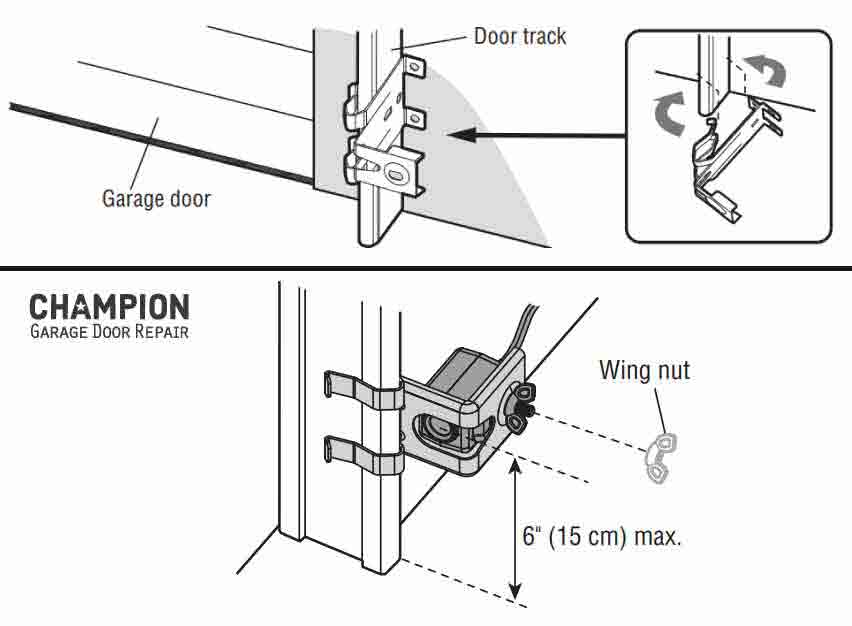
2. Obstructions On The Door Track
A small item in the garage door track can stop the door from closing. Even a stone or screw can cause trouble.
- How to check: Look closely along both tracks from the floor to the ceiling. Use a flashlight if needed.
- Common causes: Gravel, small toys, or dried mud.
- Solution: Remove any foreign objects carefully. Never force the door if something is stuck.
Extra tip: Sometimes, a build-up of grease or sticky residue attracts dirt, which can become a hidden blockage.
3. Broken Or Worn Out Springs
Garage doors use springs to help lift and lower the heavy door. If a spring breaks, the door may not close properly, or it may be too heavy for the opener.
- How to check: Look for gaps in the springs above the door. Listen for a loud “bang” noise, which often means a spring has snapped.
- Common causes: Age and regular use. Most springs last about 10,000 cycles (one open and close equals one cycle).
- Solution: This is not a do-it-yourself job. Call a professional to replace springs. Trying to fix springs yourself can be very dangerous.
Non-obvious insight: If your garage door has two springs and only one breaks, always replace both. Springs wear out at the same rate.
4. Garage Door Opener Issues
The garage door opener is the motorized unit that moves the door. Problems here can range from a dead remote battery to more serious motor issues.
- How to check: Try using the wall switch instead of the remote. If the wall switch works, the remote may have dead batteries.
- Common causes: Worn gears inside the opener, stripped drive belts, or faulty wiring.
- Solution: Replace remote batteries first. If the opener makes noise but the door doesn’t move, gears or belts might need repair.
Hidden detail: Power surges after storms can damage opener electronics. If your opener stopped working after a storm, check your home’s circuit breaker, too.
5. Door Travel Limits Need Adjustment
Garage door openers have travel limit settings. These tell the door how far to move up or down. If set incorrectly, the door may stop before it’s fully closed or reverse after touching the ground.
- How to check: Look for two dials or screws on the opener unit, usually marked “up” and “down” or “open” and “close.”
- Common causes: Limits can shift over time due to vibration or power outages.
- Solution: Adjust the “close” setting slightly and test. Make small changes, then try closing the door each time.
Practical tip: Always have someone help you when making adjustments, so you can watch the door’s movement closely.
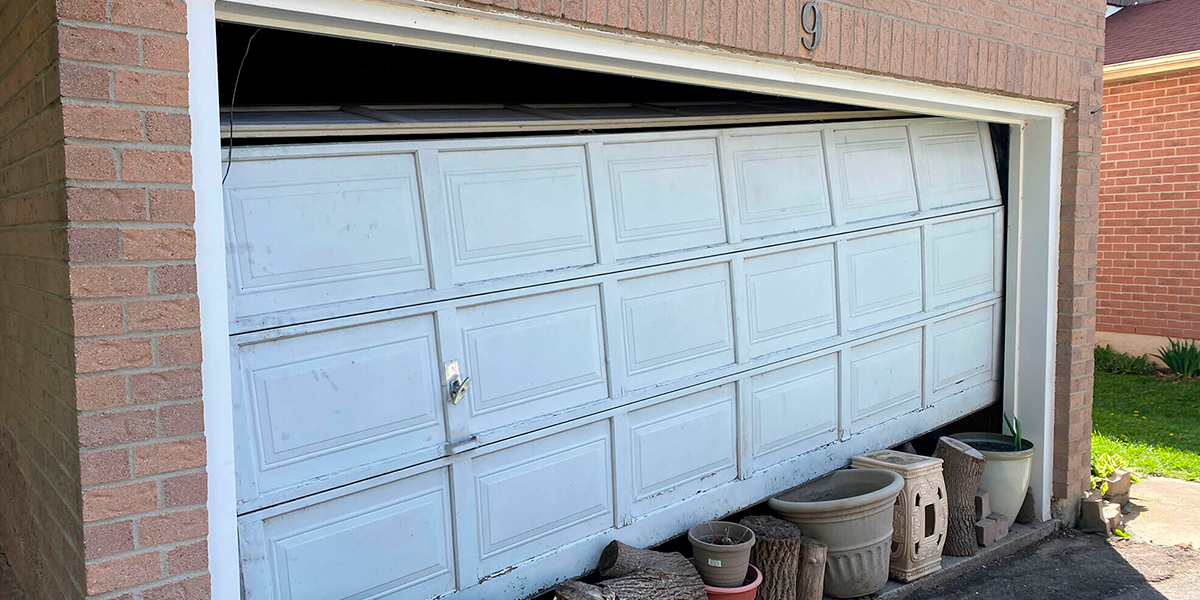
6. Door Is Off Its Track
If the garage door is off track, it may look crooked or jam when closing.
- How to check: Stand inside your garage and look at the sides of the door as it moves. If the rollers are not inside the metal tracks, the door is off track.
- Common causes: An object in the track, an impact (like bumping the door with your car), or worn rollers.
- Solution: Do not force the door. Contact a professional. Forcing the door can bend the tracks or cause the door to fall.
7. Remote Control Problems
Sometimes, the problem is with the remote control itself.
- How to check: Try the wall switch. If the door responds, your remote may be the problem.
- Common causes: Dead batteries, lost programming, or interference from nearby electronics.
- Solution: Replace batteries first. If it still doesn’t work, try reprogramming the remote (see your opener manual).
8. Manual Lock Engaged
Some garage doors have a manual lock or slide bolt. If someone accidentally engages this lock, the door will not close.
- How to check: Look for a handle or lever on the inside of the door.
- Common causes: Someone manually locked the door from inside, especially in homes with children or new users.
- Solution: Disengage the lock and try again.
9. Damaged Or Bent Door Panels
A bent panel can cause the door to jam as it moves. This is more common with older or lightweight doors.
- How to check: Look for dents, bends, or warping, especially near the bottom of the door.
- Common causes: Impact with a car, bike, or heavy object.
- Solution: Minor dents can sometimes be fixed with a rubber mallet. For larger damage, contact a garage door specialist.
10. Weather Conditions Affecting Operation
Weather can have a surprising effect on your garage door. Extreme cold or heat can cause metal to expand or contract, making the door stick.
- How to check: Notice if the problem happens only in certain weather.
- Common causes: Frozen ground, ice buildup under the door, or swollen wooden doors in humid climates.
- Solution: Clear ice or snow from the door area. In humid areas, check for water damage on wooden doors and repaint or seal as needed.
Less obvious detail: Warm sun shining directly on safety sensors can sometimes cause them to malfunction. Try shading the sensors with cardboard to see if the problem goes away.
How To Troubleshoot Your Garage Door
When your garage door won’t close, follow these steps to find the problem before calling for help. This process will save you time and money.
Step 1: Check The Obvious
- Is something blocking the door?
- Are the sensors dirty or blocked?
- Does the wall switch work?
Step 2: Test The Remote
- Try using the remote from different angles.
- Change the batteries.
- If you have more than one remote, try them all.
Step 3: Listen And Watch
- Does the door make new or loud noises?
- Does it move a little, then stop?
- Does it reverse after touching the ground?
Step 4: Inspect The Tracks And Rollers
- Look for dirt, debris, or dents.
- Check if the rollers move smoothly.
Step 5: Look At The Springs
- Are they stretched, broken, or out of place?
Step 6: Review The Opener
- Is the opener plugged in?
- Are the lights on the opener working?
- Is the opener’s chain or belt loose?
Step 7: Test The Manual Release
- Pull the emergency release cord (usually red) to disconnect the door from the opener.
- Try moving the door by hand. If it’s hard to move, there may be a problem with the springs or tracks.
When To Call A Professional
Some problems are safe to fix yourself, but others need expert help. Here’s when you should call a professional:
- Broken springs: Dangerous to fix without training.
- Off-track doors: Risk of further damage or injury.
- Motor or wiring issues: Electrical problems can cause shocks or fire.
- Major panel damage: May need special tools or replacement parts.
Professional repairs often include a warranty and safety check. Trying to fix dangerous problems yourself can make things worse or void your garage door warranty.
Preventive Maintenance Tips
Most garage door problems can be prevented with regular care. Here’s what you should do:
- Clean the sensors every month with a soft, dry cloth.
- Lubricate moving parts (tracks, rollers, hinges) every 6 months with silicone spray or garage door lubricant.
- Check the balance by disconnecting the opener and lifting the door halfway. It should stay in place. If it moves, call a pro.
- Test the auto-reverse by placing a small object (like a roll of paper towels) in the door’s path. The door should reverse when it touches the object.
- Inspect weather seals for cracks or gaps and replace if needed.
- Tighten hardware like bolts and screws once a year.
Non-obvious tip: Write the date of your last maintenance check on the inside of the garage door with a marker. It’s easy to forget when you last checked.
Differences Between Manual And Automatic Garage Doors
Understanding how your garage door operates can help you find problems faster. Here’s a comparison of manual vs. automatic garage doors:
| Feature | Manual Garage Door | Automatic Garage Door |
|---|---|---|
| Operation | Open/close by hand | Motorized with remote or wall switch |
| Common Issues | Broken springs, off-track, locked manually | Sensor problems, remote failure, opener motor issues |
| Safety Features | Minimal | Auto-reverse, safety sensors |
| Maintenance Needs | Simple lubrication and cleaning | Lubrication, sensor cleaning, opener checks |
Insight: Automatic doors are safer but have more electronics that can fail. Manual doors rarely have sensor or remote issues.
Cost Of Common Garage Door Repairs
Knowing repair costs can help you decide whether to fix the problem yourself or call an expert. Here’s a typical cost breakdown:
| Repair Type | DIY Cost | Professional Cost (Avg.) |
|---|---|---|
| Replace remote batteries | $5 – $10 | $40 – $60 (service call) |
| Sensor cleaning/realignment | $0 (just cleaning) | $50 – $100 |
| Spring replacement | Not recommended | $150 – $350 |
| Track repair | $10 – $50 (parts) | $125 – $250 |
| Opener motor replacement | Not recommended | $250 – $500 |
Tip: Some companies include a full safety check with repairs, which adds value and peace of mind.
How Weather And Environment Affect Garage Doors
Garage doors face outdoor conditions every day. Weather and environment play a bigger role than most people think.
Temperature
- Cold weather can cause metal parts to contract. Springs become brittle, and lubricants thicken, making movement harder.
- Hot weather can expand metal, sometimes causing misalignment.
Humidity
- Moisture can rust tracks and springs, especially if your garage isn’t insulated.
- Wooden doors swell in humid weather, causing them to stick or scrape.
Sunlight
- Direct sunlight on safety sensors can confuse them. Use a small cardboard shade if needed.
Wind
- Strong winds can bend panels or push the door off track if it’s not closed securely.
Practical insight: If you live near the ocean, salty air can corrode metal parts. Use rust-resistant lubricants and clean hardware regularly.
Signs It’s Time To Replace (not Just Repair) Your Garage Door
Sometimes, repairs are not enough. Here are signs you may need a new door:
- Frequent breakdowns: If you’re calling for repairs more than once a year, replacement is often cheaper in the long run.
- Severe damage: Large dents, warped frames, or broken panels that affect the door’s structure.
- Old age: Most garage doors last 15–30 years. Older doors lack modern safety features.
- Poor energy efficiency: If your garage is always cold or hot, a new insulated door can save energy.
- Outdated safety features: If your door doesn’t have auto-reverse or sensors, upgrade for better protection.
Hidden detail: Insurance companies may lower your home insurance premium if you install a newer, safer garage door.
Garage Door Brands And Quality Differences
Not all garage doors are created equal. Some brands are known for durability, while others focus on price. Here’s a quick comparison of popular US brands:
| Brand | Known For | Typical Lifespan | Price Range |
|---|---|---|---|
| Clopay | Durability, style variety | 20–30 years | $$$ |
| Wayne Dalton | Innovative design | 15–25 years | $$ |
| Amarr | Heavy-duty steel | 20–30 years | $$$ |
| Chamberlain/LiftMaster | Quality openers | 10–20 years (opener) | $$ |
Tip: Higher price often means thicker insulation, better hardware, and longer warranties.
Safety Tips When Dealing With A Garage Door That Won’t Close
Garage doors are heavy and use strong springs. Safety should always come first.
- Never try to fix springs or cables yourself. These parts are under high tension and can cause serious injury.
- Unplug the opener before working on any wiring or the opener unit.
- Don’t force the door if it’s stuck. Forcing it can bend tracks or break panels.
- Keep children and pets away from the door while troubleshooting.
- Check for warning labels or instructions on the door and opener before making adjustments.
Extra advice: If the door is open and you suspect a spring problem, do not try to close it manually. The door could slam down quickly and cause harm.

Real-world Example: A Common Scenario
Let’s look at a typical case.
Sarah presses her remote to close the garage door, but the door moves a few inches and then reverses. She checks the safety sensors and sees one light is blinking. She wipes off some dirt, but the light keeps blinking.
She notices the sensors are not lined up; one is pointing slightly higher than the other. After gently adjusting the sensor until both lights are solid, the door closes smoothly.
Lesson: Small misalignments or dirt on sensors are often the cause when a door starts to close, then reverses.
When To Upgrade Your Garage Door Opener
If your opener is more than 15 years old, consider upgrading to a newer model. Modern openers offer:
- Quieter operation
- Smartphone control
- Battery backup for power outages
- Better safety features
New openers are more secure and use rolling codes to prevent hacking. For more information, check the Wikipedia page on garage door openers.
Frequently Asked Questions
Why Does My Garage Door Close Partway, Then Reverse?
This usually means the safety sensors are blocked, dirty, or misaligned. Check for objects in the door’s path or clean the sensors. If the sensors are clear, adjust their alignment until both indicator lights are steady.
Can I Close My Garage Door Manually If The Opener Won’t Work?
Yes. Pull the emergency release cord (usually a red handle) to disconnect the door from the opener. You can now lift and close the door by hand. If the door is very heavy or won’t move smoothly, there may be a spring or track issue.
Is It Safe To Repair Garage Door Springs Myself?
No. Garage door springs are under a lot of tension. Repairing or replacing them is very dangerous without proper tools and training. Always call a professional for spring repairs.
What Should I Do If My Garage Door Gets Stuck Open?
First, check for obstructions or sensor problems. If you can’t solve it quickly, secure your garage by unplugging the opener and manually closing the door if possible. Call a professional if the door is too heavy or off track.
How Often Should I Maintain My Garage Door To Avoid Closing Problems?
Check and clean sensors monthly. Lubricate tracks and rollers every 6 months. Test the auto-reverse feature twice a year. Tighten hardware and inspect springs yearly. Regular maintenance prevents most common closing problems.
Keeping your garage door in good shape is easier than you might think. By understanding the causes, checking for common problems, and performing simple maintenance, you’ll keep your garage door closing safely and smoothly for years. If you’re ever unsure or the repair feels risky, don’t hesitate to call a professional.
Your safety—and your home’s security—are worth it.