
When you start thinking about a new garage door, or maybe you’re planning a home renovation, one question comes up quickly: How tall is a standard garage door? This detail might seem small, but the height of your garage door affects what can fit inside, how easy it is to upgrade your home, and even the cost of your project. Many homeowners are surprised to discover that garage door sizes are not one-size-fits-all. Whether you want to park a large SUV, store a boat, or just keep your sedan safe, the height of the garage door makes a big difference.
Understanding garage door sizes also helps you avoid mistakes that can cost money and time. For example, choosing the wrong height could mean your new truck or van doesn’t fit, or you need expensive custom work. Today, most people want their garage to be flexible: not just for parking, but for storage, hobbies, or even a home gym. Knowing the most common garage door heights—and when you might need something special—puts you in control.
This guide explains everything you need to know about standard garage door heights. You’ll see real numbers, learn why sizes are the way they are, and get advice for choosing the right door for your needs. You’ll even see a few facts that most first-time buyers miss.
By the end, you’ll be ready to make smart choices for your home and avoid common surprises.
What Is The Standard Height Of A Garage Door?
Most garage doors in the United States follow industry standards for height. The most common standard height for a residential garage door is 7 feet (84 inches). However, you will also see 8 feet (96 inches) as a popular option, especially in newer homes or those built for larger vehicles.
Why 7 Feet Became Standard
The 7-foot height became the norm because it fits most passenger vehicles, including sedans, small SUVs, and minivans. This size also balances cost, material use, and ease of installation. Early garage doors were designed when cars were smaller, but the 7-foot standard has continued because it works for most families and properties.
8-foot Doors For More Flexibility
The 8-foot height is now more common, especially as people buy larger SUVs, pickup trucks, and even small RVs. Builders sometimes offer 8 feet as a standard upgrade, giving you more flexibility for large items or future vehicle changes. If you think you might ever need more space, 8 feet is often a wise choice.
Custom Heights And Commercial Doors
While 7 and 8 feet are most common for homes, custom heights are available. Commercial garage doors may be 10, 12, or even 14 feet tall, designed for delivery trucks, vans, or special equipment. Some residential garages for RVs, boats, or unique needs might also use these larger sizes.
Common Residential Garage Door Heights
To make things clear, here are the heights you’ll most often see in homes:
| Garage Door Height | Best For | Notes |
|---|---|---|
| 7 feet (84 inches) | Standard cars, small SUVs | Most common in the US |
| 8 feet (96 inches) | Larger SUVs, trucks, vans | Popular in newer homes |
| 9 feet (108 inches) and up | RVs, boats, commercial vehicles | Usually custom order |
It’s important to measure your own garage before buying. Sometimes, older homes or custom garages have unique sizes. A door that’s even a few inches too short can make a big difference in what fits comfortably.
Garage Door Heights By Vehicle Type
Choosing the right garage door height often comes down to what you want to park inside. Here’s a closer look:
Sedans, Coupes, And Small Cars
A 7-foot garage door is almost always enough for sedans, hatchbacks, coupes, and most compact cars. The average car is about 5 feet tall, leaving plenty of space for roof racks or small cargo on top.
Suvs, Minivans, And Pickups
Most modern SUVs and minivans will also fit under a 7-foot door, but some larger models (like full-size pickup trucks or lifted vehicles) may need the extra room of an 8-foot door. If you own or plan to buy a truck, measure its height carefully—especially if you have a roof rack, lights, or other accessories.
Rvs, Campers, And Boats
For storing recreational vehicles or boats, a standard 7- or 8-foot door usually isn’t enough. Many small RVs need at least 9 or 10 feet. Larger motorhomes, trailers, or boats may require garage doors 12 feet or taller. These are always custom installs and often require changes to the garage structure itself.
Commercial Vehicles And Special Uses
If you use your garage for a work van, delivery vehicle, or other commercial purposes, you’ll likely need a custom-sized door. Commercial garages often use 10, 12, or even 14-foot heights.
Standard Garage Door Widths Compared To Heights
While this article is about height, it’s helpful to see how width and height work together. The combination determines what can fit.
| Garage Door Width | Common Heights | Typical Use |
|---|---|---|
| 8 feet | 7 or 8 feet | Single car, compact garage |
| 9 feet | 7 or 8 feet | Single car, more space |
| 10 feet | 7, 8, or 9 feet | Wider vehicles, small trucks |
| 16 feet | 7 or 8 feet | Double car, standard home |
One non-obvious insight: height and width are not always linked. You can have a wide door at 7 feet high, or a narrow door at 8 feet. Always measure both.
Regional And Builder Variations
Not every neighborhood or builder sticks to the same rules. Here’s what can change:
- Older homes: Many homes built before the 1980s have custom or non-standard door sizes. You may find doors just under 7 feet high, or in unusual shapes.
- Luxury homes: Upscale properties may offer 8-foot doors as standard, or even extra-tall doors for showpiece garages.
- Regional climate: In snowy areas, a taller door can help you avoid scraping snow off your vehicle before parking inside.
- HOA and zoning rules: Some neighborhoods have limits on garage door size to keep a uniform look. Always check before planning a change.
Measuring For A New Garage Door
Even if you think you know your door size, measure carefully before buying. Here’s how:
- Measure opening height: From the finished garage floor to the bottom of the header (the top frame of the opening).
- Check for obstructions: Look for pipes, wires, or beams above the opening that could limit door travel.
- Measure width: From side to side, at the widest point.
- Check headroom: You’ll need 12–18 inches above the opening for the door to roll up.
- Note side room: At least 3.5–5 inches on each side is needed for tracks and hardware.
If your measurements don’t match a standard size, you may need a custom door. Custom doors cost more and may take longer to install.
Custom Garage Door Heights: When And Why
Most people can use a standard 7- or 8-foot garage door. But there are times when a custom height makes sense:
- You own an RV, boat, or extra-tall vehicle
- You want future flexibility (for example, you plan to buy a bigger car)
- Your garage is part of a workshop with large equipment
- Your home has unique architecture and a standard door doesn’t fit the style
Custom garage doors can be made up to 14 feet tall or more, but they require special framing, stronger hardware, and sometimes even a bigger garage opener.
Practical Example
If you buy a 12-foot-tall RV and your garage door is only 8 feet high, you’ll have to park outside or pay for off-site storage. A custom 12-foot door is a big project, but it saves time and money in the long run if you plan to use the garage for the RV.
Materials And Height: Are There Limits?
You might wonder if the material of the garage door limits the possible height. For most residential needs, steel, aluminum, and wood doors can all be made in 7-, 8-, or even 9-foot heights. However, as the door gets taller, it must also get stronger to support its own weight. For very tall doors (over 10 feet), lighter materials like aluminum or reinforced steel are more common.
Some custom wood doors can be made taller, but they may require special reinforcement. Always check with your door installer about the best material for your height.
Insulation And Garage Door Height
Insulated garage doors are popular for energy savings and comfort. Insulation doesn’t affect the standard height, but taller doors may cost more to insulate because of the extra material needed. If your garage is heated or cooled, or you use it as a workshop, insulation is a smart investment no matter the height.
Cost Implications Of Different Garage Door Heights
The height of your garage door can change the total price. Here’s what to expect:
- 7-foot doors: Usually the most affordable, with many styles in stock
- 8-foot doors: Slightly more expensive, but often still “standard” for many suppliers
- Custom heights (9 feet and up): Prices rise quickly, sometimes double or triple the cost of a standard door
Also, the garage door opener may need to be stronger for taller, heavier doors, which can add to the total cost.
Retrofitting: Can You Change Your Garage Door Height?
Homeowners sometimes want to increase their garage door height to fit a new vehicle or add value. This is called retrofitting. It’s possible, but not always easy.
What’s Involved?
- Raising the header: The main beam above the garage door may need to be moved higher, which often requires structural changes.
- Replacing tracks and opener: Taller doors need longer tracks and sometimes a different opener.
- Permits: Many cities require a permit for structural changes, and inspections for safety.
Non-obvious tip: Sometimes, the roofline or the room above the garage limits how high you can go. Always check the space above before planning any change.
Accessibility And Special Needs
If you have family members with disabilities, or use a wheelchair-accessible vehicle, garage door height is extra important. Many adaptive vans and vehicles need an 8-foot or taller door for safe entry and exit. Plan ahead if your family might need these features in the future.
Trends In Modern Garage Door Heights
The market has changed a lot in the last 20 years. Here are some current trends:
- 8-foot doors are more popular: As vehicles get bigger, more homeowners choose the extra height.
- Multi-use garages: People use garages for storage, gyms, or workshops, so bigger doors make sense.
- Curb appeal: Taller doors can give a home a more modern look, especially with new materials and window styles.
- Energy efficiency: Insulated, taller doors are in demand for attached garages.
Common Mistakes Homeowners Make
Avoid these errors when choosing your garage door height:
- Not measuring carefully: A small mistake can mean your new car doesn’t fit.
- Ignoring future needs: If you plan to upgrade your vehicle, choose a taller door now.
- Forgetting about openers and hardware: Taller doors need the right opener.
- Assuming all garages are the same: Check your own home, not just the builder’s plans.
- Not checking with your HOA or city: Rules may limit what you can install.
How Garage Door Height Affects Resale Value
A garage with a standard or extra-tall door can be a selling point. Buyers with large vehicles or hobbies like boating look for homes with flexible garage space. On the other hand, a short, narrow garage door can limit interest and lower offers.
Garage Door Heights For New Construction Vs. Replacement
If you’re building a new home, you can choose almost any height you want. 8-foot doors are now common in new builds. For replacements, you’ll need to match the existing opening unless you’re ready for a bigger renovation.
Pro tip: If you have the chance, always go slightly higher than you think you need. It’s less expensive to go bigger now than to change later.
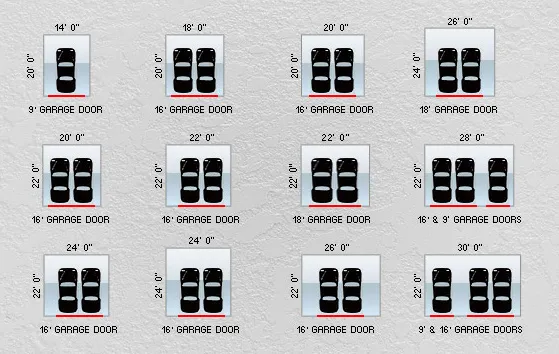
Special Garage Door Types And Their Heights
Some garage doors have unique height needs:
- Carriage-style doors: Usually available in standard heights but can be customized.
- Roll-up doors: Common in commercial settings, can be made very tall for trucks.
- Side-sliding doors: Custom heights possible, but may be limited by track design.
Always check the specs for your chosen door type.
Sample Height Comparison: Different Door Types
To see how different doors compare in height, here’s a quick summary:
| Door Type | Typical Height Range | Best For |
|---|---|---|
| Sectional overhead | 7–8 feet | Most homes |
| Roll-up | 7–14 feet | Commercial, RVs |
| Side-hinged | 7–8 feet | Older homes, style |
| Carriage | 7–9 feet | Custom, style |

International Differences In Garage Door Height
While the US uses 7 and 8 feet as the most common heights, some countries use metric sizes (for example, 2. 1 meters, about 6. 9 feet). If you’re building or buying outside the US, always check local standards.
Non-obvious Insights About Garage Door Height
Here are two things most people miss:
- The height of your garage door may be less than the inside ceiling height. Even if your garage is 10 feet tall inside, the door may only be 7 feet high unless the opening is built larger.
- Garage door openers have maximum height limits. Standard openers work up to 7 feet; for 8 feet or more, you’ll need an extension kit or a heavy-duty opener.
When To Consult A Professional
If you’re not sure about your garage door height, or your needs are unusual, don’t guess. A professional installer can measure and recommend the right size. They’ll also check local codes, handle permits, and make sure your opener will work.
Extra tip: Always ask for a full quote—including all hardware, opener, and insulation. Some companies quote only the door, which can lead to surprises later.
Where To Learn More
If you want even more detail about garage door standards, the Wikipedia page on garage doors offers a deep dive into history, materials, and design.

Frequently Asked Questions
How Tall Is A Standard Garage Door In The Us?
The standard garage door height in the United States is 7 feet (84 inches). However, many new homes use 8-foot (96 inches) doors, especially for larger vehicles. Always measure your actual opening to be sure.
Can I Fit My Suv Or Pickup Truck Through A 7-foot Garage Door?
Most standard SUVs and pickups will fit through a 7-foot door. However, some lifted or extra-large trucks may need an 8-foot door. Measure your vehicle with any racks or accessories to avoid surprises.
How Much Does It Cost To Increase Garage Door Height?
Raising a garage door height can cost from a few hundred to several thousand dollars. The price depends on structural changes, new hardware, and whether you need a custom door. Always get a professional estimate before starting.
Is It Possible To Buy A Custom Garage Door Taller Than 8 Feet?
Yes, you can order custom garage doors in almost any height, including 9, 10, 12, or even 14 feet. These are usually special orders and cost more, but are needed for RVs, boats, or commercial vehicles.
Does The Height Of A Garage Door Affect My Home’s Resale Value?
A garage with a standard or taller door can increase resale value, especially for buyers with large vehicles or special hobbies. Short garage doors may limit interest or lower offers.
Having the right garage door height makes your home more useful, flexible, and valuable. Take time to measure, plan for the future, and ask for expert advice if you’re unsure. With the right information, you’ll avoid mistakes and enjoy your garage for years to come.