
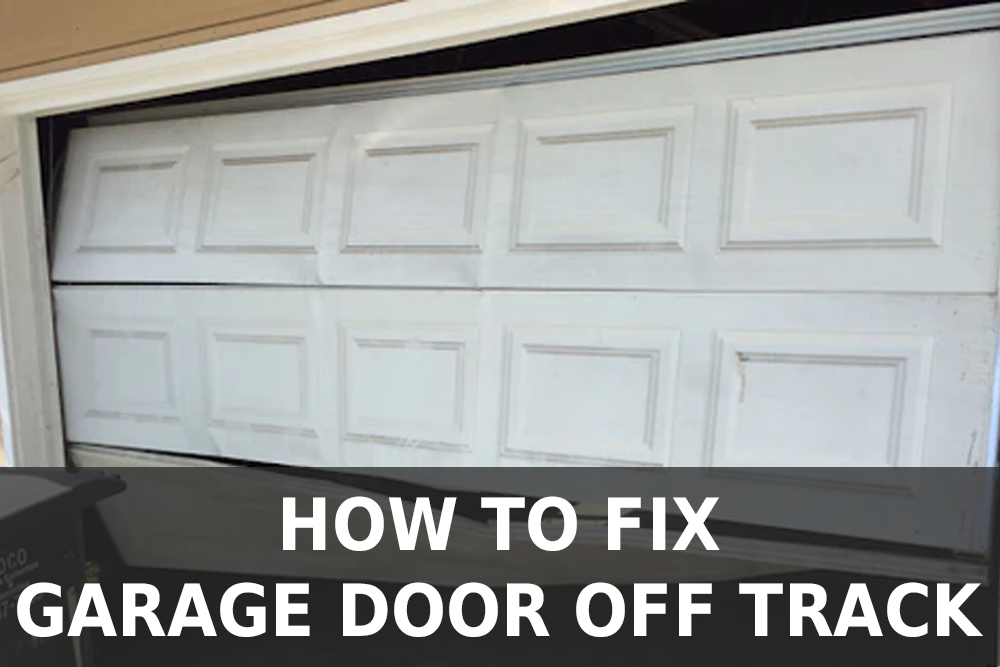
A garage door that slips off its track can leave you frustrated and worried. Maybe you heard a loud noise and now the door won’t move. Or perhaps you noticed the door is crooked and rubbing against the frame. This problem is common, but it’s also dangerous if handled without care.
Fixing a garage door off track needs the right steps, some basic tools, and a good understanding of how garage doors work. This guide will show you how to safely solve the issue, avoid common mistakes, and keep your garage door running smoothly for years.
Why Garage Doors Go Off Track
A garage door runs on metal tracks that guide its up and down movement. When a door jumps off, it means one or more rollers have come out of the track. This can happen for several reasons:
- Physical impact: Hitting the door with a car or a bicycle can force rollers off the track.
- Broken cables: Lift cables support the door’s weight. If a cable snaps, the door may tilt and derail.
- Worn rollers: Old or damaged rollers don’t stay in the tracks.
- Track misalignment: Tracks can bend or shift due to wear, poor installation, or loose bolts.
- Obstructions: Rocks, tools, or debris in the track can push rollers out.
- Spring issues: Weak or broken springs can cause uneven lifting.
Understanding the cause helps you fix the problem and prevents it from happening again.
Safety First: What You Must Know
Garage doors are heavy—often 150 to 300 pounds. They are under tension because of springs and cables. Trying to fix an off-track door without caution can lead to injury. Some important safety tips:
- Never try to repair springs or cables if you’re unsure. These are under high tension and can snap.
- Disconnect the garage door opener before repairs.
- Use the right tools. Poor tools can slip and make things worse.
- Work with someone else if possible. They can help steady the door.
- Wear gloves and safety glasses to protect your hands and eyes.
If the door is badly bent, extremely heavy, or the springs seem broken, call a professional. Do not risk your safety for a DIY fix.
Tools And Materials You’ll Need
Before you begin, collect all the necessary tools. This helps you work smoothly and reduces risks.
- Adjustable wrench or socket set
- Locking pliers (vise grips)
- Flathead screwdriver
- Hammer or rubber mallet
- Stepladder
- Level
- Clean cloth
- Lubricant (garage door spray or silicone)
- Safety gloves and glasses
Having these items on hand saves time and prevents the need to improvise with the wrong tool.
Step-by-step Guide: How To Fix A Garage Door Off Track
Let’s walk through the entire process, from preparation to final checks.
1. Stop Using The Door
If your door is off track, do not keep opening or closing it. Using the opener or pulling the door can bend tracks, damage rollers, or break cables. If the opener is connected, unplug it immediately.
2. Secure The Garage Door
An off-track door can fall or move suddenly. Here’s how to secure it:
- Pull the emergency release cord (usually a red handle) to disconnect the opener.
- If the door is stuck open, place a stepladder or wooden block under it for support.
- If the door is partially open and crooked, ask a helper to steady it.
This step prevents accidents while you work.
3. Inspect The Situation
Look closely at the door and tracks:
- Which side is off track? Is it one or both sides?
- Are the rollers damaged or just popped out?
- Are the tracks bent, loose, or blocked?
- Are cables slack, broken, or tangled?
- Do you see any broken springs?
Take photos if needed. This helps you remember the door’s position and notice all issues.
4. Open The Track
You need to create space for the rollers to re-enter the track.
- Use a wrench to loosen the bolts holding the track where the roller is out. Do not remove the bolts completely.
- With a flathead screwdriver, gently pry the track open just enough to fit the roller back in.
- Be careful not to bend the track too much. A small gap is enough.
Non-obvious insight: Many beginners try to force the roller in without loosening the bolts. This can bend the track and make things worse.
5. Guide The Rollers Back
Once the track is open, you can put the rollers back:
- Lift the door slowly so the misaligned roller lines up with the track opening.
- Gently guide the roller into the track with your fingers or a screwdriver.
- Do not force the roller or hit it hard. If it does not fit, open the track a bit more.
- When all rollers are in place, close the track with a mallet and tighten the bolts.
Repeat for any other rollers that are off track.
6. Check The Tracks
Now that the door is back on track, inspect both tracks:
- Use a level to check if the tracks are vertical and parallel.
- Tighten any loose bolts or brackets holding the tracks.
- If a track is bent, tap it gently with a mallet to straighten.
- Remove any dirt, rocks, or debris with a cloth.
Non-obvious insight: Even a small misalignment can cause the door to come off track again. Take your time with this step.
7. Check The Cables And Rollers
While you’re working, look at the lift cables and rollers:
- Cables should be tight and free of fraying or rust.
- Rollers should spin easily and not wobble.
If you see a broken cable or roller, do not try to fix it yourself unless you have experience. These parts are under tension. Call a professional for cable or spring replacement.
8. Lubricate Moving Parts
A lack of lubrication causes friction, which can force rollers out of the track over time.
- Spray garage door lubricant on the rollers, hinges, and tracks.
- Do not use WD-40 or grease. These attract dirt and make the problem worse.
- Wipe off excess lubricant with a clean cloth.
Lubrication keeps the door moving smoothly and reduces noise.
9. Test The Door Manually
Before reconnecting the opener, test the door by hand:
- Lift and lower the door slowly.
- It should move smoothly, without sticking or jumping.
- Listen for scraping or grinding sounds.
If the door sticks or wobbles, stop and check the tracks and rollers again. Do not force the door.
10. Reconnect The Opener
When you’re sure the door is working smoothly:
- Pull the emergency release cord back to reconnect the opener.
- Plug in the opener.
- Use the remote to open and close the door a few times.
Watch the door as it moves. If it shakes or jumps, stop and recheck your work.
Common Mistakes And How To Avoid Them
Fixing a garage door off track seems simple, but many people make errors that lead to bigger problems.
Forcing Rollers Into Place
Some homeowners use a hammer to force rollers back into the track. This bends the track and damages the roller. Always open the track slightly and guide the roller in gently.
Ignoring Track Alignment
If you skip checking the track with a level, the door may keep slipping off. Even a small tilt causes problems over time.
Not Checking For Broken Parts
Rollers, cables, and springs wear out. If you only put the rollers back without checking these parts, the problem will return soon.
Using The Wrong Lubricant
WD-40 and regular grease are not made for garage doors. They attract dust, which leads to jamming. Use only lubricants designed for garage doors.
Not Securing The Door
Working on an unsecured door is dangerous. It can slam shut or fall. Always use a block or ladder to keep the door stable during repairs.
When To Call A Professional
Some garage door repairs are too risky or complicated for DIY. Call a professional if:
- The door is extremely heavy or won’t move at all.
- The springs are broken or missing.
- The cables are loose, snapped, or tangled.
- The door is bent or twisted.
- You do not have the right tools or feel uncomfortable.
Garage door technicians have special tools and training to handle these dangerous parts. Attempting these repairs without experience can lead to injury or more expensive repairs.
What To Do After The Fix
Once you’ve put the garage door back on track, it’s important to keep it in good shape.
Regular Inspection
Check the tracks, rollers, and cables every month. Look for:
- Loose bolts or brackets
- Dirt or debris in the tracks
- Frayed cables or worn rollers
Catching small problems early prevents big issues later.
Lubrication Schedule
Lubricate the rollers, tracks, and hinges every 3-6 months, depending on usage and climate. In dusty or wet areas, you may need to clean and lubricate more often.
Balance Test
A well-balanced door is less likely to go off track. Here’s how to check:
- Disconnect the opener.
- Lift the door halfway and let go.
- If the door stays in place, it’s balanced.
- If it falls or shoots up, call a technician to adjust the springs.
Keep Tracks Clean
Sweep or wipe the tracks regularly to remove rocks, leaves, and other debris that can jam the rollers.
Cost Of Fixing A Garage Door Off Track
Fixing a garage door off track yourself is usually free, except for lubricant or small replacement parts. If you hire a professional, costs depend on the problem:
| Repair Type | DIY Cost | Professional Cost |
|---|---|---|
| Roller re-alignment | $0-$20 | $80-$150 |
| Track repair | $10-$30 | $125-$250 |
| Cable replacement | $20-$40 | $150-$250 |
| Spring replacement | Not DIY safe | $150-$350 |
DIY is cheaper but only safe for minor fixes. Spring and cable repairs should always be left to experts.
How To Prevent Garage Doors From Going Off Track
Prevention is easier and cheaper than repair. Here are some practical steps:
- Don’t bump the door: Be careful when driving in or out. Even a small bump can shift the track.
- Keep the tracks clean: Sweep out sand, rocks, and leaves regularly.
- Check rollers and cables: Replace worn parts before they break.
- Lubricate moving parts: Use garage door spray every few months.
- Tighten bolts and brackets: These can loosen with vibration over time.
- Schedule annual maintenance: A professional can spot issues you might miss.
Tip: If your area is prone to earthquakes or ground movement, check track alignment more often.
Comparing Diy Vs. Professional Repair
It’s important to know when to handle things yourself and when to call for help. Here’s a quick comparison:
| Aspect | DIY | Professional |
|---|---|---|
| Cost | Low (or free) | Moderate to high |
| Time | 1-2 hours | 30-60 minutes |
| Safety | Risk of injury (springs, cables) | Safe, insured |
| Result | Depends on skill | Guaranteed |
| Tools needed | Basic hand tools | Specialty tools |
DIY is fine for simple roller or track issues. For spring or cable repairs, or if you’re unsure, a professional is the safer choice.

Example: Real-world Scenario
To make things clearer, let’s look at a typical example:
John noticed his garage door was crooked after his son’s bike fell against it. The door was stuck halfway and wouldn’t close. He unplugged the opener and pulled the emergency release. Using a stepladder, he saw that one roller had come out of the track, but the tracks themselves were not bent.
John used a wrench to loosen the track bolts, opened the track with a screwdriver, and guided the roller back in. He tightened everything, lubricated the rollers, and tested the door by hand. It moved smoothly. After reconnecting the opener, the door worked perfectly.
John’s fix took about 45 minutes and cost nothing, but he knew to stop and call for help if he saw a broken cable or spring.
Extra Tips For A Long-lasting Garage Door
- Install weather seals to keep out debris and moisture.
- Use heavy-duty rollers if your door is old. These last longer.
- Don’t hang things on the door or tracks, such as bikes or tools.
- Teach kids not to play with the door or its controls.
- Check opener force settings. If the opener pushes too hard, it can force the door off track.
For more information about garage door safety and maintenance, you can visit the International Door Association.

Frequently Asked Questions
What Causes A Garage Door To Go Off Track Most Often?
The most common causes are physical impacts (like hitting the door with a car), broken lift cables, worn or damaged rollers, and track misalignment. Sometimes, debris in the track or weak springs can also lead to this problem.
Can I Fix An Off-track Garage Door Myself?
You can fix minor issues, such as rollers popping out of the track or slight misalignments, with basic tools. However, if springs or cables are damaged, or if the door is very heavy, call a professional for safety.
How Do I Know If My Garage Door Springs Or Cables Are Broken?
Check for visible gaps in the springs, slack or loose cables, and uneven lifting of the door. If the door is very heavy or won’t stay open, these are signs of broken springs or cables. Do not try to fix these yourself.
How Often Should I Lubricate My Garage Door?
Lubricate the rollers, tracks, and hinges every 3-6 months, depending on usage and environment. Regular lubrication keeps the door running smoothly and prevents future problems.
What Should I Do If The Garage Door Comes Off Track Again?
Repeat the steps in this guide if it’s a simple roller issue. If the door keeps derailing, check for misaligned tracks, worn rollers, or damaged cables. Persistent problems mean it’s time to call a professional for a thorough inspection.
Fixing a garage door off track can be simple if you follow the right steps and use caution. Regular maintenance, careful inspection, and knowing when to call for help will keep your garage door safe and reliable for years to come.