
When your garage door suddenly stops working, it often feels like an emergency. For many homeowners, a broken garage door spring is the culprit. This part does the heavy lifting—literally. But how much does it actually cost to fix a garage door spring?
The answer depends on several factors, from the type of spring to labor rates in your area. If you want to avoid being overcharged or surprised by a repair bill, it’s smart to understand the details before you call a technician.
This guide will break down every cost factor, explain what influences the price, and help you make the right decision for your home and budget.
What Is A Garage Door Spring And Why Does It Matter?
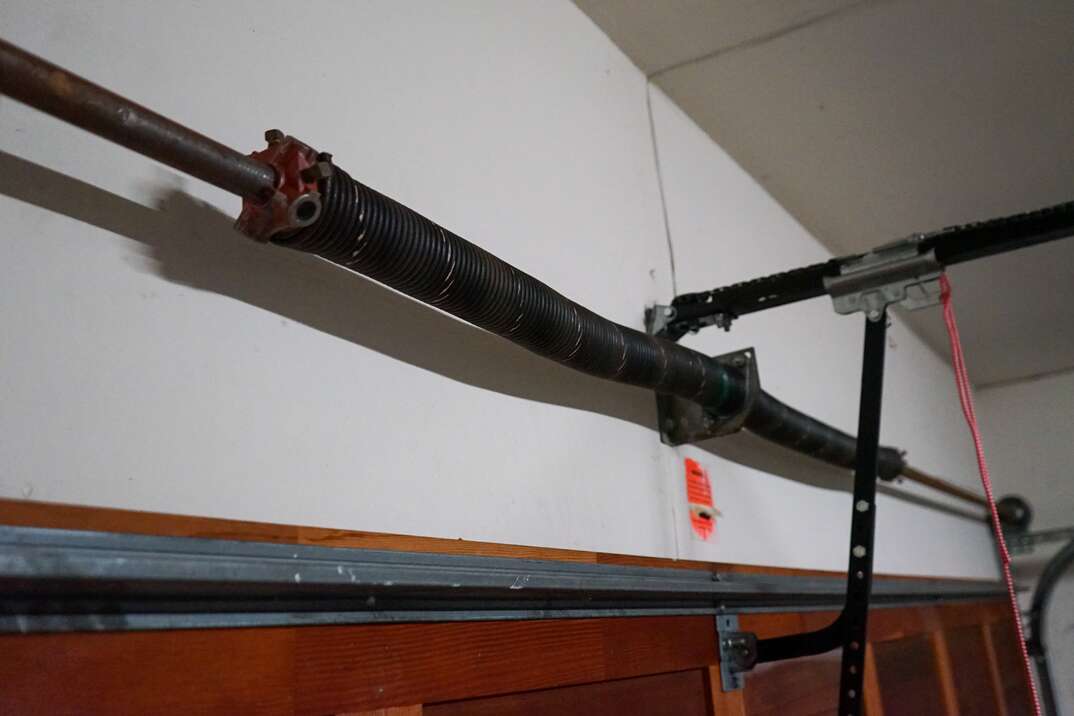
A garage door spring is a key part that helps lift and lower your garage door easily. Without it, the door is too heavy for most people to move. There are two main types:
- Torsion springs: Located above the door, they twist to create force.
- Extension springs: Found on either side of the door, they stretch as the door moves.
Over time, these springs wear out. If one breaks, the door can get stuck, or worse—it can slam shut unexpectedly. This is more than just an inconvenience; it can be dangerous. Repairing the spring quickly is essential for safety and for your daily routine.
Average Cost To Fix Garage Door Spring
Most homeowners pay between $150 and $350 to fix a garage door spring. This price usually includes the spring itself and labor. But, not all repairs are the same. Here is a closer look at what you can expect:
- Low-end: Around $100 for simple extension spring replacement.
- Mid-range: $180–$250 for typical torsion spring repair.
- High-end: $300–$400 for heavy-duty doors or specialty springs.
The national average is about $220. This can change based on your location, the type of spring, and the company you hire.
Example Price Comparison
Here is a simple comparison of costs by spring type:
| Spring Type | Typical Cost (Parts + Labor) |
|---|---|
| Torsion Spring | $180 – $350 |
| Extension Spring | $100 – $200 |
| Specialty Spring | $250 – $400 |
Costs can be higher if your door is unusually heavy, oversized, or custom-made.

What Factors Affect The Cost?
No two garage door repairs are exactly alike. Several things can change the price—sometimes by a lot. Understanding these factors will help you budget and negotiate with repair companies.
1. Type Of Spring
Torsion springs are more expensive than extension springs. Torsion springs last longer and handle more cycles (openings and closings), but their installation is more complex and requires more skill. Specialty springs or high-tension options for heavy doors cost even more.
2. Number Of Springs
Most garage doors have one or two springs. Some technicians recommend replacing both if one breaks, since the second is likely to fail soon. This can double the cost, but may save you money and hassle later.
3. Door Size And Weight
Heavier or larger doors need stronger springs, which are more expensive. For example, a double garage door or one made of solid wood will require bigger, pricier springs.
4. Labor Costs
Labor is a big part of the total price. Professional technicians often charge between $75 and $150 per hour. The job usually takes 1–2 hours, but can be longer for complex repairs.
5. Location
Prices are higher in big cities and areas with a high cost of living. Rural areas may have lower prices, but fewer specialists.
6. Emergency Or After-hours Service
If your garage door breaks at night or on a weekend, expect extra fees. Emergency services can add $50 to $100 or more to your bill.
7. Warranty And Quality Of Parts
High-quality springs with a longer warranty cost more upfront, but can save you money over time. Cheaper parts may fail sooner, leading to more repairs.
Detailed Breakdown: Torsion Vs Extension Spring Costs
Understanding the difference between torsion and extension springs helps you predict your repair cost.
Torsion Spring Costs
Torsion springs are installed horizontally above the garage door opening. They are more common in newer doors and last longer—often 10,000 cycles or more.
- Parts cost: $50–$100 per spring
- Labor cost: $100–$200
- Total cost: $180–$350
Torsion spring replacement is more technical. It requires special tools and safety knowledge, which is why labor costs are higher.
Extension Spring Costs
Extension springs stretch along the tracks on either side of the door. They are common in older homes.
- Parts cost: $20–$50 per spring
- Labor cost: $80–$150
- Total cost: $100–$200
These are cheaper to replace, but do not last as long—usually around 7,000 cycles.
Cost Comparison Table
Here’s a side-by-side look at typical costs:
| Spring Type | Parts Cost | Labor Cost | Total Cost | Lifespan (Cycles) |
|---|---|---|---|---|
| Torsion Spring | $50–$100 | $100–$200 | $180–$350 | 10,000+ |
| Extension Spring | $20–$50 | $80–$150 | $100–$200 | 7,000 |
Signs Your Garage Door Spring Needs Replacement
Knowing when to replace your garage door spring can save you bigger headaches (and costs) later. Here are some signs:
- Door won’t open or only opens a few inches.
- Loud bang from the garage—this is the sound of the spring breaking.
- Cables look loose or dangle.
- Door closes too fast or slams shut.
- Gaps in the spring—torsion springs will have a visible break.
Trying to force the door open can damage the opener or other parts. Never try to fix the spring yourself unless you have the right tools and experience.
Why Professional Repair Is Usually Best
Replacing a garage door spring is dangerous. These springs are under high tension and can cause injury if handled wrong. Here’s why hiring a pro is smart:
- Safety: Experts know how to release tension safely.
- Correct parts: They choose the right spring for your door’s weight.
- Warranty: Repairs often come with a guarantee.
- Speed: Most pros finish the job in 1–2 hours.
DIY repairs are possible but risky. A mistake can lead to more expensive repairs or even serious injury.
How To Choose A Garage Door Repair Company
Not all repair companies are equal. Choosing wisely protects your wallet and your safety. Here are some tips:
- Check reviews and ratings on sites like Google or the Better Business Bureau.
- Ask for a written estimate before work begins.
- Confirm insurance and licensing—this protects you if something goes wrong.
- Compare warranties—some offer longer coverage on parts or labor.
- Look for transparent pricing—avoid companies that give vague answers.
Beware of prices that seem too low. Some companies use low rates to lure you in, then add surprise charges later.
Cost To Replace Both Springs Vs One
Many garage doors have two springs, even if only one is broken. It’s common to replace both at the same time. Here’s why:
- Even wear: If one is worn out, the other is likely close behind.
- Prevents future breakdowns: Saves you another service call soon after.
- Balanced door: New and old springs can create uneven tension, hurting your opener.
The cost to replace both springs is usually 1.5 to 2 times the price of a single spring repair. For example, if one torsion spring replacement is $220, expect $330–$400 for both.

Additional Costs That May Apply
Sometimes, fixing the spring reveals other problems. Here are extra costs to watch for:
- Cable replacement: $75–$150. Cables often wear out with springs.
- Roller replacement: $100–$200 if rollers are noisy or worn.
- Door adjustment: $50–$100. Doors need balancing after spring repair.
- Tune-up/inspection: $50–$80 for a full check-up.
Always ask for a complete quote before work starts. Some companies offer package deals, which can save money if multiple repairs are needed.
How To Save Money On Garage Door Spring Repair
You don’t have to overspend to get quality repair. Here are some ways to reduce costs:
- Get multiple quotes: Prices can vary by $50–$100 between companies.
- Avoid emergency service: If possible, schedule repairs during regular hours.
- Ask about warranties: A longer warranty can save you money if the spring fails early.
- Maintain your door: Regular lubrication and inspection help springs last longer.
- Check for coupons: Some companies offer online discounts for new customers.
A non-obvious tip: Some homeowners’ insurance or home warranty plans may cover spring repairs. Check your policy before you pay out of pocket.
Diy Vs Professional Repair: True Costs And Risks
Many people wonder if they can save money by fixing a garage door spring themselves. While it’s possible, it’s rarely worth the risk.
Diy Costs
- Spring kit: $30–$100 for parts.
- Tools: $20–$50 if you don’t already own winding bars and safety gear.
- Time: 2–4 hours for most beginners.
- Risk: High. Springs under tension can cause serious injury.
Professional Costs
- Total: $150–$350, but you get experience, safety, and a warranty.
Comparison Table
Here’s how DIY and professional repair stack up:
| Option | Cost | Safety | Time Required | Warranty |
|---|---|---|---|---|
| DIY | $50–$150 | Unsafe for most | 2–4 hours | No |
| Professional | $150–$350 | Safe | 1–2 hours | Yes |
A hidden cost with DIY: If you make a mistake, you could damage the opener or door—leading to repairs that cost much more than hiring a professional.
Real-world Examples: Garage Door Spring Repair Costs
To give you a better idea, here are some real quotes and experiences from homeowners:
- John in Dallas: Paid $210 to replace a single torsion spring. Local company, done in 90 minutes.
- Maria in Los Angeles: Paid $350 for both springs plus new cables on a double door. Technician found extra wear during inspection.
- Liam in Chicago: Was quoted $130 for an extension spring, but after-hours service added $80. Total bill: $210.
- Sophie in Atlanta: Tried a DIY kit for $60 but ended up calling a pro after struggling. Final cost: $220 plus the lost kit fee.
Notice how location, door type, and extra repairs change the total price.
How Long Do Garage Door Springs Last?
Garage door springs are rated by cycles—one cycle is an open and close. Most standard springs last about 7,000 to 10,000 cycles. For a family that uses the garage door four times a day, that’s about 7 years.
- High-cycle springs: Last up to 20,000 cycles, but cost more.
- Heavy use: Homes with multiple cars or frequent use may need replacement sooner.
A tip most people miss: A well-maintained door (lubrication, balance checks) can add years to your springs’ life.
Warning Signs Of A Bad Repair Company
Not every repair service is trustworthy. Here’s what to watch out for:
- Unusually low prices: May signal hidden fees or poor-quality parts.
- No written estimate: Always get costs in writing.
- No warranty offered: Reputable companies stand by their work.
- High-pressure sales: If they push extra services hard, be cautious.
- Lack of credentials: Check for licensing and insurance.
A good company will answer your questions clearly and offer fair, upfront prices.
The Importance Of Quality Parts
Not all springs are the same. High-quality springs are made from better steel and last longer. Here’s why this matters:
- Longer life: Fewer repairs over time.
- Better performance: Door opens and closes smoothly.
- Warranty coverage: Premium parts often include better warranties.
It’s tempting to save money with cheap parts, but you may end up paying more in the long run.
What To Expect During A Garage Door Spring Repair
If you’ve never hired a garage door technician, here’s what usually happens:
- Inspection: The technician checks your springs, cables, and opener.
- Estimate: You get a written quote for parts and labor.
- Spring removal: The old, broken spring is safely removed.
- New spring installation: The right type and size is fitted.
- Balancing and testing: The door is tested to ensure smooth operation.
- Cleanup: Old parts are removed and the area is tidied.
The whole process usually takes 1 to 2 hours.
Can You Prevent Future Spring Breaks?
While no spring lasts forever, you can make them last longer:
- Lubricate springs and rollers every 6 months.
- Check door balance—if it’s hard to lift by hand, call a pro.
- Avoid slamming the door shut.
- Schedule annual maintenance—some companies offer tune-up plans.
These steps cost little and can add years to your springs’ lifespan.
Should You Upgrade To High-cycle Springs?
Some companies offer high-cycle springs, rated for 20,000 or more cycles. They cost $50–$100 extra but can double the life of your repair. This upgrade is smart if:
- You use your garage door often (more than 4 times daily).
- You plan to stay in your home for many years.
- You want fewer repairs and less hassle.
For most homeowners, the extra investment pays off in peace of mind and fewer surprises.
Insurance And Warranty Coverage
Garage door springs are usually not covered by standard homeowners insurance unless damage was caused by a covered event (like a fire). However, some home warranty plans include springs as part of their appliance coverage.
Ask your warranty provider before you pay out of pocket. Always keep your repair receipts—some warranties require proof of professional service.
Environmental And Recycling Factors
Old garage door springs are made of steel and can often be recycled. Ask your technician if they recycle the old parts. This reduces waste and may even save you a small disposal fee.
Expert Tip: Schedule Repair Before Complete Failure
Many homeowners wait until the spring breaks completely. But if your door is getting heavy, makes loud noises, or has visible wear, call for service sooner. Early repair can be cheaper and prevents emergency fees.
Frequently Asked Questions
How Do I Know If My Garage Door Spring Is Broken?
If your garage door will not open, opens only a few inches, or you hear a loud bang from the garage, your spring may be broken. Another sign is a visible gap in the spring or loose cables.
Can I Replace A Garage Door Spring Myself?
DIY spring replacement is possible but dangerous. Springs are under high tension and can cause injury. Most experts recommend hiring a professional for safety.
Does Homeowners Insurance Cover Garage Door Spring Repair?
Most policies do not cover normal wear and tear on springs. However, damage from specific events (like storms) may be covered. Check your policy or call your insurer for details.
How Long Does Garage Door Spring Repair Take?
Most professional repairs take 1–2 hours. Complex cases or additional repairs can add time.
Should I Replace Both Springs If Only One Is Broken?
Yes, it is usually best to replace both springs at the same time. If one has failed, the other is likely worn out and may break soon.
If you want to learn more about garage door mechanics and repairs, you can visit this Wikipedia page for deeper background.
Fixing a garage door spring is a necessary, sometimes urgent repair for homeowners. By understanding the costs, knowing what to expect, and choosing a reputable company, you can keep your home safe and avoid unexpected expenses. Remember—investing in quality parts and professional service now saves you money and stress later.