
Now Reading: Garage Door Opener Does Not Work In Cold Weather
- 01
Garage Door Opener Does Not Work In Cold Weather

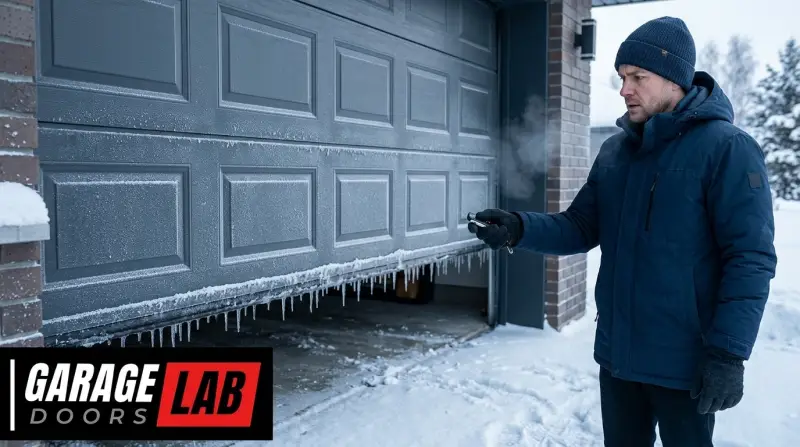
The sudden silence of a malfunctioning garage door opener on a frigid morning can be more than an inconvenience; it can be a genuine disruption to your day. When the temperature plummets, garage door openers, like many mechanical and electronic devices, can become temperamental.
This isn’t usually a sign of a major breakdown, but rather a common reaction to the cold. Understanding the common culprits behind a garage door opener’s refusal to work in cold weather, and knowing how to troubleshoot them, can save you time, frustration, and potentially the cost of an unnecessary service call.
This comprehensive guide will walk you through the most frequent reasons your garage door opener might be acting up in the cold, offering practical solutions and preventative measures. From the simple impact of temperature on lubricants and batteries to more complex issues with sensors and electrical components, we’ll cover it all to help you get your garage door operating smoothly again, no matter the mercury’s reading.
Key Takeaways
- Lubrication is Crucial: Cold temperatures can thicken lubricants, making it harder for moving parts to operate smoothly.
- Battery Performance Decreases: Extreme cold can significantly reduce the effectiveness of batteries in remotes and backup systems.
- Expansion and Contraction: Metal and plastic components can expand or contract in the cold, affecting alignment and sensor function.
- Sensor Issues: Ice, snow, or condensation on safety sensors can obstruct the beam, preventing operation.
- Motor Strain: A stiffened opener chain or door mechanism can put extra strain on the motor.
- Electrical Components: Extreme cold can sometimes affect the performance of electronic circuit boards.
- Regular Maintenance is Key: Proactive maintenance, especially before winter, can prevent most cold-weather issues.
Credit: www.aedoorsales.com
The Impact Of Cold On Garage Door Opener Components
Winter’s chill doesn’t discriminate; it affects every part of your garage door system, from the smallest remote battery to the largest motor. The primary reason for this is the physical properties of the materials involved. Temperature fluctuations cause materials to expand when warm and contract when cold. This seemingly minor change can have significant ripple effects on a complex electromechanical system like a garage door opener.
Lubricants And Their Cold-weather Behavior
One of the most common victims of cold weather is the lubricant used on the garage door’s moving parts, including the tracks, springs, and the opener’s chain or screw drive. Most standard lubricants, especially petroleum-based ones, thicken considerably as temperatures drop. Think of how honey or cooking oil becomes viscous and slow-moving in the refrigerator. The same principle applies here.
When lubricants thicken, they create increased friction. This makes it harder for the garage door to move freely. The opener motor then has to work significantly harder to overcome this resistance. In very cold conditions, the lubricant can become so stiff that it almost acts like a brake, preventing the door from moving at all. This is why you might hear the opener motor straining or buzzing but the door doesn’t budge.
Battery Performance In Low Temperatures
If your garage door opener relies on batteries, whether in the remote control, a wireless keypad, or a backup power system, cold weather can be a significant drain on their performance. Batteries, particularly alkaline ones, are chemical devices. Chemical reactions slow down in the cold. This means the battery’s ability to deliver power diminishes.
You might notice your remote control becoming less responsive, requiring you to be closer to the opener unit or press the button multiple times. In some cases, a weak battery combined with the extra strain from cold-affected lubricants can be enough to prevent the opener from functioning altogether.
For backup battery systems, cold can drastically shorten their operational time or even render them unable to provide power when needed. According to the U. S. Department of Energy, battery capacity can decrease by as much as 50% at freezing temperatures.
Metal And Plastic Expansion And Contraction
The garage door itself, along with its tracks and the opener’s components, is made of various metals and plastics. These materials naturally expand and contract with temperature changes. While designed to accommodate some movement, extreme cold can push these tolerances to their limits.
- Metal Tracks: Steel tracks can contract, potentially causing them to warp slightly or become tighter. If the tracks become misaligned due to contraction, the rollers might bind, creating resistance.
- Plastic Components: Some gears, sensors, or housing components are made of plastic. Cold can make plastic more brittle and prone to cracking or warping.
- Springs: Torsion springs, under immense tension, can also be affected by extreme cold, though their primary issues are usually wear and tear. However, the metal they are made of will contract.
These physical changes can lead to misalignments that affect the smooth operation of the door and the opener’s ability to engage and move it.
Common Cold-weather Garage Door Opener Problems And Solutions
When your garage door opener suddenly stops working in the cold, it’s often due to one of the issues discussed above. Fortunately, many of these problems have straightforward fixes that you can often perform yourself.
Problem 1: Opener Motor Hums, But Door Doesn’t Move
This is perhaps the most classic sign of cold weather affecting your garage door opener. The motor is receiving power and trying to engage, but it can’t overcome the resistance.
H3: Stiffened Lubricants And Friction
As mentioned, cold thickens lubricants. This increased friction on the tracks, rollers, springs, and opener chain/screw drive makes it difficult for the motor to lift or lower the door.
Solution:
- Lubricate: The most effective solution is to apply a garage door-specific lubricant (often silicone-based or a lithium-grease spray) to all moving parts. This includes the rollers, hinges, springs, and the opener’s chain or screw. Avoid using WD-40 for this purpose, as it’s a solvent and water displacer, not a long-term lubricant for these applications. For detailed steps, refer to our guide on how to lube garage door rollers.
- Manual Operation Test: Disengage the opener from the door using the emergency release cord (usually a red handle hanging from the opener trolley). Try to lift and lower the door manually. It should move relatively smoothly. If it’s still very stiff, you may need to clean off old, gummy lubricant and reapply fresh, cold-weather-appropriate lubricant.
- Opener Chain/Screw Drive: If you have a chain drive, ensure the chain isn’t overly taut due to contraction. You might need to slightly loosen it if it’s binding. For screw drives, lubrication is key. For chain drive adjustments, see our guide on how to adjust chain on garage door opener.
Pro Tip: Use lubricants specifically designed for cold temperatures or general-purpose silicone sprays that maintain their viscosity in a wide temperature range.
Problem 2: Remote Control Or Keypad Not Working
Your remote or keypad might suddenly become unresponsive, leaving you locked out or unable to open the garage door.
H3: Weak Or Dead Batteries
Cold temperatures significantly reduce the efficiency of batteries. The chemical reactions inside are slowed, meaning less electrical current is produced.
Solution:
- Replace Batteries: The simplest solution is to replace the batteries in your remote control and keypad with fresh, high-quality batteries. Opt for reputable brands known for better performance in cold weather.
- Check Opener Unit Battery: If your opener has a backup battery, cold can also affect its performance. Check if the backup battery is charged and functioning correctly. Some openers will indicate a low backup battery status with an LED light.
- Reset Remote/Keypad: In some cases, a temporary glitch might occur. Try resetting your remote or keypad. For LiftMaster remotes, consult how to reset LiftMaster garage door opener remote. For Genie keypads, refer to how to reprogram Genie garage door keypad. General reset procedures can be found at how do I reset my garage door opener.
H3: Signal Interference
While less common, extreme cold can sometimes affect the electronic components responsible for transmitting and receiving signals.
Solution:
- Clear Obstructions: Ensure there are no new obstructions between the remote and the opener’s antenna.
- Check Antenna: Make sure the opener’s antenna wire (usually hanging from the motor unit) is not damaged or obstructed.
- Reprogramming: If all else fails, reprogramming the remote or keypad to the opener unit can resolve communication issues. Consult your opener’s manual or specific guides like how to reset garage door remote Craftsman or how to reset garage door keypad easily.
Problem 3: Safety Sensors Are Blocked Or Malfunctioning
The infrared safety sensors at the bottom of your garage door tracks are crucial for preventing the door from closing on an obstruction. Ice, snow, or even condensation can interfere with their operation.
H3: Ice, Snow, Or Condensation On Sensors
When temperatures drop below freezing, moisture can condense on the sensor lenses or freeze into ice or snow. This physically blocks the infrared beam that needs to pass between the two sensors for the door to close.
Solution:
- Clear Obstructions: Visually inspect both sensors. Gently wipe away any ice, snow, or condensation from the lenses using a soft, dry cloth. A de-icer spray (automotive type, safe for plastics) can be used sparingly if ice is persistent, but ensure it doesn’t drip onto electrical components.
- Check Alignment: Cold temperatures can sometimes cause the sensor brackets to shift slightly, misaligning the sensors. Ensure they are pointing directly at each other. Most sensors have small indicator lights that show alignment status (usually solid green or amber when aligned, flashing when not).
- Sensor Heater Kits: For areas with frequent freezing conditions, consider installing sensor heater kits. These small heating elements attach to the sensors and prevent ice and condensation buildup.
H3: Sensor Wiring Issues
Cold can sometimes make wires brittle, and if the wiring to the sensors is exposed or damaged, it might be compromised.
Solution:
- Inspect Wiring: Carefully examine the wiring leading to both sensors for any signs of damage, such as cuts, nicks, or fraying. Ensure connections are secure.
- Professional Inspection: If you suspect wiring damage and are uncomfortable handling electrical components, it’s best to call a qualified garage door technician.
Problem 4: Opener Chain Or Belt Slips Or Jumps
If you have a chain or belt drive opener, the cold can affect the tension and lubrication of the chain or belt.
H3: Chain/belt Tension And Lubrication
A chain that is too loose can slip off its sprocket, especially when the motor is under strain from cold-stiffened door parts. A belt can also lose some of its grip.
Solution:
- Check Tension: Refer to your opener’s manual for instructions on checking and adjusting chain or belt tension. Over-tightening can also cause problems, so follow the manufacturer’s guidelines precisely. An improperly adjusted chain can be a significant issue; consult how to adjust chain on garage door opener for detailed steps.
- Lubricate Chain: If you have a chain drive, ensure the chain itself is lightly lubricated with a suitable chain lubricant (not all-purpose oil). This helps it move smoothly over the sprocket.
- Inspect Belt: For belt drives, inspect the belt for any signs of wear, cracking, or fraying. If the belt appears damaged, it may need replacement.
Problem 5: Motor Overheating Or Tripping Breaker
When the motor struggles excessively due to cold-induced resistance, it can overheat. Many openers have thermal overload protection that will shut the motor down to prevent damage.
H3: Thermal Overload Protection
The opener’s motor has an internal mechanism that shuts it off if it gets too hot from prolonged strain.
Solution:
- Allow to Cool: If the opener has shut down, wait for it to cool down for 15-30 minutes.
- Address Underlying Resistance: Once cooled, perform the lubrication steps mentioned earlier to reduce friction. This is the most critical step to prevent repeated overheating.
- Check Electrical Connections: Ensure the opener is properly plugged in and that the circuit breaker for the garage outlet hasn’t tripped. If it trips again immediately after resetting, there might be an electrical issue with the opener itself or the wiring, requiring professional attention.

Credit: www.clopaydoor.com
Preventative Maintenance For Cold Weather Performance
The best way to deal with a garage door opener that doesn’t work in cold weather is to prevent the problems from occurring in the first place. Proactive maintenance is key to ensuring year-round reliability.
H2: Regular Lubrication Schedule
Don’t wait for the first freeze to think about lubrication. Making it a part of your routine maintenance, perhaps twice a year (spring and fall), can make a world of difference.
- Spring/Fall Tune-up: In my experience, a spring tune-up is ideal. Lubricate all moving parts of the garage door system, including hinges, rollers, springs, and the opener’s chain or screw drive.
- Use the Right Lube: Always use garage door-specific lubricants or high-quality silicone sprays. These are designed to perform across a wide temperature range and won’t attract dirt and dust like some other lubricants. For detailed guidance, you can refer to our article on how do you lubricate garage door rollers.
- Clean First: Before applying new lubricant, clean off any old, gummy residue. This ensures the new lubricant can reach the metal-on-metal contact points effectively.
H2: Inspect And Test Safety Features
Regularly check your safety sensors and the auto-reverse function.
- Sensor Alignment Test: Periodically test your safety sensors by placing an object (like a broom handle) in their path while the door is closing. The door should immediately stop and reverse. Ensure the indicator lights on the sensors are functioning correctly.
- Auto-Reverse Test: Test the door’s auto-reverse feature by placing a piece of wood (about 1.5 inches thick) on the ground in the door’s path. When the door hits the wood, it should reverse. This is a critical safety check.
H2: Battery Checks And Replacements
Don’t overlook the batteries in your remotes and keypads.
- Remote Batteries: Replace remote control batteries at least once a year, or sooner if you notice diminished range or responsiveness.
- Backup Batteries: If your opener has a backup battery, test it annually. Most backup batteries have a lifespan of 3-5 years and should be replaced proactively. Check your owner’s manual for specific testing procedures.
H2: Check Door Balance And Alignment
A well-balanced door operates more smoothly and puts less strain on the opener.
- Manual Operation: Disengage the opener and manually operate the door. It should lift and lower with moderate effort and stay open about halfway when you let go. If it slams shut or is extremely heavy, the spring system may need adjustment by a professional.
- Track Alignment: Ensure the garage door tracks are straight and free of obstructions. Misaligned tracks can cause rollers to bind, increasing resistance.
H2: Consider Weather Seals And Insulation
While not directly related to the opener’s function, the condition of your garage door’s weather seals and insulation can indirectly impact cold-weather performance.
- Seal Gaps: Worn or damaged weather seals around the perimeter of the door allow cold air to infiltrate the garage. This can exacerbate the cold affecting the opener’s components. Replacing or repairing seals can help maintain a slightly warmer internal garage temperature.
- Insulation: Insulating your garage door can also help mitigate extreme temperature fluctuations within the garage, providing a more stable environment for the opener and door mechanisms.

Credit: www.reddit.com
Understanding Different Opener Types In Cold Weather
While the core principles of cold weather impact remain the same, there can be subtle differences in how various types of garage door openers (chain drive, belt drive, screw drive, direct drive) behave in the cold.
H3: Chain Drive Openers
Chain drives are common and rely on a metal chain to move the trolley.
- Cold Impact: The chain itself can become stiff, and the lubricant on it can thicken. The sprocket can also be affected.
- Troubleshooting: Focus on lubricating the chain and ensuring proper tension. If the chain is very stiff, manual operation might be difficult.
H3: Belt Drive Openers
Belt drives use a rubber belt, often reinforced with steel.
- Cold Impact: The rubber belt can become less flexible and potentially stiffer in extreme cold. While generally quieter and smoother than chain drives, a stiff belt can still increase resistance.
- Troubleshooting: Ensure the belt is in good condition (no cracks or fraying) and properly tensioned. Lubrication is generally not required for the belt itself, but the trolley mechanism should still be lubricated.
H3: Screw Drive Openers
These openers use a threaded metal rod to move the trolley.
- Cold Impact: The screw rod and the trolley mechanism (including gears) are the primary areas affected. Lubricant on the screw rod can thicken significantly.
- Troubleshooting: Thoroughly clean and lubricate the screw rod with a cold-weather-appropriate lubricant. Ensure the trolley gears are also clean and lubricated.
H3: Direct Drive Openers
In these systems, the motor is directly attached to the drive mechanism (e. g. , a rotating shaft).
- Cold Impact: The primary concern is the motor itself and any associated gears or bearings. Extreme cold can affect the motor’s internal components and lubricants.
- Troubleshooting: Lubrication of any exposed gears or shafts is crucial. Ensure the motor unit is not exposed to excessive moisture or drafts.
A comparison of common opener types highlights their different mechanisms and potential cold-weather sensitivities:
| Opener Type | Primary Mechanism | Cold-Weather Vulnerability | Typical Solution |
|---|---|---|---|
| Chain Drive | Metal chain moving trolley | Chain stiffness, lubricant thickening, sprocket engagement | Lubricate chain and sprockets, check tension |
| Belt Drive | Reinforced rubber belt moving trolley | Belt stiffness, trolley mechanism resistance | Inspect belt condition, lubricate trolley |
| Screw Drive | Threaded rod moving trolley | Screw rod lubricant thickening, trolley gear stiffness | Lubricate screw rod and trolley gears |
| Direct Drive | Motor directly drives shaft/mechanism | Motor internal components, gear lubricants | Lubricate any exposed gears/shafts |
When To Call A Professional
While many cold-weather garage door opener issues are DIY-friendly, there are times when you should seek professional help.
H3: Persistent Problems After Troubleshooting
If you’ve tried the basic lubrication and troubleshooting steps and the opener still isn’t working, it might indicate a more serious issue.
- Motor Failure: The motor itself could be failing, especially if it’s an older unit that has been working harder in the cold.
- Electrical Faults: Issues with the internal circuitry, capacitors, or wiring within the opener unit can cause malfunctions that are not related to temperature.
H3: Safety Concerns
Garage door systems operate under significant tension, particularly the springs.
- Spring Issues: If you suspect a problem with your garage door springs (e.g., the door is unbalanced, or a spring appears broken), do not attempt to fix it yourself. Spring replacement is dangerous and requires specialized tools and knowledge.
- Opener Unit Damage: If the opener unit itself appears damaged, is making unusual grinding noises, or emits smoke, disconnect power immediately and call a professional.