
If you are planning to buy a new garage door, renovate your garage, or simply want to know if your vehicle will fit, you might ask: How tall is a garage door? This question is more important than it seems. The height of a garage door affects what you can store, your car size, and even your home’s resale value. Yet, many people are surprised to find there is no single “standard” height. In this guide, you’ll learn about typical garage door heights, what factors influence them, how to measure, and what to consider if you need something custom. Whether you have a compact car, a tall van, or even an RV, you’ll find detailed answers here to make sure you get the right fit.
Why Garage Door Height Matters
The height of your garage door is not just about looks. It plays a big part in practical use and safety. If the door is too short, you might damage your vehicle or other items. If it’s too tall, you might waste energy and money heating or cooling your garage. Plus, the right height makes daily use easy and smooth.
A common mistake is to guess the garage door height or only measure the width. But a few inches can make a big difference. For example, a pickup truck with a roof rack may not fit under a door that is just an inch too low.
Once you install a door, changing its height later is expensive and difficult.
Common Garage Door Heights
Most people believe there is a single standard garage door height. In reality, there are several common sizes, but they depend on garage type and use. Let’s look at the most typical heights in US homes.
| Garage Type | Common Door Height (feet) | Common Door Height (inches) |
|---|---|---|
| Single Car Garage | 7, 8 | 84, 96 |
| Double Car Garage | 7, 8 | 84, 96 |
| RV Garage | 10, 12, 14 | 120, 144, 168 |
| Commercial Garage | 12, 14, 16 | 144, 168, 192 |
Single Car Garage Doors
Most single car garage doors in the US are 7 feet (84 inches) tall. Some homes use 8 feet (96 inches) for extra space. This size fits most sedans, SUVs, and small trucks.
Double Car Garage Doors
Double doors usually match single doors in height—7 or 8 feet are still most popular. The difference is in the width, not height.
Rv And Oversized Garage Doors
If you own a recreational vehicle (RV) or a tall van, you need a higher door. Common sizes are 10 feet, 12 feet, or even 14 feet tall. This allows easy entry for campers, trailers, and tall work trucks.
Commercial Garage Doors
For businesses, garage doors can be 12 feet, 14 feet, or higher. These handle delivery trucks, box vans, and equipment. Homeowners with large boats or special needs may also choose these sizes.
Standard Garage Door Heights: What You’ll Find At Stores
If you visit a big hardware store or garage door dealer, you’ll likely see these sizes:
- 7 feet (84 inches)
- 8 feet (96 inches)
- 10 feet (120 inches)
- 12 feet (144 inches)
- 14 feet (168 inches)
Most manufacturers keep these heights in stock for fast delivery. Odd sizes, like 9 feet or 11 feet, are less common and may be special order.
Why are 7 and 8 feet so common? These heights match most US house designs from the past 70 years. They fit average cars and are easier to build, install, and automate.
How To Measure Your Garage Door Height
It’s easy to make a mistake when measuring. Here’s how to do it right:
- Clear the area. Move any items away from the inside of the garage door.
- Use a tape measure. Measure from the finished floor (not bare concrete if you plan to add flooring) up to the lowest point of the finished opening.
- Measure both sides. Sometimes, the floor is not perfectly level. Check both left and right sides.
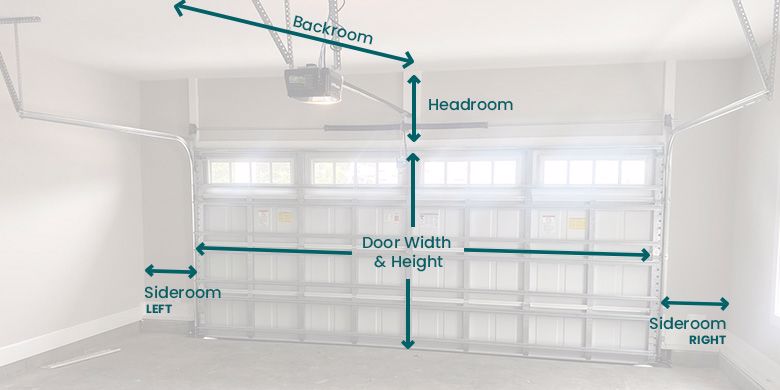
- Note the opening, not the door. The true height is the open space, not the physical door panel.
Pro tip: If you plan to add a new floor or change the garage ceiling, measure after those changes.
Factors That Affect Garage Door Height
Not every garage can fit a tall door. Several things can limit or change the possible height:
Ceiling Height
Your garage ceiling must be higher than the door opening. Most doors need at least 12 inches of space above the door opening for tracks and openers. If your ceiling is low, you may need a shorter door.
Door Type
Some doors, like roll-up doors or sectional doors, need more overhead space. Tilt-up doors swing outward and need clear space in front, but less above.
Garage Construction
Older homes may have shorter garage openings. Newer homes often allow for 8-foot doors or more. If your garage was converted or is attached to another structure, you may have odd sizes.
Local Building Codes
Some towns have rules about garage door sizes. Always check with your city or county before ordering a door.
Vehicle Size
If you drive a tall SUV, pickup, or van, measure your vehicle’s roof and any racks. Add 2-3 inches for safety. For RVs or boats, allow even more space.
Garage Door Height Vs. Width
People sometimes confuse height with width. Here’s a quick comparison:
| Door Type | Typical Height (ft) | Typical Width (ft) |
|---|---|---|
| Single Car Door | 7 or 8 | 8 or 9 |
| Double Car Door | 7 or 8 | 16 or 18 |
| RV Door | 10-14 | 12-16 |
Key point: Width and height are chosen separately. You can have a tall, narrow door or a wide, short door. Always measure both.
Custom Garage Door Heights
Sometimes, standard sizes do not work. You might need a custom height for:
- Very tall vehicles
- Unique garage designs
- Historic homes with odd shapes
Custom doors can be built to almost any height. However, they cost more and take longer to make. Also, parts like springs and openers may need special order.
Tip: Before ordering a custom height, check if you can change the garage opening to fit a standard door. It’s usually cheaper.
Garage Door Heights For Special Vehicles
Different vehicles require different heights. Here’s what you need to know for common types:
Suvs And Pickup Trucks
Most SUVs and pickups fit under a 7-foot door. But if you have a roof box, light bar, or lifted suspension, you may need 8 feet.
Vans And Work Trucks
Full-size vans, cargo vans, and some work trucks may not fit a 7-foot door. 8 feet is safer. Always measure the highest point, including racks or ladders.
Recreational Vehicles (rvs)
Most RVs need 10-14 feet of clearance. Measure the air conditioner, satellite, or other roof extras. Many RV garages use 12 or 14 feet as the door height.
Boats On Trailers
A boat on a trailer can be surprisingly tall. Measure the highest point, and don’t forget the trailer winch or tower. Many boat owners choose 10-12 feet.
Commercial Or Box Trucks
Large delivery trucks often need 12-14 feet. If you use your garage for business, check your vehicle manual for “minimum clearance.”
Garage Door Height And Home Value
Choosing the right garage door height is not just about fitting your car. It also affects your home’s value. Here’s why:
- Curb appeal: A door that fits well looks better from the street.
- Resale value: Buyers with SUVs or trucks prefer 8-foot doors.
- Future-proofing: More people are buying tall vehicles. An 8-foot door is a selling point.
- Usable space: Taller doors let you store bikes, kayaks, or even build a loft.
Homes with too-short garage doors may lose buyers or need costly upgrades.
Garage Door Height And Garage Door Openers
Not all garage door openers work with every door height. Here’s what to know:
- Standard openers fit 7 or 8-foot doors.
- For 9 feet or higher, you may need a special opener or extension kit.
- Jackshaft openers mount on the wall and work well for tall doors.
When ordering a new opener, tell the installer your door height. Using the wrong opener can wear out your door or break the motor.
Insulation, Windows, And Other Features
Adding windows or extra insulation can change the useable height of your garage door. Here’s why:
- Windows: Sometimes, adding windows means a thicker door, which needs more space for tracks.
- Insulation: Insulated doors are heavier and may need stronger hardware.
- Decorative hardware: Large handles or hinges may stick out and reduce clearance.
Plan for these features when measuring and choosing your door height.
How To Choose The Right Garage Door Height
Here’s a step-by-step guide to picking the best height:
- Measure your vehicle: Include all roof extras.
- Allow for future needs: Will you buy a bigger car or RV?
- Check your ceiling: Make sure there’s enough space above the door.
- Look at your home’s style: Tall doors look best on larger homes.
- Check local codes: Make sure your choice is allowed.
- Consider resale value: 8 feet is often better for selling your house.
- Think about storage: Want a rack or lift system? Go taller if you can.
Non-obvious insight: Some people forget to check the slope of their driveway. If your driveway slopes up toward the garage, you might lose an inch or two at the door. Always measure with your car parked inside.
Upgrading Your Garage Door Height
If your current door is too short, can you raise it? Sometimes yes, but it depends on your garage’s structure.
When You Can Raise The Opening
- If you have a wooden header above the door, you may be able to replace it with a steel beam for more room.
- If the ceiling is high enough, the wall can sometimes be rebuilt.
When You Cannot
- If the garage is under a second story, raising the opening may not be possible.
- If the roof is low or the floor is built up, there may not be enough room.
Practical tip: Always get a contractor’s opinion before making changes. Cutting a garage wall is a big job and can affect your home’s safety.
Comparing Popular Garage Door Heights
Let’s compare the main options side by side:
| Height | Fits Most Sedans | Fits SUVs/Trucks | Fits RVs | Best For |
|---|---|---|---|---|
| 7 feet | Yes | Most | No | Older homes, small garages |
| 8 feet | Yes | Yes | No | Modern homes, trucks/SUVs |
| 10 feet | Yes | Yes | Small RVs, boats | Boats, tall vans |
| 12 feet | Yes | Yes | Most RVs | RV garages, commercial |
| 14 feet | Yes | Yes | Large RVs, trucks | Special use, commercial |
Garage Door Height Mistakes To Avoid
Many people make avoidable mistakes when choosing or installing a garage door:
- Ignoring future needs: If you might buy a bigger vehicle, plan ahead.
- Not measuring roof extras: Roof racks, antennas, and lights add height.
- Forgetting about the opener: Some openers hang lower than the door.
- Overlooking floor changes: Adding a thick floor can steal an inch or two.
- Not checking the slope: A sloped driveway can reduce clearance.
Non-obvious insight: Some contractors forget that insulation or drywall in the garage can reduce the opening height. Always measure after all finishing is complete.
Regional And International Garage Door Heights
While this article focuses on the United States, garage door heights can vary in other countries:
- Europe: Standard heights are often metric, such as 2.1 meters (about 6.89 feet) or 2.4 meters (7.87 feet).
- Australia: Common sizes are 2100 mm (6.89 feet) and 2400 mm (7.87 feet).
- Canada: Similar to the US, but some rural areas use metric sizes.
Always double-check local standards if you live outside the US.
Special Considerations: Accessibility And Safety
If someone in your home uses a wheelchair or mobility scooter, a higher garage door may make life easier. It allows for ramps or lifts. Also, emergency vehicles like ambulances need extra clearance if your garage is used for special care.
Safety tip: Never reduce the height of your garage door opening without checking local fire and safety rules. Some codes require a minimum opening for emergency exit.
Maintenance And Longevity Of Tall Garage Doors
Taller garage doors are heavier and may wear out parts faster. Here’s what to watch for:
- Springs: Heavier doors need stronger springs, which may wear out sooner.
- Openers: Make sure your opener is rated for the weight and height.
- Tracks and rollers: Longer tracks need more support. Regular checks prevent bending.
Pro tip: Schedule yearly maintenance if you have a door over 8 feet tall. This reduces breakdowns and keeps everything safe.

When To Replace Your Garage Door
If your door is too short for your needs, it may be time to replace it. Signs include:
- Your vehicle barely fits or scrapes the door.
- You plan to buy a taller car or RV.
- The door is old, damaged, or hard to open.
Modern garage doors are better insulated, quieter, and safer. Investing in the right height can make your home more useful and valuable.
For more on garage door standards and installation, see this guide from the Family Handyman.

Frequently Asked Questions
What Is The Most Common Garage Door Height In The Us?
The most common height for a residential garage door in the US is 7 feet (84 inches). Many newer homes use 8 feet (96 inches) for more space.
Can I Install A Taller Garage Door In An Older Garage?
It depends on your garage’s structure. If your ceiling is high enough and there are no second-story rooms above, you may be able to raise the opening. Always check with a contractor.
Will An 8-foot Garage Door Fit A Lifted Truck Or Suv?
Most lifted trucks and SUVs will fit under an 8-foot door. However, always measure your vehicle, including any roof racks or modifications, to be sure.
Are Custom Garage Door Heights Expensive?
Custom doors do cost more than standard sizes. You’ll pay for special manufacturing, hardware, and sometimes shipping. However, the extra cost may be worth it if you have unique needs.
Can I Change My Garage Door Height Later?
Changing the height after installation is difficult and expensive. It often means structural changes to the garage wall or ceiling. It’s best to choose the right height before you install the door.
Final Thoughts
Understanding how tall is a garage door is essential for making the right choice for your home, vehicle, and future plans. Standard sizes fit most needs, but always measure and think ahead. A few inches can make a big difference in comfort, safety, and value. Don’t rely on guesses or old blueprints—measure your opening and vehicle carefully. If in doubt, ask a professional. The right garage door height gives you freedom, peace of mind, and a garage that works for you year after year.