
Fixing a garage door can seem challenging, especially if you have never handled home repairs before. But with the right knowledge and careful steps, you can solve most common garage door problems yourself. A well-functioning garage door is important for security, convenience, and even energy savings. When your door stops working, life can get frustrating. This guide explains everything you need to know, from diagnosing the issue to fixing it safely, so you can restore your garage door’s smooth operation.
Many people worry about garage door repairs being complex or dangerous. While some repairs do require professional help, there are many tasks a homeowner can do with basic tools and a bit of patience. You will learn how to spot problems, use the right tools, avoid common mistakes, and follow safety steps.
By the end, you will know when to call an expert and when you can handle things yourself.
Understanding Your Garage Door System
Before you try to fix anything, it helps to know how your garage door works. Most garage doors use a system of tracks, springs, cables, and an opener. When you press the remote or wall switch, the opener activates, pulling the door up or letting it down along metal tracks. Springs and cables help balance the heavy weight, making the door easier to move.
There are two main types of springs: torsion springs (mounted above the door) and extension springs (on the sides). Both types store energy and can be dangerous if handled the wrong way. The opener might be chain-driven, belt-driven, or screw-driven. Each part must work together for the door to move smoothly.
Understanding the system helps you find the cause of problems faster. Sometimes the issue is obvious, like a broken spring. Other times, it could be a simple sensor misalignment or a power problem. The following sections will cover all major garage door problems and how to fix them.
Safety First: Protect Yourself And Your Home
Garage doors are heavy and some parts, especially springs, are under a lot of tension. Every year, thousands of people suffer injuries from DIY garage door repairs. Always put safety first by following these tips:
- Disconnect the opener before working so the door won’t move suddenly.
- Wear gloves and safety glasses to protect your hands and eyes.
- Use sturdy ladders and never overreach.
- Never try to replace torsion springs yourself—these can cause serious injuries. Call a professional for spring repair.
- Read the owner’s manual for your door and opener. It often includes safety warnings and troubleshooting guides.
If you ever feel unsure, stop and seek expert help.
Diagnosing Common Garage Door Problems
The first step to fixing your garage door is to find out what’s wrong. Here are the most common problems and how to identify them:
1. The Door Won’t Open Or Close
If nothing happens when you press the remote or wall button, check these:
- Power supply: Make sure the opener is plugged in and the circuit breaker is not tripped.
- Remote battery: Try replacing the remote’s battery.
- Lock feature: Some openers have a vacation lock switch. Make sure it’s off.
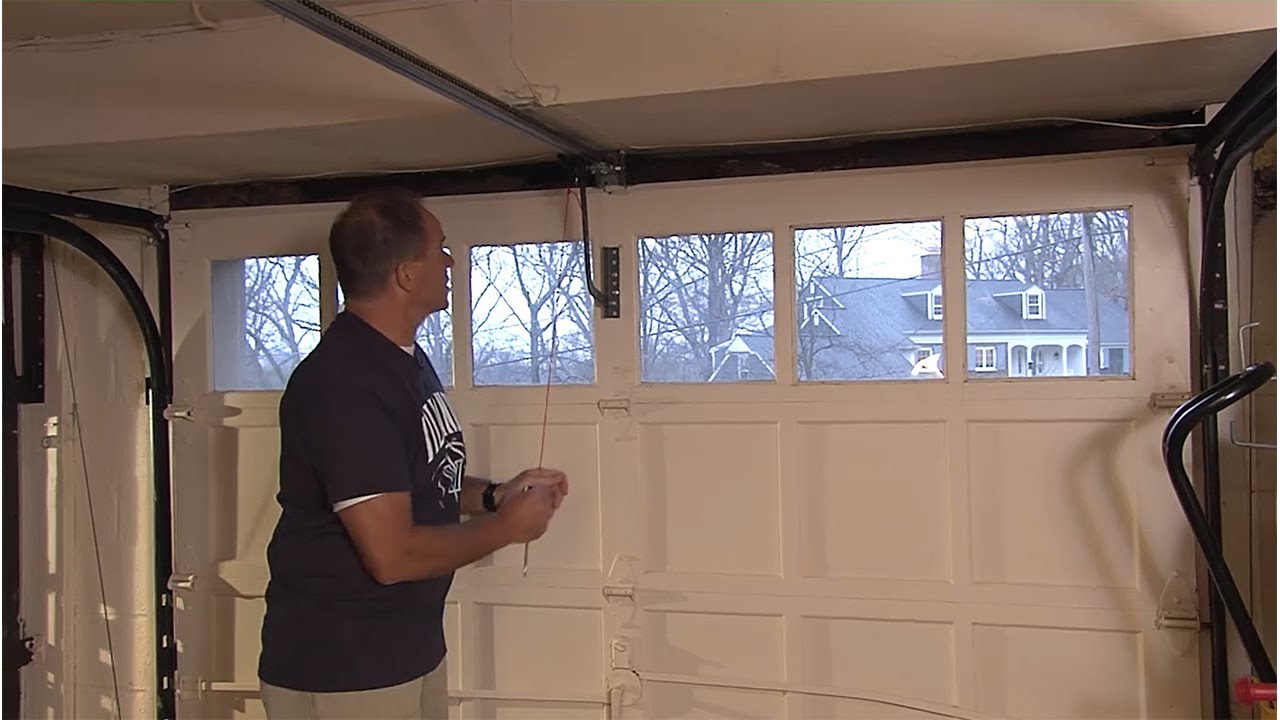
- Manual release: The door may be in manual mode. Re-engage the opener with the red cord.
2. The Door Moves Unevenly Or Gets Stuck
If the door jerks, wobbles, or stops:
- Check the tracks: Look for bends, debris, or misalignment.
- Rollers and hinges: Worn or broken parts can cause rough movement.
- Balance: Try lifting the door by hand (with the opener disconnected). It should move smoothly and stay halfway open.
3. Noisy Operation
Loud squeaks, grinding, or banging noises often mean:
- Lack of lubrication: Moving parts need regular oiling.
- Loose hardware: Screws and bolts may need tightening.
- Worn rollers: Metal rollers can get noisy as they age.
4. The Door Reverses Before Closing
If your door goes down but quickly reverses:
- Safety sensors: These are at the bottom of the tracks. Make sure they’re lined up and clean.
- Obstructions: Check for objects in the way.
- Travel limits: The opener may need adjustment.
5. Opener Runs But Door Doesn’t Move
If you hear the opener motor but the door stays still:
- Disengaged trolley: The emergency release might be pulled.
- Broken drive gear: Some openers have plastic gears that wear out.
6. Broken Springs Or Cables
If the door is very heavy or won’t open at all:
- Look for gaps in springs: A broken torsion spring has a clear gap.
- Hanging cables: If cables are loose or off the drum, the door won’t work.
Essential Tools And Materials
Having the right tools makes garage door repairs much easier. Here are the basics:
- Adjustable wrench and socket set
- Screwdrivers (flat and Phillips)
- Locking pliers (vise grips)
- Stepladder
- Garage door lubricant (not WD-40)
- Clean rags
- New rollers, hinges, or other parts (as needed)
For some repairs, you may need extra hardware, like track brackets or new weather seals. Check your manual for part numbers.
Step-by-step Garage Door Repair Guide
Now, let’s look at how to fix the most common garage door issues, step by step.
Fixing Power And Opener Issues
Restoring Power And Checking Controls
- Check the power outlet: Plug in a lamp to see if it works. If not, reset the breaker.
- Test the remote: Try a new battery. If it works, the old battery was the problem.
- Check the wall switch: If the remote and wall switch both fail, the opener may be faulty.
- Look for lock button: Many wall controls have a lock switch. Make sure it’s off.
Resetting The Opener
If your opener is unresponsive, unplug it for 30 seconds, then plug it back in. Some openers need a reset after power surges.
Cleaning And Aligning Safety Sensors
- Locate the sensors: Small boxes near the floor on each side of the door.
- Clean the lenses: Use a soft cloth.
- Check alignment: Both lights should be solid (not blinking). Adjust by loosening the bracket and gently moving the sensor until the light is steady.
- Check wiring: Make sure wires are connected and not damaged.
If the door closes with the wall button but not the remote, the sensors are likely the issue.
Lubricating And Tightening Hardware
- Tighten all bolts and screws on hinges, brackets, and tracks.
- Apply garage door lubricant to rollers, hinges, and springs (if visible).
- Wipe away excess to avoid drips.
- Do not use grease—it attracts dirt and can gum up the system.
Lubricate every six months for smooth, quiet operation.
Repairing And Cleaning Tracks
- Inspect tracks for dents or bends. Use a rubber mallet to gently straighten.
- Clean tracks with a brush or cloth. Remove dirt and debris.
- Check for loose brackets. Tighten with a wrench.
- Do not lubricate tracks—rollers need to roll, not slide.
Replacing Rollers
Worn or broken rollers cause noise and rough movement. Here’s how to replace them:
- Open the door fully and disconnect the opener.
- Secure the door with locking pliers below the bottom roller.
- Remove the hinge bolts holding the roller.
- Slide out the old roller and insert the new one.
- Reattach the hinge and test the door.
Replace one roller at a time for safety.
Adjusting Or Replacing Weather Seal
A damaged weather seal lets in dust and drafts.
- Open the door and pull out the old seal from the bottom track.
- Cut a new seal to length (available at hardware stores).
- Insert the new seal into the track. Use soapy water if it’s tight.
- Trim any excess.
A good seal saves energy and keeps your garage cleaner.
Realigning The Garage Door
If your door doesn’t move smoothly, the tracks may be misaligned.
- Loosen the track mounting bolts just enough to move the track.
- Gently tap the track with a rubber mallet until it’s straight and parallel to the door.
- Tighten the bolts.
- Test the door by opening and closing several times.
Misaligned tracks cause binding and wear out parts quickly.
Adjusting Opener Travel And Force Settings
Modern openers let you adjust how far the door moves and how much force it uses.
- Locate the adjustment screws on the opener (see manual).
- Turn the travel screw to change where the door stops.
- Turn the force screw if the door reverses before hitting the floor.
- Test after each adjustment.
Make small changes and always test for safety.
Manual Operation: Using The Emergency Release
Sometimes you need to open the door by hand, for example during a power outage.
- Pull the red emergency release cord (usually hanging from the opener rail).
- Lift the door by hand. If it’s heavy or stuck, stop and check for broken springs.
- To re-engage, push the door until you hear a click or pull the cord back.
Never force the door if it’s hard to move—it could be unsafe.
When To Call A Professional
Some repairs are too dangerous or complex for DIY. Call an expert if:
- Springs or cables are broken
- The door is off its tracks
- You see sparks or smell burning plastic
- The opener makes grinding noises but won’t move
A professional has the right tools and training for these jobs.
Preventive Maintenance Tips
Regular maintenance can double the life of your garage door and opener. Set aside 30 minutes every 6 months for these steps:
- Inspect all parts for wear, damage, or loose hardware.
- Lubricate moving parts: Rollers, hinges, springs.
- Test safety features: Place a small object under the door to check the auto-reverse.
- Clean tracks and weather seal.
- Check the balance: Disconnect the opener and lift the door by hand. It should stay in place.
A little care now saves money and hassle later.
Comparing Garage Door Materials
If your garage door is old or damaged, you might consider replacing it. Here’s a comparison of common garage door materials to help you choose:
| Material | Durability | Maintenance | Cost | Insulation |
|---|---|---|---|---|
| Steel | High | Low | Medium | Good |
| Wood | Medium | High (painting needed) | High | Fair |
| Aluminum | Medium | Low | Low | Poor |
| Fiberglass | Medium | Low | Medium | Poor |
A steel door is the most popular choice for its balance of cost, strength, and low upkeep.
Cost Comparison: Diy Vs Professional Repair
Many homeowners wonder if fixing a garage door themselves saves money. Here’s a cost comparison:
| Repair Task | DIY Cost | Professional Cost | Difficulty |
|---|---|---|---|
| Lubrication & Tightening | $10–$20 | $80–$120 | Easy |
| Sensor Adjustment | $0–$10 | $75–$120 | Easy |
| Roller Replacement | $20–$50 | $120–$180 | Medium |
| Spring Replacement | Not Safe | $180–$350 | High |
DIY saves money on small jobs, but always hire a pro for dangerous repairs.
Garage Door Opener Types: Pros And Cons
Choosing the right opener can make your door quieter and safer. Here’s a comparison:
| Type | Noise | Cost | Durability | Best For |
|---|---|---|---|---|
| Chain Drive | Loud | Low | High | Detached garages |
| Belt Drive | Quiet | Medium | High | Attached garages |
| Screw Drive | Medium | Medium | Medium | Warm climates |
| Direct Drive | Very Quiet | High | High | Luxury homes |
A belt drive is a good upgrade if your garage is close to bedrooms.
Two Insights Most People Miss
- Regular lubrication is more important than most people think. Without it, even new doors can become noisy and wear out fast. Use a silicone-based lubricant, not regular oil or grease.
- Check your door’s balance twice a year. An unbalanced door makes the opener work harder, which shortens its life. Test by lifting the door halfway by hand. If it moves, it needs adjustment.
These simple steps can prevent expensive repairs.
Common Mistakes To Avoid
- Forgetting safety steps: Never skip disconnecting the opener or using safety gear.
- Over-tightening hardware: This can strip screws and damage parts.
- Using the wrong lubricant: Standard oils attract dirt. Use products made for garage doors.
- Ignoring small noises: Squeaks or sticking often mean a problem is starting.
- Trying to fix springs yourself: This is very dangerous. Always hire a pro.
Learning from others’ mistakes saves time, money, and keeps you safe.
When Replacement Makes More Sense
Sometimes, repairs just patch up a bigger problem. Consider replacing your garage door if:
- The door is more than 20 years old
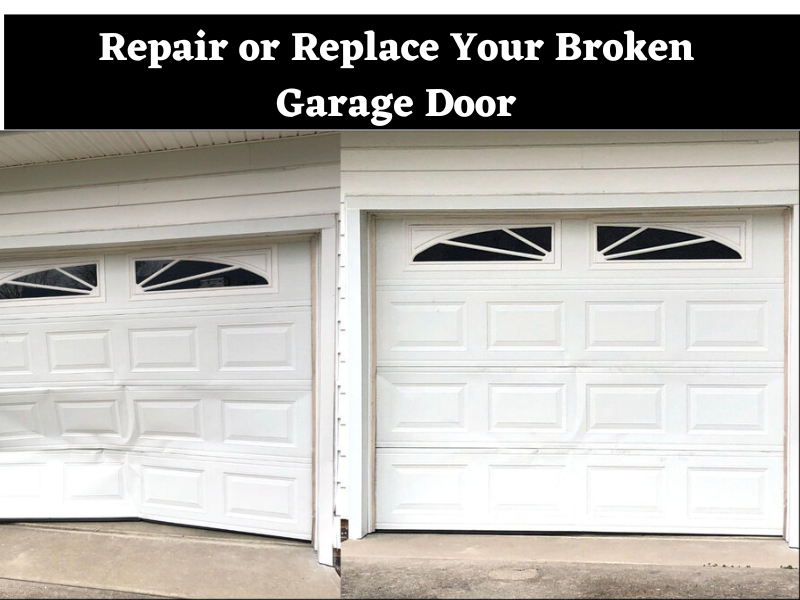
- There is major rust, rot, or dents
- It lacks modern safety features
- Repair costs are more than half of a new door
New doors are safer, quieter, and can improve your home’s value. For more details about modern garage door standards, see this Wikipedia article.

Frequently Asked Questions
What Is The Most Dangerous Garage Door Repair?
Replacing torsion springs is the most dangerous. Springs are under high tension and can cause serious injury. Always call a professional for spring or cable repairs.
How Often Should I Lubricate My Garage Door?
Every six months is ideal. Lubricate rollers, hinges, and springs with a silicone-based garage door lubricant. Avoid regular oil or grease.
Why Does My Garage Door Reverse Before Hitting The Floor?
This is usually due to misaligned safety sensors or an object blocking the path. Clean the sensor lenses and make sure they point directly at each other.
Can I Replace Just One Garage Door Panel?
Yes, if the rest of the door is in good condition and panels are available for your model. Sometimes, it’s cheaper to replace a single damaged panel than the whole door.
How Long Should A Garage Door Last?
With regular maintenance, a garage door should last 15–30 years. Openers typically last 10–15 years. Keeping parts lubricated and balanced will extend the lifespan.
Fixing a garage door is a practical skill that saves money and boosts your home’s safety. With the right approach, most common problems can be solved in an afternoon. Always follow safety steps, use quality parts, and don’t hesitate to call an expert when needed.
A well-maintained garage door works smoothly for years, giving you peace of mind every time you come home.