
Getting a new garage door opener can make your daily life easier, safer, and even quieter. If your current opener is noisy, slow, or simply not working, it’s time for an upgrade. But buying and installing a garage door opener is not as simple as picking the first one you see online.
There are many types, features, and details to consider. In this guide, you’ll learn everything you need to know—step by step—to choose, buy, and install the right garage door opener for your needs. Even if you’ve never replaced one before, you’ll feel confident by the end.
Why Replace Your Garage Door Opener?
Many homeowners don’t think much about their garage door opener until it stops working. However, there are clear reasons why you may want to replace it before it fails completely.
- Safety: Older models might not have safety sensors or auto-reverse features. Modern openers are built to prevent accidents.
- Convenience: Modern openers offer remote controls, smartphone apps, and keyless entry.
- Security: Newer systems use rolling code technology, making them harder for thieves to hack.
- Noise reduction: Belt drive and direct drive openers are much quieter than old chain or screw drive models.
- Reliability: If your opener stalls, grinds, or fails to open the door, it’s time to replace it.
A common mistake is waiting until the opener breaks before replacing it. This can leave your car stuck inside (or outside) the garage at the worst possible time. Upgrading early gives you more choices and less stress.
Types Of Garage Door Openers
Not all garage door openers are the same. The type you choose affects noise, price, speed, and maintenance. Here are the four main types you’ll find:
1. Chain Drive Openers
Chain drive openers use a metal chain to move the trolley and open the door. They are strong and reliable, but can be noisy, especially for garages under bedrooms.
2. Belt Drive Openers
Belt drive openers use a rubber belt instead of a chain. They are much quieter, making them ideal for attached garages. They are usually more expensive but need less maintenance.
3. Screw Drive Openers
Screw drive openers use a threaded steel rod to move the door. They have fewer moving parts, so maintenance is simple. However, they can be noisy and are sensitive to temperature changes.
4. Direct Drive Openers
Direct drive openers have only one moving part. The motor itself moves along a rail, pulling the door open. They are almost silent and very durable, but often cost more.
Here’s a comparison of the most common types:
| Type | Noise Level | Price Range | Maintenance | Best For |
|---|---|---|---|---|
| Chain Drive | High | $130-$250 | Medium | Detached garages |
| Belt Drive | Low | $180-$350 | Low | Attached garages |
| Screw Drive | Medium | $150-$250 | Low | Moderate climates |
| Direct Drive | Very Low | $250-$400 | Very Low | Quiet operation |
Non-obvious insight: Many people choose a chain drive because of the low price. However, if you have bedrooms above or next to the garage, the noise can be a real issue—especially at night or early morning.
Understanding Opener Power And Door Size
The power of your garage door opener is measured in horsepower (HP). The right HP depends on the size and type of your garage door.
- 1/3 HP: Good for single, lightweight aluminum doors.
- 1/2 HP: Most common. Handles most single and double doors.
- 3/4 HP: Best for heavy wooden doors or oversized double doors.
- 1 HP: For commercial or industrial doors.
Installing an opener with too little power can burn out the motor quickly. On the other hand, too much power is usually not a problem—but often unnecessary.
Here’s a quick guide:
| Door Type | Recommended HP | Notes |
|---|---|---|
| Single Aluminum | 1/3 HP | Lightweight, basic use |
| Double Steel | 1/2 HP | Most common doors |
| Wooden Door | 3/4 HP | Heavy, needs more power |
| Oversized/Custom | 1 HP | Rare in homes |
Non-obvious insight: The actual lifting work is mostly done by the door’s springs, not the opener. If your door feels heavy to lift by hand, the springs may need adjustment or replacement before installing a new opener.
Key Features To Consider
Garage door openers now come packed with features. Some are must-haves, while others are just nice extras. Here’s what to look for:
- Safety Sensors: Required by law since 1993. These stop the door if something crosses the path.
- Rolling Code Technology: Changes the remote’s code each use to prevent hacking.
- Battery Backup: Lets you open and close the door during power outages.
- Smartphone Control: Open, close, and monitor your door from anywhere.
- Keyless Entry Pad: Enter a code to unlock the door—no keys needed.
- Auto-Close: Automatically closes the door after a set time.
- Motion-Activated Light: Turns on garage lights when you enter.
- Soft Start/Stop: Reduces wear and tear by gradually starting and stopping.
- Manual Release: Lets you open the door manually during emergencies.
Some features, like smart controls, may require Wi-Fi in your garage. Also, make sure the opener you buy is compatible with your existing door and hardware.
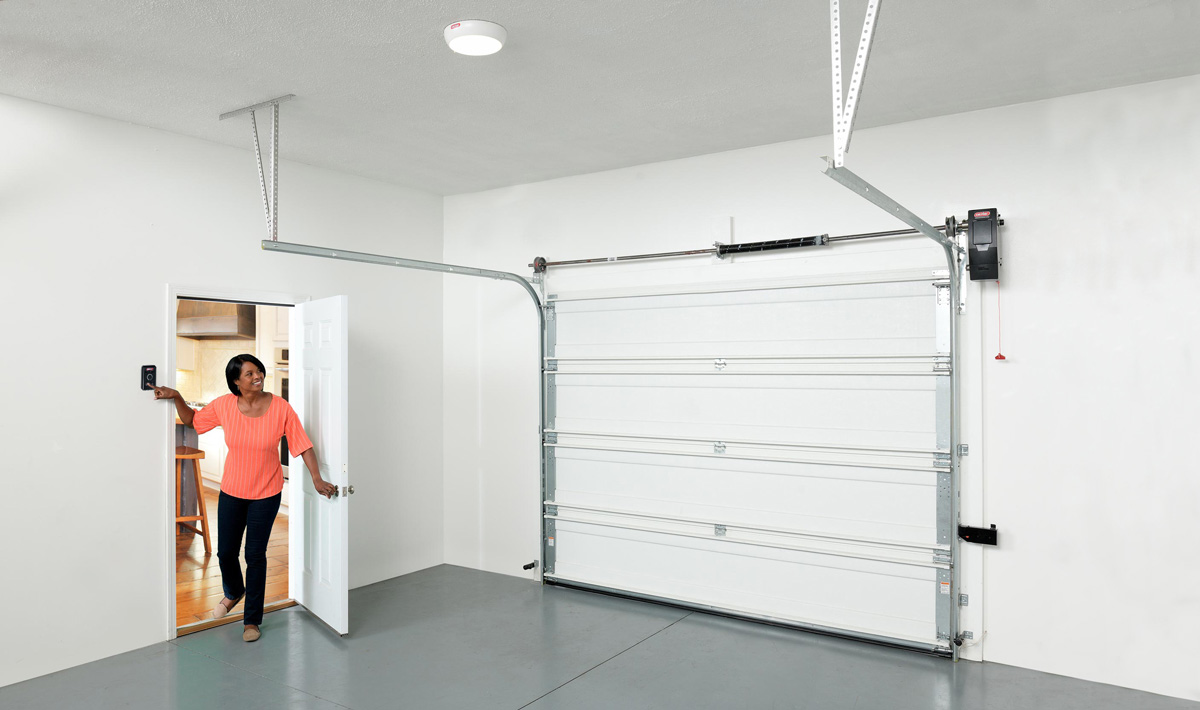
Top Brands And Models
When shopping for a new garage door opener, certain brands are known for quality and reliability. The most recognized names include:
- Chamberlain: Known for smart features and quiet operation.
- LiftMaster: Popular for professional installation and durability.
- Genie: Offers a wide range of models, often at lower prices.
- Craftsman: Reliable and widely available at hardware stores.
- Sommer: Specializes in direct drive openers (very quiet).
Here’s a quick brand comparison:
| Brand | Best For | Price Range | Special Feature |
|---|---|---|---|
| Chamberlain | Smart homes | $200–$400 | MyQ smartphone control |
| LiftMaster | Heavy doors | $250–$450 | Professional grade |
| Genie | Budget buyers | $150–$300 | Simple installation |
| Craftsman | DIYers | $180–$350 | Wide retail availability |
| Sommer | Quiet operation | $300–$500 | Direct drive system |
Pro tip: Check the warranty and customer support for each brand. Some offer five-year or even lifetime warranties on parts or the motor.
Measuring Your Garage And Door
Before you buy, you need to measure your garage and the door to make sure the new opener will fit and work properly.
What To Measure
- Door width and height: Standard single doors are 8–9 feet wide and 7–8 feet high.
- Headroom: The space between the top of the door and the garage ceiling. Most openers need at least 2–3 inches.
- Side room: Minimum 3 inches on each side for hardware.
- Backroom: The distance from the door to the back wall. You need the door height plus 18 inches or more.
If your garage has low or unusual ceilings, you may need special hardware or a jackshaft opener, which mounts beside the door.
Common mistake: Not checking for obstructions like lights, beams, or attic stairs that might block the opener’s path.
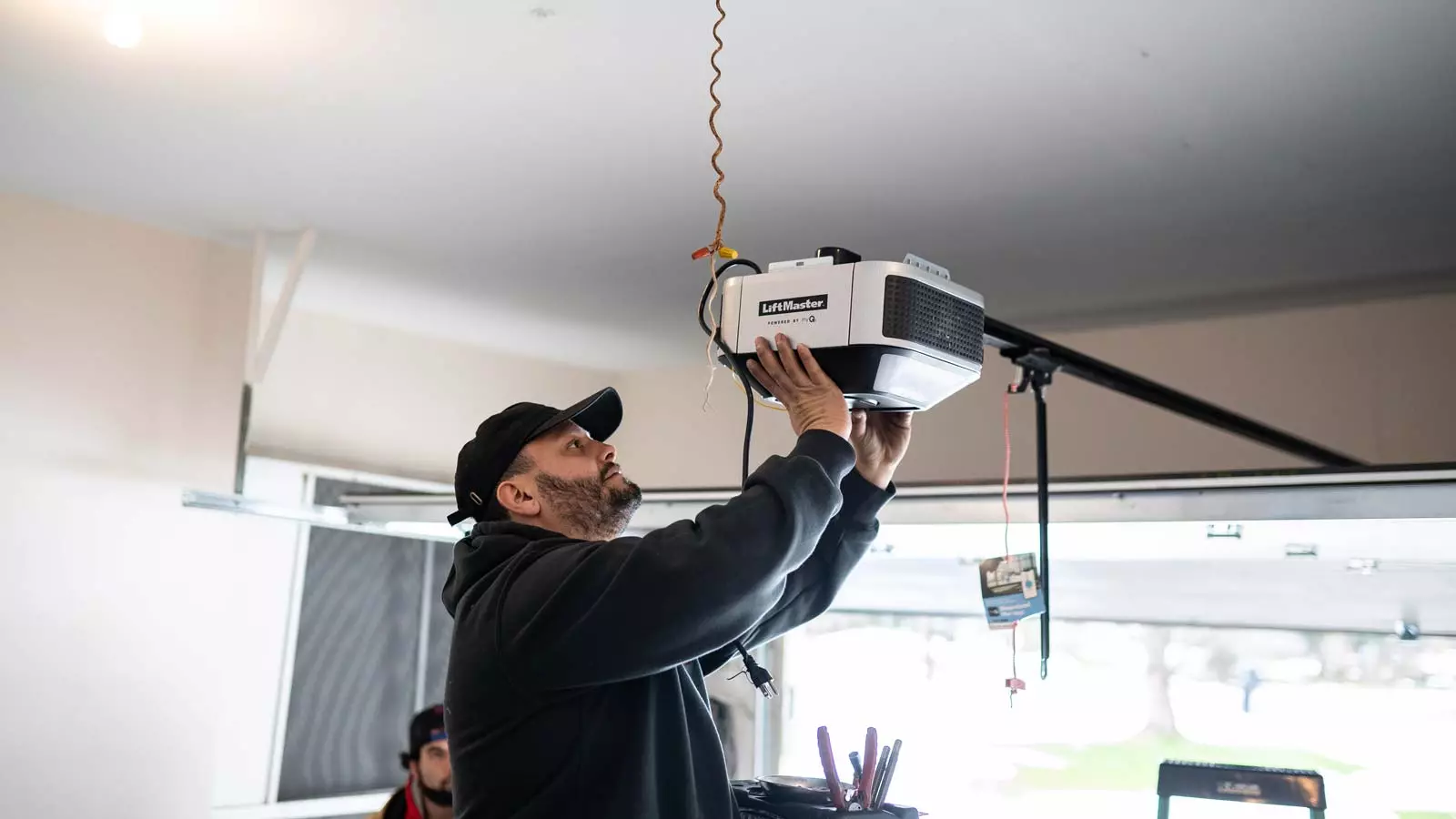
Buying A New Garage Door Opener
Now that you know what you need, it’s time to buy. Here’s how to do it confidently:
Where To Buy
- Home improvement stores: Home Depot, Lowe’s, Menards
- Online retailers: Amazon, manufacturer websites
- Garage door dealers: Often sell and install openers as a package
Tip: Check for promotions or bundled deals. Sometimes openers come with extra remotes, keypads, or free installation.
What Should Be Included
A typical garage door opener kit should include:
- Motor unit
- Rail or track
- Trolley and arm
- Mounting brackets
- Safety sensors
- Wall button
- 1–2 remote controls
- Hardware (bolts, screws, etc.)
- Manual
Smart openers may also include Wi-Fi modules or apps.
Price Range
Most homeowners spend $180–$450 for a new opener, not including installation. Add $150–$300 if you hire a professional installer.
Non-obvious insight: Some openers are “universal,” but not all remotes or accessories work with every brand. Check compatibility if you want to reuse existing remotes.
Removing The Old Garage Door Opener
Before you install the new system, you must safely remove the old one. This step is often skipped in guides, but it’s critical for safety.
Step-by-step Removal
- Unplug the opener: Always start by cutting the power.
- Disconnect the garage door: Pull the emergency release cord to separate the opener from the door.
- Remove safety sensors and wall controls: Unscrew and detach.
- Take down the opener unit: Support the motor with a ladder, then remove the mounting bolts.
- Remove the track and hardware: Carefully lower any rails or brackets.
Dispose of old openers responsibly. Many parts are recyclable, and some stores will accept your old unit for recycling.
Pro tip: Take photos before removal. This makes wiring and bracket placement easier when installing the new opener.
Installing Your New Garage Door Opener
Most openers come with detailed instructions, but here’s an overview of the main steps. Installation usually takes 2–4 hours for a handy DIYer.
Installation Steps
- Assemble the opener: Put together the rail, trolley, and motor as shown in the manual.
- Install the rail: Attach the rail to the motor, then mount the header bracket to the wall above the garage door.
- Mount the opener: Lift the motor into place, securing it to the ceiling joists using the brackets provided.
- Connect the door arm: Attach the arm from the trolley to the garage door.
- Install safety sensors: Place them 4–6 inches above the floor, one on each side of the door.
- Wire the controls: Connect the wall button and sensors according to the instructions.
- Plug in and test: Restore power. Test the door’s operation, the safety sensors, and remotes.
- Adjust force and travel: Fine-tune how far the door opens/closes and the force needed for smooth operation.
Common mistake: Mounting the opener without checking if the door opens and closes smoothly by hand. If the door is hard to move, fix the springs or tracks before using the opener.
Professional Installation Vs. Diy
Should you install your garage door opener yourself, or hire a pro? Here’s what to consider:
Diy Installation
Advantages:
- Save $150–$300 in labor
- Learn about your garage system
- Satisfaction of a job well done
Challenges:
- Requires basic tools and skills
- May need a helper for heavy lifting
- Mistakes can cause injury or damage
Professional Installation
Advantages:
- Fast and efficient (usually 1–2 hours)
- Installer can spot door or spring problems
- Includes warranty on labor
Disadvantages:
- Costs more
- Must schedule an appointment
Non-obvious insight: If your garage has non-standard doors, low ceilings, or complex wiring, a professional may be the safer choice. Also, some warranties require pro installation for full coverage.
Setting Up Smart Features
Modern garage door openers offer smart controls. These let you open or close your door using your phone, get alerts if it’s left open, and even connect with Amazon Key for deliveries.
How To Set Up
- Download the app: Most brands use their own app (like Chamberlain’s MyQ).
- Connect to Wi-Fi: Follow the on-screen steps to link your opener to your home network.
- Pair devices: Add your phone, tablet, or smart home system.
- Set alerts and permissions: Choose when to get notifications and who can open the door.
Pro tip: Place your Wi-Fi router near the garage if you have weak signal. Some brands sell plug-in range extenders for better performance.
Testing And Adjusting Your Opener
After installation, it’s important to test all functions and make adjustments for safety and performance.
What To Test
- Open/close cycles: Run the door up and down several times.
- Safety sensors: Block the sensor with an object; the door should stop and reverse.
- Manual release: Pull the cord and check you can lift the door by hand.
- Remote range: Test remotes from your driveway to ensure signal is strong.
- Auto-close and lights: If your opener has these features, test them now.
Adjustments
Most openers have dials or screws for:
- Travel limits: How far the door moves up or down.
- Force settings: How much power the opener uses.
- Light timers: How long the garage light stays on.
Always follow the manual when making adjustments. Too much force can be dangerous.
Maintenance And Troubleshooting
A new garage door opener needs little maintenance, but a few simple steps keep it working well for years.
Maintenance Tips
- Check sensors: Wipe lenses and make sure they are aligned.
- Lubricate moving parts: Use a silicone-based spray on rollers, hinges, and tracks (not on the opener’s belt or chain).
- Tighten hardware: Check all brackets and bolts twice a year.
- Test safety features: Make sure the auto-reverse works every few months.
Common Problems
- Door won’t open/close: Check power, remotes, and safety sensors.
- Opener hums but doesn’t move: Door may be locked or springs broken.
- Remote range is short: Replace batteries or check for interference.
- Door reverses before closing: Sensors may be dirty or misaligned.
Non-obvious insight: Cold weather can make the door harder to open, especially with older springs or stiff lubricants. In winter, check for ice buildup at the bottom of the door.
Recycling And Disposing Of Your Old Opener
Don’t just throw your old opener in the trash. Motors and electronics can often be recycled. Check with your city for e-waste disposal sites, or ask your installer if they offer recycling services.
Fun fact: Some parts, like remotes and rails, can be reused or donated to local repair shops.

What To Do If You Have Problems
If your new opener isn’t working right or you run into issues, here’s what to do:
- Check the manual: Most troubleshooting tips are listed there.
- Search online: Manufacturer websites and forums offer advice and videos.
- Contact support: Brands like Chamberlain and Genie have phone and email support.
- Call a pro: For electrical or spring issues, don’t risk injury—get expert help.
You can find more detailed repair guides at Family Handyman.
How A New Garage Door Opener Can Add Value
A new garage door opener does more than just open and close your door.
- Increases home value: Smart and quiet openers are a selling point.
- Improves safety: Modern openers protect kids, pets, and property.
- Saves energy: Auto-close features and LED lights reduce wasted energy.
- Reduces stress: No more wrestling with heavy or stuck doors.
Pro insight: If you plan to sell your home soon, a new opener is a low-cost upgrade that buyers notice.
Frequently Asked Questions
What Horsepower Garage Door Opener Do I Need?
Most homes use 1/2 HP openers for single or double doors. If your door is heavy (wood or insulated), choose 3/4 HP. For oversized or custom doors, consider 1 HP. The right size ensures smooth, reliable operation.
Can I Install A Garage Door Opener Myself?
Yes, many openers are designed for DIY installation and include clear instructions. You’ll need basic tools, a ladder, and sometimes a helper. However, if your door is unusual or you’re unsure, hiring a professional is safer.
How Long Does It Take To Install A Garage Door Opener?
For most DIYers, 2–4 hours is typical, depending on experience and the type of opener. Pros often finish in 1–2 hours. Plan extra time if you’re removing an old opener or adding smart features.
Are Smart Garage Door Openers Worth It?
Smart openers let you control your garage from your phone, get alerts if left open, and share access with others. For most people, the convenience and extra security are worth the small extra cost.
How Often Should I Maintain My Garage Door Opener?
Check and test safety features every 3–6 months. Lubricate moving parts twice a year. Tighten bolts and check sensors regularly. With simple care, your opener can last 10–15 years or more.
Upgrading your garage door opener can be one of the most satisfying and practical home improvements you make. Whether you want quieter operation, smart control, or just peace of mind, choosing the right model and installing it correctly gives you years of trouble-free use.
With the steps and insights above, you’re ready to get the perfect new garage door opener for your home.