
Keeping your garage door in top condition isn’t just about looks. It’s about safety, smooth operation, and saving money in the long run. One key task that many homeowners miss is learning how to grease garage door rollers. This simple job can make your door quieter, extend its life, and even prevent costly repairs. But most people don’t know the right way to do it—or even what products to use. If you’ve ever been confused by strange noises or a door that sticks, you’re in the right place. This article will walk you through every step, show you what to avoid, and answer common questions, so your garage door glides like new.
Why Greasing Garage Door Rollers Matters
Garage door rollers are small wheels that help your door move up and down smoothly along its tracks. When they work well, you barely notice them. But without proper lubrication, they can squeak, grind, or even seize up. This can force the opener to work harder, increase energy costs, and wear out other parts of your door system.
A well-maintained garage door is also safer. Over 20,000 garage door-related injuries occur in the US each year, often linked to malfunctioning parts. Dry, rusty rollers can jam or break, causing the door to fall or stop suddenly. Proper greasing reduces these risks.
Plus, a noisy garage door can be a real headache—especially early in the morning or late at night. A simple application of the right lubricant can turn an annoying, rattling door into a whisper-quiet one.
Types Of Garage Door Rollers
Before you start, it’s smart to know what kind of rollers your garage door uses. Each type needs slightly different care.
| Roller Type | Material | Typical Lifespan | Maintenance Needs |
|---|---|---|---|
| Steel | Metal (sometimes with ball bearings) | 5-7 years | Regular lubrication, can rust |
| Nylon | Plastic/nylon (sometimes with ball bearings) | 10-12 years | Quieter, less frequent lubrication |
| Plastic | Basic plastic (no bearings) | 2-3 years | Minimal care, replace often |
Steel rollers are strong and common, but they can get noisy if not lubricated. Nylon rollers are quieter and need less frequent care, but they still benefit from the right grease. Plastic rollers are the cheapest and usually found in very old or low-end doors—they don’t last long and can’t be lubricated.

Tools And Materials You Need
You don’t need a toolbox full of gadgets. But using the right products and safety gear makes the job faster and safer. Here’s what you need:
- Garage door lubricant (not WD-40): Look for lithium-based or silicone spray designed for garage doors.
- Clean cloths or rags: For wiping off old grease and dirt.
- Stiff brush: To remove built-up debris.
- Safety glasses: Protect your eyes from drips or sprays.
- Gloves: To keep your hands clean and avoid skin irritation.
- Small ladder: To reach the top rollers if necessary.
Common mistake: Many people use regular WD-40 or motor oil. These can attract dirt or dry out quickly. Use only products labeled for garage doors or moving metal parts.
Choosing The Best Lubricant For Garage Door Rollers
Not all lubricants are created equal. Picking the wrong one can actually make things worse. Here’s how popular options compare:
| Lubricant Type | Pros | Cons | Best For |
|---|---|---|---|
| Silicone Spray | Repels moisture, doesn’t attract dust, easy to apply | Needs more frequent reapplication | Nylon, steel rollers |
| White Lithium Grease | Long-lasting, thick coating, good for metal parts | Can collect dirt, harder to clean | Steel rollers, hinges |
| WD-40 | Loosens rust, good for cleaning | Not a true lubricant, dries out fast | Removing grime, not lubrication |
For most homes, white lithium grease or silicone-based spray is best. Both are easy to find at hardware stores. Silicone is a bit better in humid or wet climates because it resists water. If you’re unsure, check your garage door manual or ask a local hardware expert.
Step-by-step Guide: How To Grease Garage Door Rollers
Greasing your garage door rollers is a job most people can do in less than 30 minutes. Here’s a detailed guide to get it right the first time.
1. Prepare Your Workspace
- Make sure the garage is well-lit.
- Keep pets and children away while you work.
- Open the garage door to about halfway. This gives you access to all the rollers without putting too much tension on the springs.
Tip: If your garage door opener has a manual mode, disconnect it for extra safety.
2. Clean The Rollers And Tracks
Before you add new lubricant, remove old grease and built-up dirt. Dirty rollers can grind and wear out faster.
- Use a stiff brush to scrub each roller and the inside of the tracks.
- Wipe away dust, old grease, and debris with a dry rag.
- If you see rust, a little WD-40 can help loosen it—but wipe it off before you add new grease.
Non-obvious insight: Most people forget the bottom rollers. These collect the most dirt and need extra cleaning.
3. Inspect For Damage
Look for signs of wear like cracks, flat spots, or wobbly rollers. If you see any damage, replace the roller before lubricating.
- Spin each roller with your hand. It should turn smoothly.
- Check that the stem isn’t bent or loose.
If you find a broken roller, don’t grease it. Replace it first to avoid bigger problems.
4. Apply Lubricant To The Rollers
Now it’s time to grease. Here’s how:
- Shake your lubricant can well.
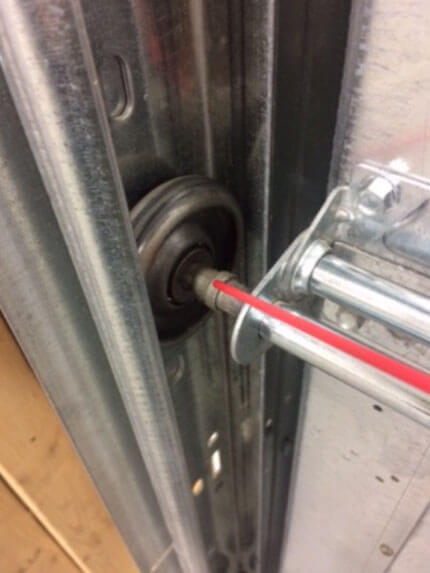
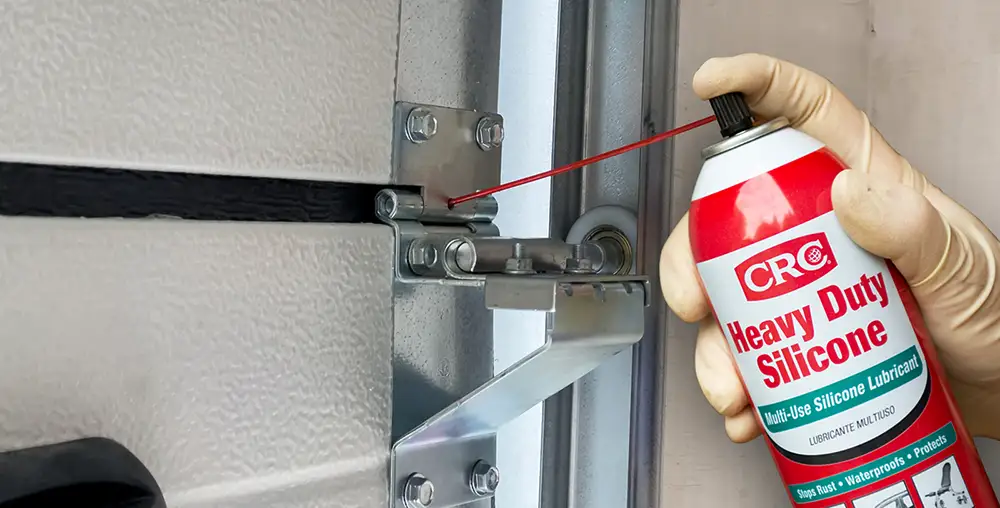
- Place the spray straw or nozzle right at the seam where the roller wheel meets the stem (the axle).
- Spray a small amount—just enough to coat. Too much can drip onto the floor.
- Wipe away extra lubricant with a rag.
Repeat for each roller, working your way around the door.
Pro tip: Don’t spray lubricant on the track itself; it should stay clean and dry. Only grease the moving parts.
5. Lubricate Other Garage Door Parts (optional But Recommended)
While you have your supplies out, consider greasing other moving parts:
- Hinges: Apply lubricant where they pivot.
- Springs: Spray lightly along the length of extension or torsion springs, if accessible.
- Bearing plates: If your door has side-mounted bearing plates, add a little grease.
Each part works together. Lubricating them all keeps your door in top shape.
6. Operate The Door
Close and open the garage door several times. This spreads the lubricant evenly and helps you spot any missed areas.
- Listen for squeaks or grinding. If you still hear noises, add a bit more lubricant to those spots.
- Wipe away any drips from the floor or tracks.
Non-obvious insight: If you have a smart garage door opener, use the app to cycle the door a few times from a safe distance. This lets you listen for smooth operation without being right next to the door.
How Often Should You Grease Garage Door Rollers?
Regular Maintenance Prevents Most Problems. But How Often Is Enough?
- Steel rollers: Every 6 months
- Nylon rollers with bearings: Every 6-12 months
- Plastic rollers: No lubrication needed, just replace as needed
If your garage is very dusty, humid, or gets lots of use (over 10 cycles per day), check rollers every 3-4 months. Watch for signs like squeaking, sticking, or a door that moves unevenly.
Signs Your Garage Door Rollers Need Greasing
Not sure if it’s time for maintenance? Look for these clues:
- Squeaking or grinding noises: The most common sign.
- Slow or jerky movement: The door doesn’t move smoothly.
- Rollers look dry or rusty: Visible signs of wear.
- Door comes off tracks: In severe cases, dry rollers can cause alignment problems.
Don’t wait until your door stops working to take action. Regular greasing is much easier—and cheaper—than emergency repairs.
Common Mistakes When Greasing Garage Door Rollers
Even simple jobs can go wrong. Avoid these mistakes for the best results:
- Using the wrong product: WD-40 is not a lubricant for garage doors. It can actually make rollers worse over time.
- Over-greasing: More is not better. Too much grease attracts dust and can gum up the rollers.
- Ignoring other moving parts: Neglecting hinges, springs, and bearings means you’ll have to do the job again soon.
- Skipping cleaning: Greasing over dirt just creates a sticky mess.
- Spraying the tracks: Tracks should stay clean and dry. Grease here can cause rollers to slip or collect dirt.
When To Replace Rollers Instead Of Greasing
Greasing can’t fix everything. If your rollers show these signs, it’s time for new ones:
- Cracks or chips in the wheels
- Rollers that wobble or stick, even after greasing
- Flat spots on the surface
- Excessive noise that doesn’t improve
Steel rollers usually last 5-7 years. Nylon rollers can last up to 12 years, but only if maintained. Plastic rollers may need replacement every 2-3 years.
If you’re not sure how to replace a roller, call a professional. Garage doors are heavy and can be dangerous if handled incorrectly.
Diy Vs. Professional Lubrication: Which Is Better?
You might wonder if you need a garage door technician for this job. For most homeowners, greasing rollers is a safe and easy DIY task. You don’t need special tools or advanced skills. But professional maintenance has benefits, too.
| DIY Lubrication | Professional Service |
|---|---|
| Cheaper (just the cost of lubricant) Quick and convenient Good for regular upkeep | Thorough inspection of all parts Includes adjustments and repairs Peace of mind for complex issues |
If your door is old, very noisy, or has visible damage, it’s smart to have a pro check it once a year. For everything else, regular DIY greasing is enough.
Safety Tips When Greasing Garage Door Rollers
Garage doors are heavy and under tension. Stay safe with these tips:
- Disconnect the opener before working if possible.
- Don’t put your fingers in the tracks or near springs.
- Use a ladder safely—never stretch to reach high rollers.
- Wear safety glasses to protect your eyes from drips or spray.
- If you feel unsure at any step, stop and call a professional.
Remember: Never try to repair or adjust garage door springs yourself. They can cause serious injuries.
Troubleshooting: If Your Garage Door Is Still Noisy
After greasing, most garage doors should run quietly. If yours doesn’t, try these steps:
- Check all moving parts: Hinges, springs, and bearings may need lubrication, too.
- Inspect for loose bolts or screws: Tighten any that have come loose.
- Look for worn or damaged rollers: Replace as needed.
- Check the opener chain or belt: Lubricate if needed (check the manual first).
If the noise continues, there may be a bigger problem, like a bent track or worn opener gear. At this point, professional help is recommended.
Environmental Factors And Roller Maintenance
Where you live affects how often and what type of lubrication you need.
- Humid climates: Moisture can cause rust. Use silicone spray and grease more often.
- Dusty or sandy areas: Dirt can build up fast. Clean rollers and tracks more often.
- Cold weather: Some lubricants get thick in cold temperatures. Look for products labeled for year-round use.
Tip: If your garage is attached to your house, regular lubrication also keeps noise from traveling into your living space.
Garage Door Roller Maintenance Schedule
To keep your garage door in the best shape, follow this basic schedule:
- Every 3-6 months: Clean and lubricate rollers, hinges, and springs.
- Every year: Inspect all moving parts for wear or damage.
- Every 5-10 years: Replace rollers as needed, or sooner if you see damage.
Keeping a small calendar or reminder on your phone can help you stay on track. Just a few minutes every few months can save you hundreds in repairs.
Upgrading Rollers: Is It Worth It?
If you’re replacing rollers, consider upgrading to nylon rollers with ball bearings. They’re quieter, last longer, and need less maintenance than steel or plastic types. The cost is a bit higher, but you’ll notice the difference every time you open the door.
Nylon rollers are especially good for attached garages or homes with bedrooms above the garage, where noise is a concern.
Real-world Example: How Regular Greasing Saved A Costly Repair
One homeowner in Texas noticed his garage door getting louder each week. He ignored it until the rollers finally locked up, causing the opener to burn out. The repair bill was over $500 for a new opener and roller replacement.
If he’d spent just 20 minutes twice a year greasing the rollers, he would have avoided the problem completely. This is a common story—don’t let it happen to you.
Garage Door Roller Lubrication Myths
With so much information online, it’s easy to get confused. Here are a few myths to avoid:
- “You should grease the tracks.” (False—tracks should stay dry!)
- “WD-40 is enough.” (False—use proper garage door lubricant.)
- “Rollers never need replacement.” (False—all rollers wear out eventually.)
- “All lubricants are the same.” (False—choose one made for metal or nylon parts.)
If you’re unsure, ask a technician or check the manufacturer’s website for guidance.
The Cost Of Neglecting Garage Door Rollers
Skipping regular greasing might save time today, but it will cost you more later. Here’s what you risk:
- Opener burnout: $200–$500 for a new unit
- Roller replacement: $5–$20 per roller (usually 10–12 per door)
- Emergency service call: $100–$300
- Extra noise and stress
A $10 can of lubricant and 30 minutes of your time is a smart investment.
Recommended Products For Greasing Garage Door Rollers
There are several trusted brands you’ll find at most hardware stores:
- 3-IN-ONE Professional Garage Door Lubricant
- Blaster Premium Garage Door Lubricant
- CRC White Lithium Grease
Always check the label to be sure it’s safe for your type of rollers (nylon or steel).
How To Store And Dispose Of Lubricants Safely
Store lubricants in a cool, dry place away from children and pets. Most spray cans are flammable. Don’t leave them in a hot garage or near open flames.
When you finish a can, follow local guidelines for aerosol disposal. Never throw full cans in the trash—they can explode under pressure.
For more on safe disposal, see the EPA’s Household Hazardous Waste page.
Frequently Asked Questions
How Do I Know If My Garage Door Rollers Need To Be Lubricated?
If you hear squeaking, grinding, or see rusty rollers, it’s time to lubricate. Also, if your door moves slowly or sticks, check the rollers first.
Can I Use Wd-40 To Grease My Garage Door Rollers?
No. WD-40 is a cleaner and water displacer, not a true lubricant. It’s good for removing old grease, but use a white lithium grease or silicone spray for lubricating.
How Often Should I Grease My Garage Door Rollers?
For most homes, every 6 months is enough. In dusty or humid climates, check every 3-4 months. Plastic rollers can’t be lubricated—just replace them as needed.
Is It Safe To Grease Garage Door Rollers Myself?
Yes, for most people. Wear gloves and safety glasses, and don’t work near springs or moving parts. If you feel unsure or see damage, call a professional.
Should I Lubricate The Garage Door Tracks?
No. Tracks should be clean and dry. Only lubricate the roller bearings, hinges, and springs.
A well-lubricated garage door isn’t just quieter—it’s safer, lasts longer, and saves money. Now that you know exactly how to grease garage door rollers, you can keep your door running smoothly for years to come. Regular maintenance takes just a few minutes, but the benefits last much longer.
If you ever have doubts, a local professional is always ready to help. Take action today, and enjoy the peace of mind that comes with a well-maintained garage door.