
If you are planning to build, renovate, or simply replace a garage door, understanding the right size is crucial. The garage door is not just an entry point; it impacts your home’s convenience, security, and even its curb appeal. Among various types, the double wide garage door is a popular choice for homes with two-car garages. But how wide is a double wide garage door, really? Is there a standard, or does it vary? Let’s explore every angle, from industry standards to customization options, and help you make the best decision for your home.
What Is A Double Wide Garage Door?
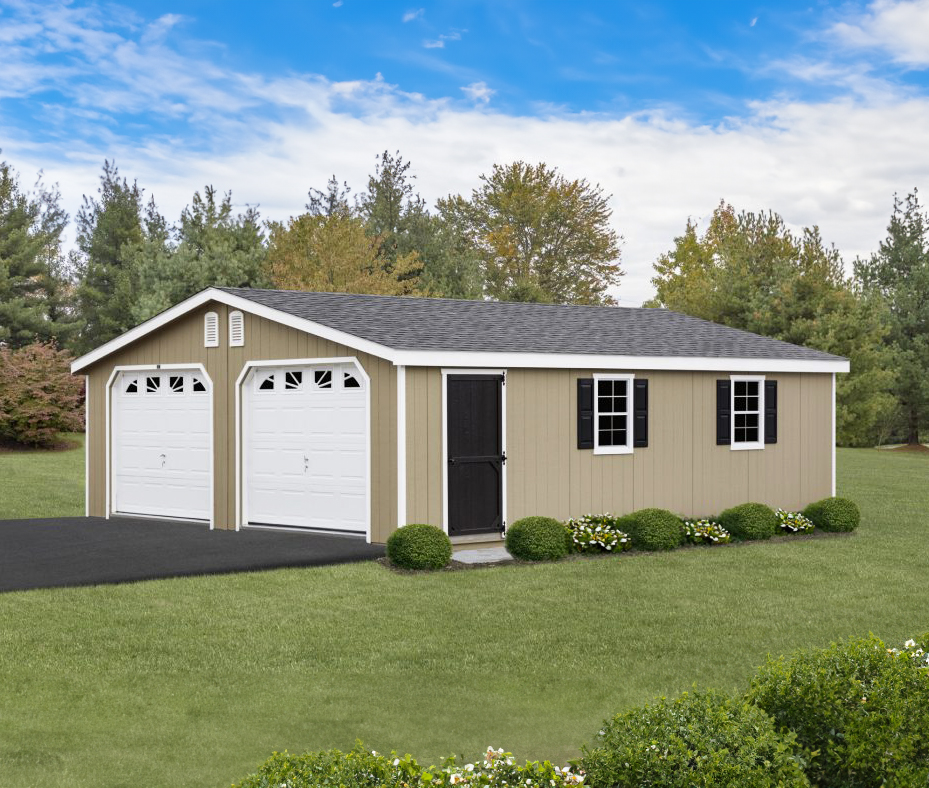
A double wide garage door is designed to cover the opening of a garage that can fit two vehicles side by side. This is different from having two single doors, where each door covers one car space. Instead, a double wide door offers a single, large opening. This makes it easier to drive in and out, especially if you have bigger vehicles or need extra space for storage and movement.
Most American homes with two-car garages use this style because it is practical, saves building costs, and often looks more modern. But while double wide doors are common, their exact width can vary depending on several factors, such as manufacturer, region, and custom needs.
Standard Widths For Double Wide Garage Doors
The most common question is: How wide is a double wide garage door? Let’s look at the industry standards. In the United States, there are typical measurements that most manufacturers follow.
Common Double Wide Garage Door Widths
- 16 feet (192 inches): This is the most popular width for double wide garage doors. It fits most standard two-car garages.
- 14 feet (168 inches): Often used in older homes or garages with limited space.
- 18 feet (216 inches): Chosen by homeowners who want extra room or have larger vehicles.
- 15 feet (180 inches): Sometimes used when space is tight but a true double door is still needed.
These sizes are measured in feet and inches, and they refer to the width of the door itself, not the frame or the opening.
Typical Height Options
While width is the main topic, height also matters. The standard height for double wide garage doors is usually:
- 7 feet (84 inches): The most common height for residential garages.
- 8 feet (96 inches): Preferred for taller vehicles like SUVs, vans, or trucks.
Some custom homes may require different heights, but these are the most widely used.
Visual Comparison Table
To help you visualize, here is a simple comparison:
| Width (ft) | Width (in) | Common Use |
|---|---|---|
| 14 | 168 | Older homes, tight spaces |
| 15 | 180 | Small double garages |
| 16 | 192 | Standard two-car garages |
| 18 | 216 | Large garages, bigger vehicles |
As you can see, 16 feet is the most common. However, knowing the other sizes is helpful if your garage is not standard or you have special needs.
Why Does Garage Door Width Matter?
Choosing the right width is not just about fitting your cars. The width of the garage door affects:
- Ease of entry and exit: Wider doors reduce the risk of scraping your car or bumping into objects.
- Storage space: A wider door can allow better access for items stored along the walls.
- Future needs: If you buy a bigger car or add a trailer, a wider door gives flexibility.
- Resale value: Homes with standard or larger garage doors are often more attractive to buyers.
One insight many beginners miss: The door width must match not only your cars but also your everyday habits. For example, if you carry bikes, lawn equipment, or have kids running in and out, extra width can make life easier.
Single Vs Double Wide Garage Doors
Some people ask: Should I get two single doors or one double wide? Let’s compare the two options.
Comparison Table
| Feature | Double Wide Door | Two Single Doors |
|---|---|---|
| Width | 14-18 feet | 8-9 feet each |
| Ease of access | Better for large vehicles | Can be tight for big cars |
| Cost | Usually cheaper to install | Higher, two doors needed |
| Appearance | Modern, clean look | Traditional style |
| Repair | One door may block both cars if broken | One door can still work if the other fails |
Most homeowners choose double wide doors for the convenience and modern appearance, but two single doors offer more flexibility if one breaks down.
Custom Garage Door Widths
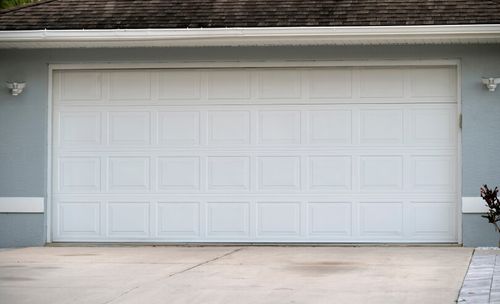
Not every garage fits the standard. Some homes are older, have unique layouts, or owners want a special look. In these cases, garage doors can be custom-made.
Customization Factors
- Wall space: If you have extra space, you can order doors wider than 18 feet.
- Vehicle size: Extra-large trucks, RVs, or boats require custom widths.
- Opening shape: Some garages have arched or non-rectangular openings.
- Accessibility: Wider doors help with wheelchair access or moving large items.
Custom garage doors can be made in nearly any width, but most manufacturers recommend not going much wider than 20 feet for residential use. Beyond that, doors may become heavy, require stronger motors, and cost much more.
Common Mistakes With Custom Doors
- Ignoring structural needs: Wider doors need stronger framing and supports.
- Overestimating needs: Some people order oversized doors, but later realize they rarely use the extra space.
- Forgetting about local building codes: Some areas have rules about maximum garage door size.
It’s wise to talk with a contractor or garage door specialist before ordering a custom width.
Measuring Your Garage For A Double Wide Door
If you want to replace or install a new door, accurate measurement is key. Many beginners make mistakes here, leading to costly errors.
Step-by-step Guide
- Measure the width of the opening: Use a tape measure from one side of the frame to the other, at the widest point.
- Measure the height: From the floor to the top of the opening.
- Check for obstructions: Look for pipes, electrical lines, or shelves that may block the door.
- Measure side room: There should be enough space on each side for tracks and hardware (usually at least 3-4 inches).
- Measure headroom: The space above the opening for the door mechanism (usually at least 12-14 inches).
Practical Tip
Always measure in several places. Garages can be uneven, so check the width at the top, middle, and bottom. If the measurements vary, use the smallest number. This prevents the door from getting stuck.
Double Wide Garage Door Styles
The width is just one factor. The style of your garage door impacts your home’s look and function. Let’s explore popular styles.
Most Common Styles
- Sectional doors: Made of panels that roll up overhead. Most double wide doors use this style.
- Roll-up doors: Common in commercial spaces, but available for homes.
- Swing-out doors: Open outward like barn doors; less common for double wide.
- Sliding doors: Slide left or right; require more wall space.
Sectional doors are the best choice for most homes due to their reliability and ease of use.
Material Choices
- Steel: Durable and secure, good for wide doors.
- Wood: Attractive, but heavier and needs maintenance.
- Aluminum: Lightweight, but can dent easily.
- Fiberglass: Resistant to moisture, but less strong.
Many manufacturers offer insulated options, which help with energy efficiency and noise reduction.
Garage Door Opener Requirements For Double Wide Doors
A double wide garage door is heavier and larger than a single door, so it needs a strong opener.
Opener Strength
Most standard double wide doors require at least a ½ horsepower motor. For doors wider than 16 feet or made of heavy materials (like wood), a ¾ horsepower or higher motor is recommended.
Safety Features
Modern openers include:
- Auto-reverse sensors: Prevent accidents by stopping if something blocks the door.
- Manual release: Allows you to open the door by hand during power outages.
- Smart controls: Connect to your phone or home automation system.
Common Mistake
Some homeowners try to reuse a single door opener for a double wide door. This rarely works well and can wear out the motor quickly.
Cost Factors For Double Wide Garage Doors
The price of a double wide garage door can vary based on width, material, style, and installation needs.
Cost Breakdown
- Standard 16-foot steel door: $1,200–$2,500 installed
- Custom width or specialty materials: $2,500–$5,000+
- Wood doors: $3,500–$6,000
- Insulated doors: Add $300–$700 to the base price
Installation costs depend on local labor rates and complexity. Wider doors may need extra supports or stronger openers, which can increase the price.
Comparison Table
| Door Width (ft) | Material | Estimated Cost (Installed) |
|---|---|---|
| 16 | Steel | $1,200–$2,500 |
| 18 | Wood | $4,000–$6,000 |
| 16 | Insulated Aluminum | $2,000–$3,800 |
| Custom (20+) | Specialty | $5,000+ |
Installation Considerations
Installing a double wide garage door is more complex than a single door. Here’s what you need to think about:
- Framing: The garage must be strong enough to support the wider door.
- Floor level: Uneven floors can cause problems with sealing and opening.
- Weatherproofing: Wider doors need good seals to prevent drafts and water leaks.
- Professional installation: Most experts recommend hiring a specialist for double wide doors.
If you live in a region with hurricanes or earthquakes, extra reinforcement may be needed. Check local building codes before buying.
Maintenance And Longevity
A double wide garage door has more moving parts and weight, so regular maintenance is important.
Maintenance Tasks
- Lubricate tracks and rollers: Every 6 months.
- Check and tighten hardware: Once a year.
- Test balance and safety sensors: Regularly.
- Inspect seals: Replace if worn or cracked.
Proper care extends the life of your door, prevents costly repairs, and ensures safe operation.
Common Insight
Many homeowners forget that wider doors can develop alignment issues faster than single doors. It’s smart to schedule professional inspections every couple of years.
Security And Safety Features
Garage doors are a major entry point, so security matters.
Security Features To Consider
- Strong locks: Choose doors with built-in locks or add extra security bars.
- Smart controls: Monitor and control your door remotely.
- Solid materials: Steel and composite doors resist break-ins better than lightweight materials.
Safety Features
- Auto-reverse sensors: Essential for families with children or pets.
- Pinch-resistant panels: Prevent finger injuries.
- Manual emergency release: Helps in case of power failure.
Double wide doors especially benefit from these features because their size makes them more noticeable and potentially more vulnerable.
Energy Efficiency And Insulation
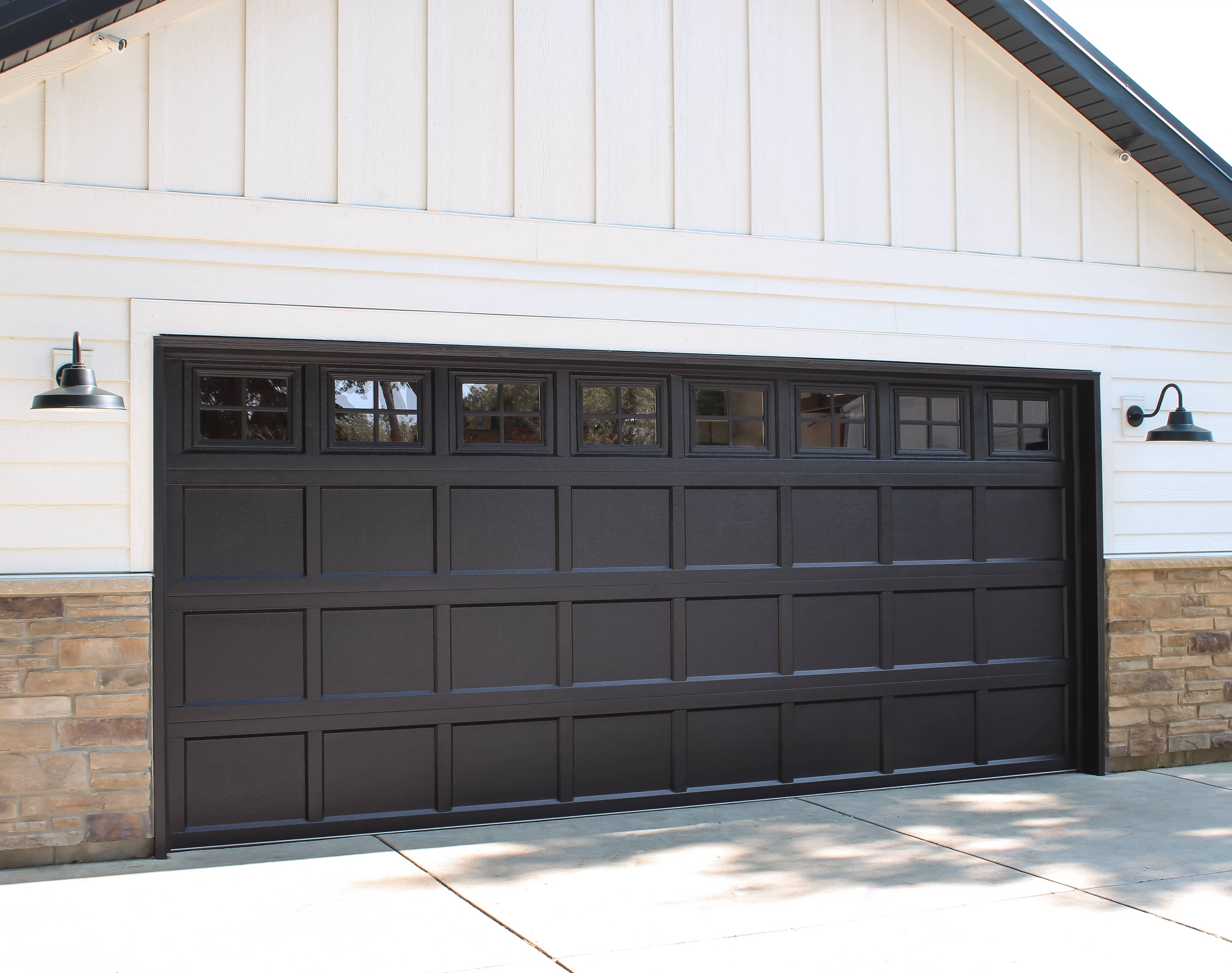
Garage doors can impact your home’s energy use. Wide doors let in more air, so insulation is important.
Insulation Types
- Polystyrene: Cheap, moderate effectiveness.
- Polyurethane: Higher R-value, better for extreme climates.
- Double-layer and triple-layer doors: Offer more protection.
Benefits
- Lower heating and cooling bills
- Quieter operation
- Better protection from dust and moisture
If your garage is attached to your home, investing in insulation is wise. It pays off in comfort and savings.
Choosing The Right Double Wide Garage Door Width
Deciding the best width for your garage door involves several factors:
- Garage size: Measure your opening and check for possible expansion.
- Vehicle size: Plan for current and future cars, trucks, or recreational vehicles.
- Usage patterns: Think about storage, movement, and how often you open both sides.
- Local codes: Check restrictions or requirements in your area.
Practical Guidance
If you are unsure, 16 feet is safe for most two-car garages. If you own larger vehicles or want extra space for storage, 18 feet may be better. Only choose custom sizes if you have unique needs and are ready for higher costs.
Real-life Examples
Let’s look at some real-life scenarios:
- A family with two sedans: A 16-foot door is perfect. Easy entry, no wasted space.
- Home with a pickup and SUV: An 18-foot door prevents scraping and allows comfortable movement.
- Older home with limited width: A 14-foot door fits, but may be tight for modern cars.
- Garage used for storage and hobbies: Wider doors make bringing in bikes, lawn equipment, or tools easier.
These examples show that the right width depends on your situation, not just a standard.
Regulations And Building Codes
Most cities and states in the US have codes that affect garage door installation. For double wide doors, you may need:
- Minimum structural support: Wider doors require stronger headers and side frames.
- Wind resistance: In hurricane-prone areas, doors must withstand strong winds.
- Fire safety: If your garage connects to living space, special materials may be required.
Check with your local building department before ordering or installing a door.
Environmental Impact
Wide garage doors require more materials, energy, and resources. If you care about the environment:
- Choose recycled materials or doors certified by green organizations.
- Use insulated doors to reduce energy waste.
- Maintain your door regularly to extend its lifespan.
Some manufacturers offer eco-friendly options. For more information, visit the U.S. Department of Energy.
Frequently Asked Questions
How Wide Is A Standard Double Wide Garage Door?
A standard double wide garage door is 16 feet (192 inches) wide. This fits most two-car garages in the United States. Some homes may use doors that are 14, 15, or 18 feet wide, but 16 feet is the most common.
Can I Install A Wider Garage Door If My Garage Opening Is Smaller?
You can install a wider door, but your garage opening and framing must be expanded. This usually requires professional construction work and may involve moving walls or supports. Always check with a contractor before making changes.
Is It Better To Have Two Single Garage Doors Or One Double Wide Door?
Both options have pros and cons. Double wide doors are easier for large vehicles and usually cost less to install. Two single doors offer more flexibility if one fails and can match traditional home styles. Consider your needs, budget, and preferences.
What Is The Minimum Width For A Double Wide Garage Door?
The minimum width is usually 14 feet. This may be tight for modern cars, but works in older homes or where space is limited. For comfortable access, 16 feet is better.
Do Wider Garage Doors Need Special Openers Or Hardware?
Yes, wider and heavier garage doors require stronger openers (at least ½ horsepower, preferably ¾ for large or heavy doors) and sturdy tracks and supports. Using hardware designed for single doors is not safe or efficient.
Final Thoughts
The width of a double wide garage door plays a big role in your home’s function, safety, and value. While the standard is 16 feet, options range from 14 to 18 feet and can be customized for special needs. Choosing the right width depends on your garage size, vehicle type, and lifestyle. Remember to measure carefully, check local codes, and invest in quality materials and installation. With the right door, your garage will be more convenient, secure, and energy-efficient for years to come.