
When your garage door button stops working, it can feel like your entire routine is interrupted. Suddenly, you’re stuck outside in the rain or struggling to close up for the night. A broken button is more than an inconvenience—it can signal deeper issues with your garage door system. Many homeowners find themselves unsure where to start, whether it’s a simple fix or something that needs professional help. In this article, you’ll discover all the possible reasons, practical troubleshooting steps, and clear advice to get your garage door button working again. We’ll cover the basics, dive into advanced checks, and explain the key details that many beginners miss. You’ll also find useful tables and data to help you compare solutions and make confident decisions.
Understanding The Garage Door Button System
The garage door button is a small switch, usually located on the wall near your garage entrance. Pressing it sends an electrical signal to the opener, telling it to raise or lower the door. This system relies on several parts working together:
- Wall button or switch: The physical button you press.
- Wiring: Connects the button to the opener’s control panel.
- Garage door opener: The motorized unit that moves the door.
- Safety sensors: Usually installed near the floor, ensuring nothing blocks the door.
- Remote controls: Wireless handheld devices, often used alongside the wall button.
If any part fails, the button may not work as expected. Sometimes, the issue is with the button itself; other times, it’s a problem elsewhere in the system.
Common Reasons Why Garage Door Button Stops Working
Many homeowners assume the button itself is broken, but it’s often more complex. Here are the most frequent causes:
- Faulty wiring: Wires can loosen, corrode, or break over time.
- Dead wall button: Buttons wear out, especially after years of use.
- Power loss: No electricity means no movement.
- Malfunctioning opener: Internal electronics may fail.
- Disrupted safety sensors: Sensors out of alignment can disable the opener.
- Broken circuit board: The “brain” of the opener may be damaged.
- Physical damage: Water, dust, or impact can ruin components.
- Interference from remotes: Sometimes, a stuck remote button prevents the wall button from working.
- Tripped fuse or breaker: Electrical issues can cut power to the opener.
- Incorrect settings: Lock mode or vacation mode may be enabled, disabling the button.
Let’s look closer at each problem and learn how to identify them.
Step-by-step Troubleshooting For Garage Door Button
Check The Power Supply
The first step is power. Garage door openers need electricity from a wall outlet. If the opener has no lights or sound, it’s likely a power problem.
- Plug another device (like a lamp) into the same outlet. If it works, power is fine. If not, check your home’s circuit breaker or fuse box.
- Sometimes, outlets are connected to a GFCI (Ground Fault Circuit Interrupter). This can trip and cut power. Press the “reset” button to restore power.
Inspect The Wall Button
Wall buttons are usually simple switches. Over time, they can break or the contacts inside can corrode.
- Remove the button cover (usually two screws).
- Inspect for visible damage, loose wires, or rust.
- Test the button by shorting the two wires together (using a screwdriver). If the door moves, the button is faulty and needs replacement.
Examine The Wiring
Wires run from the wall button to the opener. These wires can loosen, break, or get damaged by pests or weather.
- Follow the wire from the button to the opener, checking for breaks or wear.
- Gently tug on each wire to see if it’s loose.
- If you have a multimeter, check for continuity in the wire. No continuity means the wire is broken.
Test The Garage Door Opener
If the button and wiring are fine, the opener itself may be the issue.
- Try using the remote control. If the remote works but the button does not, the problem is with the button or its wiring.
- If neither works, the opener may have a deeper electronic problem.
Check The Safety Sensors
Safety sensors are installed near the floor, on each side of the door. If they are misaligned or dirty, the door may not move.
- Clean the sensor lenses with a soft cloth.
- Make sure both sensors have lights on. If not, adjust their position until the lights turn on.
- If the door still won’t move, sensors may need replacement.
Review Opener Settings
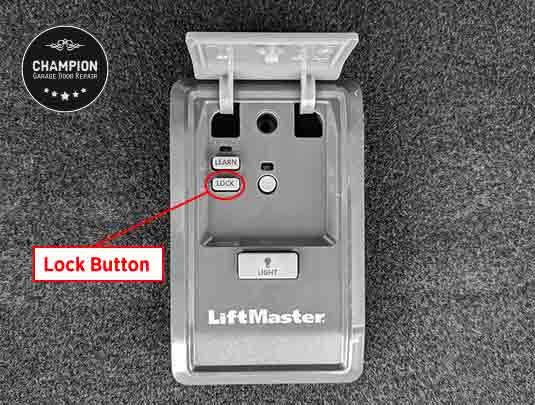
Some openers have lock mode or vacation mode. These settings disable the wall button for security.
- Look for a button or switch labeled “lock” or “vacation” on the opener unit.
- Hold the button for several seconds to turn off the mode.
Inspect For Physical Damage
Rain, dust, and impact can damage buttons, wires, or the opener itself.
- Look for water stains, rust, or broken casing.
- If the opener is humming but not moving, internal gears may be jammed or broken.
Reset The System
Sometimes, a simple reset solves the problem.
- Unplug the opener, wait 30 seconds, and plug it back in.
- Try the wall button again.
Compare Troubleshooting Steps
Here’s a quick overview of which steps help for different problems:
| Problem | Best Troubleshooting Step | Tools Needed |
|---|---|---|
| Power loss | Check outlet & breaker | Lamp, circuit tester |
| Faulty button | Short wires, inspect contacts | Screwdriver |
| Broken wiring | Check continuity | Multimeter |
| Sensor issues | Clean & realign sensors | Cloth, adjustment tools |
| Opener electronics | Test remote, reset system | Remote, power supply |
Advanced Troubleshooting For Garage Door Button Problems
Using A Multimeter
A multimeter is a tool for checking electrical circuits. It can help you find broken wires or dead buttons.
- Set the multimeter to “continuity” mode.
- Touch the probes to each end of the wire.
- If the meter beeps, the wire is good. No beep means the wire is broken.
Checking The Circuit Board
The opener’s circuit board controls everything. If it’s damaged, the button may not work.
- Open the cover of the opener unit (usually 2-4 screws).
- Look for burnt areas, broken solder joints, or loose wires.
- If you see damage, circuit boards can be replaced, but this is best done by a professional.
Replacing The Wall Button
If the button is dead, you can buy a replacement for $10–$30. Installation is simple:
- Turn off power at the breaker.
- Remove old button (unscrew and disconnect wires).
- Connect wires to new button (usually two terminals).
- Screw new button to the wall.
- Restore power and test.
Comparing Button Types
Not all garage door buttons are the same. Here’s how they differ:
| Button Type | Features | Price Range | Durability |
|---|---|---|---|
| Basic Push Button | Simple open/close | $10–$20 | 5–10 years |
| Multi-Function Button | Open, close, lock, light | $20–$40 | 8–15 years |
| Wireless Keypad | PIN entry, wireless | $30–$70 | 5–10 years |
When To Call A Professional
Some problems are simple to fix. Others need expert help:
- If you see burnt wires, damaged circuit boards, or can’t find the problem after basic checks, call a garage door technician.
- Average cost for a professional repair: $100–$250.
- Most repairs are done in under 1 hour.
Preventing Garage Door Button Problems
You can reduce future trouble by following simple maintenance tips:
- Clean button and sensors monthly to remove dust.
- Check wiring twice a year for wear and corrosion.
- Test backup battery (if your opener has one) every 6 months.
- Inspect for water damage after heavy rain.
- Use surge protectors on the opener’s power supply.
Many beginners miss the importance of regular cleaning and surge protection. Dust and electrical surges cause many button failures.
Common Mistakes Beginners Make
Ignoring Power Supply
Many people spend hours checking the button when the real issue is a tripped breaker or GFCI. Always check power first.
Forgetting About Lock Mode
Some openers have a “lock” or “vacation” mode that disables the wall button. Accidentally enabling this can make you think the button is broken.
Skipping Sensor Checks
Dirty or misaligned safety sensors can prevent the door from moving, even if the button is fine. Clean and align sensors regularly.
Using The Wrong Replacement Parts
Wall buttons are not universal. Using the wrong part can cause more problems. Always check compatibility before buying.
Not Testing With A Multimeter
A multimeter can quickly check wires and buttons. Many beginners skip this step, leading to wrong diagnoses.

Signs That The Problem Is Bigger Than The Button
Sometimes, the button is just one symptom of a larger issue. Look out for these warning signs:
- Door moves erratically: Opens or closes halfway, then stops.
- Opener makes loud noises: Grinding or humming sounds.
- Remote control also fails: Both wall button and remote don’t work.
- Lights flicker or don’t turn on: Indicates electrical issues.
- Door won’t move at all: Even after reset and checks.
If you see these, it’s likely an opener or wiring problem—not just a broken button.
Real-life Examples
Example 1: Power Failure
A homeowner pressed the garage door button and nothing happened. After checking the button and wiring, they realized the outlet had tripped. Resetting the GFCI restored power, and the door worked again.
Example 2: Faulty Button
After years of use, the wall button stopped working. Shorting the wires made the door move, proving the button was faulty. Replacing the button fixed the issue.
Example 3: Sensor Misalignment
The garage door wouldn’t close, even though the button worked. Cleaning and realigning the safety sensors solved the problem.
Example 4: Broken Wire
A mouse chewed through the wiring between the button and the opener. Using a multimeter, the homeowner found the break, replaced the wire, and restored function.
Example 5: Circuit Board Damage
After a lightning storm, both the wall button and remote stopped working. Inspection revealed a burnt circuit board. Professional repair was needed.
:max_bytes(150000):strip_icc()/troubleshooting-common-garage-door-problems-1398186-01-b4bded1aaf55436f8b00ccaa1fa7fff8.jpg)
How Garage Door Buttons Compare To Remotes
Wall buttons and remote controls serve similar functions, but their reliability and troubleshooting differ.
| Feature | Wall Button | Remote Control |
|---|---|---|
| Power Source | Wired electricity | Batteries |
| Reliability | High (less interference) | Moderate (can fail from dead batteries) |
| Installation | Fixed location | Portable |
| Common Issues | Wiring, button wear | Battery, signal interference |
| Security | Low (no PIN) | Medium (some have codes) |
What To Do If The Button Still Doesn’t Work
If you’ve tried all troubleshooting steps and the garage door button still doesn’t work, here’s what to do next:
- Double-check all connections: Sometimes, a wire may look connected but is loose.
- Try a replacement button: A new button can confirm if the old one is faulty.
- Test with a multimeter: Check both the wire and the button for electrical continuity.
- Inspect opener electronics: Look for damage, burnt marks, or loose parts.
- Call a professional: If all else fails, seek expert help. Most repairs are quick and affordable.
Cost Of Repair And Replacement
Fixing a garage door button is often inexpensive. Here’s a breakdown:
- Wall button replacement: $10–$40
- Wiring repair: $20–$80 (DIY); $100–$150 (professional)
- Opener circuit board: $50–$200 (part); $150–$300 (installed)
- Professional labor: $100–$250 per visit
Most button problems are resolved for less than $50 if you do it yourself. Bigger issues, like circuit boards, cost more and require expertise.
How To Find Compatible Replacement Parts
Many beginners make mistakes when buying replacement buttons. Here’s how to find the right part:
- Look for the brand and model of your opener, usually printed on the unit.
- Match the button to your opener’s brand. Some brands (like LiftMaster, Chamberlain, Genie) use unique wiring and connectors.
- Check reviews and specs before buying. Some universal buttons exist, but compatibility is not guaranteed.
The official websites for each brand offer compatibility guides. For more details, see Home Depot’s expert guide.
Safety Precautions When Working With Garage Door Systems
Garage door systems carry risks:
- Turn off power before working with wires or buttons.
- Avoid touching circuit boards unless you know what you’re doing.
- Wear gloves when inspecting for physical damage.
- Keep children and pets away during repairs.
Garage doors can be heavy and move suddenly. Always prioritize safety.
How Garage Door Button Issues Affect Security
A broken button can leave your garage exposed. If you can’t close the door, your home is vulnerable to theft and weather damage.
- Always secure the garage manually if the button isn’t working.
- Use a padlock or manual latch until repairs are complete.
- If the opener is dead, disconnect it and operate the door manually.
Frequently Asked Questions
Why Does My Garage Door Button Work Sometimes But Not Always?
This usually means there’s a loose wire or intermittent electrical contact. Try tightening connections and cleaning the button. If the problem persists, replace the button or check the wiring.
Can I Replace A Garage Door Button Myself?
Yes, most buttons are easy to replace. Turn off power, unscrew the old button, connect wires to the new one, and secure it to the wall. Always check compatibility with your opener.
What If Both My Wall Button And Remote Control Don’t Work?
If both fail, the issue is likely with the opener’s electronics or power supply. Check the outlet, breaker, and opener for signs of damage. If you find burnt parts or nothing works after a reset, call a professional.
How Often Should I Check My Garage Door Button And Wiring?
Check the button and wiring every 6 months. Clean the button, inspect wires for wear, and test the opener. Regular checks prevent bigger problems later.
Is It Safe To Use My Garage Door Manually If The Button Isn’t Working?
Yes, most garage doors have a manual release handle. Pull it to disconnect the opener, then lift the door by hand. Always secure the door with a lock when the opener is disabled.
If your garage door button isn’t working, don’t panic. With careful troubleshooting, most problems can be solved quickly and affordably. Start with the basics—power, wiring, and button checks. Move to advanced steps if needed. Remember, regular maintenance prevents future issues and keeps your garage secure. If the problem is bigger than you can handle, professional help is available. With these clear steps and tips, you’ll never be left stuck outside your garage again.