
How Wide Garage Door: Complete Guide to Sizes, Selection, and Practical Tips
Choosing the right garage door width is more important than many homeowners realize. The garage door is one of the largest moving parts of your home and directly affects how you use your garage. A door that’s too narrow can make parking difficult, limit storage, or even stop you from using your garage the way you want. But a door that’s too wide can cost more, waste energy, and create design problems. Whether you’re building a new garage, remodeling, or just replacing an old door, understanding garage door widths will help you make a smart, practical decision.
Let’s explore everything you need to know about garage door widths—standard sizes, special cases, measurement tips, and what really matters when you’re choosing. We’ll also cover real-world examples, common mistakes, and how to avoid problems that cost time and money later. If you want a garage that works for your cars, your life, and your budget, this guide will give you the answers.
What Does “garage Door Width” Mean?
The width of a garage door means the clear opening from one side of the door to the other. This is the space your car or anything else must fit through. People sometimes confuse the door size with the frame size or the total garage width, but only the clear opening matters for practical use.
Manufacturers measure garage doors in feet and inches (for example, 8 feet 0 inches, or 8’0″). The width is always listed first, followed by the height (such as 8’0″ x 7’0″). If you see a size like 16×7, it means 16 feet wide and 7 feet tall.
Key points:
- Width = clear opening for cars/objects
- Height = from floor to top edge of opening
- Actual door panels may be slightly larger for installation
Standard Garage Door Widths In The Us
Most garage doors come in standard sizes. These sizes fit most cars, SUVs, and small trucks. Standard sizes are easier to find, cost less, and work with most garage plans.
Here are the most common widths:
1. Single-car Garage Doors
These doors are made for one car, small SUV, or compact truck.
Standard widths:
- 8 feet (8’0″)
- 9 feet (9’0″)
- Sometimes 10 feet (10’0″) for extra space
Most homes use 8 or 9-foot wide doors. An 8-foot wide door is enough for most sedans, but a 9-foot door is more comfortable for SUVs or people who want extra room. Ten-foot doors are less common but helpful for larger vehicles.
2. Double-car Garage Doors
Double doors let two cars park side by side. They’re wider and often more convenient for families.
Standard widths:
- 16 feet (16’0″)
- Sometimes 14 feet (14’0″) or 18 feet (18’0″)
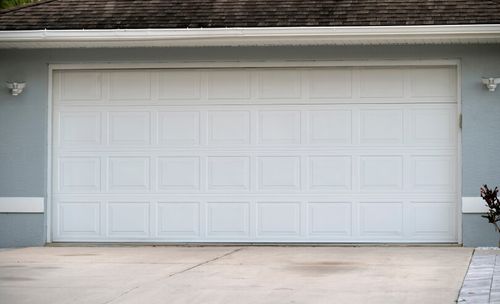
A 16-foot wide door is the most popular choice for a two-car garage. Fourteen-foot doors are used for smaller two-car garages, while 18-foot doors offer extra comfort for large vehicles or side storage.
3. Rv And Oversized Garage Doors
If you have a tall van, camper, or boat, you’ll need something bigger.
Common widths:
- 12 feet (12’0″)
- 14 feet (14’0″)
- Up to 20 feet (20’0″) for custom builds
These doors are often custom-ordered and cost more. They may also require structural changes to your garage.
4. Commercial Garage Doors
For businesses, garages may need to fit delivery trucks, vans, or equipment.
Typical widths:
- 10 feet (10’0″)
- 12 feet (12’0″)
- 24 feet (24’0″) or more for special cases
These doors are usually custom and use heavier materials.
Standard Garage Door Size Chart
To help you compare, here’s a simple overview:
| Garage Door Type | Common Widths (ft) | Typical Height (ft) |
|---|---|---|
| Single-Car | 8, 9, 10 | 7, 8 |
| Double-Car | 14, 16, 18 | 7, 8 |
| RV/Oversized | 12, 14, 16, 18, 20 | 8, 10, 12 |
| Commercial | 10, 12, 24+ | 8, 10, 12+ |
Non-obvious insight: Even if you don’t own a large vehicle now, choosing a slightly wider door can improve home value and flexibility if you ever buy a bigger car.
How To Measure For A Garage Door
Before buying, you need the right measurements. Many people make mistakes here, leading to expensive changes or wasted space.
Follow these steps:
- Measure the width: Measure the distance between the finished inside edges of the garage opening, at the widest point. This is your true garage door width.
- Measure the height: From the floor to the top of the finished opening.
- Check side room: You need at least 3.5 inches of wall space on each side for tracks and hardware.
- Check headroom: Measure from the top of the opening to the ceiling. Most doors need at least 12 inches for the opener and tracks.
- Backroom: Measure from the opening back to the far wall. You’ll need the door height plus at least 18 inches extra for the opener.
Example: If your opening is 8 feet 11 inches wide, you’ll likely need a 9-foot wide door.
Important tip: Always measure the finished opening, not just the framing.
What Factors Affect The Best Garage Door Width?
Choosing the right width depends on your needs—not just standard sizes. Here are the main factors to think about:
1. Vehicle Size
What you park inside matters most. Here are some average vehicle widths (including mirrors):
| Vehicle Type | Average Width (inches) |
|---|---|
| Compact Car | 66-70 |
| Sedan | 70-75 |
| SUV | 75-80 |
| Pickup Truck | 79-83 |
| Minivan | 78-80 |
A single 8-foot door gives about 11 inches of clearance on each side for a sedan. If you drive a large truck, a 9 or 10-foot door is less stressful to use.
2. Number Of Vehicles
Do you need to park one car or two? Double doors are best for two cars, but some people prefer two single doors for more flexibility.
Non-obvious insight: Two single doors (each 8 or 9 feet wide) give you more wall space between cars, but a double door makes parking easier for less-experienced drivers.
3. Storage Needs
Many homeowners use part of their garage for storage. If you keep bikes, shelves, or tools on the side, a wider door may reduce useful storage space. Think about your layout before choosing.
4. Home Style And Curb Appeal
A very wide garage door can dominate the front of your home. Some designs look better with two smaller doors. If you want to match your home’s style, ask your builder or designer for advice.
5. Local Building Codes
Some areas have rules about garage size, door width, or fire safety. Always check your city or HOA codes before buying.
6. Future Flexibility
You may own a small car now but plan to upgrade later. A slightly wider door gives you options without major changes.

Custom Vs Standard Garage Door Widths
Most people choose standard width doors. They’re more affordable, easy to install, and available in many styles. But sometimes a custom width makes sense.
When To Choose A Custom Width
- If your garage opening is not a standard size
- For old homes with non-standard frames
- If you want a unique look or need extra width for special vehicles
- For commercial or workshop use
Important: Custom doors cost more and take longer to order. You may need extra structural work.
Custom Garage Door Example
Suppose you have a 13-foot wide opening for an RV and want the maximum space. A custom 13’0” wide door fits perfectly, but expect to pay 20–50% more than a standard size.
Common Garage Door Width Mistakes (and How To Avoid Them)
Even experienced builders sometimes make mistakes with garage doors. Here are common problems and how to avoid them:
- Measuring the wrong opening: Always measure the finished, not rough, opening.
- Forgetting side room: Not leaving enough space for tracks means the door can’t open.
- Choosing too narrow: Many people regret not getting a 9-foot single or 16-foot double door. Always think about future needs.
- Ignoring vehicle mirrors: Remember, door width must include space for open mirrors.
- Not checking building codes: Some areas limit door width or require special fire barriers.
- Assuming all doors fit: Every manufacturer’s sizes are slightly different. Always check specs.
- Not considering insulation: Insulated doors can be slightly thicker and need more room.
Garage Door Widths For Special Cases
Some garages need special doors. Here are a few examples:
1. Detached Garages
Detached garages often have different size needs. They may be smaller, for one car, or larger for workshops.
2. Workshops Or Home Gyms
If you use your garage for a hobby or gym, a wider door gives better access for equipment or tools.
3. Boat Or Trailer Storage
Boats and trailers are usually wider than cars. Measure carefully, and consider extra headroom as well.
4. Multi-use Spaces
Some garages double as party rooms or studios. A wide door makes moving furniture or supplies easy.
5. Narrow Driveways
If your driveway is narrow or curves sharply, a wider door makes parking less stressful.
Garage Door Widths And Home Value
Many buyers look for garages that fit their lifestyle. Here’s how width affects value:
- Single 8′ door: Good for small cars, less appealing for families
- Single 9′ door: Most popular for flexibility
- Double 16′ door: Seen as a must-have for two-car garages
- Extra-wide (18’+): Attractive for car lovers or big families
Non-obvious insight: Homes with double 16-foot or wider doors often sell faster, especially in suburban areas.
How Garage Door Width Affects Cost
Wider doors cost more, but the price difference can be less than you expect. Here’s a sample cost breakdown:
- 8′ wide single door: $700–$1,000 (basic steel)
- 9′ wide single door: $800–$1,200
- 16′ wide double door: $1,200–$2,500
- 18′ wide double door: $2,000–$3,500
- Custom widths: Add 20–50% more, plus installation
Tip: Wider doors need bigger openers and stronger springs, which adds to the cost.
Insulation And Energy Efficiency
A wider garage door can let in more outside air. If your garage is attached to your house, consider an insulated door. These doors keep the space warmer in winter and cooler in summer. Most modern insulated doors are available in all standard widths.
Non-obvious insight: A poorly insulated wide door can increase heating/cooling bills, especially if you have bedrooms above or next to the garage.
Double Garage Doors Vs Two Single Doors
This is a common design choice. Here are the pros and cons:
Double Door (e.g., 16′ Wide)
Pros:
- Easy to park two cars, less risk of hitting the divider
- Looks modern and clean
- Cheaper to install one opener and door
Cons:
- If opener fails, both cars are stuck
- Large door can be heavy, needs strong motor
- Less flexible if you only want to open one side
Two Single Doors (e.g., 2 X 9′ Wide)
Pros:
- More flexible—open one side, keep one closed
- If one opener fails, the other still works
- More wall space between cars
Cons:
- More expensive (two openers, two doors)
- Smaller opening per car
- Can feel crowded with big vehicles
Recommendation: For most families, a 16-foot double door is the best balance of price and convenience.
How To Choose The Best Garage Door Width For Your Home
Follow these practical steps:
- List your vehicles: Measure the widest one, including mirrors.
- Think about future needs: Will you buy a bigger car or use the garage differently?
- Measure your space: Check the opening, side room, and headroom.
- Consider your budget: Wider doors cost more, but may add value.
- Check local codes: Don’t skip this step.
- Decide on style: One double or two singles?
- Talk to a pro: If unsure, ask a garage door installer to measure and suggest the best size.
Real-world Examples
Example 1: Family With Two Cars
The Smith family owns a sedan and a minivan. Their garage opening is 16’2″ wide. They choose a 16-foot double door, which gives both cars plenty of space and makes parking easy, even for new drivers.
Example 2: Classic Car Collector
Alex has three classic cars and a wide, custom garage. He installs two 10-foot single doors for the first bay and a 14-foot door for the other. This mix gives maximum flexibility and looks great from the street.
Example 3: Home Gym Conversion
Maria wants a gym in her garage. She chooses a 12-foot wide door for maximum equipment access. She also adds windows for light and picks an insulated model to keep the space comfortable.
Garage Door Widths Around The World
While US garages use the sizes above, other countries have different standards. For example, in the UK, single doors are often 7′ to 8′ wide, and double doors 14′ to 16′. Always check local standards if you live outside the US.
For a deeper look at international garage door trends, you can visit the Wikipedia garage door page.
Garage Door Opener Considerations
A wider door needs a stronger opener. For example, an 8-foot single door works with a 1/2 horsepower opener. A 16 or 18-foot double door should have a 3/4 horsepower or higher model. If your door is insulated or solid wood, you may need even more power.
Tip: Always match your opener to your door’s width and weight for safe, reliable use.
Maintenance And Safety Tips For Wide Garage Doors
Wider doors put more stress on springs and tracks. Here are some key tips:
- Lubricate tracks and rollers every 6 months
- Check spring tension yearly
- Make sure automatic sensors work (important for kids and pets)
- Inspect for gaps that could let in water or pests
If your door is more than 16 feet wide, consider a professional tune-up every 2 years.

Frequently Asked Questions
How Wide Is A Standard Single Garage Door?
A standard single garage door is usually 8 feet (8’0″) or 9 feet (9’0″) wide. Some newer homes offer 10-foot wide doors for extra comfort, especially for larger vehicles like SUVs or trucks.
How Wide Should A Double Garage Door Be?
Most double garage doors are 16 feet (16’0″) wide. This gives enough space for two cars to park side by side. For smaller garages, 14 feet (14’0″) is possible but can be tight. For extra-large garages, 18 feet (18’0″) is sometimes used.
Can I Make My Garage Door Wider?
Yes, you can widen a garage door opening, but it often means changing the garage’s structure. This can include moving support beams or walls. It’s important to have a professional check your garage before making changes, as it can affect the building’s safety.
What Is The Best Width For A Garage Door If I Have A Large Truck Or Suv?
If you have a large truck or SUV, a 9-foot or 10-foot single door is best. For double doors, 16 feet is usually enough, but 18 feet gives more comfort and less risk of scratching mirrors or doors.
Are There Building Codes For Garage Door Width?
Most areas have building codes that cover garage doors. These codes can set minimum and maximum widths, fire safety rules, and other requirements. Always check with your city or homeowner’s association before buying or installing a new door.
Final Thoughts
Choosing the right garage door width is about more than just picking a number. It’s about how you use your garage, the vehicles you drive, and your plans for the future. Take time to measure carefully, think about your needs, and invest in a door that makes your life easier—not just today, but for years to come. The right garage door width adds value, saves stress, and turns your garage into a space that truly works for you.