
A garage door is more than a simple entry point—it’s a complex system that adds security, convenience, and curb appeal to your home. Over time, even the best garage doors can get out of alignment, become noisy, or stop working smoothly.
Knowing how to adjust a garage door can save you time, money, and frustration. This guide will show you how to adjust your garage door safely and effectively, whether you’re dealing with a door that won’t close all the way, makes strange noises, or feels too heavy or light when opening and closing.
Adjusting a garage door might seem intimidating, but with the right approach, most homeowners can handle the basics. You’ll learn about different door types, how to spot common problems, what tools you need, and when to call a professional. You’ll also find practical tips and safety warnings, so you avoid the mistakes that cause injuries or damage.
By the end, you’ll feel confident about tackling garage door adjustments—and you’ll know when to get expert help.
Understanding Garage Door Types
Garage doors come in different styles and operate with different mechanisms. Knowing your door type is important because adjustment steps can vary.
Sectional Doors
The most common type in the US, sectional doors are made of several horizontal panels connected by hinges. They roll up on tracks and are usually operated by a motor.
One-piece Tilt-up Doors
Tilt-up doors are a single solid panel that tilts out and up. They use a pivoting hinge system and are less common today.
Roll-up Doors
Mostly found in commercial settings, roll-up doors coil around a drum above the opening. They’re sturdy but adjustments are more specialized.
Side-hinged Doors
Side-hinged doors open like traditional double doors. They are simple, but the alignment of hinges matters for smooth operation.
Why does the type matter? Each design uses different springs, tracks, and balancing systems. For example, sectional doors often use torsion springs, while tilt-up doors might use extension springs.
Essential Tools And Safety Gear
Before you begin, gather the right tools and safety equipment. A lack of preparation is a common mistake that can lead to accidents or damage.
Basic tools include:
- Wrench set (both standard and socket)
- Screwdrivers (flathead and Phillips)
- Adjustable pliers
- Level (2 feet or longer is best)
- Stepladder
- Tape measure
Safety gear to use:
- Safety glasses
- Work gloves
- Hard hat (recommended when working under springs)
- Closed-toe shoes
Pro tip: Keep a helper nearby, especially if you’re adjusting heavy or high-tension parts like springs.

Common Garage Door Problems And Symptoms
Before making adjustments, it’s important to identify the actual problem. Many homeowners think their garage door opener is broken, when the real issue is with the door’s balance or tracks.
Here are signs that your door needs adjustment:
- Door doesn’t open or close fully: Stops halfway, reverses, or gets stuck.
- Noisy operation: Grinding, squeaking, or banging sounds.
- Door feels too heavy or too light: Hard to lift manually or slams shut.
- Door is crooked or uneven: One side closes before the other.
- Gaps when closed: Light or drafts visible under or around the door.
- Tracks are misaligned: Door rubs, scrapes, or doesn’t run smoothly.
- Opener struggles or strains: Motor sounds strained or trips safety sensors.
Non-obvious insight: Sometimes, what looks like a spring or opener problem is actually due to loose hardware or dirty tracks. Always check for simple causes first.
Safety Precautions You Must Follow
Garage doors are heavy, and their springs are under extreme tension. Adjusting them without care can cause serious injury.
- Unplug electric openers: Prevents accidental activation while working.
- Never remove or loosen torsion springs yourself: Only adjust tension using the correct method. Never remove the bolts or center bracket.
- Use the right winding bars: For torsion springs, only use steel winding bars—not screwdrivers or other tools.
- Work with a partner: One person can stabilize the door while the other adjusts.
- Don’t force jammed doors: If the door is stuck, find the cause before using extra force.
- Double-check your ladder: Place it on stable, level ground.
Real-world example: Every year, thousands of people end up in the ER due to garage door accidents—most are preventable with proper safety steps.
Inspecting Your Garage Door Before Adjustments
Never start adjustments before a full inspection. This helps you spot worn-out parts, missing bolts, or other issues that could affect your work.
How To Inspect:
- Visual check: Look for loose screws, cracked panels, bent tracks, or frayed cables.
- Test balance: Disconnect the opener by pulling the emergency release cord. Lift the door halfway. If it stays in place, the springs are balanced. If it falls or shoots up, you need to adjust the spring tension.
- Operate manually: Open and close the door by hand. Notice any sticking, rubbing, or resistance.
- Check weatherstripping: Look for cracks or gaps at the bottom seal.
- Examine cables and pulleys: Replace any frayed or worn cables immediately.
Non-obvious insight: Many garage doors fail the balance test because of small changes in temperature or humidity that affect spring tension. Always re-test after weather changes.
Adjusting Garage Door Tracks
Misaligned tracks are a common cause of garage door problems. If your door rubs, jams, or won’t close evenly, the tracks may need adjustment.
Steps To Adjust Tracks
- Loosen—but don’t remove—the mounting bolts that hold the track to the frame using a wrench.
- Move the track so it’s straight and parallel with the other track. Use a level for accuracy.
- Space the track about 1/2 inch away from the door on each side. This ensures smooth movement.
- Tighten the bolts once the track is in position.
- Repeat on the other side if necessary.
Pro tip: Never overtighten. This can warp the track and cause binding.
Example: If the door scrapes on only one side, adjust only that track first. Small changes often fix the problem.
Comparing Track Problems
Here’s a quick comparison of common track issues and their symptoms:
| Track Issue | Symptoms | Adjustment Needed |
|---|---|---|
| Track too tight | Door sticks or jams | Loosen and realign |
| Track too loose | Door wobbles | Tighten and align |
| Track bent | Door makes noise, won’t open | Replace track |
Adjusting Spring Tension
Garage doors use either torsion springs (above the door) or extension springs (alongside the tracks). Adjusting spring tension is the most technical part and must be done carefully.
How To Adjust Torsion Springs
- Close the garage door completely.
- Clamp the door to the track with locking pliers just below the bottom roller.
- Insert winding bars into the holes on the spring winding cone.
- To increase tension (if the door sags or is heavy), turn the bar upward. To decrease tension (if the door shoots up), turn it downward.
- Adjust in quarter-turns, checking the balance after each adjustment.
- Remove tools and test the door by hand.
Warning: Never use anything other than winding bars. A slipping tool can cause serious injury.
How To Adjust Extension Springs
- Open the door fully to relieve tension.
- Secure the door with a clamp or locking pliers.
- Move the S-hook to a different hole on the track hanger to increase or decrease tension.
- Release the door and check balance.
Pro tip: Always adjust both sides equally to keep the door balanced.
Spring Type Comparison
This table shows the main differences between torsion and extension springs:
| Spring Type | Location | Adjustment Method | Safety Level |
|---|---|---|---|
| Torsion | Above door | Winding bars | High risk—pro only |
| Extension | Along tracks | S-hook/hanger | Medium risk |
When to stop: If you feel unsure or see worn-out springs, call a professional. Spring injuries can be severe.
Adjusting Door Opener Settings
If your door opener is not closing or opening completely, or reverses for no reason, you may need to adjust its travel or force settings.
Steps For Adjusting Opener Limits
- Locate the adjustment screws on the opener unit (usually labeled “up” and “down”).
- Turn the screw clockwise to increase travel, counterclockwise to decrease.
- Test the door after each adjustment with the remote.
- Adjust force settings if the door doesn’t reverse when it hits an obstacle. This controls how much force the motor uses.
- Check safety sensors: Clean and align them if the door won’t close.
Example: If your door stops 6 inches above the ground, increase the “down” limit. If it closes too hard, reduce the force.
Non-obvious insight: Cold temperatures can stiffen the door and require seasonal adjustment of opener force.

Lubricating And Maintaining Moving Parts
Lubrication is often overlooked but is key to smooth garage door operation. Lack of lubrication causes noise, resistance, and wear.
What To Lubricate
- Springs: Use a garage door-specific spray (never grease or oil).
- Hinges: A few drops of lightweight oil.
- Rollers: Especially if metal, but avoid plastic rollers.
- Tracks: Wipe clean; don’t lubricate the track itself.
- Lock mechanism: If equipped.
How often: Every 6 months, or after extreme weather.
Pro tip: Don’t over-lubricate. Excess oil attracts dirt and can gum up parts.
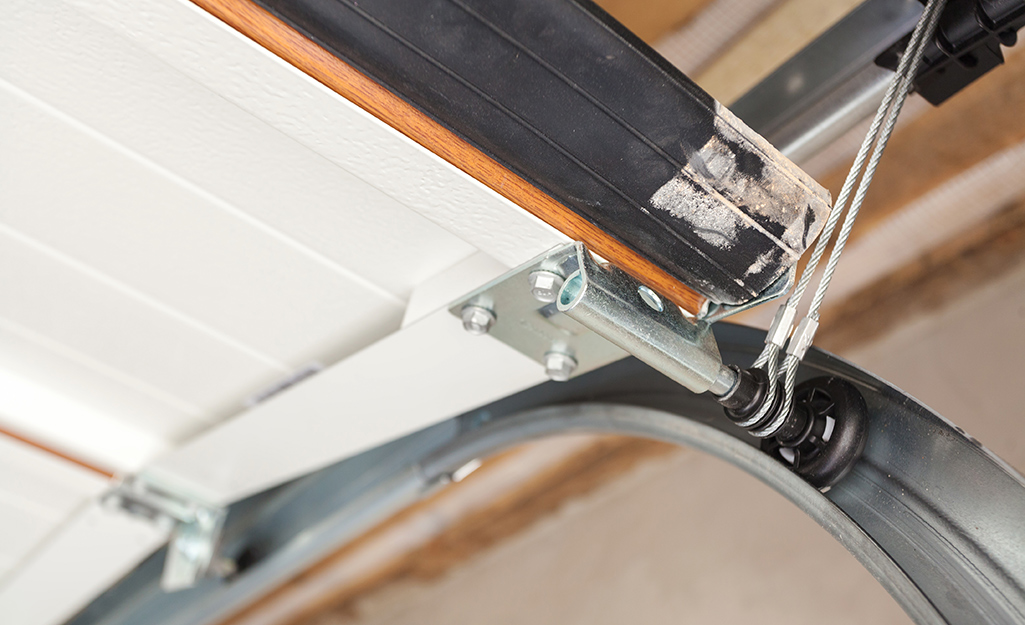
Adjusting Garage Door Cables
If your door is uneven or one side doesn’t lift properly, the cables might be out of sync.
Steps To Adjust Cables
- Open the door completely to relieve tension.
- Secure the door with clamps.
- Loosen the set screws on the drum (for torsion spring systems).
- Adjust the cable by winding or unwinding it on the drum.
- Tighten the set screws and test the door.
Warning: Never work on cables under tension without proper tools and experience. Cables can whip and cause injury.
Non-obvious insight: A sagging cable is often a sign of a frayed cable—replace, don’t just adjust.
Leveling And Balancing The Garage Door
A level, balanced door is key to smooth operation and long opener life.
How To Level And Balance
- Disconnect the opener using the emergency release.
- Lift the door halfway and let go.
- If it stays, it’s balanced.
- If it moves, adjust the springs as described earlier.
- Check side-to-side level with a carpenter’s level at the bottom of the door.
- Adjust cable tension or track height if one side is lower.
Pro tip: Always recheck balance after any spring or cable adjustment.
Adjusting Hinges And Rollers
Worn or loose hinges and rollers cause noise and poor operation.
Steps
- Tighten all hinge bolts with a wrench.
- Replace any worn or cracked rollers.
- Lubricate moving parts as described earlier.
Example: If your door pops or bangs during movement, check for loose hinges.
Weatherstripping And Sealing The Door
Gaps under or around your door let in water, dust, and pests.
How To Adjust Or Replace Weatherstripping
- Check the bottom seal for cracks or gaps.
- Loosen the retainer screws and slide the old seal out.
- Install a new seal and tighten screws.
- Check side and top seals; replace if needed.
Pro tip: Use a weather-resistant seal for best results. Adjust the door position if gaps remain.
Knowing When To Call A Professional
Some garage door adjustments are safe for DIY, but others are better left to professionals.
Call a pro if:
- You see a broken spring or cable.
- The door is bent or off its tracks.
- The opener’s electronics malfunction.
- You feel unsafe or unsure.
Professional help costs more but prevents injuries and further damage. Most repairs are completed in a few hours.
For more about garage door safety and maintenance, see the Angi Garage Door Safety Guide.
Example: Step-by-step Garage Door Adjustment
Let’s walk through a typical adjustment for a common problem—an uneven door that won’t close properly.
- Inspect the tracks for bends or obstructions. Clean and realign as needed.
- Check cables for even tension. Adjust if one side is looser.
- Test balance with the opener disconnected.
- Adjust springs if needed, always using the correct tools.
- Check the opener’s limit switch if the door still won’t close fully.
- Lubricate moving parts and test operation.
Result: The door should close evenly and quietly.
Maintenance Tips For Long-lasting Performance
Regular maintenance prevents most adjustment issues.
- Check and tighten hardware monthly.
- Lubricate springs and rollers every 6 months.
- Inspect weatherstripping yearly.
- Test auto-reverse feature of openers regularly.
- Keep tracks clean and clear of debris.
Non-obvious insight: Most garage doors last 15–30 years, but regular maintenance can extend lifespan and reduce repair costs.
Frequently Asked Questions
How Often Should I Adjust My Garage Door?
Most doors need minor adjustments once or twice a year, especially after seasonal changes or heavy use. If you notice problems like uneven closing, noise, or difficulty opening, inspect and adjust as needed.
Can I Adjust Garage Door Springs Myself?
You can adjust extension springs with care, but torsion springs are dangerous and best left to professionals. Always use the correct tools and follow safety precautions. Never remove or loosen high-tension springs unless you are trained.
Why Does My Garage Door Make Loud Noises?
Common causes include lack of lubrication, loose hardware, worn rollers, or misaligned tracks. Start with cleaning, tightening, and lubricating all moving parts. If noise continues, inspect springs and hinges for wear.
What Is The Best Lubricant For Garage Doors?
Use a garage door-specific spray lubricant (usually silicone or lithium-based). Avoid WD-40 or heavy grease, as they can attract dirt and gum up moving parts.
When Should I Replace Instead Of Adjust My Garage Door?
Replace the door if you see major damage—such as cracked panels, broken springs or cables, or significant rust. If your door is over 20 years old and needs frequent repairs, replacement is often more cost-effective.
A well-adjusted garage door works quietly, safely, and reliably. With the steps above, you can fix common problems and keep your garage door in top shape for years. Remember—if you’re ever unsure, professional help is just a call away.