
How High Is A Garage Door
If you are planning to build, remodel, or simply replace a garage door, one of the first things you’ll need to know is the standard height. Whether you want to fit a large truck or just a small sedan, the height of your garage door is crucial.
It affects not only what can go inside but also the overall look and function of your garage. Many homeowners overlook this detail until installation day, leading to costly mistakes or wasted time. Let’s break down everything you need to know about how high a garage door is, why it matters, and how to choose the right one for your needs.
Understanding Standard Garage Door Heights
Garage doors come in several standard heights that fit most residential and commercial needs. The most common residential garage door heights are:
- 7 feet (84 inches)
- 8 feet (96 inches)
The 7-foot height is by far the most popular in the United States. It fits most cars and small SUVs with room to spare. The 8-foot option is often chosen for taller vehicles, trucks, or if you want a more spacious feeling in your garage.
Commercial garage doors can be much taller, starting from 10 feet and going up to 14 feet or more. These are designed for delivery vans, RVs, or industrial vehicles.
Why Are These Heights Standard?
Garage door manufacturers, builders, and architects agreed on these standard sizes to make replacement and construction easier. When you order a new door or opener, you can almost always find something that fits a 7-foot or 8-foot opening. This also keeps costs down because manufacturers can produce these sizes in large quantities.
Standard Height Comparison
Here’s a quick look at the most common garage door heights and what they fit:
| Height (feet) | Height (inches) | Best For | Typical Use |
|---|---|---|---|
| 7 | 84 | Cars, small SUVs | Most homes |
| 8 | 96 | Trucks, vans, large SUVs | Homes with tall vehicles |
| 10 | 120 | RVs, commercial vehicles | Commercial garages |
| 12+ | 144+ | Box trucks, buses | Warehouses, industrial |
Custom Garage Door Heights
While standard sizes work for most, there are times when you need a custom height. Maybe you own a lifted truck, a tall van, or need to fit a boat. In these cases, garage door manufacturers can build to your exact measurements.
Custom heights can range from as low as 6 feet (for special applications) to 14 feet or higher. However, choosing a custom size means:
- Higher cost (custom fabrication)
- Longer wait times (special order)
- Possible changes to the garage framing
When Do You Need A Custom Height?
You might consider a custom door if:
- Your vehicle is extra tall (commercial van, RV, lifted truck).
- The existing garage opening is not standard size due to an old building.
- You want to use your garage for something other than parking, like a home gym with tall equipment.
Limitations Of Custom Sizes
While custom heights solve many problems, they can also create new ones. For example, garage door openers, tracks, and insulation materials may need to be custom ordered as well, increasing the total project cost. Make sure to check with your builder or installer about the full impact before you decide.
Factors That Affect Garage Door Height
Choosing the right height is not just about the door itself. Several factors play a role:
1. Vehicle Size
Measure your vehicle’s height, including any roof racks or accessories. Add at least 4-6 inches of extra clearance for safe entry and exit. For example, if your SUV is 6′ 4″ tall, a 7-foot door gives you enough room.
2. Garage Ceiling Height
The ceiling inside your garage must be tall enough for the door to move up and down. Most standard garages have ceilings at least 8 feet high, but if you want a taller door, you may need a higher ceiling.
3. Door Mechanism
The type of garage door opener and track system affects how much height you need. Some openers require more overhead space, while others are designed for low-clearance areas.
4. Building Codes
Local building codes can sometimes restrict how high your garage door can be. Always check with your city or county building department before ordering a new door.
5. Future Needs
Think about the future. If you plan to buy a bigger vehicle or convert the garage for other uses, a taller door might be a smart investment.
Residential Garage Door Heights Explained
Most homeowners will choose between the two main sizes: 7-foot and 8-foot garage doors.
7-foot Garage Doors
This is the classic size for American homes. It is tall enough for almost all sedans, hatchbacks, and regular SUVs. Most garage door openers and hardware are designed for this size, making installation straightforward.
Pros:
- Affordable and easy to find
- Works with almost all residential vehicles
- Easier to install or replace
Cons:
- Might be too short for lifted trucks or vans
- Limits future upgrades
8-foot Garage Doors
An 8-foot door adds an extra foot of clearance. This is enough for nearly all consumer vehicles, including tall SUVs, pickup trucks, and vans with roof racks.
Pros:
- Fits almost any vehicle
- Good for resale value (future-proofing)
- Makes the garage feel more spacious
Cons:
- Slightly higher cost
- May require higher garage ceiling
One Vs. Two-car Garage Door Heights
A common question is: does the door height change for one-car vs. two-car garages? The answer: height is usually the same (7 or 8 feet), but the width changes. A single-car door is often 8 or 9 feet wide, while a double-car door can be 16 feet wide.
Commercial And Industrial Garage Door Heights
In commercial settings, garage doors need to be much taller. These are designed for delivery vans, RVs, buses, or even trucks with cargo.
Common Commercial Heights
- 10 feet (120 inches)
- 12 feet (144 inches)
- 14 feet (168 inches)
Why So Tall?
Commercial doors need to clear the height of large vehicles and sometimes allow for loading/unloading with forklifts. A warehouse might have a 14-foot tall door for maximum flexibility.
Commercial Garage Door Height Comparison
Here’s a quick view of typical commercial door heights and their uses:
| Door Height (feet) | Vehicle/Use | Notes |
|---|---|---|
| 10 | Delivery vans, box trucks | Standard for small businesses |
| 12 | RVs, tall trucks | Common for auto shops |
| 14 | Buses, large trucks | Needed for warehouses |
Unique Needs For Commercial Doors
Commercial settings may require roll-up doors, fire-rated doors, or insulated doors. These can all be made in custom heights to fit special needs, but always at a higher price.
Measuring Your Garage Door Height
Getting the correct measurement is essential before ordering a new door. Here’s how to do it:
- Use a tape measure to measure from the finished floor to the bottom of the header (top frame) of the garage opening.
- Measure in several places to check for uneven flooring.
- Write down the smallest measurement. This will be your maximum door height.
- Measure the ceiling height too, to ensure there is enough room for the door track and opener.
Example
If your opening measures 7 feet 1 inch in one spot and 6 feet 11 inches in another, use the 6 feet 11 inches as your height. Uneven flooring can cause problems with installation.
Common Measurement Mistakes
Many homeowners forget to measure from the finished floor. If you measure from bare concrete and later add flooring, the door may not fit. Always measure after any flooring or ramps are installed.
Garage Door Height Vs. Clearance
There’s a difference between the garage door height and the usable clearance once installed.
- Door height is the size of the opening.
- Clearance is the vertical space you can actually use after the door, tracks, and opener are installed.
Some door systems hang down several inches, reducing the usable height. If you have a very tall vehicle, ask your installer about the clearance needed for the opener and tracks.
Insulation And Garage Door Height
Adding insulation to your garage door is important for energy efficiency, but it can also affect the door’s height and weight.
- Thicker insulation means heavier doors, which may require stronger springs.
- Insulated doors are often available only in standard heights, so custom heights can limit your insulation options.
If you live in a region with extreme temperatures, always ask about insulation before choosing a custom height.
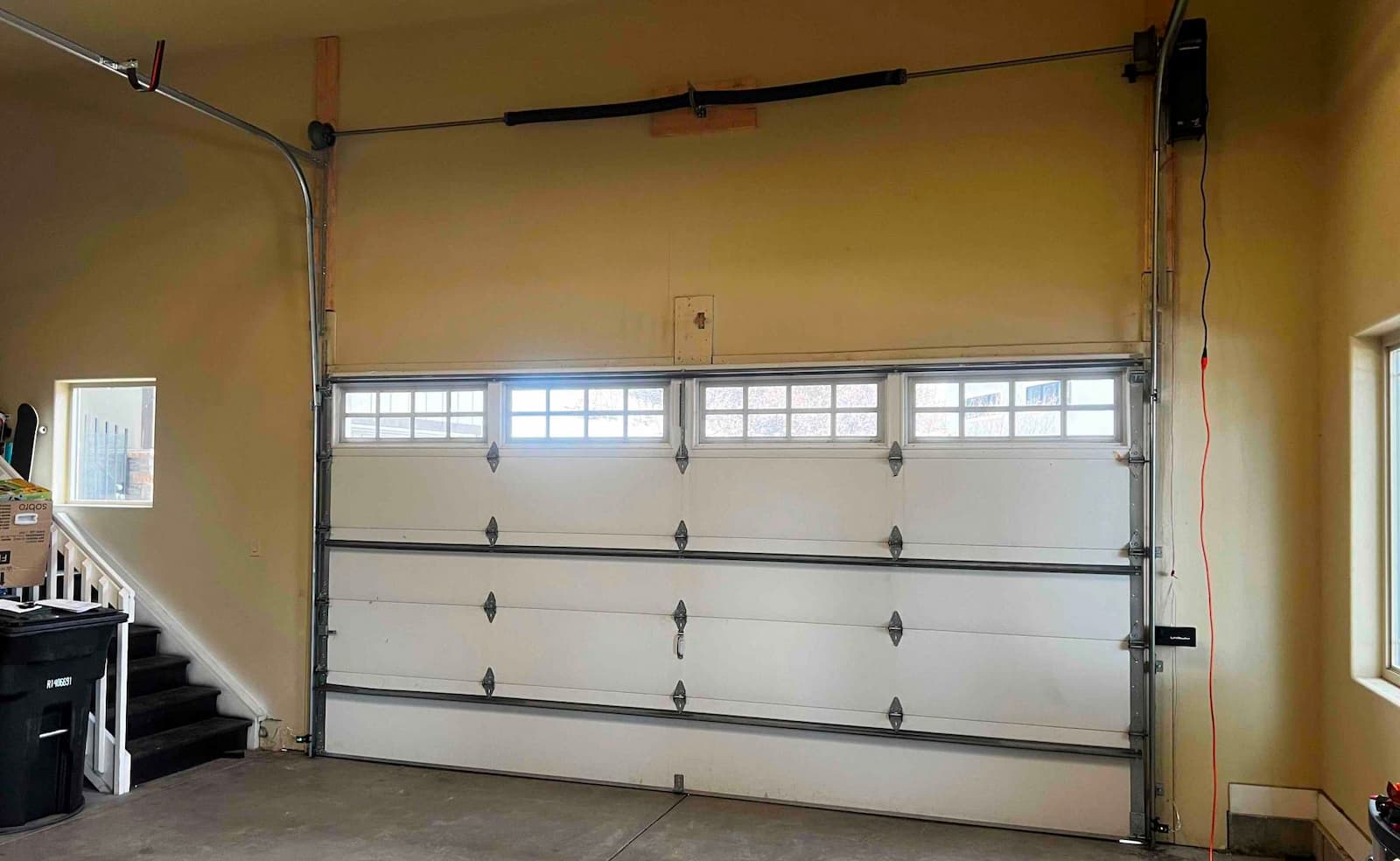
Garage Door Height And Home Design
Choosing the right garage door height is about more than just fitting your car. The height can affect the look and style of your home.
Curb Appeal
A taller garage door can make your home look more modern and impressive. However, if the door is too tall for the house, it can look out of place.
Architectural Style
Some home styles, like Craftsman or Colonial, look best with standard 7-foot doors. Modern homes might suit taller, sleek doors.
Hoa Rules
If you live in a neighborhood with a Homeowners’ Association, check the rules. Some HOAs limit garage door size for visual consistency.
Installation Considerations For Different Heights
Not all garages are built the same. The installation process can change based on the door height.
Standard Height Installation
Most installers can quickly fit a 7 or 8-foot door, as all hardware and openers are designed for these sizes.
Tall Door Installation
Doors over 8 feet may need:
- Reinforced tracks and hardware
- Special order openers
- Additional bracing for wind or weight
This means higher installation costs and sometimes longer installation times.
Retrofitting An Existing Garage
If you want to change your garage door height, it may require:
- Modifying the garage framing (raising the header)
- Changing the ceiling height inside
- Upgrading the opener and tracks
This can be a complex job, so get quotes from several contractors.
Garage Door Height And Safety
Safety is a critical part of any garage door, especially tall or custom-sized doors.
Spring Strength
Taller doors are heavier, requiring stronger springs. Weak springs can fail, leading to accidents.
Opener Power
A standard 1/2 horsepower opener may struggle with a tall, heavy door. For doors over 8 feet, a 3/4 or 1 horsepower opener is often recommended.
Emergency Release
Make sure the emergency release handle is accessible. For very tall doors, this handle can sometimes be out of reach.
Garage Door Height And Smart Technology
Smart garage door openers are becoming more common, allowing you to control the door with your phone. But not all smart openers fit all door heights.
- Check compatibility with tall or custom doors.
- Some openers are rated only for doors up to 8 feet.
- For taller doors, ask for a compatible extension kit.
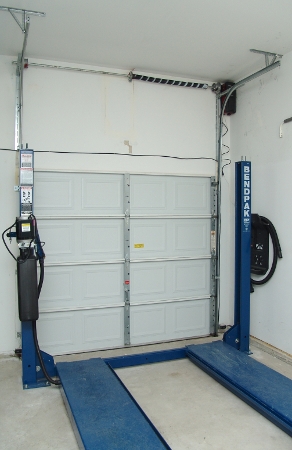
Credit: ddmgaragedoors.com
Regional Variations In Garage Door Height
While 7 and 8 feet are standard across the US, some regions have unique preferences.
- In snowy areas, taller doors are common to fit vehicles with roof racks or snow plows.
- In Texas and the Southwest, larger trucks are popular, so 8-foot doors are more common.
- In urban areas with small garages, 7-foot doors are almost universal.
Cost Differences By Garage Door Height
Height is one of the main factors in garage door pricing.
- 7-foot door: Most affordable, widely available, many style options.
- 8-foot door: 10-20% higher cost than 7-foot, less variety but still easy to find.
- 10+ foot door: Significant price jump, often special order, higher installation cost.
Other factors that affect price:
- Material (steel, wood, aluminum)
- Insulation
- Decorative features
Sample Price Comparison
Here’s a look at rough average prices by door height:
| Door Height (feet) | Average Price (USD) | Notes |
|---|---|---|
| 7 | $900 – $1,500 | Standard, uninsulated |
| 8 | $1,100 – $1,800 | Standard, uninsulated |
| 10+ | $2,000 and up | Custom, insulated, commercial |
*Note: Prices vary by region, material, and features.*
Common Mistakes When Choosing Garage Door Height
Many homeowners make errors when selecting a garage door height. Here are some to avoid:
- Guessing the size: Always measure your opening and vehicle. Don’t rely on memory or assumptions.
- Ignoring opener compatibility: Not every opener works with tall doors.
- Forgetting about clearance: Consider light fixtures, pipes, or shelving inside the garage.
- Not thinking about resale: A very tall or very short door can affect home value.
- Overlooking HOA or city rules: Always check before you buy.
How To Choose The Right Garage Door Height
Choosing the best height involves more than just measuring your car. Here’s a step-by-step approach:
- Measure your largest vehicle, including future vehicles you might own.
- Measure the garage opening from finished floor to header.
- Check ceiling height inside the garage for track and opener clearance.
- Ask about local building codes and HOA restrictions.
- Consider your long-term plans (upgrading vehicles, using garage for other purposes).
- Consult a professional installer for advice, especially if you want a custom size.
Real-world Examples
Example 1: Family With Two Suvs
The Smith family owns a standard SUV and a minivan. Their garage opening is 7 feet tall. Both vehicles fit easily, but when they bought a new roof rack, they realized the minivan was nearly touching the top. They decided to install an 8-foot door during their next home renovation to avoid problems.
Example 2: Rv Owner
Jane owns a Class B RV that is 9 feet tall. Her existing garage door was only 8 feet, so she had to park outside. She ordered a custom 10-foot door, but also had to raise the garage ceiling and frame.
The project cost more but allowed her to keep the RV secure indoors.
Example 3: Small City Garage
Mike lives in the city with a small, one-car garage. The opening is just under 7 feet, so he drives a compact car and has no issues. He considered buying a taller SUV, but realized he would also need a major renovation to fit it in the garage.
Two Key Insights Most Beginners Miss
- The opener system limits usable height: Even if your opening is 8 feet, the opener rail and door hangers can lower actual clearance by several inches. Always check total clearance, not just opening size.
- Garage doors settle over time: Older garages can shift or sag, reducing the opening height by an inch or more. Measure carefully, especially if your garage is more than 20 years old.
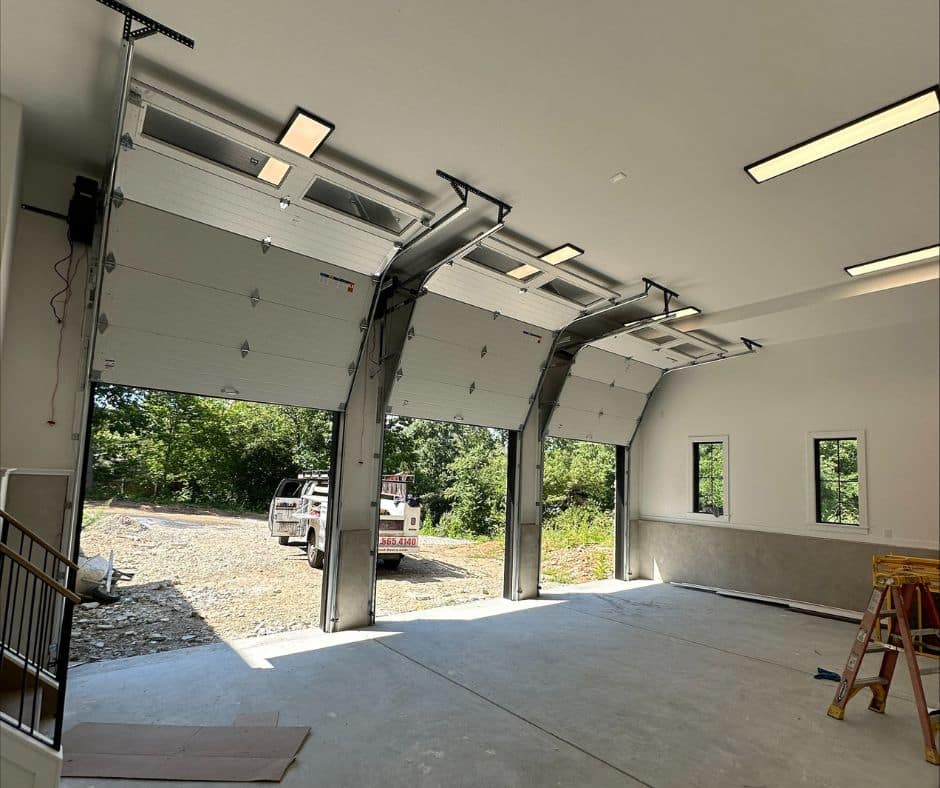
Where To Find More Information
For deeper technical details, the Wikipedia page on garage doors offers a strong overview of types, mechanisms, and standards.
Frequently Asked Questions
How Do I Measure My Garage Door Height Correctly?
Use a tape measure to go from the finished floor up to the bottom of the header (the top frame piece) of the garage opening. Measure at several points and use the smallest number. Make sure you measure after any flooring is installed.
What Is The Most Common Garage Door Height In The Us?
The most popular residential garage door height in the United States is 7 feet (84 inches). This fits most cars and small SUVs, and it’s the default size for most new homes.
Can I Install A Taller Garage Door In An Old Garage?
It is possible, but it often requires changing the framing, raising the ceiling, or modifying the structure. This can be expensive and may require a building permit. Consult with a garage door professional before starting.
Does The Opener Type Affect Garage Door Height?
Yes. Some garage door openers are only rated for doors up to 7 or 8 feet. For taller doors, you may need a stronger opener or a special extension kit. Always check compatibility before you buy.
Are There Restrictions On Garage Door Height In Some Neighborhoods?
Yes. Many Homeowners’ Associations (HOAs) and local building codes have rules about garage door size and appearance. Always check with your HOA or local building department before ordering a custom-height door.
A well-chosen garage door height can make your daily life easier, protect your vehicles, and even boost your home’s value. Take the time to measure carefully, plan for the future, and consult with professionals before making a final decision. With this knowledge, you’ll avoid common mistakes and choose the garage door that fits your needs perfectly.