
A garage door opener might not be the most exciting device in your home, but it’s something you depend on every day. You probably don’t think about it until it stops working. Then, suddenly, you wonder: How long is this thing supposed to last? Is it already time for a replacement, or can you make it work a few more years? These questions matter, especially since a broken garage door opener can disrupt your whole routine and even become a safety concern.
Understanding the lifespan of a garage door opener helps you plan better, avoid unexpected breakdowns, and make smarter maintenance choices. Many people are surprised to learn that not all openers last the same amount of time, and several factors—some obvious, some hidden—can change their lifespan dramatically.
In this guide, you’ll discover what really affects how long a garage door opener lasts, how to spot signs of trouble, and how you can stretch out its life with simple steps. We’ll also look at when it’s smarter to repair versus replace, and what you need to know if you’re thinking about upgrading.
Let’s dive into everything you need to know about the life expectancy of garage door openers, so you can keep your home secure and running smoothly.
Typical Lifespan Of A Garage Door Opener
Most people want a simple answer: How long does a garage door opener last? The general rule is that a modern garage door opener lasts between 10 to 15 years. But this is just an average. Some openers last only 8 years, while others keep working for 20 years or more.
This wide range happens because several factors play a role:
- Type of opener (chain, belt, screw, or direct drive)
- Usage frequency
- Maintenance habits
- Quality of installation
- Local climate
According to the International Association of Certified Home Inspectors, the average life expectancy is about 10–15 years, but with proper care, you can often push it closer to 20 years.
Types Of Garage Door Openers And Their Longevity
Not all garage door openers are built the same. The main types are chain drive, belt drive, screw drive, and direct drive. Each has its own strengths, weaknesses, and typical lifespan.
| Opener Type | Average Lifespan (Years) | Key Features |
|---|---|---|
| Chain Drive | 10–15 | Sturdy, affordable, a bit noisy |
| Belt Drive | 12–17 | Quiet, smooth, more expensive |
| Screw Drive | 10–15 | Fewer parts, less maintenance |
| Direct Drive | 15–20 | Very quiet, reliable, costly |
Chain Drive
Chain drive openers are the most common and usually the cheapest. They use a metal chain to move the door. These openers are tough and dependable but can be noisy—something to think about if your garage is close to bedrooms.
Belt Drive
Belt drive openers use a rubber belt instead of a chain. This makes them much quieter and smoother. They also tend to last a little longer than chain drives because there’s less vibration and wear.
Screw Drive
Screw drive openers use a threaded steel rod. They have fewer moving parts, which means less can go wrong. However, they can be sensitive to extreme temperatures, which might shorten their life in very hot or cold climates.
Direct Drive
Direct drive openers are the quietest and often last the longest. They have a single moving part, which reduces wear. They cost more upfront, but their reliability often makes up for the price.
Main Factors That Affect Lifespan
Your garage door opener’s lifespan isn’t just about its brand or model. Everyday choices and situations also play a big role. Here are the main factors to consider:
1. Usage Frequency
How many times do you open and close your garage door each day? The more you use it, the faster the opener’s motor, gears, and other parts wear out.
- Light usage (2–4 times daily): Opener often lasts beyond 15 years.
- Heavy usage (8–10 times daily): Lifespan may drop to 8–10 years.
A family with multiple cars or kids who use the garage as a main entrance will see more wear.
2. Door Weight And Balance
Garage door openers are designed to lift a balanced door. If the door is heavy or out of balance, the opener has to work harder, stressing the motor and gears.
A common beginner mistake is ignoring door balance. If your door doesn’t stay halfway open when disconnected from the opener, it’s out of balance and needs adjustment.
3. Quality Of Installation
A poorly installed opener, or one that’s not matched to your door’s weight, will fail sooner. Professional installation ensures the opener is set up correctly, reducing early wear.
4. Maintenance
Regular maintenance can add years to your opener’s life. This includes lubricating moving parts, checking door balance, and inspecting for worn gears or loose bolts.
Surprisingly, many people neglect this. Just a few minutes of maintenance every few months can prevent breakdowns and expensive repairs.
5. Environmental Conditions
Climate affects your opener more than you might think:
- Humidity can cause rust.
- Extreme cold can make lubricants thick and motors sluggish.
- Heat can damage plastic parts and electronics.
If you live near the coast or in an area with big temperature swings, you might see a shorter lifespan.
6. Power Surges And Outages
Garage door openers rely on electronics. Power surges, lightning strikes, or frequent outages can damage circuit boards. Using a surge protector can guard against sudden failures.
7. Opener Quality And Brand
Higher-quality brands use better parts, which usually last longer. Cheaper openers sometimes cut corners, leading to early breakdowns. Investing in a trusted brand can pay off over time.
Signs Your Garage Door Opener Is Failing
You don’t want to wait until your garage door opener stops working completely. Here are key warning signs that your opener is near the end of its life:
- Unusual noises – Grinding, squeaking, or rattling sounds often mean worn gears or loose parts.
- Slow or jerky movement – If the door hesitates or moves unevenly, the opener might be struggling.
- Intermittent operation – Sometimes the door works, sometimes it doesn’t. This points to failing electronics.
- Door reverses suddenly – If the door starts closing, then reverses, sensors or the opener’s safety system may be malfunctioning.
- Remote or keypad problems – If remotes work poorly even after battery changes, the opener’s receiver could be failing.
- Vibration in the opener unit – This might mean the motor or mounting is coming loose.
- Old age – If your opener is over 10–15 years old, consider replacement, even if it’s still working.
Ignoring these signs can lead to sudden breakdowns, sometimes trapping your car inside or outside the garage.
How To Extend The Life Of Your Garage Door Opener
The good news: you can usually make your garage door opener last longer with a bit of care. Here are smart steps to get the most from your opener:
1. Lubricate Regularly
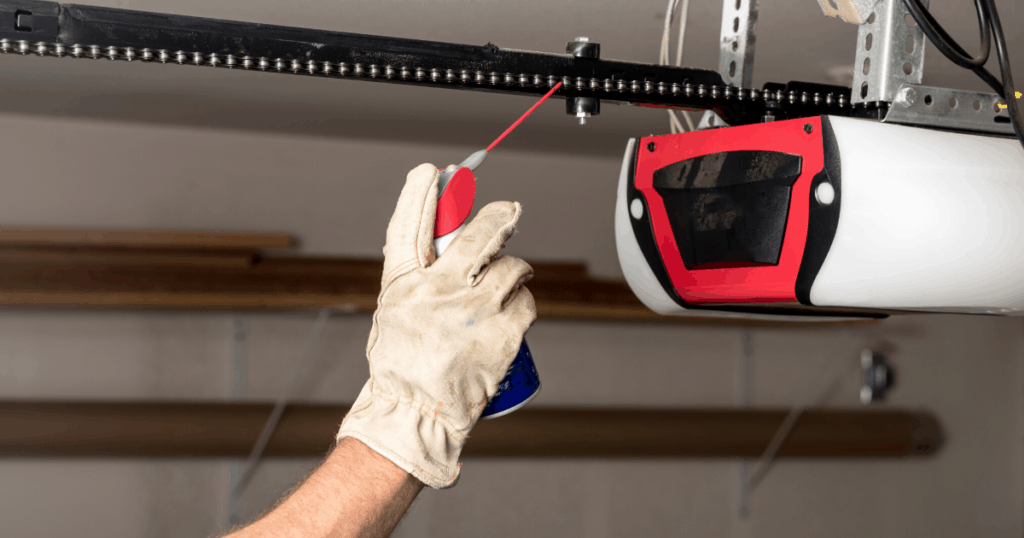
Lubricate the chain, screw, or belt drive with a garage door lubricant (not WD-40) every 6 months. This reduces friction and prevents premature wear.
2. Check And Adjust Door Balance
At least once a year, disconnect the opener and manually lift the door. If it doesn’t stay halfway up, call a professional to adjust the spring.
3. Tighten Hardware
Garage doors vibrate a lot. Check and tighten all bolts, nuts, and screws on the opener and door tracks every few months.
4. Test Safety Features
Test the auto-reverse feature by placing a block of wood under the door and closing it. The door should reverse immediately. If not, repair it right away.
5. Protect From Power Surges
Plug your opener into a surge protector to prevent damage from lightning or power spikes.
6. Clean The Tracks And Sensors
Dust and debris can block safety sensors or clog tracks, making the opener work harder.
7. Replace Worn Parts Quickly
If you notice a frayed belt or a rusty chain, replace it before it causes bigger problems.
8. Use The Right Bulbs
Many openers use special bulbs. Using regular bulbs can cause interference with remotes and shorten opener life.
A non-obvious tip: Don’t just focus on the opener. Keeping the entire door system in good shape (springs, rollers, tracks) reduces stress on the opener’s motor.
Repair Vs. Replace: When Is It Time?
It’s tempting to keep repairing an old opener. But sometimes, replacement is the smarter choice. Here’s how to decide:
Repair If:
- The opener is less than 10 years old.
- The problem is minor (like a worn gear or loose chain).
- The cost of repair is less than half the price of a new opener.
Replace If:
- The opener is over 10–15 years old.
- It lacks modern safety features (like photo-eye sensors).
- The main motor or circuit board has failed.
- Repairs are frequent or expensive.
Here’s a quick comparison to help you decide:
| Situation | Repair | Replace |
|---|---|---|
| Minor noise or loose chain | ✔️ | |
| Worn-out motor | ✔️ | |
| Lack of safety sensors | ✔️ | |
| Remote not working | ✔️ | |
| Opener older than 15 years | ✔️ |
A common beginner mistake is spending too much on repairs for an old opener. If your opener is showing its age and repair costs are mounting, replacement is almost always the better long-term investment.
Benefits Of Upgrading To A New Garage Door Opener
If your opener is near the end of its life, upgrading gives you more than just peace of mind. New models offer features that older openers can’t match:
- Quieter operation – Modern belt and direct drive openers are much quieter.
- Smartphone control – Many openers now connect to your phone, letting you open, close, or check status from anywhere.
- Better safety – All new openers include auto-reverse sensors and rolling code technology to stop hackers.
- Battery backup – Some models work even during power outages.
- Energy efficiency – New openers use less power and have LED lighting.
Upgrading can make life easier and your home more secure.
Real-life Examples: How Long Do Openers Last In Different Homes?
Let’s look at how different situations affect opener lifespan:
Example 1: The Busy Family
The Smiths have three kids, two cars, and use the garage as the main entrance. Their chain drive opener lasted only 9 years because it worked over 3,000 cycles per year. Frequent use, skipped maintenance, and a heavy wood door all played a role.
Example 2: The Careful Diyer
Maria lives alone and uses the garage twice a day. She lubricates the opener, checks door balance yearly, and installed a surge protector. Her belt drive opener is still going strong after 18 years.
Example 3: The Coastal Home
The Browns live near the ocean. Salt air caused rust, and humidity affected the electronics. Their screw drive opener lasted only 8 years, even with regular use.
These examples show that maintenance, climate, and usage habits matter just as much as the brand or opener type.
Common Mistakes That Shorten Opener Life
Many people accidentally reduce their opener’s lifespan. Here are mistakes to avoid:
- Ignoring maintenance – Skipping lubrication or checks leads to early wear.
- Forgetting door balance – An unbalanced door makes the opener work too hard.
- Using the wrong bulbs – Regular bulbs can interfere with remote signals.
- Delaying small repairs – Minor problems turn into big (and expensive) failures.
- Leaving the opener unprotected – Not using a surge protector risks electronic damage.
An important insight: The opener is only as reliable as the rest of the garage door system. Worn springs or rollers can stress even a new opener.
Key Features To Look For When Replacing Your Opener
If you do need a new opener, choosing the right one is important. Here’s what matters most:
- Drive type – Choose chain for budget, belt for quiet, direct for top reliability.
- Motor strength – Heavier doors need stronger motors (usually 1/2 HP or higher).
- Safety features – Look for photo-eye sensors and auto-reverse.
- Smart features – Wi-Fi control, timers, and alerts are common on newer models.
- Battery backup – Essential if you need to open the door during power outages.
- Brand reputation – Established brands like Chamberlain, LiftMaster, and Genie tend to last longer.
Here’s a quick comparison of popular features:
| Feature | Why It Matters | Available On |
|---|---|---|
| Wi-Fi/smartphone control | Remote access, alerts, convenience | Most new models |
| Battery backup | Works during outages | Premium models |
| Quiet operation | Great for attached garages | Belt/direct drive |
| Auto-reverse sensors | Safety for kids/pets | All new openers |
| LED lighting | Long-lasting, efficient | Some new models |
Don’t just buy the cheapest model. Consider your home’s needs and how you’ll use the opener.
Why Garage Door Opener Lifespan Matters
A garage door opener isn’t just a convenience—it’s a safety device and a key part of your daily life. A failing opener can:
- Make your home less secure
- Trap your car in the garage
- Fail to protect kids or pets with auto-reverse
Knowing how long openers last and how to extend their life helps you avoid unexpected headaches and costs.
A less obvious insight: Many home insurance policies won’t cover damage from garage door opener failure if you’ve ignored maintenance or used an old, out-of-date unit.
Frequently Asked Questions
How Many Cycles Does A Garage Door Opener Last?
Most openers are rated for about 10,000 cycles (one cycle = one open and close). For a family using the garage door four times a day, that’s about 7 years. With less use, it could last 15 years or more.
Can I Replace Just The Motor, Or Do I Need A Whole New Opener?
You can sometimes replace the motor, but for older models, it’s often better to replace the entire opener. New openers are safer and more efficient.
What’s The Most Durable Type Of Garage Door Opener?
Direct drive openers are usually the most durable, lasting up to 20 years with good care. Belt drive models are also reliable and quieter.
Do I Really Need To Lubricate My Garage Door Opener?
Yes. Regular lubrication reduces friction, prevents wear, and can add years to the opener’s life. Use a lubricant made for garage doors, not standard oils.
Are Smart Garage Door Openers Worth It?
For many, yes. Smart openers let you control your door from your phone, check if it’s open, and get alerts. They also have advanced safety and security features. For more details, check resources like the Consumer Reports guide.
Garage door openers don’t last forever, but with the right knowledge, you can make yours last as long as possible. Pay attention to signs of wear, keep up with simple maintenance, and don’t ignore the rest of your garage door system.
When the time comes, don’t hesitate to upgrade—you’ll enjoy better safety, convenience, and peace of mind for many years ahead.