
Bypassing a garage door sensor is something many homeowners consider at some point. Sensors are designed for safety, but sometimes they stop your garage door from closing, even if nothing is in the way. Maybe you are stuck in the rain, or your car is halfway inside, and the door just won’t move.
This can be frustrating and stressful. Before you rush to bypass these sensors, it’s important to understand the risks, the right methods, and when you should look for a better solution.
This guide explains how garage door sensors work, reasons people want to bypass them, and the safest ways to do it. You’ll also learn about legal and safety issues, common mistakes, and what to try before bypassing. Whether you’re a curious DIYer or just desperate to get your garage closed tonight, you’ll find step-by-step instructions, practical tips, and expert advice.
Understanding Garage Door Sensors
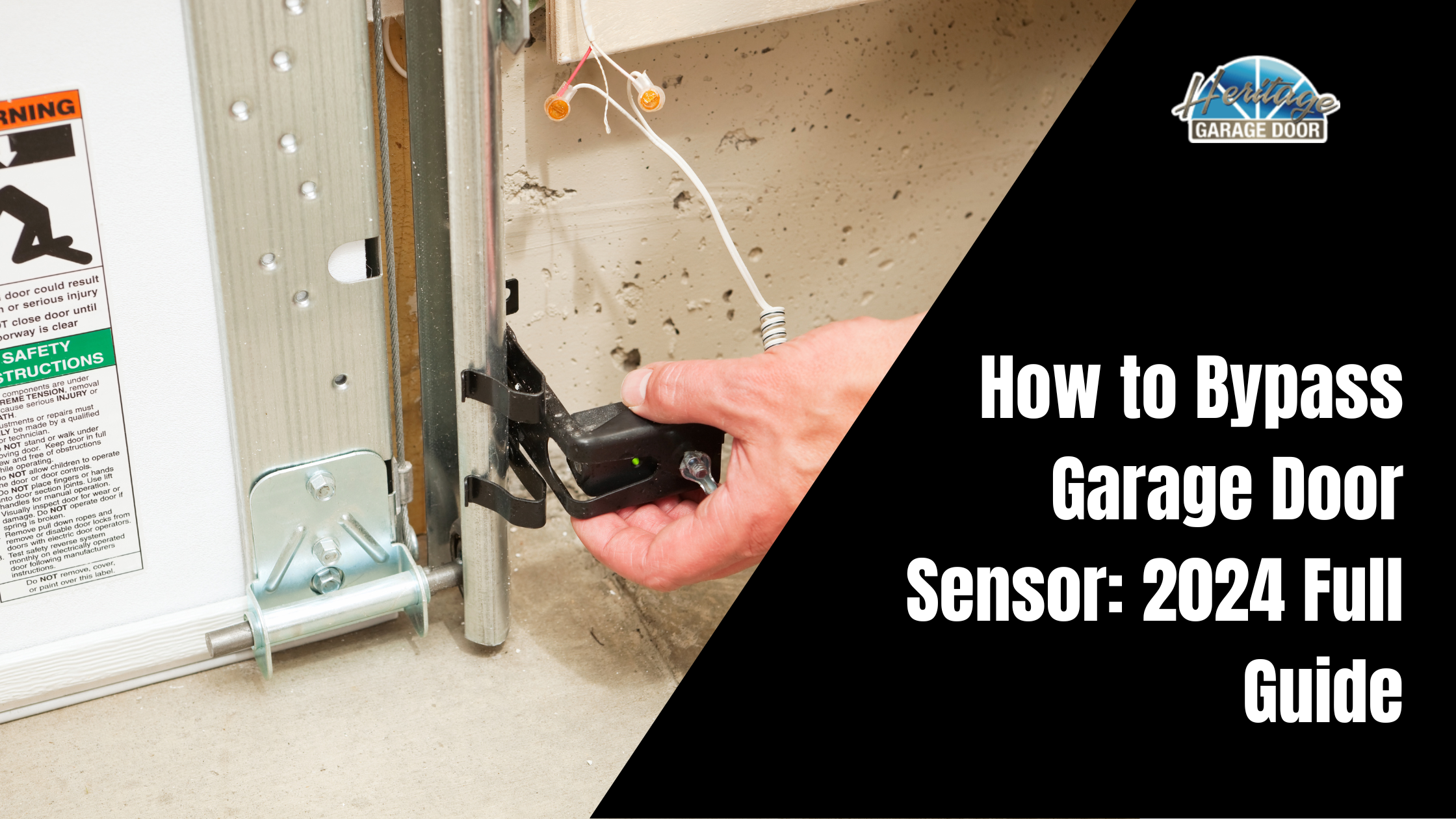
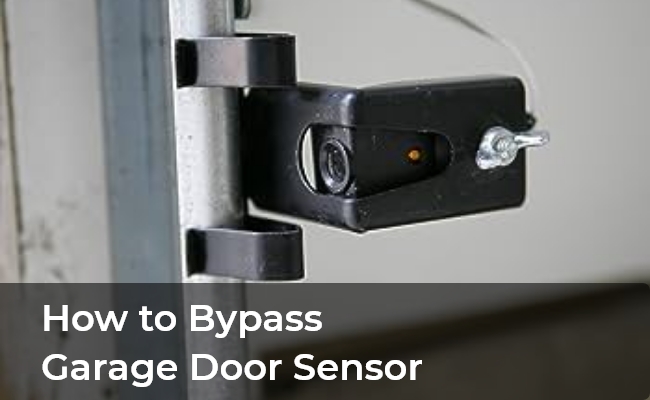
Garage door sensors, also called photo-eye sensors, are safety devices installed at the bottom of the garage door tracks. Their main job is to stop the door from closing if something is in the way—like a child, pet, or your car’s bumper. These sensors usually work by sending an invisible beam from one side of the garage door to the other. If the beam is broken, the door won’t close.
There are two main types of sensors:
- Photoelectric sensors: These use an infrared beam. If the beam is interrupted, the door reverses.
- Mechanical sensors: Less common, these use a physical bar that triggers if touched.
Why do sensors sometimes stop working? Dirt, misalignment, or wiring issues can make them think something is blocking the door. In most cases, fixing the sensor is better than bypassing it. But sometimes, you need a quick solution.
Is It Legal And Safe To Bypass A Garage Door Sensor?
Before you try anything, you should know the rules. Garage door sensors are required by law on all automatic garage doors made after 1993 in the US. The main reason is to protect children and pets from getting hurt. Bypassing sensors can make your garage door dangerous.
Legal risks: If you bypass the sensors and someone gets injured, you could be held responsible. Also, if you sell your home, a missing or bypassed sensor may cause problems during inspection.
Safety risks: A garage door weighs over 150 pounds on average. If the sensor is bypassed, the door might close on a person, animal, or object.
Only bypass a sensor for a short time, like when you need to close the door and the sensor is broken. Always fix or replace the sensor as soon as possible.
Why Would You Need To Bypass A Garage Door Sensor?
There are a few situations where bypassing a sensor might make sense:
- Sensor malfunction: Dirt, water, or wiring issues can cause false triggers.
- Emergency closure: You need to close the garage in a storm, or you feel unsafe.
- Testing: You are troubleshooting a garage door problem.
- Temporary fix: You are waiting for replacement parts.
But remember, bypassing is not a real repair. It’s just a way to get your garage door working until you fix the real problem.
What To Try Before Bypassing
Most sensor problems are easy to fix. Try these steps first:
- Clean the lenses: Dust, cobwebs, or water droplets can block the beam. Wipe both sensors with a soft cloth.
- Check alignment: The sensors must face each other. If one is bumped, gently adjust it until the indicator light is solid.
- Inspect wiring: Look for loose or broken wires. Repair any obvious damage.
- Remove obstructions: Make sure nothing is blocking the sensors, like a bike tire or trash can.
- Test the sensors: Most sensors have a green or red LED. If one is off or blinking, it needs adjustment.
If these steps don’t solve the problem, you may need to bypass the sensor temporarily.
Methods To Bypass A Garage Door Sensor
There are several ways to bypass a garage door sensor. Some are quick and temporary, while others are more involved. Below are the most common methods, with details about when to use them, how to do them, and their risks.
1. Manual Override Using The Emergency Release
Every garage door has a manual release—a red cord hanging from the opener rail. This is the safest way to open or close the door when the sensor isn’t working.
Steps:
- Pull the red emergency release cord. This disconnects the door from the opener.
- Lift or lower the door by hand.
- When you’re ready, reattach the door to the opener by moving the door until you hear a click.
Pros: Safe, no need to touch wires or sensors.
Cons: The door may be heavy. Not a permanent fix.
2. Press And Hold The Wall Button
Some garage door openers allow you to override the sensor by pressing and holding the wall-mounted button inside the garage.
Steps:
- Stand at the wall button.
- Press and hold the button until the door is fully closed.
Pros: Quick and easy. No tools needed.
Cons: Only works from inside. Doesn’t fix the sensor.
3. Align Or Tape The Sensors Together
If one sensor is loose, you can try aligning them or taping them together to simulate a clear path.
Steps:
- Point the sensors directly at each other.
- Secure them in place with electrical tape or zip ties.
Pros: Fast. No need to cut wires.
Cons: Doesn’t fix the real problem. Sensor is still vulnerable.
4. Jumper Wire Bypass At The Opener
This method tricks the opener into thinking the sensors are working by connecting their wires together.
Warning: This method is not recommended except as a last resort.
Steps:
- Unplug the garage door opener.
- Open the opener’s cover. Find the wires labeled “sensor” or “safety.”
- Remove both sensor wires.
- Use a short piece of wire (jumper) to connect the two sensor terminals.
- Close the cover and plug in the opener.
Pros: Can restore function if sensors are broken.
Cons: Removes all safety. Only use temporarily.
5. Rewiring The Sensors
If you’re comfortable with basic wiring, you can move the sensors up to the opener itself, or wire them together at the opener.
Steps:
- Disconnect the sensor wires from the sensors.
- Join the wires together so the opener thinks the sensors are connected.
- Tape the wires safely out of the way.
Pros: Hidden, works for longer periods.
Cons: Still not safe. Must be undone before sale or inspection.
6. Using A Reflective Object
Some sensors use a reflector instead of two separate units. Placing a piece of reflective tape or a mirror can sometimes fool the sensor.
Steps:
- Place a small mirror or shiny tape in front of the sensor.
- Adjust until the indicator light is solid.
Pros: Non-permanent. No wiring involved.
Cons: Only works with certain sensor types.
7. Bypassing With A Universal Bypass Device
There are devices sold online that plug into the sensor terminals and send a “safe” signal to the opener.
Steps:
- Purchase a universal bypass device designed for your opener model.
- Disconnect the sensors and connect the device.
- Secure the device inside the opener box.
Pros: Quick. Designed for this purpose.
Cons: May void warranty. Not safe for long-term use.
8. Disabling The Sensor Using The Opener’s Settings
Some newer garage door openers have a setting in the control panel that lets you disable the sensor.
Steps:
- Consult your opener’s manual.
- Enter the programming mode.
- Turn off the sensor feature.
Pros: No wiring needed. Easy to reverse.
Cons: Only works on select models.
9. Shorting Sensor Wires At The Sensor
If you cannot access the opener, you can connect the sensor wires together at the sensor location.
Steps:
- Remove the sensor from the bracket.
- Twist the two sensor wires together.
- Tape the wires to prevent shorts.
Pros: Quick access.
Cons: Wires can come loose.
10. Using A Remote To Close Door (sensor Override Feature)
Some garage doors allow you to override the sensor by holding a specific button on the remote.
Steps:
- Check your remote’s manual.
- Press and hold the override button.
- Release when the door is closed.
Pros: No tools or wiring.
Cons: Not available on all models.
Comparing The Methods
Not all bypass methods are equal. Some are safer or easier than others. Here’s a comparison of the main options:
| Method | Time Needed | Safety | Tools Required | Reversible |
|---|---|---|---|---|
| Manual Release | 1-2 min | Safe | None | Yes |
| Press/Hold Button | 1 min | Safe | None | Yes |
| Jumper Wire | 5 min | Unsafe | Wire, screwdriver | Yes |
| Bypass Device | 5-10 min | Unsafe | Device | Yes |
From the table, the manual release and press/hold wall button are safest and quickest. Methods involving wiring are riskier.
Dangers And Risks Of Bypassing A Garage Door Sensor
Bypassing a garage door sensor always comes with risks. Here’s what you need to know:
- Injury risk: Without sensors, the door can close on people, pets, or objects.
- Legal issues: You may violate building codes or insurance policies.
- Property damage: The door could crush a bike, car, or other items.
- Home sale problems: Inspectors look for working sensors.
A study by the Consumer Product Safety Commission found that over 20,000 injuries each year are related to garage doors. Most of these could be prevented by working sensors.
When Is It Okay To Bypass A Sensor?
You should only bypass a garage door sensor in these situations:
- Emergency closure: Bad weather, security reasons.
- Temporary testing: Diagnosing a problem for a few minutes.
- Waiting for repair: You’re waiting for new parts.
Never leave a bypass in place for more than a few hours or overnight. Always restore the sensor once you’re done.
How To Restore The Sensor After Bypassing
Once you’ve bypassed the sensor and solved your problem, restoring it is important for safety and compliance.
Steps:
- Remove any jumper wires, bypass devices, or tape.
- Reconnect the sensors and align them.
- Test the door to make sure the safety feature works.
- If possible, clean and adjust the sensors to prevent future problems.
If you’re not sure, call a professional technician to check your system.
Tips For Preventing Sensor Problems
Avoid the need for bypassing by taking care of your sensors:
- Clean the lenses monthly.
- Keep the area around the sensors clear.
- Test the door’s safety reverse feature every season.
- Protect sensors from water, mud, and lawn equipment.
If your sensors break often, consider upgrading to a newer, more reliable model.
Real-world Example: A Garage Door Sensor Problem
Maria lives in Texas. One night, her garage door would not close, and a thunderstorm was coming. She noticed one sensor’s light was blinking. She cleaned the sensor with a tissue but it kept blinking. She realized her trash can was blocking the beam.
After moving it, the door worked normally.
This shows that sometimes the fix is simple—no need to bypass or risk safety. Always check for easy problems first.
Common Mistakes When Bypassing Garage Door Sensors
Many people try to bypass their garage door sensors without understanding the risks. Here are common mistakes:
- Leaving the bypass in place: Always restore the sensor as soon as possible.
- Ignoring safety: Never let children or pets near the door when sensors are bypassed.
- Damaging wires: Use care when handling wires. Damaged wires can be costly to fix.
- Not checking alignment: Sometimes sensors are just misaligned. Don’t bypass before checking.
- Forgetting to test: Always test the door’s safety features after restoring the sensor.
How To Choose The Right Solution
Not sure which method to use? Consider these factors:
- How urgent is the need? For emergencies, use the manual release or press/hold button.
- Your skill level: If you’re not comfortable with wiring, avoid electrical bypasses.
- Long-term plan: If the sensor is broken, order a replacement and only bypass for a short time.
- Safety: Safety should always come first.
Here’s a quick guide to help you choose:
| Situation | Best Method | Why |
|---|---|---|
| Short-term emergency | Manual release or hold button | Quick, no tools, safe |
| Testing or troubleshooting | Hold button or align sensors | No risk to safety |
| Broken sensor, waiting for repair | Jumper wire (temporary) | Restores function |
| Repeated sensor problems | Replace sensors | Long-term fix |
When To Call A Professional
Sometimes, the best choice is to call a garage door technician. Here are signs you need help:
- The door moves unevenly or is very heavy.
- The opener makes strange noises.
- You see frayed wires or sparks.
- The sensor problem returns after each fix.
A trained professional can diagnose and repair your door safely.

The Bottom Line: Safety First
Bypassing a garage door sensor can be tempting when you’re in a hurry or frustrated. But it’s important to remember these sensors protect you, your family, and your property. Use bypass methods only when you have no other choice, and restore the safety system as soon as possible.
Most sensor problems are easy to fix without bypassing—clean them, check alignment, and look for simple obstructions. If you must bypass, choose the safest method for your situation, and never leave your garage door unprotected for long.
For more information on garage door safety, check the official Consumer Product Safety Commission resource.
Frequently Asked Questions
What Happens If I Bypass My Garage Door Sensor?
Bypassing the sensor means your garage door can close even if something is in the way. This increases the risk of injury or damage. It should only be done for a short time in emergencies.
Is It Illegal To Bypass A Garage Door Sensor?
In the US, all garage doors installed after 1993 must have working safety sensors. Bypassing them may violate building codes and insurance policies. You could be responsible if someone is hurt.
How Do I Realign My Garage Door Sensors?
Gently move the sensors so they face each other directly. The LED light should be solid (not blinking) when aligned. Tighten the bracket to keep them in place.
Can I Close My Garage Door With The Remote If The Sensor Is Bypassed?
Some openers allow closing with the remote if you bypass the sensor, but many require you to press and hold the wall button. Check your manual for details.
Should I Replace Or Bypass A Faulty Garage Door Sensor?
Always try to repair or replace faulty sensors first. Bypassing is only a short-term fix and should not be used as a permanent solution. Working sensors protect your safety.
By understanding your garage door system, knowing when bypassing is appropriate, and always keeping safety in mind, you can solve problems without putting your family or property at risk.