
A garage door that jumps off its track can turn a simple day into a stressful one. You try to open it, and suddenly the door groans, shakes, or even gets stuck halfway. This doesn’t just block your car—it can also be unsafe. But here’s the good news: with a little knowledge, the right tools, and safe steps, you can often get your garage door back on track without calling a professional. This guide will walk you through everything you need to know, from understanding why garage doors derail to fixing the problem and preventing it from happening again.
Why Garage Doors Come Off Track
Garage doors move up and down on metal tracks. When everything works, the rollers glide smoothly. But sometimes, things go wrong. Here are the most common causes:
- Obstructions in the track: Small objects, stones, or even a buildup of dirt can block the rollers, causing the door to jump out.
- Loose or broken hardware: Screws and bolts hold the tracks, brackets, and rollers together. If they become loose, parts shift, and the door can misalign.
- Damaged tracks or rollers: Dented tracks or worn rollers prevent smooth movement, making derailment more likely.
- Impact damage: If you bump the door with your car or a heavy object, the force can bend the track or knock the door off.
- Cable or spring problems: If a spring breaks or a cable slips, the door can lose balance and leave the track.
Non-obvious insight: Sometimes, garage doors come off track because of temperature changes. Metal expands in heat and contracts in cold, which can loosen track bolts or warp the track slightly over time.
Safety First: What To Do Before You Start
Working with a garage door involves heavy parts and strong springs. Safety is essential.
- Disconnect power: Always unplug the automatic opener or turn off its breaker. This stops the door from moving suddenly.
- Secure the door: If the door is stuck open, use C-clamps or locking pliers on the tracks below the bottom rollers. This keeps it from crashing down.
- Wear gloves and eye protection: Metal parts can be sharp, and springs are under tension.
- Check the springs: If you suspect a broken spring, do not try to fix it yourself. Springs store a lot of energy and can be dangerous.
Expert tip: Take a photo of the door and tracks before you start. This can help you remember how everything fits together.
Tools And Materials You’ll Need
Gather these before starting. Having everything ready saves time and frustration.
- Adjustable wrench or socket set
- Flathead screwdriver
- Pliers (locking pliers or C-clamps)
- Rubber mallet or hammer
- Stepladder
- Level
- Clean cloth or rag
- Lubricant (silicone-based garage door spray)
- Replacement hardware or rollers (if needed)
Non-obvious insight: Do not use regular grease or WD-40 on garage door parts. These can attract dust and gum up the rollers. Use a silicone-based spray designed for garage doors.
Step-by-step: How To Get A Garage Door Back On Track
Let’s walk through the process in detail, from inspecting the problem to testing the fix.
1. Identify Where The Door Is Off Track
Look at both sides of the garage door. Notice:
- Which rollers are out of the track?
- Is the track bent, or just the rollers out?
- Are there any loose or missing bolts?
If more than one roller is out or the track is badly bent, you may need extra help or replacement parts.
2. Open The Track
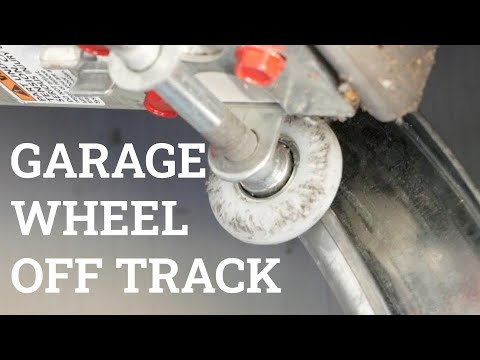
Use a stepladder to safely reach the area where the roller has left the track. Use pliers to bend the track’s edge outward just enough to fit the roller back in. Be gentle—over-bending can weaken the track.
Tip: Only open the track where the roller is out. Don’t open large sections, as this can affect alignment.
3. Move The Garage Door Manually
With the opener disconnected, gently lift or lower the door until the roller lines up with the open section of the track. You may need help—garage doors are heavy.
4. Guide The Roller Back Into The Track
With a partner holding the door steady, use a flathead screwdriver to nudge the roller into the track. Once it’s in, use a rubber mallet to tap the track back into shape.
5. Check And Tighten All Hardware
Go over the entire track system:
- Tighten all bolts and screws on the tracks and brackets.
- Check for missing or stripped hardware.
- Make sure the track is straight and even.
Data insight: According to industry reports, loose hardware is responsible for about 30% of residential garage door derailments.
6. Lubricate Moving Parts
Spray silicone lubricant on the rollers, hinges, and inside the tracks. This helps the door move smoothly and prevents future derailments.
7. Test The Door
With the opener still unplugged, slowly open and close the door by hand. Listen for scraping, sticking, or uneven movement. If it moves smoothly, reconnect the opener and test it with the remote.
Practical tip: If the door still feels heavy or jerky, check the springs and cables. Do not force the door—this can cause more damage.
Common Problems And How To Fix Them
Even after getting the door back on track, some issues may remain. Here’s how to address them.
Roller Pops Out Again
If the same roller keeps coming out:
- The track may be bent or not aligned with the other side.
- The roller itself could be worn or broken.
Replace damaged rollers with heavy-duty nylon or steel versions. These last longer and run quieter.
Noisy Or Stiff Movement
If the door squeaks or sticks:
- Clean the track with a rag to remove dirt and old lubricant.
- Apply fresh silicone-based lubricant.
- Check for flat spots on rollers—replace if needed.
Door Won’t Close Evenly
If the door is crooked or gaps remain at the bottom:
- Check that both tracks are vertical and parallel.
- Use a level to confirm.
- Adjust the brackets holding the track to the wall as needed.
Non-obvious insight: Sometimes the concrete floor or garage foundation can settle, making the door look uneven. In these cases, weatherstripping or a new bottom seal may help.
When To Call A Professional
Some garage door problems are too risky or complex for DIY fixes. Call a trained technician if:
- The main spring is broken or looks stretched.
- Cables are frayed or off the drum.
- The door is stuck halfway and won’t move.
- The track is bent beyond simple repair.
- You have a double or extra-heavy door.
Professional repair prevents injury and can save money by avoiding bigger problems later.
Comparison: Diy Fix Vs. Professional Repair
If you’re unsure whether to fix the garage door yourself or call an expert, here’s a clear comparison:
| Aspect | DIY Repair | Professional Service |
|---|---|---|
| Cost | Low (tools and time only) | Higher (labor and parts) |
| Time | 1-2 hours (simple fix) | 30-60 minutes (experienced tech) |
| Risk | Moderate (if careful) | Low (trained and insured) |
| Warranty | None (unless parts have warranty) | Usually included |
| Tools Needed | Basic hand tools | Professional tools |
Preventing Future Garage Door Off-track Issues
A little maintenance goes a long way in keeping your garage door working smoothly. Here are the most effective prevention strategies:
1. Regular Inspection
Every few months, check the tracks, rollers, and all hardware. Look for loose bolts, rust, or damage. Tighten and lubricate as needed.
2. Keep Tracks Clean
Dirt and debris easily collect in the tracks. Wipe them with a clean, dry cloth, and avoid using water, which can cause rust.
3. Lubricate Moving Parts
Apply silicone spray to rollers, hinges, and springs every 6 months. Avoid oil-based sprays—they attract dust.
4. Don’t Force The Door
If your door sticks, don’t push or pull harder. This can bend the track or cause derailment. Find and fix the cause first.
5. Watch For Signs Of Wear
Replace worn rollers, hinges, or cables early. Worn parts make derailment more likely.
6. Test The Auto-reverse Feature
Most garage doors have a safety feature that reverses when hitting an object. Test this monthly by placing a block of wood under the door. If it doesn’t reverse, adjust the opener or call for service.
7. Protect From Impact
Avoid bumping the door with your car or heavy items. Even a small hit can bend the track or misalign the door.
Common Mistakes To Avoid
Many homeowners make these errors when trying to fix a garage door:
- Skipping safety steps: Not unplugging the opener or forgetting to secure the door can lead to serious injuries.
- Using the wrong lubricant: Grease or WD-40 can cause more problems by collecting dust.
- Over-bending the track: If you bend the track too much, it may never fit rollers tightly again, leading to repeat problems.
- Ignoring worn parts: Fixing the track won’t help if rollers, hinges, or cables are damaged.
- Forcing the door: Using force can bend the track, break rollers, or snap cables.
Experience-based guide tip: If you’re unsure about any step, stop and consult a professional. It’s better to pause than to risk injury or bigger repairs.
Garage Door Tracks: Types And Repair Differences
Not all garage door tracks are the same. Knowing your track type helps you repair it correctly.
| Track Type | Common in | Repair Notes |
|---|---|---|
| Standard Radius | Most residential doors | Easy to bend for roller insertion |
| Vertical Lift | Commercial/industrial doors | Heavier, may need special tools |
| High-Lift | Home workshops/gyms | Rollers are higher up, harder to reach |
If you have a non-standard or very tall door, repairs may need special equipment.
How To Tell If A Track Needs Replacement
Sometimes, a bent or rusty track can’t be fixed by bending it back. Here’s how to decide:
- Visible cracks or splits: Replace immediately.
- Severe rust: If the metal flakes or holes are present, replace.
- Track won’t hold shape: If rollers keep popping out even after repair, it’s time for a new track.
Replacement tracks are available at most hardware stores. Take a photo or a piece of your old track for reference.
Garage Door Roller Types And Upgrades
Rollers are small, but they make a big difference. Here’s a quick comparison of the main types:
| Roller Type | Lifespan | Noise Level | Cost |
|---|---|---|---|
| Plastic | 1-2 years | Moderate | Low |
| Steel (no bearings) | 3-5 years | Loud | Low |
| Nylon (with bearings) | 10+ years | Very quiet | Medium |
Upgrade tip: If your garage is attached to your house, nylon rollers will make the door much quieter and smoother.
Real-world Example: Diy Success Story
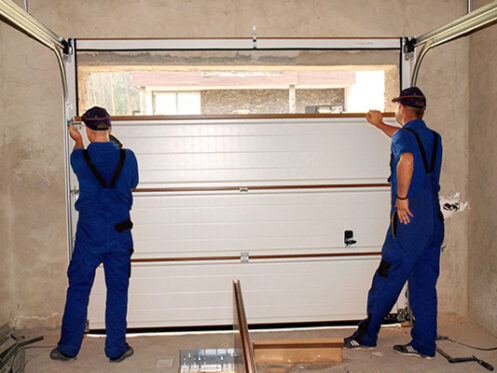
Sarah, a homeowner in Ohio, noticed her garage door getting stuck and making grinding noises. She inspected the tracks and found one roller out of place and a buildup of dirt. Following the steps above, she:
- Unplugged her opener and secured the door
- Opened the track with pliers
- Cleaned out years of dust and leaves
- Guided the roller back in
- Lubricated all moving parts
After testing the door, it worked smoothly and quietly. She now inspects her door every spring and fall, preventing repeat problems.
Non-obvious insight: Regular cleaning and lubrication are often enough to stop most derailments before they start.
Resources For Further Help
If you need more information or want to see diagrams, the International Door Association offers guides and safety tips at IDA Official Website.

Frequently Asked Questions
What Should I Do If My Garage Door Is Stuck Halfway Open?
First, unplug the opener to prevent it from moving suddenly. Secure the door with C-clamps on the tracks to keep it from falling. Check for obstructions or rollers off the track. If you can’t move it safely, call a professional—forcing the door can cause more damage.
Is It Safe To Fix A Garage Door Off Track By Myself?
For small misalignments and if only one or two rollers are out, it can be safe with the right tools and precautions. Always disconnect the opener and wear gloves. If springs or cables are damaged, do not attempt to fix them yourself; these are dangerous and require special tools.
How Much Does It Cost To Have A Garage Door Put Back On Track?
DIY costs are usually under $30 for lubricant and tools you may already have. Professional repair typically costs between $125 and $250, depending on your location and the extent of the damage.
Why Does My Garage Door Keep Coming Off Track?
Common reasons are loose hardware, bent tracks, worn or broken rollers, or hitting the door with a car or heavy object. Regular inspection, cleaning, and replacing worn parts helps prevent repeat derailments.
Where Can I Find More Detailed Repair Guides?
The International Door Association provides in-depth resources. You can also find step-by-step videos and diagrams on sites like Family Handyman for additional visual help.
Getting your garage door back on track is a practical DIY task for most homeowners, if you follow safe, careful steps. Regular maintenance can prevent most problems, but know your limits and call for help when the job is too big or risky. Your garage door will thank you—with years of smooth, reliable operation.