
A garage door that refuses to close is more than just an inconvenience—it can compromise your home’s security, expose your belongings to the weather, and even pose a safety risk. Many homeowners experience this problem at some point, and often, it comes at the worst possible moment, like late at night or during bad weather.
The good news is that most garage door closing issues can be solved with a systematic approach. This guide will walk you through every possible cause, troubleshooting method, and solution, so you can restore your garage door’s function and peace of mind.
Understanding How Garage Doors Work
Before diving into the reasons why a garage door will not close, it helps to know the basics of how the system operates. Most modern garage doors use an electric opener controlled by a wall switch, remote, or keypad. The opener system includes sensors, springs, tracks, and limit switches, all working together to move the door up and down safely. Any failure in one part of this system can stop the door from closing.
One non-obvious insight: Sometimes, the issue is not with the door or the opener but with the electrical circuit or even the home’s wiring. This is often overlooked, especially if other outlets in the garage are not working properly.
Common Reasons Your Garage Door Will Not Close
Several factors can stop a garage door from closing. Let’s explore the most frequent causes and signs to look for.
1. Obstructed Safety Sensors
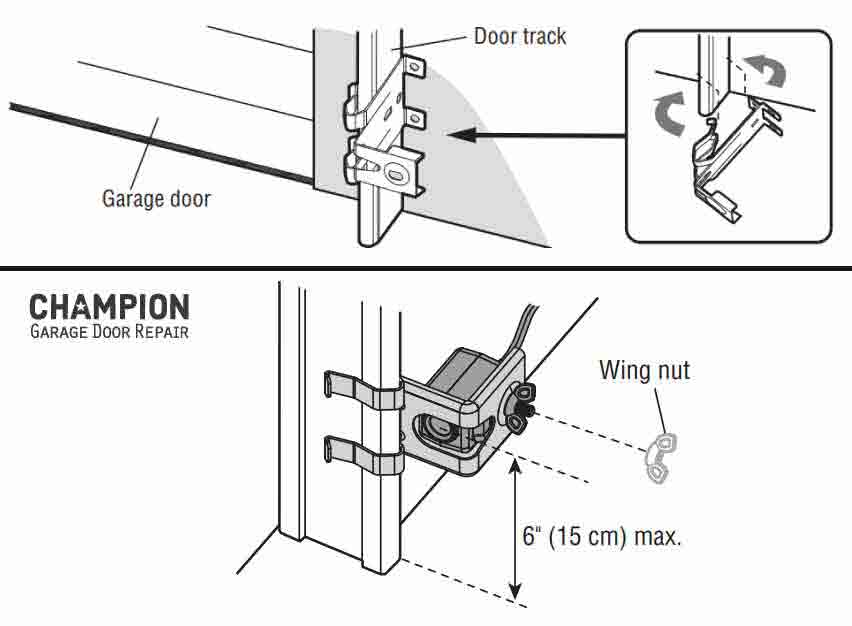
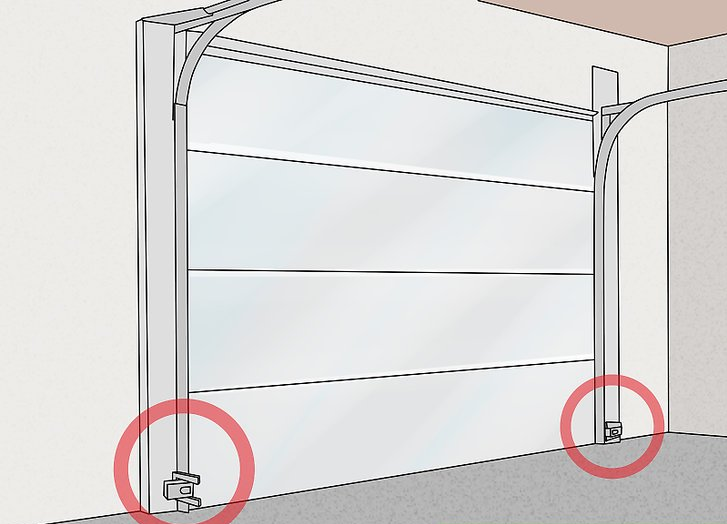
Photo-eye sensors are small devices near the bottom of the garage door tracks. These sensors send an invisible beam across the door opening. If anything blocks the beam—or if the sensors are misaligned—the door will not close.
- Dust, spiderwebs, or small debris can break the beam.
- If the sensors are bumped (by a broom, bike, or foot), they may point in different directions.
2. Track Or Roller Problems
Garage doors run along metal tracks with rollers. If a track is bent or blocked, or if rollers are damaged, the door may get stuck on the way down.
- Look for gaps between the rollers and the track.
- Listen for scraping or grinding noises.
3. Remote Control Or Wall Switch Issues
Sometimes the remote control or wall-mounted switch fails to send the close command.
- Weak or dead remote batteries
- Damaged or loose wall switch wires
4. Broken Torsion Or Extension Springs
Springs balance the heavy weight of the garage door. If a spring breaks, the opener may not have enough power to close the door.
- You may hear a loud bang if a spring breaks.
- The door may feel extremely heavy if you try to close it manually.
5. Limit Switch Setting Problems
Garage door openers use limit switches to control how far the door travels. If the close limit is set incorrectly, the door might stop short or reverse before fully closing.
- The door may stop and reverse for no clear reason.
6. Obstructed Door Path
Anything in the door’s path will prevent closure. Even a small item, like a child’s toy or garden tool, can block the way.
7. Manual Release Engaged
All garage doors have a manual release (usually a red cord). If this is pulled, the opener disconnects from the door, preventing it from moving automatically.
8. Power Supply Problems
If the opener’s power source is disrupted, the door will not close.
- Check for tripped circuit breakers or unplugged openers.
9. Weather Effects
Extreme cold, heat, or humidity can warp metal tracks, freeze components, or cause sensors to fog up.
10. Old Or Faulty Opener
Garage door openers typically last 10-15 years. Older units can develop electrical or mechanical faults, making them unreliable.
Step-by-step Troubleshooting Guide
When your garage door will not close, follow these logical steps to find the cause and solution.
Step 1: Check For Obstructions
First, make sure nothing is blocking the door’s path or sensors. Remove any objects, sweep away debris, and check for small items that may go unnoticed.
Step 2: Inspect The Safety Sensors
- Look for lights on the sensors. If one or both are off, blinking, or red, they are misaligned or dirty.
- Clean the lenses with a soft cloth.
- Gently adjust each sensor until both show a steady green light (on most models).
Step 3: Test The Remote And Wall Switch
- Try closing the door with both the wall switch and remote.
- Replace remote batteries if needed.
- If only the remote fails, try reprogramming it (check your opener’s manual).
- If only the wall switch fails, check for loose or damaged wires.
Step 4: Examine The Tracks And Rollers
- Look for dents, bends, or obstructions in the tracks.
- Check for worn or jammed rollers.
- Clean the tracks and lubricate rollers with a silicone-based lubricant.
Step 5: Review The Springs
- Visually inspect the torsion or extension springs above the door.
- Do not touch broken springs—they are under high tension and can be dangerous.
- If a spring is broken, contact a professional for repair.
Step 6: Adjust The Limit Switches
- Open the garage door opener’s panel.
- Locate the limit adjustment screws (usually labeled “up” and “down”).
- Turn the “down” screw slightly (¼ turn at a time) and test the door after each adjustment.
Step 7: Confirm Power Supply
- Make sure the opener is plugged in.
- Check the circuit breaker or fuse panel for tripped breakers.
- Test the outlet with another device to confirm it works.
Step 8: Check Manual Release
- Ensure the red emergency release cord is not engaged.
- If it is, reconnect it according to your opener’s instructions.
Step 9: Consider Weather Effects
- Look for ice or debris frozen to the tracks.
- Wipe away moisture from sensors.
- Allow time for the system to warm up in cold weather.
Step 10: Evaluate Opener Age And Condition
- If the opener is over 15 years old or has frequent problems, replacement may be more cost-effective than repair.
Special Cases And Advanced Problems
Some issues require deeper investigation or professional help. Here are a few advanced situations:
Faulty Wiring Or Control Board
Garage door openers use low-voltage wiring to connect the wall switch, safety sensors, and motor. If a wire is damaged (by rodents, nails, or age), signals may not reach the opener.
- Look for frayed, pinched, or exposed wires.
- If the control board (inside the opener) is faulty, the system may act unpredictably.
Interference With Remote Signal
Wireless interference from LED light bulbs, nearby devices, or even neighbors’ remotes can prevent your opener from receiving close commands.
- Try changing the remote battery or moving LED bulbs further from the opener.
- If possible, change the opener’s frequency (refer to your manual).
Garage Door Out Of Balance
If the door is unbalanced, the opener works harder and may refuse to close as a safety precaution.
- With the opener disconnected, manually lift the door halfway. If it moves up or down, it needs balancing.
- Unbalanced doors usually require professional adjustment.
Comparing Main Garage Door Opener Problems
To help you identify where to focus, here’s a comparison of the most common garage door closing problems and their signs.
| Problem | Most Likely Sign | DIY Fix Possible? |
|---|---|---|
| Obstructed Sensors | Flashing sensor lights, door reverses | Yes |
| Broken Spring | Heavy door, loud bang, won’t close | No (professional only) |
| Bad Remote/Wall Switch | Only one control works | Yes |
| Track/Roller Issues | Scraping sounds, jerky movement | Yes (minor fixes) |
| Limit Switch Set Wrong | Stops or reverses before closing | Yes |
| Opener Faulty | Unpredictable, old unit | No (replace opener) |
How To Fix A Garage Door That Will Not Close
After you’ve identified the problem, here’s how to fix each issue. Some repairs are easy for most homeowners, while others require a professional.
Cleaning And Aligning Safety Sensors
- Wipe both sensor lenses clean.
- Adjust the angle so both lights are steady.
- Check wires for damage.
Practical tip: Place a box in the sensor path and try closing the door. If it doesn’t reverse, the sensors need repair.
Changing Remote Batteries And Reprogramming
- Open the remote and install fresh batteries.
- Hold the “learn” button on your opener, then press the remote button to reprogram.
Removing Track And Roller Obstructions
- Clear all debris from tracks.
- Lubricate rollers and hinges.
- Replace bent tracks or damaged rollers if needed.
Adjusting The Limit Switch
- Use a flathead screwdriver to turn the “down” adjustment screw.
- Test the door after each change.
Addressing Spring Problems
If a spring is broken, never try to replace it yourself. Call a licensed garage door technician. Springs are under extreme tension and can cause injury.
Checking Power And Circuit Breakers
- Make sure the opener is plugged in.
- Reset any tripped breakers.
- If the outlet is dead, call an electrician.
Re-engaging The Manual Release
- Pull the red cord toward the door to reconnect the opener.
- Try closing the door with the wall switch.
Replacing Faulty Opener
If your opener is old or unreliable, replacement is the best long-term solution. New openers are safer, quieter, and more energy-efficient.
When To Call A Professional
Some garage door problems should not be handled by DIYers:
- Broken torsion or extension springs
- Major track or panel damage
- Faulty control boards
- Repeated electrical failures
A trained technician can diagnose and repair these issues safely. If you’re unsure, it’s better to ask for help than to risk injury.
Preventing Garage Door Closing Problems
Regular maintenance can prevent most closing problems. Here’s what you should do at least twice a year:
- Clean and align safety sensors
- Lubricate rollers, tracks, and hinges
- Check for loose bolts or hardware
- Test the door’s balance
- Replace remote batteries regularly
- Inspect the weather stripping
- Clear debris from tracks
Non-obvious tip: Unplugging the opener during electrical storms can protect the control board from power surges.
How Weather Impacts Garage Door Performance
Weather can have a surprising effect on garage doors. In winter, ice can freeze the door to the ground or jam the tracks. In summer, heat can expand metal parts, causing misalignment. Moisture and fog can confuse safety sensors.
To minimize weather problems:
- Use a silicone-based spray on metal parts in winter.
- Wipe sensors dry during humid months.
- Clear snow and ice from under the door before closing.
Comparing Diy Vs. Professional Garage Door Repair
Some repairs are simple, but others are best left to professionals. Here’s a quick comparison:
| Task | DIY | Professional Needed |
|---|---|---|
| Cleaning sensors | Yes | No |
| Replacing remote batteries | Yes | No |
| Adjusting limit switches | Yes | No |
| Spring replacement | No | Yes |
| Track repair | Minor fixes | Major damage |
| Control board replacement | No | Yes |
Experience-based guidance: If you ever feel uncomfortable with a repair, or if the door is heavy and won’t move, call a professional. Garage doors are the heaviest moving object in most homes.

Myths About Garage Doors That Will Not Close
Many homeowners believe common myths that can make solving the problem harder:
- “If the remote doesn’t work, the opener is broken.” (Often, it’s just the batteries or sensor alignment.)
- “A door that won’t close is always a track problem.” (Sensors and limit switches are more common causes.)
- “Only old doors have closing problems.” (New doors can have sensor or wiring issues.)
- “You can fix a broken spring yourself.” (This is dangerous and should never be attempted by non-professionals.)
Real-life Example: A Homeowner’s Story
Sarah noticed her garage door refused to close on rainy mornings. She cleaned the photo-eye sensors, but the problem kept coming back. One day, she realized the gutter above the sensors was leaking, causing water to fog the lenses. After repairing the gutter and resealing the sensor brackets, her garage door worked perfectly—rain or shine.
Lesson: Sometimes, the cause is not the door or opener, but something else nearby.
Cost Of Garage Door Repairs
Repair costs vary depending on the issue:
- Cleaning or aligning sensors: Free (DIY) to $75 (professional)
- Replacing rollers or cables: $100–$200
- Spring replacement: $150–$350
- New opener installation: $300–$700
If your door is old and needs frequent repairs, a new system may save money over time.
Safety Tips For Garage Door Troubleshooting
- Never attempt spring repairs yourself.
- Disconnect power before checking wires or circuit boards.
- Keep children and pets away from the door while testing.
- Do not stand under the door while troubleshooting.
Energy And Security Benefits Of A Working Garage Door
A fully closing door keeps your garage secure from intruders and animals. It also saves energy by sealing out drafts and protecting HVAC equipment. If your garage is attached to your home, a working door reduces heating and cooling costs.
Choosing A Garage Door Repair Service
When searching for a professional, look for:
- Licensed and insured companies
- Positive reviews and references
- Upfront pricing
- Warranties on parts and labor
For more on hiring garage door experts, see the guide at Angie’s List.
Maintenance Checklist For Garage Door Reliability
Here’s a simple maintenance checklist to keep your door working smoothly:
- Clean and realign sensors
- Lubricate tracks and rollers
- Check for loose hardware
- Test auto-reverse function
- Inspect weather seals
- Listen for unusual noises
- Replace batteries in remotes
- Examine springs for wear
- Clear tracks of debris
- Keep opener manual handy
Frequently Asked Questions
Why Does My Garage Door Go Down And Then Come Back Up?
This usually means the safety sensors are blocked, dirty, or misaligned. The opener thinks something is in the way and reverses the door. Clean and adjust the sensors first.
Can Cold Weather Stop My Garage Door From Closing?
Yes, cold temperatures can cause metal parts to contract, tracks to misalign, and sensors to fog up. Ice buildup under the door can also prevent closure. Keep tracks clear and wipe sensors dry.
How Often Should I Maintain My Garage Door?
Check and lubricate your garage door system at least twice a year—once before winter and once before summer. This prevents most common problems.
Is It Dangerous To Fix A Garage Door Spring Myself?
Yes, garage door springs are under high tension and can cause severe injury. Only trained professionals should replace or adjust springs.
What If My Garage Door Opener Makes Noise But The Door Doesn’t Move?
The manual release may be engaged, the trolley might be disconnected, or the opener’s gear could be worn. Reconnect the release or call a technician if you’re unsure.
A garage door that won’t close can be frustrating, but with careful troubleshooting, most problems are simple to fix. Pay attention to safety, don’t ignore warning signs, and don’t hesitate to call a professional for complex or dangerous repairs. With a little knowledge and regular maintenance, your garage door will keep your home secure and your life running smoothly.