
Now Reading: Garage Door Opener Does Not Work? Top Fixes You Need to Know
- 01
Garage Door Opener Does Not Work? Top Fixes You Need to Know

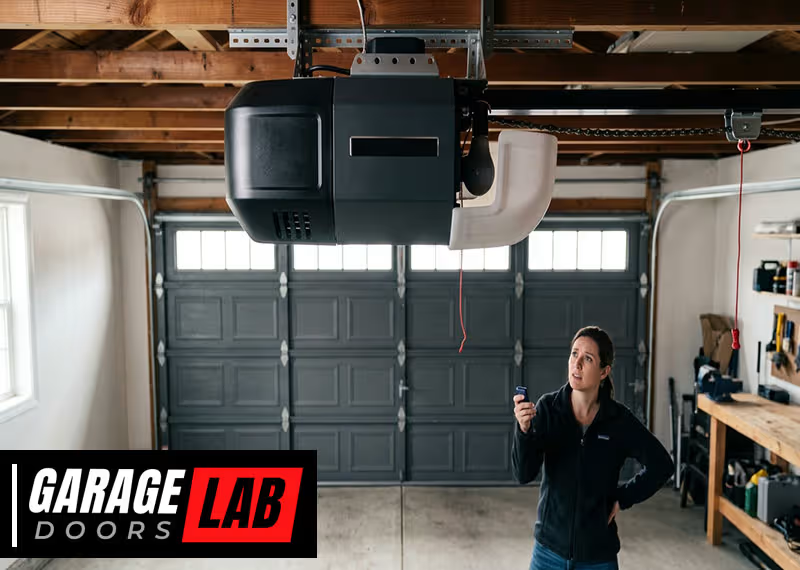
When your garage door opener does not work, it can feel like your whole daily routine is thrown off. You press the button, but nothing happens. Maybe the door moves a little and then stops. Sometimes, it makes a loud noise or only works in the cold or heat. For many, the garage is not just a place for the car—it’s a key entry point to the home, a workshop, or even storage for important things. So, when the opener fails, it’s more than just a small inconvenience.
Most people think of calling a repair service right away. But in many cases, you can solve the problem yourself, or at least understand what’s wrong before you pay for help. This guide explains the most common reasons garage door openers stop working and how to troubleshoot each one.
We’ll also cover safety tips, when to call a pro, and how to keep your opener working well for years.
Common Reasons Your Garage Door Opener Does Not Work
There are many reasons why a garage door opener might fail. Some are simple, like dead batteries. Others are more complex, like a broken gear or a problem with the circuit board. Let’s walk through the most frequent causes and what you should check first.
1. Power Issues
Without power, your garage door opener is just a heavy box on the ceiling. Start by checking the basics.
- Outlet: Make sure the opener is plugged into a working electrical outlet. Sometimes, cords get pulled out by accident.
- Circuit Breaker: Check your home’s breaker panel. Look for a tripped breaker or blown fuse.
- GFCI Outlet: Garages often have ground-fault circuit interrupter (GFCI) outlets. If the GFCI is tripped, reset it by pressing the button.
Non-obvious insight: Some homes have more than one GFCI on the same circuit. If you find one in the laundry room or bathroom, check those too—they might be controlling power to your garage.
2. Remote Control And Wall Switch Problems
The remote control is the first tool most people use. If pressing the remote doesn’t work, try the wall switch inside your garage.
- Batteries: Replace the batteries in the remote. Even if the light flashes, the battery may be too weak.
- Range: Remotes usually work from 20-50 feet. If you have to stand very close, the battery or antenna could be the issue.
- Wall Switch: If the wall switch works but the remote doesn’t, the problem is often with the remote or its programming.
Non-obvious insight: Many openers have a small wire antenna hanging from the unit. If it’s missing or damaged, your remote’s range will be very short.
3. Lock Feature Activated
Modern openers often have a lock or vacation mode. This feature disables remotes for extra security.
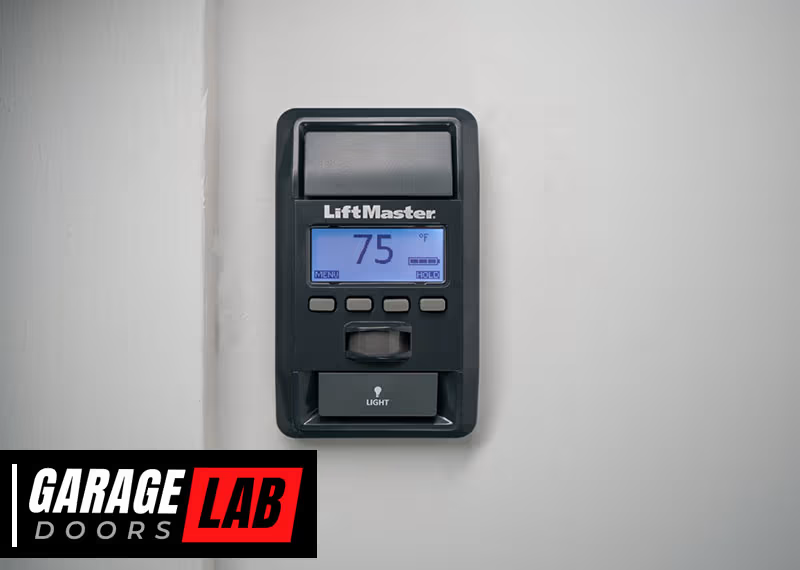
- Check the wall control: Look for a lock button or a small LED light. If the lock is on, turn it off by holding the button for a few seconds.
4. Sensor Issues
Every garage door opener since the 1990s has safety sensors near the floor on each side of the door. These sensors stop the door from closing if something is in the way.
- Alignment: The sensors must face each other. If one is bumped, the opener won’t close the door.
- Obstructions: Dirt, spider webs, or even sunlight can block the sensors.
- Wiring: Check for loose wires or corrosion on the connections.
When the sensors are blocked or misaligned, the door usually opens fine but won’t close. You may also see the opener’s light blink.
5. Door Track Or Hardware Problems
If the opener runs but the door doesn’t move, or if the door gets stuck, the issue might be with the door itself.
- Tracks: Bent or blocked tracks can stop the door.
- Rollers: Worn or broken rollers make the door hard to move.
- Springs: Broken springs can make the door too heavy for the opener.
A garage door that is hard to open by hand is a red flag. Never try to repair springs yourself—they can be dangerous.
6. Opener Motor Or Gear Problems
Inside the opener is a motor and a set of gears. Over time, these can wear out.
- Noise: Grinding or humming sounds often mean a gear is stripped or the motor is failing.
- No Movement: If you hear the motor but the door doesn’t move, look for bits of white plastic under the opener—a sign of worn gears.
Replacing gears is possible but can be tricky. Many people choose to replace the opener instead if it’s old.
7. Limit And Force Settings
Garage door openers have limit and force controls. These tell the opener how far to move the door and how much resistance is allowed.
- Limit setting: If the door closes and then opens again, or stops short, the limits may be set wrong.
- Force setting: If the opener stops or reverses because it thinks the door is blocked, the force may be too low.
Adjust these settings slowly, following the opener’s manual.
8. Remote Control Programming Problems
If you recently changed the batteries, added a new remote, or had a power outage, the remote may lose its code.
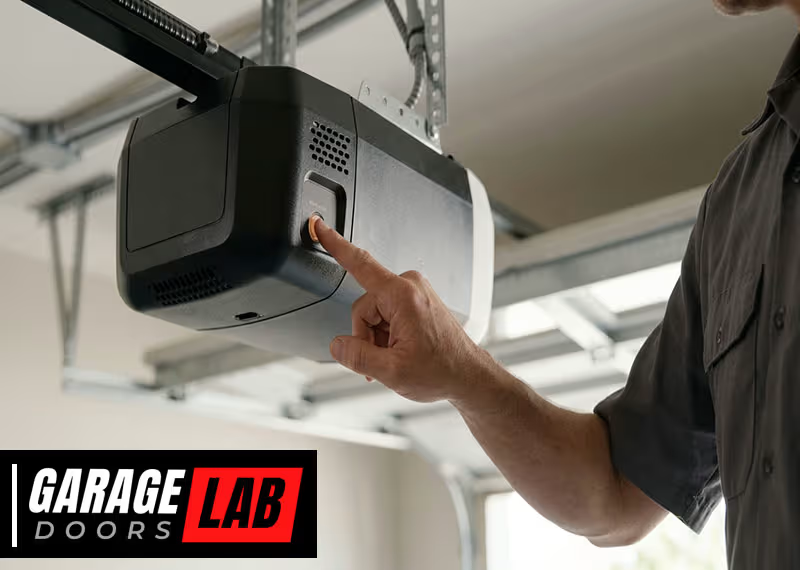
- Reprogram remotes: Most openers have a “learn” button. Press it, then press your remote.
- Erase codes: If you lose a remote, you can erase all codes and start fresh.
Some openers have rolling codes for better security, but these can sometimes cause programming confusion.
9. Chain Or Belt Problems
Openers use a chain, belt, or screw drive to move the door. If this part is loose, broken, or out of alignment, the door may not move smoothly.
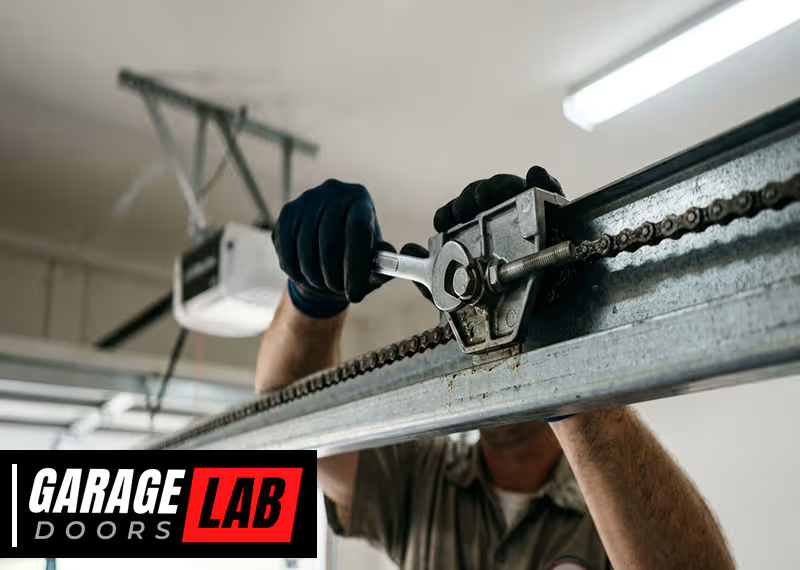
- Slack: If the chain or belt sags, tighten it according to the manual.
- Noise: A dry chain is very loud; use garage door lubricant.
- Breakage: A snapped chain or belt means the opener won’t work until it’s replaced.
10. Weather-related Issues
Cold, heat, and humidity can all affect your garage door and opener.
- Cold: Metal contracts, making doors harder to move.
- Heat: Plastic parts can soften and bend.
- Humidity: Moisture can rust tracks and corrode electronics.
Lubricate moving parts and keep the area dry to prevent weather problems.
Step-by-step Troubleshooting Guide
To fix a garage door opener that does not work, follow these steps in order. This approach saves time and helps you spot problems quickly.
Step 1: Check Power Supply
- Confirm the opener is plugged in.
- Reset any GFCI outlets.
- Inspect your breaker panel.
If there is no power, nothing else will work.
Step 2: Test Remote And Wall Switch
- Try both the remote and the wall switch.
- Replace remote batteries.
- Make sure the opener’s antenna is hanging down.
If only the remote fails, reprogram it. If both fail, suspect a power or opener problem.
Step 3: Inspect Door And Hardware
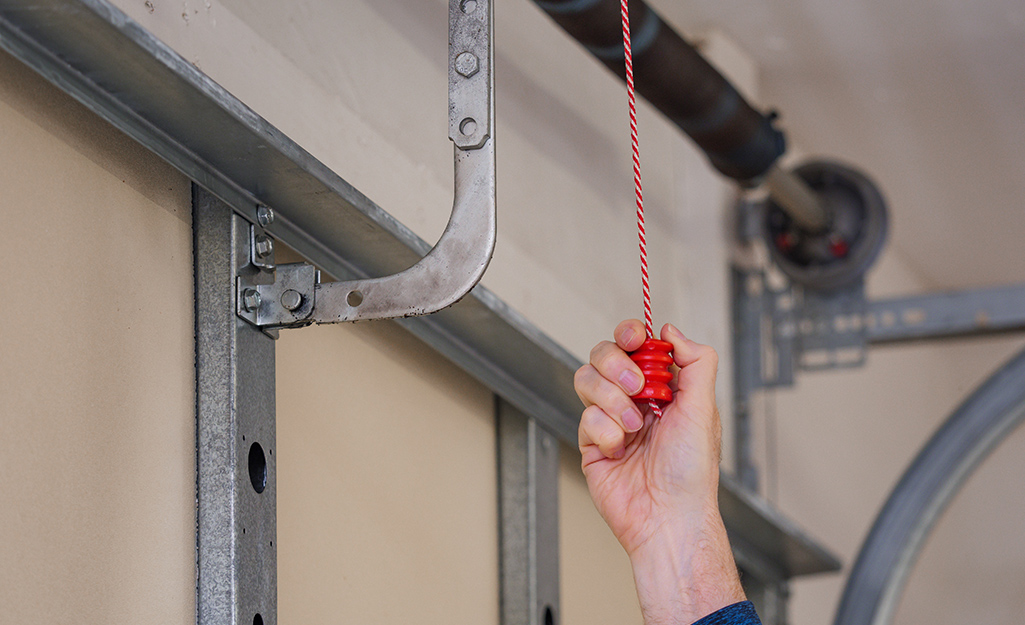
- Open the door by hand (use the release cord).
- The door should lift smoothly and stay open halfway.
- If it’s heavy or jams, check the springs, tracks, and rollers.
A heavy door means the opener is working too hard, which can quickly burn out the motor.
Step 4: Check Safety Sensors
- Make sure sensors are aimed at each other.
- Clean the lenses with a soft cloth.
- Check for blinking lights or error codes.
If the door only opens but won’t close, sensors are the likely problem.
Step 5: Look For Error Codes
Many modern openers flash a light or show a code when something’s wrong. Check your manual for what the codes mean.
Step 6: Listen For Unusual Sounds
Grinding, buzzing, or humming can point to worn gears or a broken motor.
Step 7: Test Force And Limit Settings
- Adjust in small steps.
- Don’t turn settings too high—this can damage the door.
Step 8: Review Weather Conditions
If the problem started with a cold snap or heat wave, adjust lubrication and check for swollen or shrunken parts.
Pro tip: Keep a log of what you try and what changes. This helps if you need to call for service.
When To Call A Professional
Some garage door opener problems are best left to experts. Don’t try to repair or replace torsion springs or cables yourself. These parts store a lot of energy and can cause serious injury.
Call a pro if:
- The door is crooked or off its tracks.
- The opener smokes, sparks, or smells burnt.
- You hear loud bangs or see broken springs.
- You’ve tried the steps above with no success.
Professional repair techs have the right tools and training to fix dangerous problems safely.
Preventive Maintenance Tips
A little care goes a long way in keeping your garage door opener working well. Here are the most important maintenance tasks.
1. Lubricate Moving Parts
Use a garage door lubricant (not WD-40) on rollers, hinges, and the opener’s chain or screw. Do this every six months.
2. Clean And Align Sensors
Wipe sensors with a soft cloth. Make sure they’re aimed straight at each other and mounted the right height above the floor.
3. Tighten Hardware
Vibration can loosen bolts and screws. Use a wrench to snug up all hardware on the door and opener.
4. Test Balance And Safety Features
Disconnect the opener and lift the door by hand. It should move easily and stay open. Test the auto-reverse by blocking the door with a board—the door should reverse when it hits the board.
5. Replace Worn Parts Promptly
Change out old rollers, frayed cables, or sagging springs right away. Waiting can cause bigger failures.
6. Keep Tracks And Door Clean
Dirt and debris can block movement. Sweep the tracks and wipe down the door.
Extra tip: Check your opener’s manual for a list of recommended maintenance tasks. Many brands post manuals online if you’ve lost yours.
Comparing Popular Garage Door Opener Types
If your opener is very old or keeps breaking, it may be time for an upgrade. The type of opener you have affects how you troubleshoot problems.
Here’s a quick comparison of the three main types:
| Type | Strengths | Weaknesses | Common Problems |
|---|---|---|---|
| Chain Drive | Strong, affordable, reliable | Noisy, needs lubrication | Chain slack, wear |
| Belt Drive | Quiet, smooth, low vibration | Costly, belt wears out | Belt stretch, breakage |
| Screw Drive | Simple, few parts, strong | Less quiet, sensitive to temp changes | Lubrication, wear |
If your opener is over 15 years old, newer models are safer and more efficient.
Common Error Codes And What They Mean
Many modern openers have error codes to help you diagnose problems quickly. Here’s a quick guide to the most common codes for major brands:
| Brand | Error Code | What It Means | Possible Fix |
|---|---|---|---|
| Chamberlain/LiftMaster | 1 blink | Sensor wire open | Check wiring |
| Chamberlain/LiftMaster | 2 blinks | Sensor wire short | Replace wire |
| Genie | Red light flashes | Sensor blocked | Clean or align sensors |
| Craftsman | Flashing light | Obstruction detected | Remove blockage |
Important: Always check your opener’s manual for the exact meaning of error codes. Models change over time.

How Long Should A Garage Door Opener Last?
A quality opener will usually last between 10 and 15 years. Some last over 20 years with good maintenance. If you’re repairing yours often, consider replacing it. New models have better security, quieter operation, and smart features.
Upgrading To A Smart Garage Door Opener
Smart openers connect to your phone, letting you open or close the door from anywhere. They can send alerts if the door is left open and even connect to home security systems.
Advantages:
- Open/close from your phone
- Get alerts for activity
- Share access with family or guests
Disadvantages:
- Higher upfront cost
- Needs Wi-Fi signal in the garage
If you’re considering a smart upgrade, look for openers that are compatible with your home Wi-Fi. Some older openers can be made smart with an add-on device.
For more details on smart home technology, check out CNET’s Smart Home section.
Safety Tips For Garage Door Opener Repair
Garage doors are heavy and under tension. Always follow these safety rules:
- Unplug the opener before working on it.
- Never try to adjust or remove torsion springs or cables yourself.
- Keep fingers and tools away from moving parts.
- Test the auto-reverse feature each month.
- If you’re unsure, call a professional.
Some injuries happen because people ignore these basics. Garage door accidents send thousands to the ER every year.
Cost To Repair Or Replace A Garage Door Opener
Repair costs depend on the problem. Here’s a rough estimate for the US:
- Remote or wall switch: $30–$80
- Sensor replacement: $50–$100
- Gear/motor repair: $120–$300
- Full replacement: $250–$600 (installed)
Tip: If your opener is over 10 years old and needs a major repair, upgrading is often the better value.
Real-world Example: Solving A Tricky Opener Problem
Let’s say your garage door opener stopped working after a thunderstorm. You check the power—everything else in the garage works. You try the remote and wall switch; nothing happens. The opener’s light doesn’t turn on.
In this case, a power surge may have fried the opener’s circuit board. This is common after lightning strikes or surges. Replacement boards cost $50–$150, but if your opener is old, a new model is smarter. Using a surge protector on your opener is a good idea to prevent future problems.
Environment And Garage Door Openers
Many people don’t realize that old openers can use more electricity, even when not in use. New “smart” openers are more efficient and can cut energy waste. If you’re eco-conscious, look for openers with a standby mode that uses less than 1 watt.
Recycling old garage door openers is possible at many hardware stores or city recycling events. Don’t toss old openers in the trash—they often contain metals and electronics that can be reused.

Frequently Asked Questions
Why Does My Garage Door Opener Work Sometimes But Not Always?
This is often due to interference or a weak remote signal. Other electronics, dead batteries, or a damaged antenna can cause this. Try changing the remote batteries and check for sources of interference like LED lights or nearby wireless devices.
How Do I Reprogram My Garage Door Opener Remote?
Find the “learn” button on your opener (usually on the back or side). Press it until a light comes on, then press the button on your remote. The opener should confirm the code with a click or blink. Always check your manual for exact steps.
What Does It Mean If My Garage Door Opener Light Blinks?
Blinking lights usually signal a sensor issue or an error code. Clean and align the sensors first. If that doesn’t help, look up the error code in your opener’s manual or on the manufacturer’s website.
Can I Use My Opener During A Power Outage?
Most openers have a manual release cord—usually red. Pull it to disconnect the door from the opener. You can then open the door by hand. Some newer models have battery backups for limited use during outages.
How Do I Know If My Garage Door Springs Are Broken?
If the door is very heavy, crooked, or you see a gap in the spring above the door, the spring is likely broken. Do not try to lift or repair it yourself—call a professional, as springs are under high tension and can cause injury.
A garage door opener that does not work is frustrating, but with the right approach, you can fix most problems or know when to call for help. Regular maintenance, careful troubleshooting, and safe practices will keep your system running smoothly.
With today’s technology, upgrading to a modern, smart opener can make your garage even more secure and convenient. Remember to stay safe, and don’t hesitate to seek professional help for complex repairs.