Now Reading: Garage Door Opener Will Open But Not Close? Fix It Fast!
- 01
Garage Door Opener Will Open But Not Close? Fix It Fast!

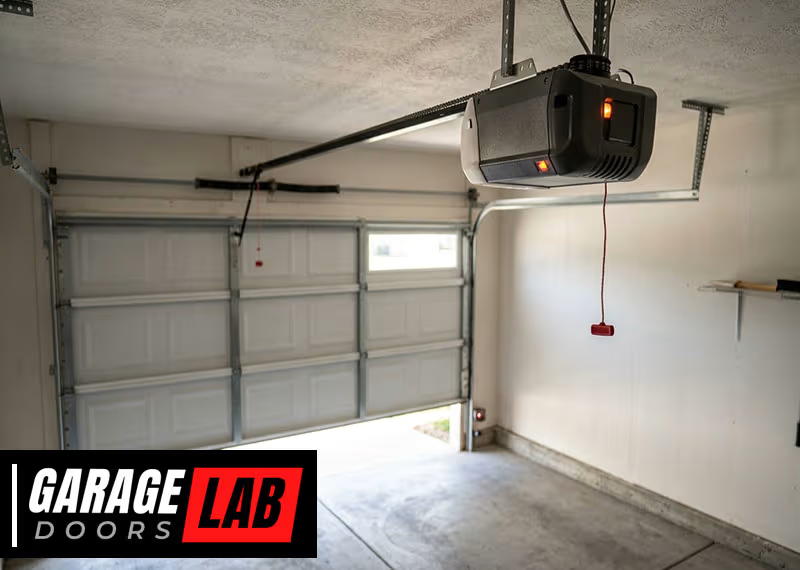
When you press the button, your garage door opener responds. The door rises smoothly, just like it should. But when you try to close it, nothing happens. The motor hums, maybe the lights flash, but the door stays open. If you’ve experienced this, you’re not alone. Homeowners everywhere run into this frustrating problem. While it might look like a complex issue, most causes are simple and can be fixed with basic tools and a little patience.
Knowing what to check and how to fix it saves you time, money, and stress. In this guide, you’ll find clear explanations of why a garage door opener will open but not close, how to diagnose the issue, and practical steps to get your door working again.
You’ll also learn common mistakes people make and how to avoid unnecessary repairs. Whether you’re comfortable with tools or prefer a hands-off approach, you’ll gain the confidence to handle this situation.
Understanding How Garage Door Openers Work
To solve the problem, first, it helps to know how garage door openers function. Most modern openers have two main jobs: lifting and lowering the door. They use a motor, drive system (chain, belt, or screw), and control logic. Safety features like sensors and auto-reverse mechanisms stop the door from closing on objects or people.
When you press the remote or wall button, the opener checks several things before closing:
- Are the safety sensors clear?
- Is the door balanced and free to move?
- Are the travel limits and force settings correct?
If any of these checks fail, the opener might open the door but refuse to close it. This built-in safety focus is why many issues only affect closing, not opening.
The Most Common Causes: Why Your Garage Door Opens But Won’t Close
Several problems can cause this specific issue. Let’s look at each one in detail.
1. Safety Sensors Are Blocked Or Misaligned
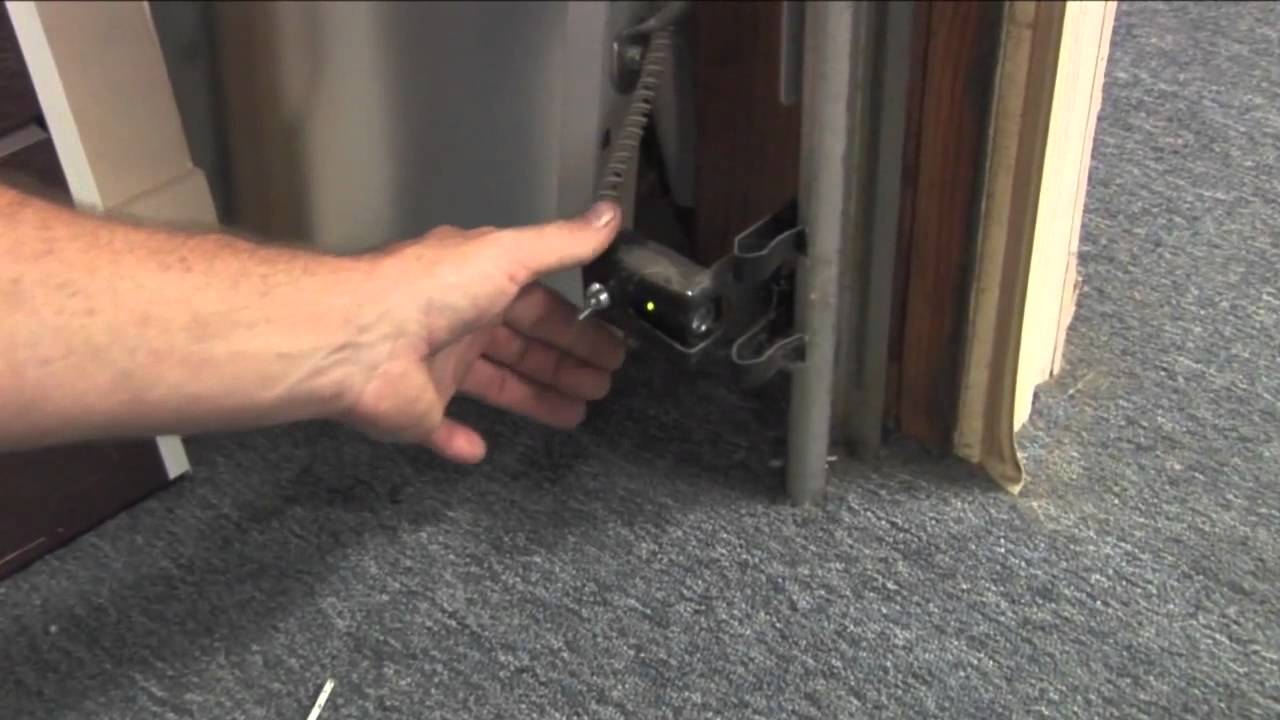
Photo-eye sensors are the number one reason why a garage door won’t close. Since 1993, US law requires all openers to have these sensors, which project an invisible beam across the door. If anything breaks the beam—or if the sensors are out of alignment—the opener will not close the door.
Symptoms:
- Door opens normally but won’t close with the remote.
- Lights on opener may blink.
- You can close the door by holding the wall button down.
How to Fix:
- Check for any object near the sensors (leaves, tools, dirt, spider webs).
- Make sure both sensors are pointed directly at each other.
- Clean the sensor lenses gently.
- Each sensor should have a small light—if one or both are off or blinking, adjust their position until both lights are steady.
Pro Tip: Even a slight nudge can misalign a sensor, especially if you bump them with the trash can or a broom.
2. Wiring Problems
If the sensors are clean and aligned but the door still won’t close, the issue might be wiring. Over time, wires can become loose, frayed, or disconnected, especially in garages with high humidity or pests.
Symptoms:
- One or both sensor lights are off, even after cleaning and adjustment.
- Door sometimes works, sometimes doesn’t.
- You see bare or damaged wires.
How to Fix:
- Inspect the wires from each sensor to the opener.
- Check for visible damage, loose connections, or exposed copper.
- If you find a problem, turn off the power to the opener and reconnect or replace the wire.
- For hidden wiring issues, you may need a multimeter to test continuity.
3. Wall Button Or Remote Control Issues
Sometimes, the wall button or remote can cause the door to open but not close.
Symptoms:
- Wall button works, remote doesn’t (or vice versa).
- Door closes when you hold the wall button, but not with a quick press.
How to Fix:
- Replace batteries in the remote.
- Reprogram the remote following your opener’s manual.
- If the wall button is faulty, test with a different control (spare remote or keypad).
4. Force Settings Are Too Low
Force settings control how much power the opener uses to close the door. If set too low, the opener may think something is blocking the path and refuse to close.
Symptoms:
- Door starts to close but reverses immediately.
- Door feels heavy or rough when moving by hand.
How to Fix:
- Locate the force adjustment screws (usually on the opener’s side or back).
- Turn the “close force” screw slightly clockwise.
- Test the door. Only adjust a little at a time.
Note: Never set force too high, as this can make the door unsafe.
5. Travel Limits Are Incorrect
Travel limits tell the opener how far the door should move. If the “down” limit is set too short, the opener thinks the door has hit the floor before it actually has.
Symptoms:
- Door stops before touching the ground.
- Door opens fine but stops mid-way when closing.
How to Fix:
- Find the travel limit adjustment dials or screws.
- Increase the “down” travel slightly.
- Test the door and fine-tune as needed.
6. Door Obstructions
Any object blocking the path can prevent the door from closing. This is a safety feature to protect you, your family, and your belongings.
Symptoms:
- Door starts to close but reverses.
- You hear a “bump” or scraping noise.
- Objects, debris, or uneven floor under the door.
How to Fix:
- Clear the area under the door.
- Check for small rocks, ice, or tools.
- Inspect the bottom seal and tracks.
7. Track Or Roller Problems
Bent tracks or stuck rollers can block the door’s movement. This can be subtle—sometimes the door opens because gravity helps, but closing is harder.
Symptoms:
- Door jerks or stalls when closing.
- Grinding or squeaking sounds.
- Visible bends in the metal track.
How to Fix:
- Look for dents or bends in the track.
- Check rollers for wear or broken pieces.
- Lubricate the rollers and hinges with garage door lubricant.
- Straighten tracks with gentle pressure, but avoid over-bending.
8. Cold Weather And Moisture
In winter, cold weather can cause metal parts to contract or ice to form in the tracks. Moisture can also interfere with sensors and wiring.
Symptoms:
- Problem only happens on cold or wet days.
- Door works fine in warm, dry weather.
How to Fix:
- Clear ice and snow from the tracks and door bottom.
- Dry off sensors and wiring.
- Lubricate moving parts with a silicone-based product that won’t freeze.
9. Opener Logic Board Failure
If all else fails, the logic board inside your opener could be malfunctioning. This part acts as the “brain” for the system.
Symptoms:
- Door opens and closes randomly.
- Other features (lights, remotes) act strange.
- All other fixes fail.
How to Fix:
- Unplug the opener for a few minutes to reset.
- If the issue continues, the logic board may need to be replaced. This is usually best left to a professional.
Non-obvious Insight: Sometimes, a power surge from a nearby lightning strike can damage the logic board even if the rest of your house is fine.
10. Manual Lock Engaged
Some garage doors have a manual lock that can stop the door from moving down, but not up.
Symptoms:
- You hear the motor run but the door doesn’t move.
- Lock handle is turned or bolt is extended.
How to Fix:
- Locate the manual lock (usually a handle in the middle of the door).
- Make sure it’s fully disengaged before operating the opener.
Diagnosing The Problem: Step-by-step Guide
If your garage door opener will open but not close, follow these steps to pinpoint the cause:
- Look for blinking lights on the opener. Most brands use light codes to signal problems.
- Test the wall button. Hold it down—if the door closes, the sensors are likely at fault.
- Check both safety sensors. Are their lights steady, or off/blinking?
- Clear the door path. Remove anything under or near the door and tracks.
- Check for weather-related issues (ice, snow, excessive humidity).
- Open and close the door manually. Does it move smoothly? If not, inspect tracks and rollers.
- Listen for unusual sounds during operation.
- Try the remote and keypad. If they work for opening but not closing, rule out battery or programming issues.
- Inspect wiring for loose or damaged spots.
- Review force and travel settings. Adjust gently if needed.
- Reset the opener. Unplug for 2-3 minutes and plug back in.
- Call a professional if none of these steps work.
Comparing Common Garage Door Opener Problems
Here’s a quick comparison of typical problems and their symptoms:
| Problem | Door Opens? | Door Closes? | Common Symptom |
|---|---|---|---|
| Blocked Sensors | Yes | No | Blinking lights, holds wall button to close |
| Remote Battery Dead | No | No | No response from remote |
| Track Obstruction | Maybe | No | Grinding noise, door reverses |
| Logic Board Failure | Maybe | Maybe | Random behavior, features not working |
Garage Door Opener Brands: Features And Safety Sensor Reliability
Some openers are more prone to sensor issues than others. Here’s a brief look at three major brands:
| Brand | Sensor Type | Typical Issues | Repair Difficulty |
|---|---|---|---|
| Chamberlain/LiftMaster | Photo-eye | Sensor misalignment, wiring wear | Low |
| Genie | Infrared beam | Dirty lenses, wire corrosion | Medium |
| Craftsman | Photo-eye | Sensor failure | Low |
Non-obvious Insight: Some older Genie openers have sensors that work differently and are more sensitive to sunlight, which can cause false errors in the afternoon.
Preventing Future Problems
Once your garage door is working again, you’ll want to keep it reliable. Here’s how:
- Clean sensors monthly. Dust, cobwebs, and grime build up fast in garages.
- Check wiring twice a year. Look for signs of wear from pests or moisture.
- Lubricate moving parts. Use a proper garage door lubricant, not WD-40. Focus on rollers, hinges, and tracks.
- Adjust force and travel settings when seasons change. Wood doors expand and contract with humidity.
- Test the auto-reverse feature by placing a roll of paper towels under the door. The door should reverse instantly if it touches the roll.

When To Call A Professional
Not every problem is a DIY fix. Call a garage door expert if:
- You suspect a broken spring. These are dangerous to fix without special tools.
- The door is off its tracks.
- The logic board or motor needs replacement.
- You’ve tried all steps and the problem remains.
Data Point: According to the International Door Association, over 20,000 emergency room visits each year involve garage door injuries—most from DIY repairs gone wrong.
Cost Of Repairs: What To Expect
Here’s a general idea of what different repairs might cost in the US:
| Repair Type | DIY Cost | Professional Cost | Typical Time |
|---|---|---|---|
| Sensor cleaning/alignment | $0–$10 | $75–$125 | 15–30 min |
| Wiring repair | $5–$20 | $80–$150 | 30–60 min |
| Logic board replacement | $60–$100 | $150–$300 | 1–2 hrs |
| Spring replacement | N/A (pro only) | $150–$300 | 1–2 hrs |
:max_bytes(150000):strip_icc()/troubleshooting-common-garage-door-problems-1398186-Hero-4dfa7f383ed84319a719d6d934a57d4b.jpg)
Common Mistakes To Avoid
Many homeowners make errors that slow down repairs or create safety risks. Avoid these pitfalls:
- Ignoring the obvious. Most problems are with the sensors or a small object in the way.
- Over-adjusting settings. Small adjustments are best. Turn dials or screws a quarter-turn at a time.
- Using household lubricants. WD-40 can attract dirt; use a product made for garage doors.
- Forgetting safety. Always disconnect power before working on wiring. Never work on springs yourself.
- Skipping regular maintenance. A bit of cleaning and inspection saves major headaches later.
Helpful Resources
If you need more technical details, the Wikipedia: Garage door opener article explains opener types, history, and safety standards. Manufacturer websites also have downloadable manuals and troubleshooting guides.
Frequently Asked Questions
Why Does My Garage Door Only Close When I Hold Down The Wall Button?
This usually means the safety sensors are blocked or misaligned. Holding the wall button overrides the sensor, but this is not a long-term solution. Check for objects, dust, or sensor movement.
Can I Bypass The Safety Sensors Permanently?
No, and you shouldn’t. Bypassing sensors removes an important safety feature and is against US law for openers made after 1993. Always fix the sensor issue instead.
Why Does My Door Close Sometimes But Not Always?
Intermittent problems are often due to loose wires, dirty sensors, or weather-related issues. Inspect the wiring and sensor alignment, and notice if the problem happens more in certain weather.
Should I Lubricate The Garage Door Opener?
You should lubricate the door’s moving parts (rollers, hinges, tracks) but not the opener motor or electronics. Use a silicone-based spray, and avoid oil-based products.
How Often Should I Have My Garage Door Serviced?
Experts recommend a professional inspection every 12–18 months. This prevents small issues from becoming big, expensive repairs and keeps your opener running smoothly.
Dealing with a garage door opener that will open but not close can be annoying, but in most cases, you don’t need to call a technician right away. By checking sensors, wiring, tracks, and settings, you can solve the problem yourself and avoid unnecessary costs.
Remember, safety features are there to protect you and your family. Take the time to inspect, clean, and maintain your door regularly. With a few basic skills, your garage door will be reliable for years to come.