Now Reading: How Do I Get a New Garage Door Opener: Easy Steps Guide
- 01
How Do I Get a New Garage Door Opener: Easy Steps Guide

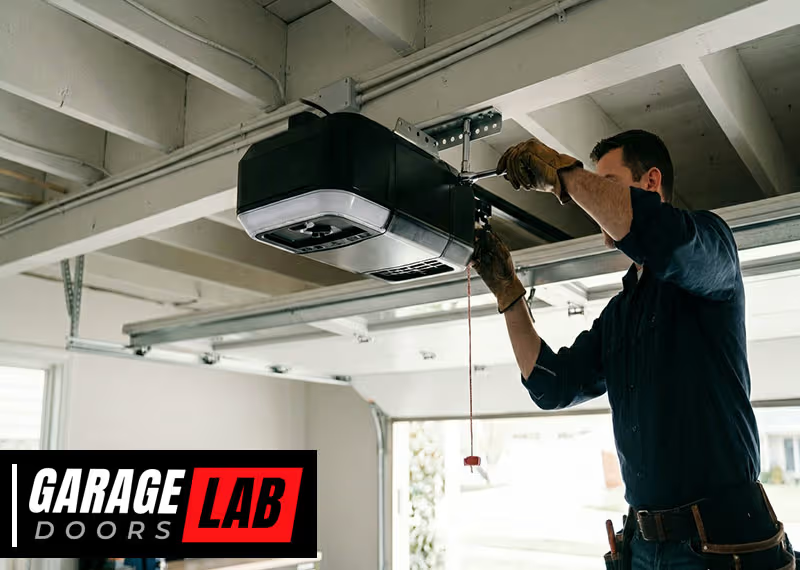
If your garage door opener suddenly stops working, or you feel it’s time for an upgrade, you’re not alone. Many homeowners face this situation as garage door openers age, become unreliable, or break down completely. Getting a new garage door opener isn’t just about buying a device; it’s about improving safety, convenience, and sometimes even your home’s security.
This guide explains every step you need to know—from understanding your needs to installation, troubleshooting, and getting the most from your new opener.
Why Replace Your Garage Door Opener?
Garage door openers can last 10–15 years, but several signs mean it’s time for a new one. If you notice strange noises, inconsistent opening, or outdated safety features, you may want to consider replacing it. Modern openers offer smart controls, quieter operation, and better safety technology. Older units can even pose a risk if their sensors or auto-reverse functions don’t work properly.
Another reason to upgrade is energy efficiency. Newer openers consume less power when idle and often integrate with home automation systems. For families with children or pets, updated safety features are a big plus.
Understanding Your Options
Before you buy a new garage door opener, it’s important to know the types available. Openers differ in their drive mechanisms, features, and power. Here’s a quick overview:
Types Of Garage Door Openers
- Chain Drive: Uses a metal chain to lift the door. These are reliable but can be noisy.
- Belt Drive: Uses a rubber belt, making them much quieter. Ideal for garages near living spaces.
- Screw Drive: Moves the door with a threaded steel rod. These are fast and require less maintenance.
- Direct Drive: The motor itself moves along the track. This type is very quiet and durable.
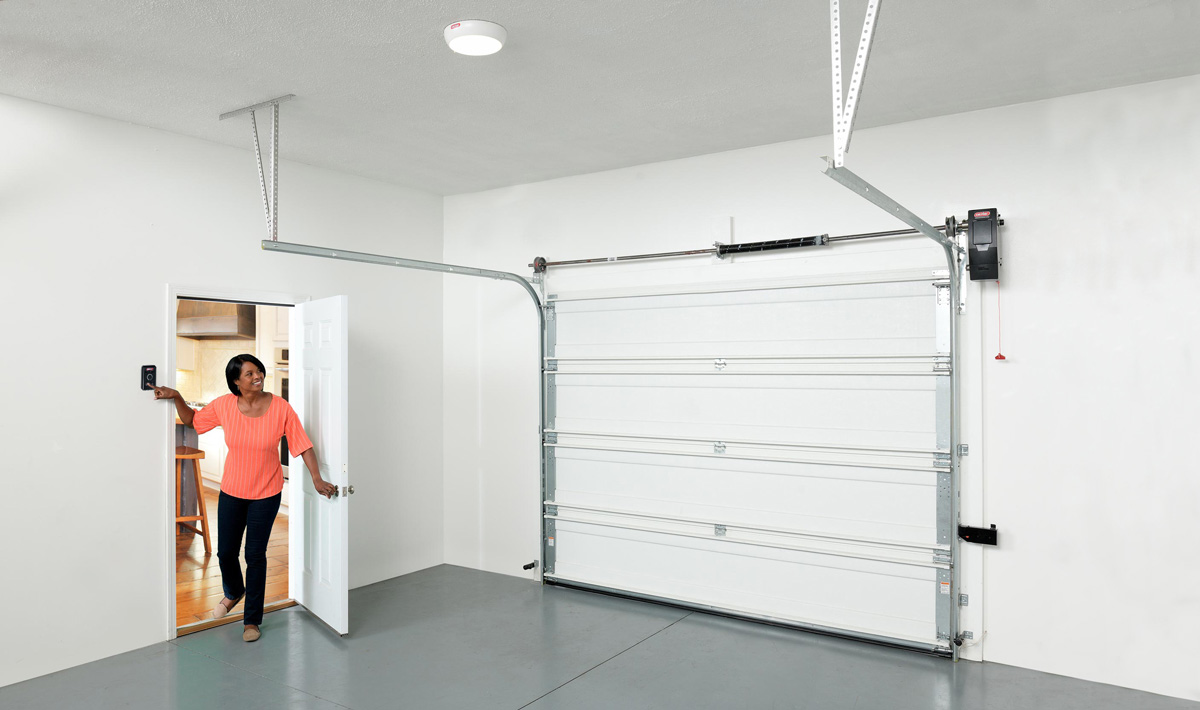
- Jackshaft Drive: Mounts on the wall beside the door, good for high or unusual ceilings.
Each type has its pros and cons. For example, belt drive openers are quiet but often cost more. Chain drives are durable and affordable, but their noise can be a problem for attached garages.
Key Features To Consider
- Horsepower (HP): Most homes need 1/2 HP for single doors or 3/4 HP for heavier doors.
- Backup Battery: Keeps the opener working during a power outage.
- Smart Controls: Lets you open or close the door from your phone.
- Safety Sensors: Stops the door if something is in the way.
- Lighting: Built-in LEDs light up your garage.
Many homeowners miss the importance of compatibility with their current garage doors. Not all openers fit all doors, especially if your garage door is older or custom.
Comparing Popular Models
Here’s a quick comparison of common opener types:
| Type | Noise Level | Price Range | Best For |
|---|---|---|---|
| Chain Drive | High | $120–$250 | Detached garages, budget buys |
| Belt Drive | Low | $180–$350 | Attached garages, quiet operation |
| Screw Drive | Medium | $150–$300 | Moderate climates, less maintenance |
| Direct Drive | Very Low | $250–$400 | Luxury, longevity |
| Jackshaft | Very Low | $300–$500 | High ceilings, limited space |
Step-by-step: How To Get A New Garage Door Opener
Replacing your garage door opener can be straightforward if you follow a logical process. Here’s how to do it right.
1. Assess Your Garage Door
First, check your garage door’s weight and balance. Heavy or unbalanced doors put extra stress on openers, causing them to fail early. Lift the door manually halfway; it should stay in place. If it slides down, you may need to fix your door before adding a new opener.
2. Choose The Right Opener
Think about your garage’s location, the type of door, and your budget. For example, if your garage is under a bedroom, a belt drive opener can keep things quiet. If you want remote access from your phone, look for smart openers with Wi-Fi.
Don’t forget to check compatibility with your existing door and rails. Measure your door height—standard openers fit up to 7 feet; for taller doors, you need extension kits.
3. Gather Tools And Materials
If you plan to install the opener yourself, gather these tools:
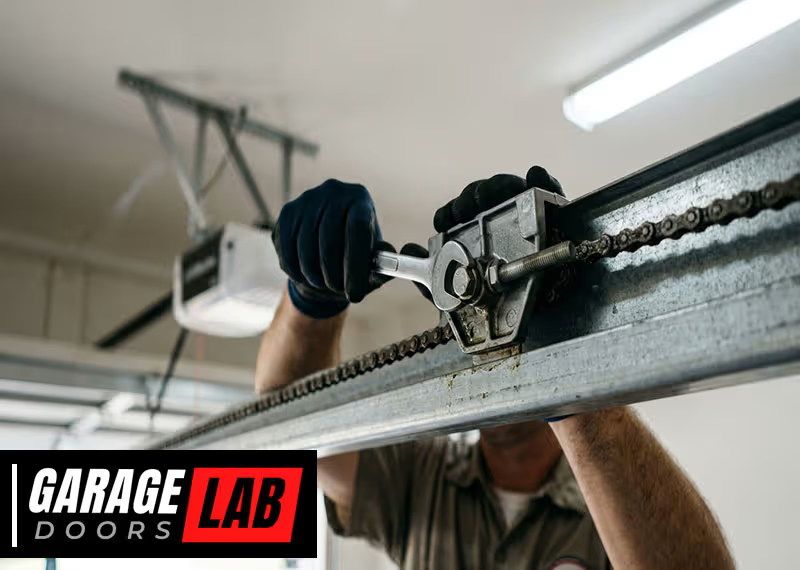
- Adjustable wrench
- Drill and bits
- Screwdriver set
- Stepladder
- Tape measure
- Level
- Safety glasses and gloves
Most openers come with all required mounting hardware, but double-check before starting.
4. Remove The Old Opener
Disconnect the power and unplug the old opener. Remove the old unit, starting with the door arm, then the opener itself. Keep hardware in case you need it for the new installation.
5. Install The New Opener
Follow the manufacturer’s instructions closely. Most openers have similar steps:
- Assemble the opener on the ground
- Install the rail and attach it to the header bracket above the door
- Hang the opener from the ceiling joists using provided brackets
- Connect the door arm to the opener and garage door
- Install safety sensors near the floor on either side of the door
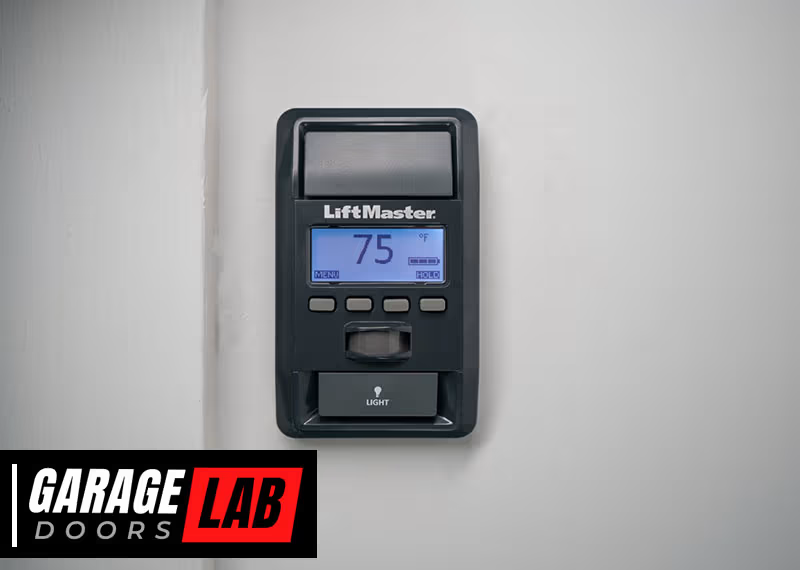
- Wire the wall control and connect the power
Pro tip: Use a helper to lift and secure heavy parts. Many people struggle with the weight and alignment of the opener rail.
6. Program Remotes And Keypads
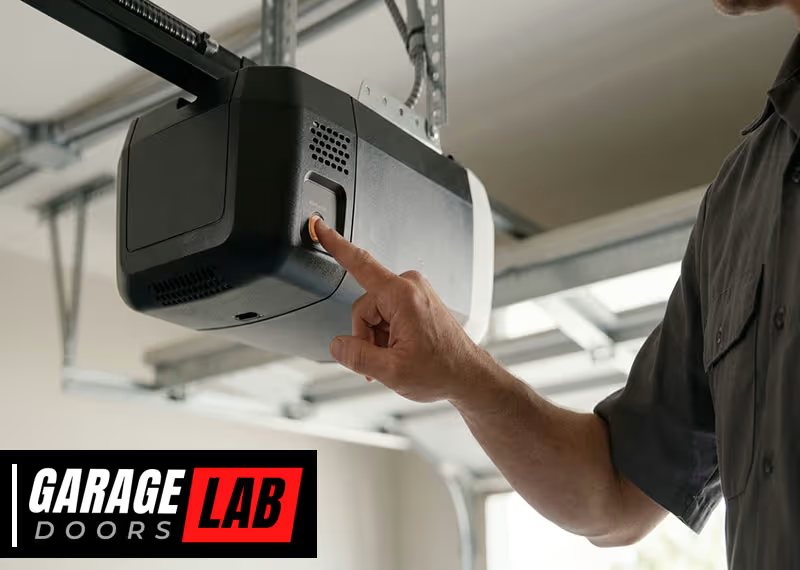
Modern openers come with wireless remotes and keypads. You’ll usually press a “learn” button on the motor unit, then press the remote. For Wi-Fi models, download the app and follow setup steps.
7. Test Safety Features
Make sure the auto-reverse and photo sensors work. Place an object in the door’s path and close it—the door should stop and reverse. Test the emergency release cord.
Missed by many: Failing to test these safety features can lead to accidents or damage.
8. Dispose Of The Old Opener
Recycle the old opener at an electronics center if possible. Many municipalities offer e-waste recycling. Don’t just throw it in the trash.
Diy Vs Professional Installation
Some homeowners are comfortable with DIY, but there are clear pros and cons.
Diy Installation
Pros:
- Saves money (typical install costs $100–$300)
- Immediate scheduling—you set the timeline
Cons:
- Can take 4–6 hours for a beginner
- Risk of improper installation (which can void warranties)
- Requires basic electrical skills
Professional Installation
Pros:
- Fast and usually guaranteed
- Installer handles troubleshooting and disposal
- Ensures safety compliance
Cons:
- Extra cost ($150–$400 for labor)
- Scheduling wait time
Hidden insight: Many professional installers offer a warranty on their work, which can save you headaches if something goes wrong.
Common Buyer Mistakes To Avoid
- Ignoring door size/weight: Not all openers work for all doors.
- Overlooking noise level: Chain drives can be loud in attached garages.
- Skipping safety checks: Failing to test sensors and auto-reverse.
- Wrong installation height: Placing the opener too low or high affects function.
- Not registering the warranty: Some brands require you to register for full coverage.
How Much Does A New Garage Door Opener Cost?
Costs depend on model, features, and installation. Here’s a basic breakdown:
| Component | Low-End | Mid-Range | High-End |
|---|---|---|---|
| Opener Unit | $120 | $200 | $500+ |
| Installation | $100 | $200 | $400 |
| Accessories (keypad, extra remotes) | $20 | $50 | $100 |
| Extension Kit (if needed) | $30 | $40 | $60 |
Average total cost (including labor): $250–$700.
Features Worth Investing In
Some features make a big difference in day-to-day use:
- Battery Backup: Keeps your opener working during power outages.
- Wi-Fi and App Control: Lets you open or check your garage from anywhere.
- Integrated Camera: Some models have built-in cameras for extra security.
- LED Lighting: Brighter, longer-lasting lights.
- Quiet Operation: Especially important for attached garages.
These features add $50–$200 to the price but can offer peace of mind and convenience.
Important Safety And Code Considerations
Modern openers must meet safety standards, including auto-reverse mechanisms and infrared sensors. If your home is older, check local codes or ask your installer. Most new openers comply, but DIY installs can sometimes miss key steps.
Tip: If your garage is attached, make sure the opener is compatible with your home’s fire safety rules.
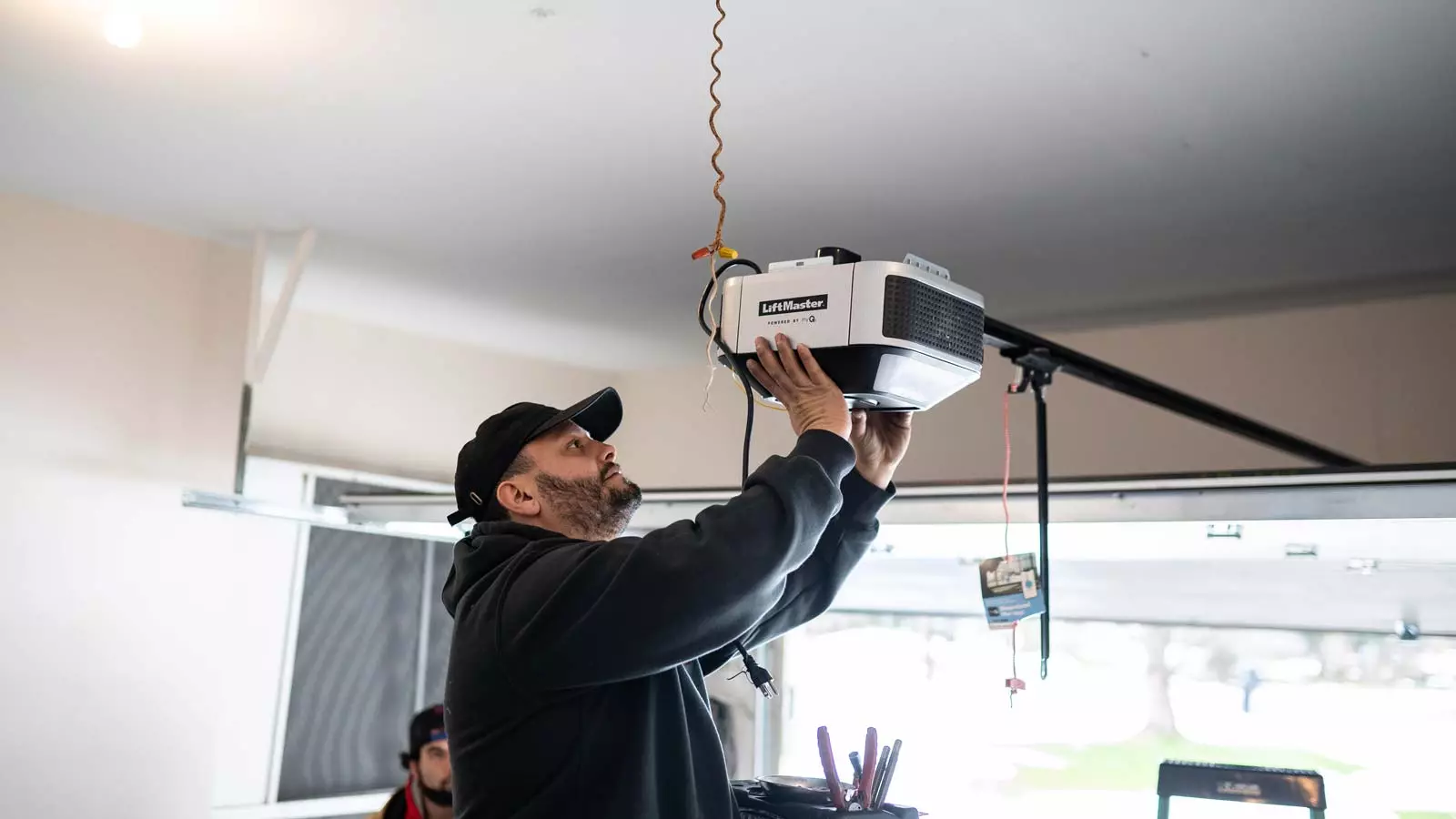
Smart Garage Door Openers
Smart openers connect to Wi-Fi and work with apps like Google Home or Alexa. They allow you to:
- Get alerts if your garage door is open
- Open/close the door remotely
- Set schedules and guest access codes
Some models even work with Amazon Key, allowing secure package delivery inside your garage. Smart openers usually cost $180–$400.
Many people miss out on these features because they think setup is complex. In reality, most smart openers guide you through the process step by step in their apps.
How To Choose The Right Installer
If you decide to hire a pro, ask these questions:
- Are you licensed and insured?
- Do you offer a labor warranty?
- How long will installation take?
- Will you handle disposal of the old unit?
- Can you show references or reviews?
Look for companies with good ratings and clear pricing. Avoid installers who refuse to give a written quote.
Troubleshooting Common Issues After Installation
Even after a new opener is installed, you might face minor issues.
- Remote not working: Check battery, or reprogram it to the opener.
- Opener won’t close: Make sure nothing blocks the safety sensors.
- Door reverses: Adjust the down force or check for obstructions.
- Loud operation: Lubricate the door’s moving parts.
Most manufacturers have troubleshooting guides online, or you can contact customer support.
Getting The Most From Your New Opener
Regular maintenance extends the life of your garage door opener:
- Lubricate the chain, belt, or screw drive every 6–12 months.
- Test safety features monthly.
- Replace remote batteries yearly.
- Clean the sensors with a soft cloth.
These small steps can prevent bigger problems and keep your opener running smoothly for years.
Environmental And Security Considerations
If you’re concerned about the environment, look for openers with energy-saving standby modes. Some models use less than 1 watt of power when idle.
For security, choose an opener with rolling code technology. This means the remote changes its code every use, making it very hard for thieves to hack.
Real-world Examples
Consider these two situations:
- Sarah upgraded her old chain drive to a belt drive opener. She noticed her garage was much quieter, and the built-in LED lights made it easier to park at night.
- Mike added a smart opener with camera support. He now gets a phone alert if the door is left open or if a package is delivered.
These stories show that the right opener can make life easier and safer.
How Long Does Installation Take?
DIY installation usually takes 4–6 hours for beginners, while pros can finish in 2–3 hours. Complications like odd ceiling heights or old wiring can add time.
Important insight: Don’t rush. Taking your time leads to a better, safer installation.
Warranty And Support
Most openers come with:
- Motor warranty: 5–10 years
- Parts warranty: 1–5 years
- Labor warranty: If installed professionally
Always keep your receipt and register your product online for full warranty coverage.
Recycling And Disposal
Don’t throw your old opener in the trash. Many parts are recyclable, including metal rails and electronic boards. Check your city’s recycling program or visit an electronics recycling center. This helps reduce landfill waste.
Upgrading Accessories
If you want extra features, consider these accessories:
- Wireless keypads: For easy entry without a remote
- Extra remotes: For family members or guests
- Smart home adapters: To connect older openers to Wi-Fi
Most brands offer these as add-ons, and they can make your garage even more convenient.
When To Replace Vs Repair
If your opener is more than 10 years old, or the repair cost is more than half the price of a new unit, replacement is usually the best option. New units offer better safety, energy efficiency, and features.
Tip: If your opener makes grinding noises, moves slowly, or fails to open the door fully, it’s likely time for a new one.
Important Safety Reminder
Always unplug the opener before working on it. If you’re not comfortable with wiring, hire a professional. Garage doors are under high tension and can be dangerous if handled incorrectly.
Final Thoughts
Getting a new garage door opener is one of those home upgrades that pays off in convenience, safety, and even energy savings. By understanding your options, avoiding common mistakes, and following a step-by-step approach, you can ensure a smooth process.
Whether you choose to install it yourself or hire a pro, the right opener will serve you reliably for years. Don’t forget to register your warranty, maintain the system, and recycle the old unit responsibly.
For more technical details, you can visit the official Wikipedia page on garage door openers.
Frequently Asked Questions
What Size Garage Door Opener Do I Need?
Most homes with a single or double garage door can use a 1/2 HP opener. For heavy wooden doors or oversize doors, a 3/4 HP or higher unit is better. Always check your door’s weight and balance before buying.
Can I Install A Garage Door Opener Myself?
Yes, many homeowners install openers themselves. You’ll need basic tools and should follow the instructions closely. If you’re unsure about wiring or have a heavy door, hiring a professional is safer.
How Long Do Garage Door Openers Last?
A quality opener usually lasts 10–15 years. Regular maintenance can extend its life. If your unit is older, lacks safety features, or needs frequent repairs, it’s time to consider a new one.
Are Smart Garage Door Openers Safe?
Modern smart openers use encrypted signals and rolling codes, making them very safe. Always set strong passwords for apps and keep your system updated for the best security.
What Should I Do With My Old Garage Door Opener?
Recycle it at a local electronics recycling center. Many cities have programs for safe disposal. Never put the unit or remote controls in the regular trash, as they contain electronic parts.
A new garage door opener is a smart investment in your home’s security and convenience. By following the advice above, you’ll get a system that matches your needs and lasts for years.