
Now Reading: How to Reconnect a Garage Door Opener Quickly and Easily
- 01
How to Reconnect a Garage Door Opener Quickly and Easily

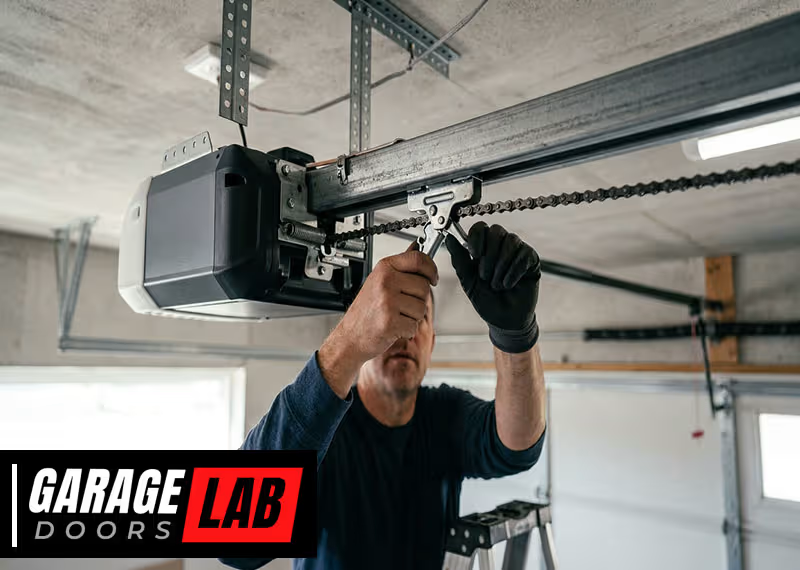
Reconnecting a garage door opener may seem like a small task, but it can quickly become confusing if you’ve never done it before. Maybe you pulled the emergency release cord by accident, or perhaps you lost power and the opener stopped working.
No matter the reason, getting your garage door opener running smoothly again is important for security, convenience, and peace of mind. The good news is that most homeowners can reconnect a garage door opener with just a few simple tools and a bit of patience.
You don’t need to be a professional to handle this job. With clear instructions and a step-by-step approach, you can restore your garage door’s automatic function in less than an hour. In this guide, you’ll find everything you need to know—from understanding how garage door openers work to solving common issues and avoiding mistakes.
You’ll also see real examples, safety tips, and answers to questions that often trouble beginners. Let’s dive in and get your garage door opener back on track.
Understanding Garage Door Opener Basics
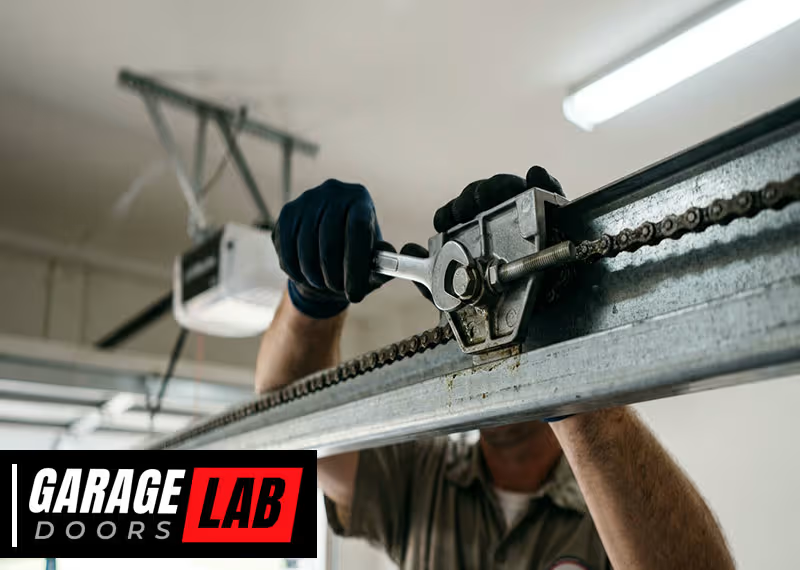
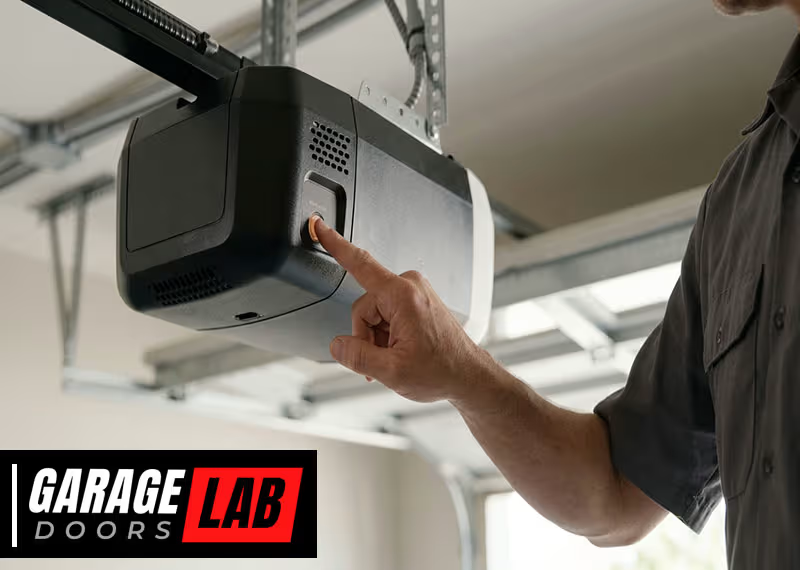
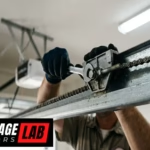
Before reconnecting your garage door opener, it helps to know how the system works. A typical garage door opener has two main parts: the motorized opener unit (usually mounted on the ceiling) and the door’s trolley system (the rail and moving arm attached to the door). The opener moves the trolley, which opens or closes the door along metal tracks.
Most openers have a safety feature called the emergency release cord—often a red cord hanging from the trolley. Pulling this cord disconnects the trolley from the opener, allowing you to open or close the door manually. You usually need to reconnect the opener after using this feature.
Common reasons for disconnecting include:
- Power outages
- Door or opener maintenance
- Obstructions or jams
When you reconnect, you restore the link between the opener and the trolley. This way, the motor can move the door automatically again.
Safety First: Preparing To Reconnect
Working with garage doors can be dangerous if you’re not careful. The springs are under high tension, and a heavy door can cause injury. Before you start, take these safety steps:
- Unplug the opener from the power source. This prevents accidental activation while you’re working.
- Clear the area around the door. Remove any tools, bikes, or objects that could get in the way.
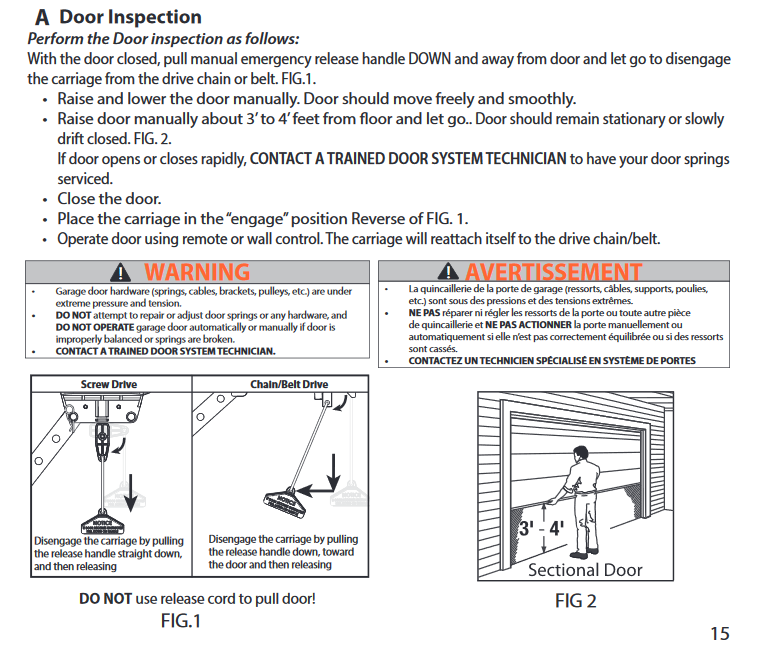
- Check the door’s balance. Try to lift the door manually (if it’s disconnected). It should move smoothly and stay in place when halfway open. If not, the springs may need adjustment by a professional.
- Wear gloves and safety glasses. This protects you from sharp edges and dust.
Never try to adjust the high-tension springs yourself. If you see broken springs or cables, call a garage door technician.
Tools And Materials You’ll Need
You won’t need many tools to reconnect a garage door opener. Here’s a checklist:
- Step ladder (for reaching the opener)
- Work gloves
- Flashlight (if your garage is dim)
- Flathead screwdriver (sometimes useful for tricky latches)
- Owner’s manual (for your opener model)
Most garage door openers are designed to be reconnected by hand, without special equipment. Still, having the right tools close by saves time.
Steps To Reconnect A Garage Door Opener
Now you’re ready to restore your garage door opener’s automatic function. These steps work for most chain, belt, and screw-drive openers. If your system is very old or unusual, check the manual or manufacturer’s website.
1. Make Sure The Door Is Fully Closed
For safety, always start with the garage door in the down (closed) position. If the door is partway open, gently lower it by hand. This reduces risk if something goes wrong.
Why is this important? If the door is up, it could slam shut unexpectedly when you reconnect, which can damage the door or hurt someone.
2. Locate The Emergency Release Mechanism
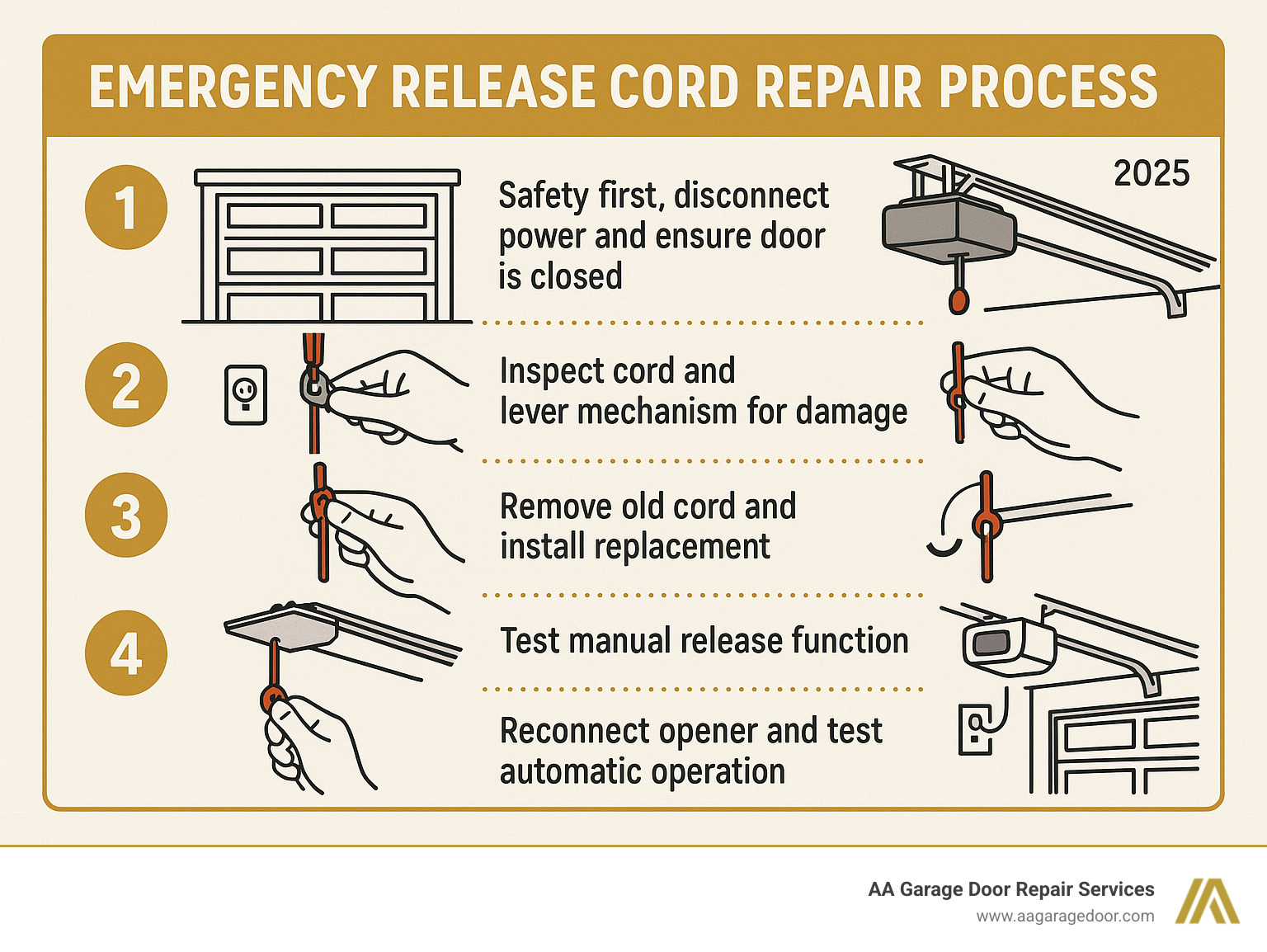
Most openers have a red emergency release cord hanging from the trolley. This cord is the key to disconnecting and reconnecting the opener.
- For chain or belt drive: The cord is usually near the middle of the garage ceiling.
- For screw drive: Look for a knob or lever near the rail.
If the cord is missing or damaged, you’ll need to fix or replace it before continuing.
3. Identify The Type Of Opener Release
There are two main types of opener release mechanisms:
- Spring-loaded: Pulling and releasing the cord reconnects the opener automatically.
- Manual latch: You must pull the cord and then move the door to engage the system.
Check your opener’s design so you know what to expect.
4. Reconnect The Trolley To The Opener
Here’s the main step:
- Pull the emergency release cord straight down (not at an angle) to reset the mechanism.
- Move the garage door manually until you hear a click. For most openers, this click means the trolley has re-engaged with the opener carriage.
- Plug the opener back in (if you unplugged it earlier).
- Press the wall switch or remote to activate the opener. The trolley should start moving and the door should operate automatically.
If the trolley does not reconnect, try moving the door a few inches back and forth until it clicks. Some openers may need you to press the remote while gently nudging the door.
5. Test The Door’s Operation
Once reconnected, run the opener through a complete cycle:
- Open the door fully with the remote or wall button.
- Close the door completely.
Watch and listen for smooth movement. If the door jerks, makes loud noises, or doesn’t close all the way, stop and inspect for problems.
6. Adjust Opener Settings (if Needed)
If the door doesn’t open or close fully, you may need to adjust the opener’s travel limits or force settings. These settings tell the opener how far to move and how much force to use.
- Look for small dials or screws on the opener unit labeled “up limit,” “down limit,” or “force.”
- Make small adjustments (1/4 turn at a time), then test the door again.
- Do not set the force too high—this can be dangerous.
Check your owner’s manual for exact adjustment instructions.
Common Problems And How To Solve Them
Reconnecting a garage door opener usually goes smoothly, but sometimes you run into problems. Here are solutions for common issues.
The Door Won’t Reconnect
If the trolley won’t engage with the opener carriage:
- Check for obstructions in the track or trolley.
- Make sure the release cord is not tangled or jammed.
- Try moving the door a few inches in both directions while pressing the remote.
The Opener Runs But The Door Stays Still
This usually means the trolley is still disconnected.
- Pull the emergency release cord again to make sure it’s reset.
- Move the door until you hear the trolley click back into place.
The Door Reverses Or Stops
If the door starts to close but then reverses or won’t close fully:
- Check the safety sensors near the floor on either side of the door. Clean them and align them if necessary.
- Adjust the travel limits as described above.
The Opener Makes Strange Noises
Unusual noises may mean:
- The track needs lubrication (use garage door lubricant, not WD-40).
- Something is loose on the door or opener.
- The opener is worn out (if it’s over 10 years old, consider replacement).
Table: Common Garage Door Opener Issues And Fixes
Here is a quick reference for typical problems and solutions:
| Problem | Possible Cause | Solution |
|---|---|---|
| Opener runs, door doesn’t move | Trolley not re-engaged | Reset emergency release, move door to engage |
| Door reverses when closing | Sensor misalignment | Realign and clean sensors |
| Grinding or squeaking noise | Track or rollers need lubrication | Apply garage door lubricant |
| Remote not working | Dead batteries or signal interference | Replace batteries, check for interference |
Types Of Garage Door Opener Systems
Not all garage door openers reconnect in exactly the same way. The most common types are:
- Chain Drive: Uses a metal chain to move the door. Durable but can be noisy.
- Belt Drive: Similar to chain but uses a rubber belt. Quieter operation.
- Screw Drive: Moves the trolley along a threaded steel rod. Fewer moving parts.
- Direct Drive: The motor itself moves along the track. Very quiet.
- Jackshaft Drive: Mounted on the wall beside the door, used for special situations.
Each system may have a slightly different emergency release design, but the general reconnection steps are similar.
Table: Comparison Of Garage Door Opener Types
| Type | Noise Level | Maintenance | Best For |
|---|---|---|---|
| Chain Drive | Loud | Medium | Heavier doors, budget systems |
| Belt Drive | Quiet | Low | Attached garages, living space nearby |
| Screw Drive | Moderate | Low | Moderate climates |
| Direct Drive | Very quiet | Low | Any use, premium systems |
| Jackshaft | Quiet | Low | High ceilings, special doors |
When To Call A Professional
While many homeowners can reconnect a garage door opener, sometimes it’s safer to call a pro. Here are situations where you should not attempt DIY repair:
- Broken springs or cables: These are under high tension and can cause serious injury.
- Door is very heavy or won’t move: The opener may not be the problem.
- Unusual opener model: Some openers need special knowledge or tools.
- Repeated failures: If the door keeps disconnecting, there may be an underlying issue.
A professional can also inspect your system for wear and tear, recommend upgrades, or perform a full safety check.
Preventing Future Disconnects
A little maintenance can help your garage door opener stay connected and reliable. Here are some tips:
- Lubricate moving parts every six months (rollers, hinges, track).
- Test the door balance twice a year.
- Keep safety sensors clean and aligned.
- Check the emergency release cord for wear.
- Tighten loose bolts or screws.
Also, remind family members not to pull the emergency release unless necessary. If you have young children, show them how the system works and why it’s important not to play with the cord.
Table: Diy Vs. Professional Reconnection
It’s helpful to see when you can do the work yourself and when to hire a technician.
| Situation | DIY Possible? | Professional Needed? |
|---|---|---|
| Simple reconnect after emergency release | Yes | No |
| Broken or missing release cord | Sometimes | Yes (if unsure) |
| Broken spring or cable | No | Yes |
| Opener won’t respond after reconnect | Maybe | Yes (if troubleshooting fails) |
Two Non-obvious Insights For Beginners
- Weather Can Affect Reconnection: Garage door components expand and contract with temperature changes. In cold weather, the metal parts may shrink, making the door harder to move by hand. If you’re having trouble reconnecting in winter, try gently warming the area with a space heater (but never use open flames).
- Opener Memory May Need Resetting: Some newer garage door openers “learn” the travel limits and force settings. If the door doesn’t move right after reconnecting, you might need to perform a full reset or re-learn cycle. Check your owner’s manual for instructions, or visit your opener’s support site.
Mistakes To Avoid
- Forcing the door: Never push or pull too hard. If the door is stuck, forcing it can bend tracks or break the opener.
- Ignoring unusual sounds: Grinding, popping, or squealing noises usually mean something is wrong.
- Skipping safety checks: Always unplug the opener and check the door balance before working.
- Not reading the manual: Each opener brand (like Chamberlain, LiftMaster, or Genie) has small differences in their mechanisms.
Example: Reconnecting A Chain-drive Opener
Let’s say you have a standard chain-drive opener and your garage lost power during a storm. You pulled the release cord to open the door by hand. Now, power is back, and you want to reconnect:
- Close the door fully.
- Pull the red cord straight down (it will snap back into position).
- Move the door a few inches until you hear a click.
- Plug in the opener and press the wall button.
- The trolley engages, and the door opens automatically.
If the opener just hums or doesn’t move, unplug it and repeat the steps. If the problem continues, check for obstructions or call for help.
Keeping Your Garage Secure
A disconnected opener means your garage door can be opened by hand. For security, always reconnect the opener as soon as possible after an emergency. If you’re leaving the door disconnected for repairs, consider adding a manual lock or clamp so intruders can’t lift the door from outside.
Tip: Some newer openers have a “vacation lock” setting. Use this if you’re going away or leaving the door disconnected for more than a day.

Smart Garage Door Openers
If you have a smart garage door opener (Wi-Fi enabled), the reconnection process is the same, but you may need to reset the app or controller after you reconnect the trolley.
- Check the app for error messages or instructions.
- Sometimes you need to re-sync the opener with your phone or home network.
- Visit the manufacturer’s support page for model-specific help.
Upgrading to a smart opener can offer extra features like alerts, remote access, and automatic closing reminders.
Resources For Further Help
If you need more detailed instructions, look for the brand name and model number on your opener unit. You can often find manuals and troubleshooting guides online. For example, the Wikipedia: Garage Door Opener page provides a solid overview of different systems and safety standards.
Frequently Asked Questions
How Do I Know If My Garage Door Opener Is Disconnected?
If you can open and close the garage door by hand without using the remote or wall button, the opener is disconnected. You might also see the trolley sitting still while the motor runs.
Can I Reconnect The Opener With The Door Open?
It’s best to reconnect the opener with the door fully closed. Reconnecting when the door is open can be dangerous, as the door may fall or move suddenly.
What If The Emergency Release Cord Is Broken?
If the cord is missing or broken, you’ll need to replace it before you can reconnect the opener. Most hardware stores sell universal emergency release kits. If you’re unsure, call a garage door technician.
Why Does My Door Keep Disconnecting From The Opener?
Frequent disconnects can mean the door is too heavy, the springs are weak, or the trolley is worn out. It may also be due to accidental pulls on the release cord. Inspect your system or have a professional check it.
Is It Safe To Reconnect The Opener Myself?
For most standard garage doors, it’s safe to reconnect the opener as long as you follow safety steps. Do not attempt repairs if you see broken springs, cables, or if the door is very heavy.
Getting your garage door opener working again doesn’t have to be stressful. With the right steps, a little patience, and attention to safety, you can restore your garage’s convenience and security in no time. Reconnecting your opener is a skill that can save you time and money, and it gives you confidence to handle future garage door issues with ease.